
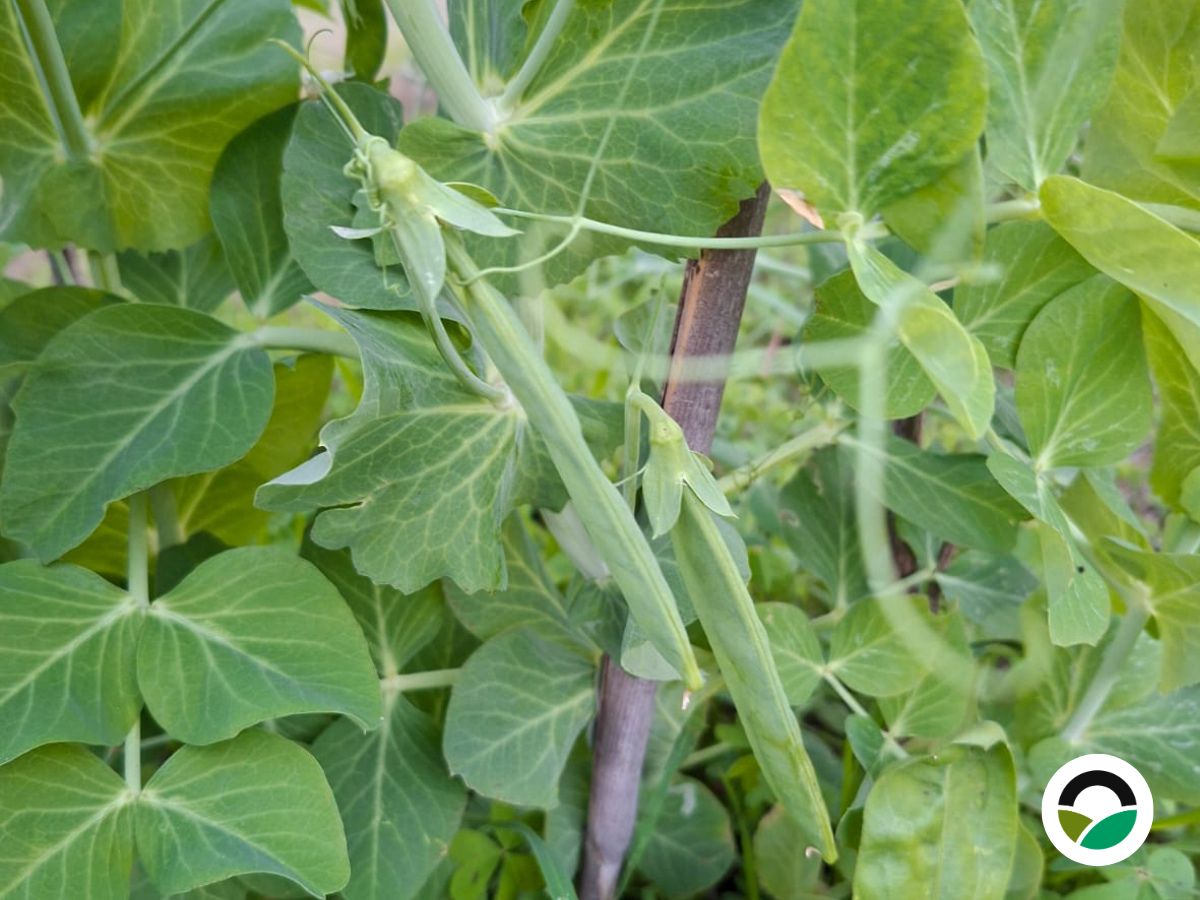
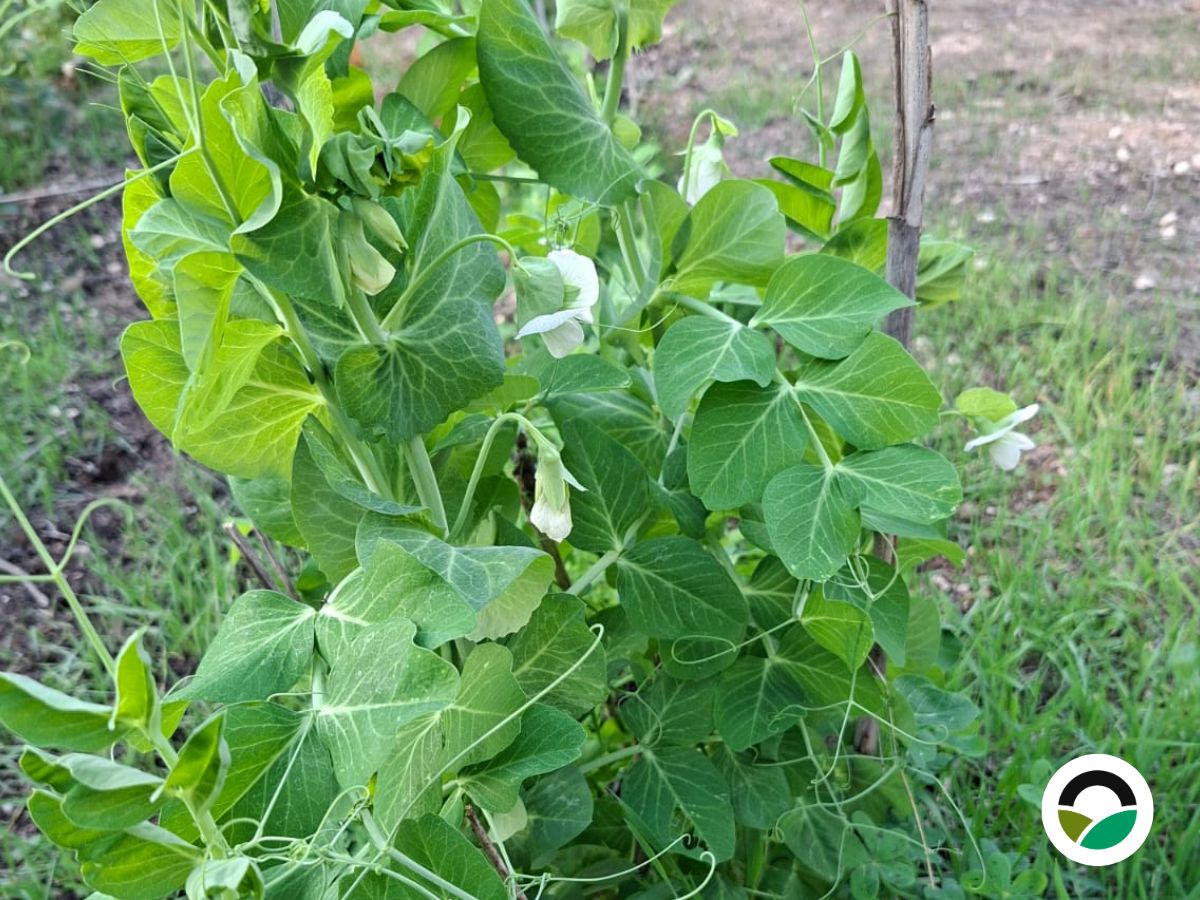
Our first sowing of garden peas this season — planted in mid-October near the farmhouse — is growing steadily, bringing fresh green growth to the winter garden.
Garden peas (Pisum sativum) are a classic cool-season crop, well adapted to the Mediterranean winter when planted at the right time. In Cyprus, peas are traditionally sown in autumn rather than spring, allowing them to develop during the mild winter months and mature before the heat of early spring.
Like other legumes, peas support both the soil and the surrounding ecosystem. Their delicate tendrils and soft leaves may look fragile, but they play an important role in building soil health and encouraging biodiversity.
As the plants established themselves, life around them quickly increased. Bees visit the flowers, supporting pollination. Ladybugs move along the stems and leaves, helping to keep aphids under control. Together, these small interactions create a balanced environment where peas can grow without the need for intervention.
Nutritional value of garden peas
Garden peas are valued for their balanced nutritional profile, especially when harvested fresh and young. They are a good source of:
- Plant-based protein
- Dietary fibre
- Vitamins A, C, and K
- B vitamins such as folate
- Minerals including iron, magnesium, and potassium
Peas have been part of Mediterranean and Middle Eastern diets for centuries, enjoyed fresh during their short season or preserved through cooking and drying for later use.
How peas can be cooked
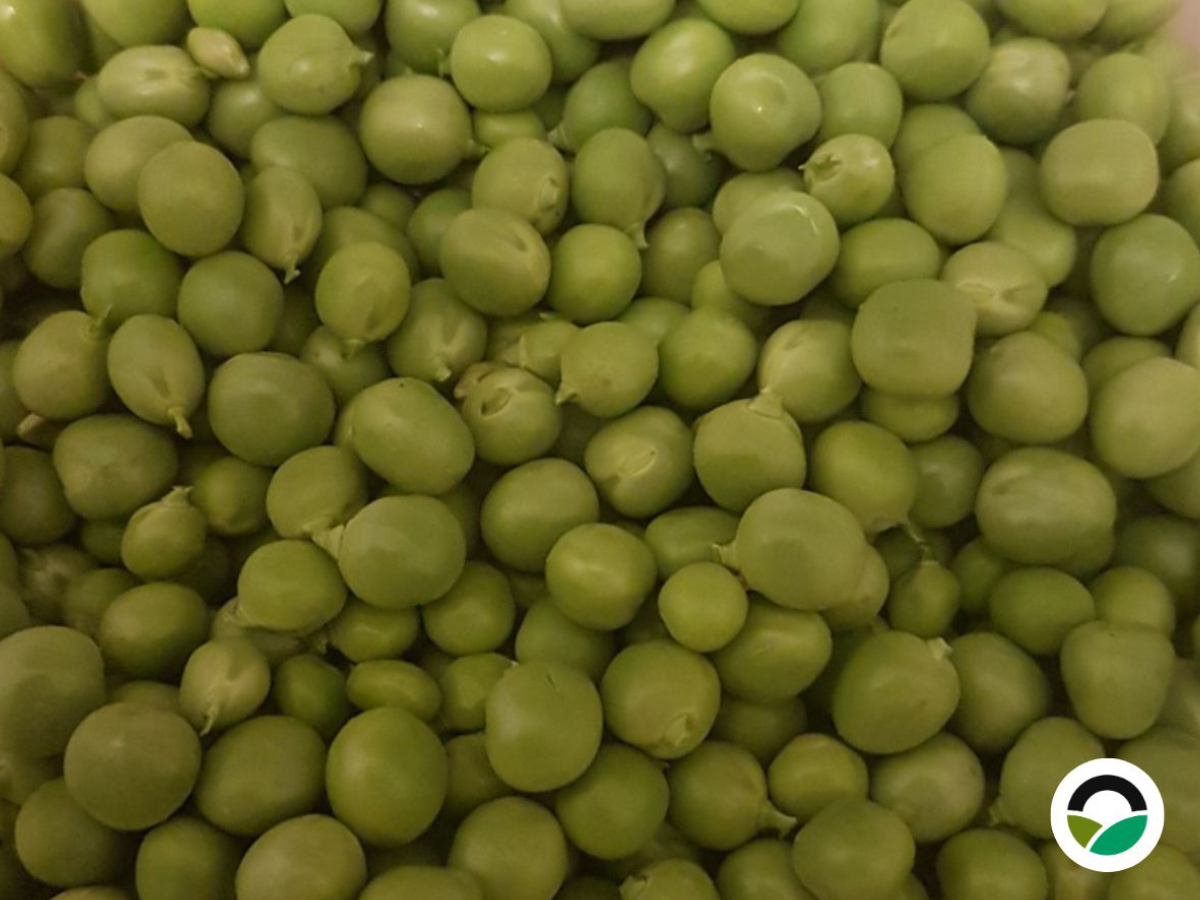
Garden peas are prized for their natural sweetness and tender texture. When very young, they can even be eaten raw. Light cooking helps preserve both flavour and nutrients.
Peas can be boiled, lightly steamed, sautéed, added to risottos and grain dishes, blended into soups, or paired with fresh herbs and olive oil. Their mild taste makes them suitable for both simple everyday meals and more elaborate traditional recipes.
Recipe ideas
Pea and mint soup
A classic seasonal soup that highlights the natural sweetness of peas and their freshness when harvested young.
Ingredients:
Fresh garden peas, onion, garlic, vegetable stock, fresh mint, olive oil, salt, and pepper.
Preparation:
- Gently sauté chopped onion in olive oil until soft.
- Add garlic briefly, then add peas and vegetable stock.
- Simmer until peas are tender.
- Blend until smooth and season with salt and pepper.
- Finish with fresh mint and a drizzle of olive oil.
This recipe shows how peas can be transformed into a light, aromatic dish with minimal ingredients.
Mediterranean chickpea and pea salad with lemon and olive oil
A fresh, protein-rich dish that combines peas with other legumes and simple Mediterranean flavours.
Ingredients:
Fresh or lightly blanched peas, cooked chickpeas, red onion, fresh parsley, lemon juice, extra virgin olive oil, salt, and pepper.
Preparation:
- Blanch peas briefly and cool.
- Combine peas with chickpeas and finely sliced onion.
- Dress with lemon juice and olive oil.
- Season and finish with fresh parsley.
This dish reflects Mediterranean cooking principles: legumes, olive oil, acidity, and simplicity — showing a very different use of peas compared to soups or warm dishes.
Growing peas
Garden peas are well suited to Mediterranean climates when planted in autumn and grown through winter.
Sowing
Planted in autumn (October–November), allowing roots to establish before colder weather.
Soil
They grow well in well-drained soil and improve soil fertility through nitrogen fixation.
Watering
Moderate watering is sufficient. Once established, peas thrive in cool winter conditions.
Pollination and pest control
Bees support pollination, while ladybugs help manage aphids naturally.
Harvest
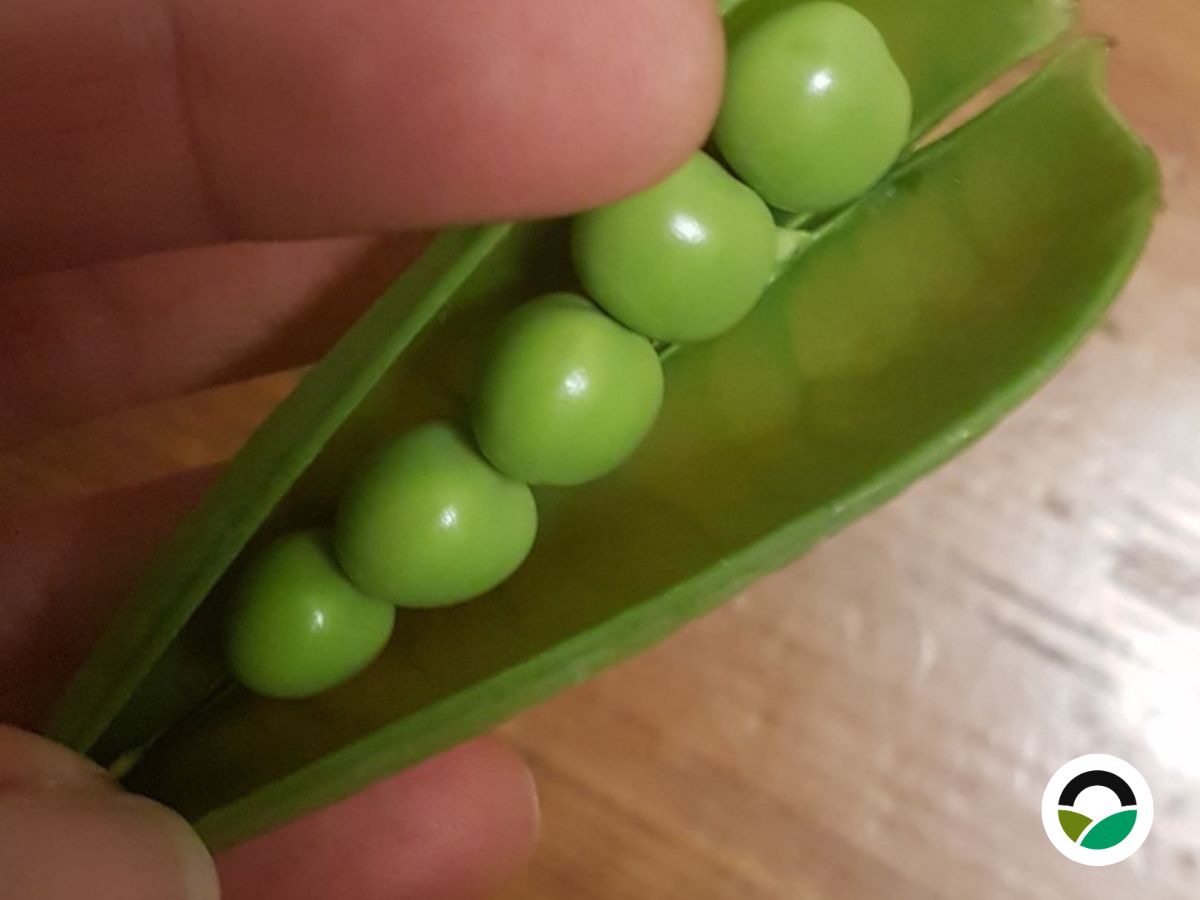
Harvest usually begins in late winter or early spring. Young peas are sweet and tender, while more mature peas develop a deeper flavour.
Conclusion
Garden peas may appear delicate, but they quietly support a wider ecosystem. They enrich the soil, attract pollinators, support beneficial insects, and provide fresh, nutritious food during a calm and subtle season in the garden.
At Mavronero, peas are part of a broader approach to working with natural cycles, local growing knowledge, and balanced farming systems. As the season continues, we look forward to harvesting the first pods and observing the life that continues to gather around them.
Sources
Royal Horticultural Society – growing peas
BBC Good Food – peas: how to prepare and cook
BBC Good Food – pea and mint soup
The Mediterranean Dish – chickpea salad with lemon and herbs
