
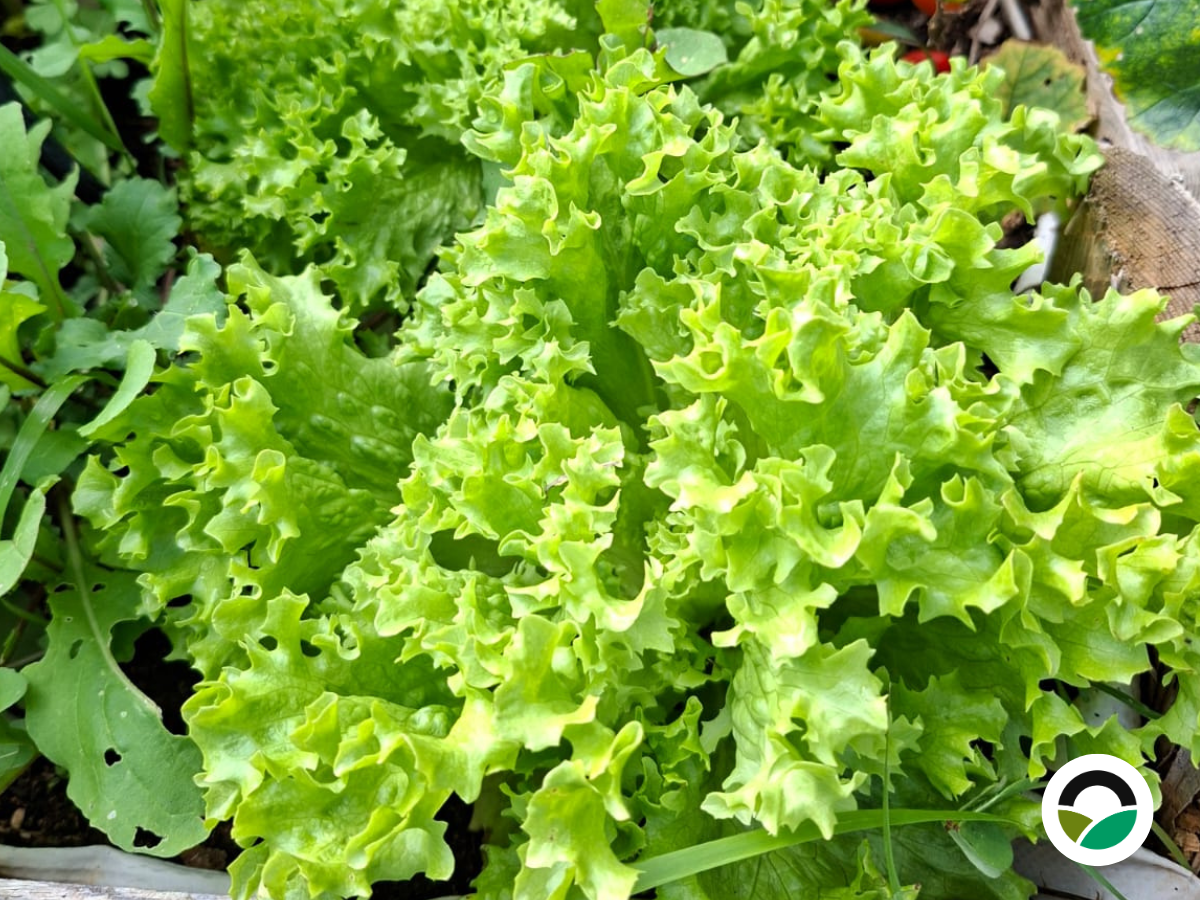
This season at Mavronero, several varieties of lettuce are growing across different parts of the garden, each adapted to slightly different conditions and rhythms. From raised beds to open vegetable beds, lettuces are developing steadily through the cooler months, benefiting from winter light, moisture, and slower growth.
Lettuce may seem like a simple crop, but variety choice, planting location, and seasonal timing all play an important role in how well it performs.
Lettuce in Cyprus
In Cyprus, lettuce is traditionally grown during the cooler months, from autumn through winter and early spring. High summer temperatures make lettuce prone to bolting and bitterness, while winter conditions allow for slower, more balanced growth.
Winter-grown lettuce benefits from lower pest pressure, reduced water stress, and more stable soil moisture, especially when rainfall supports irrigation.
Why variety matters
At Mavronero, we are growing different lettuce varieties, each with distinct characteristics:
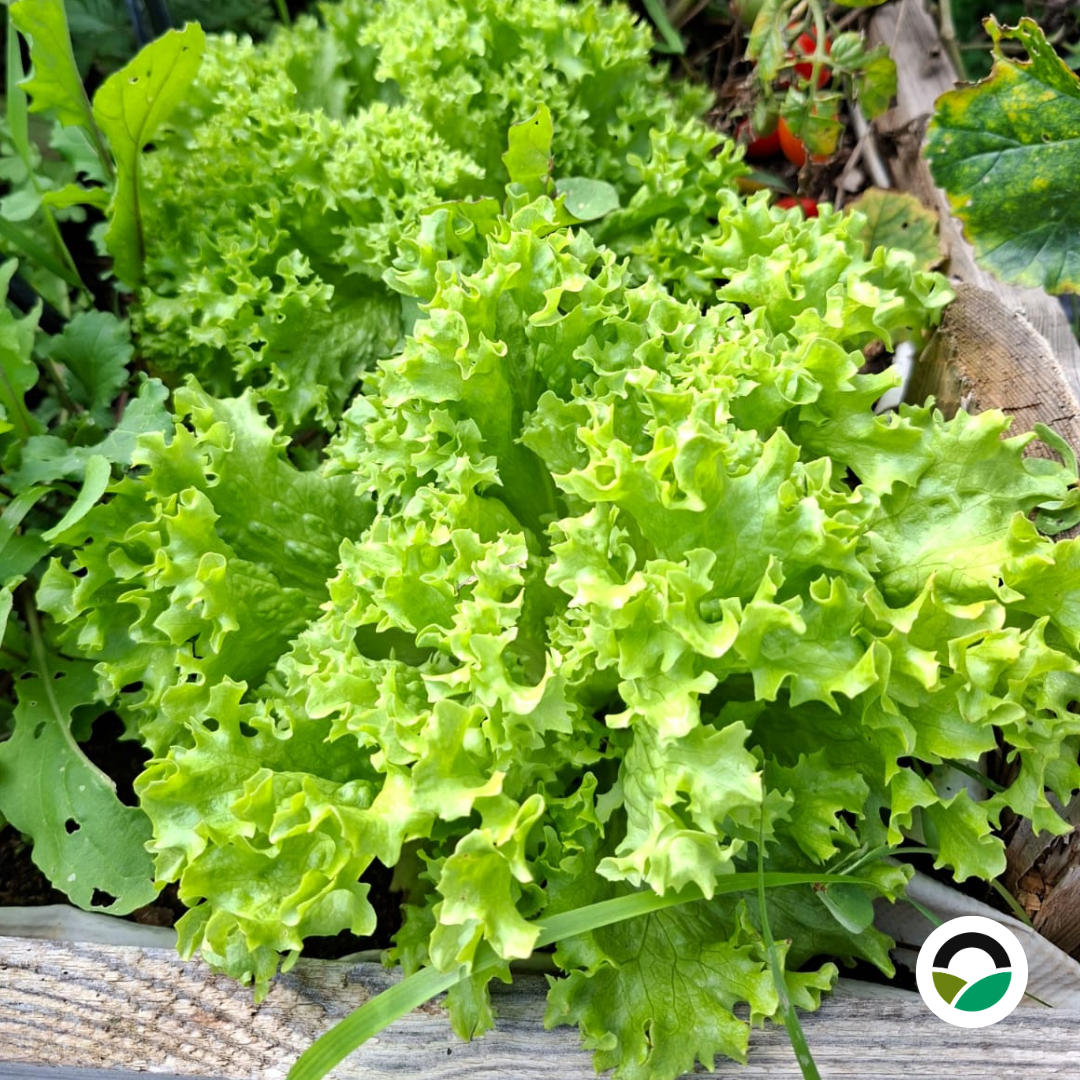
- Lollo bianco is growing in a raised bed. It forms loose, frilled leaves and adapts well to small-scale and mixed planting systems.
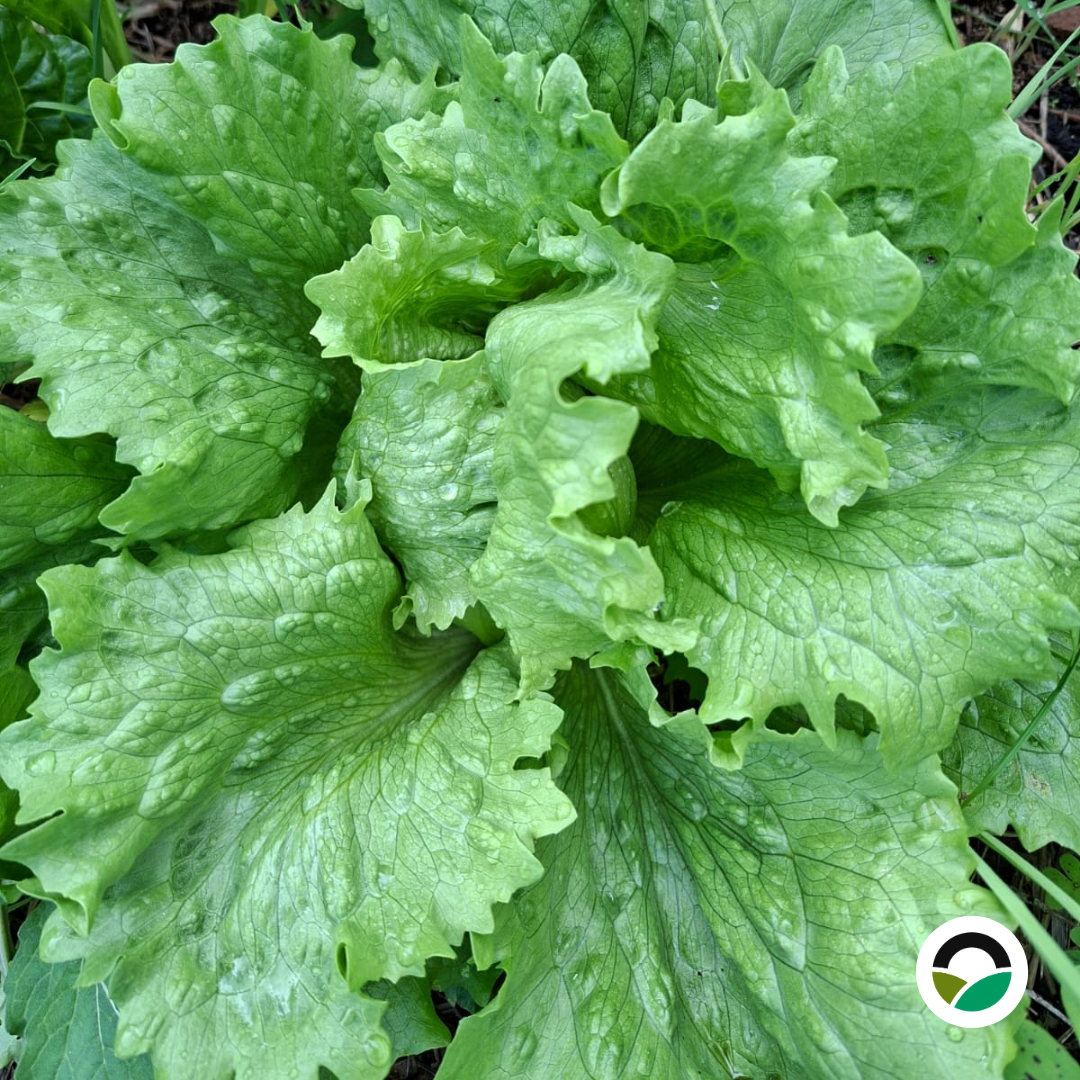
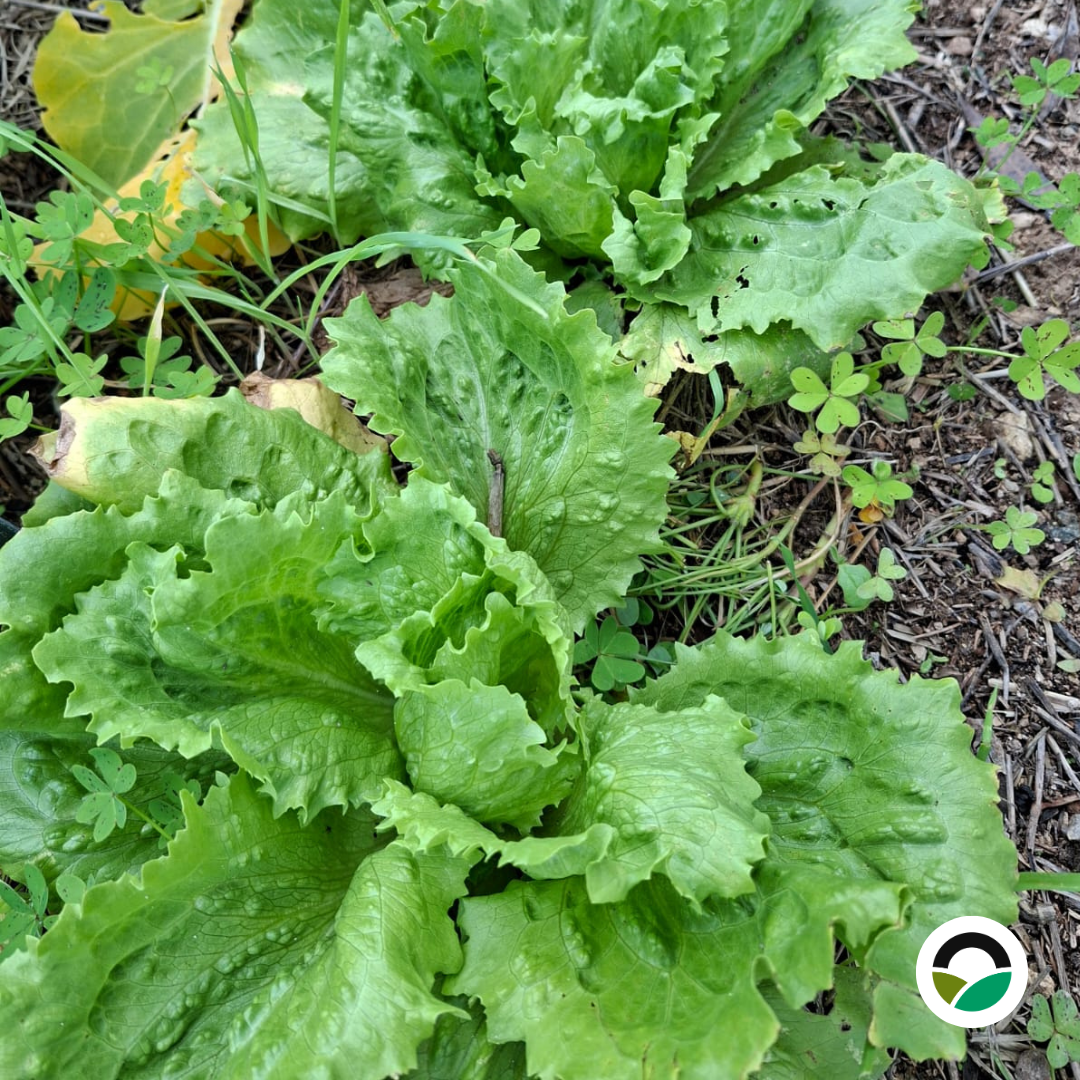
- Iceberg lettuce is growing in the vegetable beds and is now close to harvest. It requires a bit more space and time to form its compact head.
- Romaine lettuce, one of the most common and traditional varieties in Cyprus, grows reliably in open beds and handles winter conditions well.
Growing multiple varieties increases resilience, spreads harvest times, and supports biodiversity in the garden.
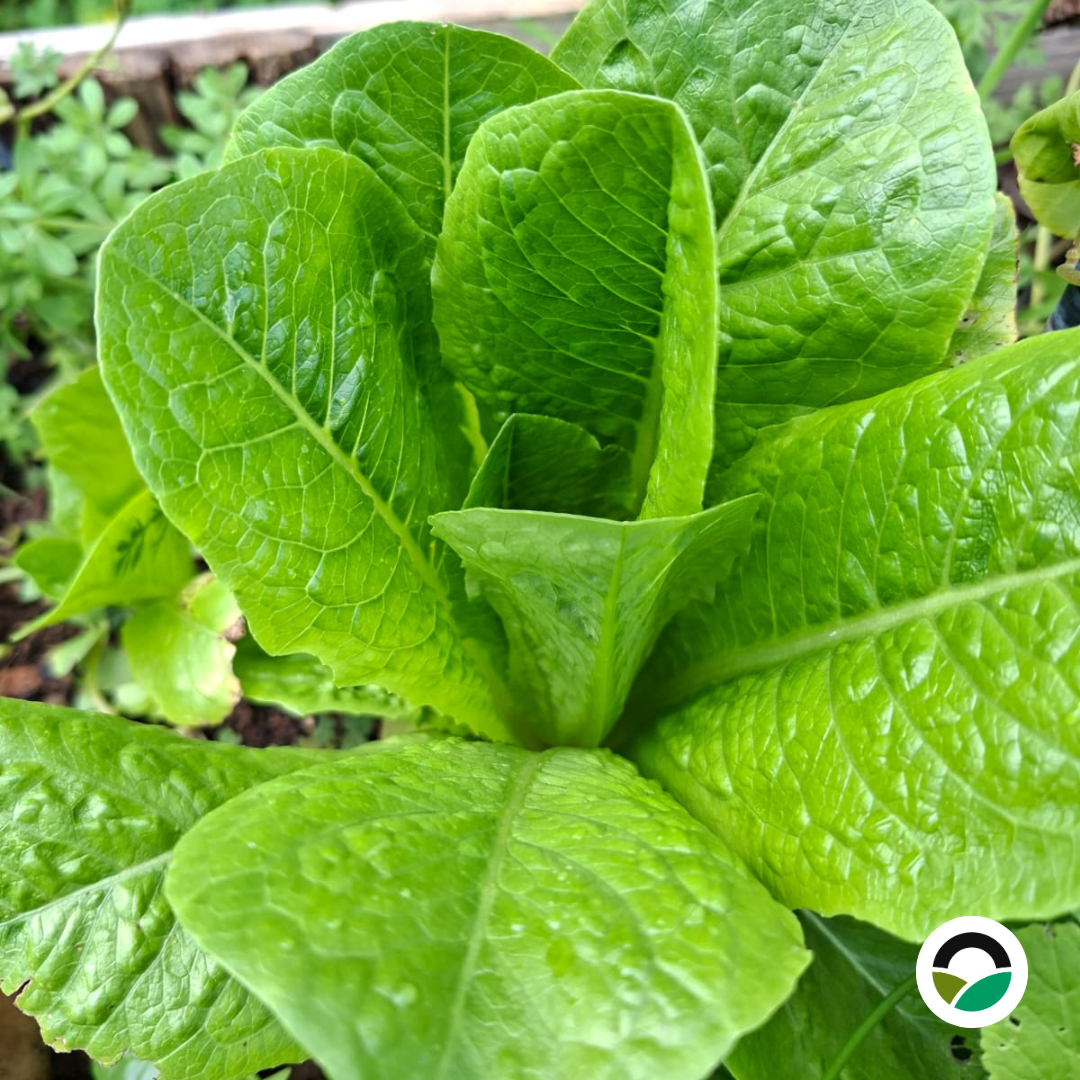
Growing lettuce at Mavronero
Planting
Lettuce is planted in autumn, allowing seedlings to establish before colder winter nights arrive. This timing helps reduce stress and supports steady leaf development.
Soil and spacing
Well-drained, fertile soil is essential. Raised beds provide improved drainage and soil structure, while vegetable beds allow for larger plant spacing, especially for head-forming varieties like iceberg and romaine.
Watering
Winter rainfall often covers most of the lettuce’s water needs. Supplemental watering is only required during extended dry periods, keeping the soil evenly moist but never waterlogged.
Challenges
The main challenges for lettuce in winter are occasional cold snaps, excess moisture, and leaf damage from insects or wildlife. Healthy soil, good airflow, and diverse planting help reduce these issues naturally.
Harvest
Lettuce can be harvested gradually, leaf by leaf, or as whole heads depending on the variety. Harvesting at the right moment is key — before leaves become overly mature or stressed.
Winter-grown lettuce tends to have better texture and milder flavor due to slower growth and cooler temperatures.
Nutritional value of lettuce
Although often underestimated, lettuce provides important nutrients, especially when eaten fresh.
Lettuce is a source of:
- Water and hydration
- Dietary fiber
- Vitamin A
- Vitamin K
- Folate
- Natural antioxidants
Darker and leafier varieties generally contain higher nutritional value than tightly packed head lettuces.
A seasonal crop rooted in balance
At Mavronero, lettuce reflects the value of seasonal growing. By respecting the natural timing of the plant and choosing varieties suited to winter conditions, lettuce becomes a reliable and nourishing crop with minimal intervention.
Different varieties, different beds, and one shared rhythm — growing slowly, supported by soil, climate, and time.
Sources
FAO – Leafy vegetables and seasonal production
University of California – Lettuce production and management
Royal Horticultural Society – Growing lettuce
