
Morphological characteristics
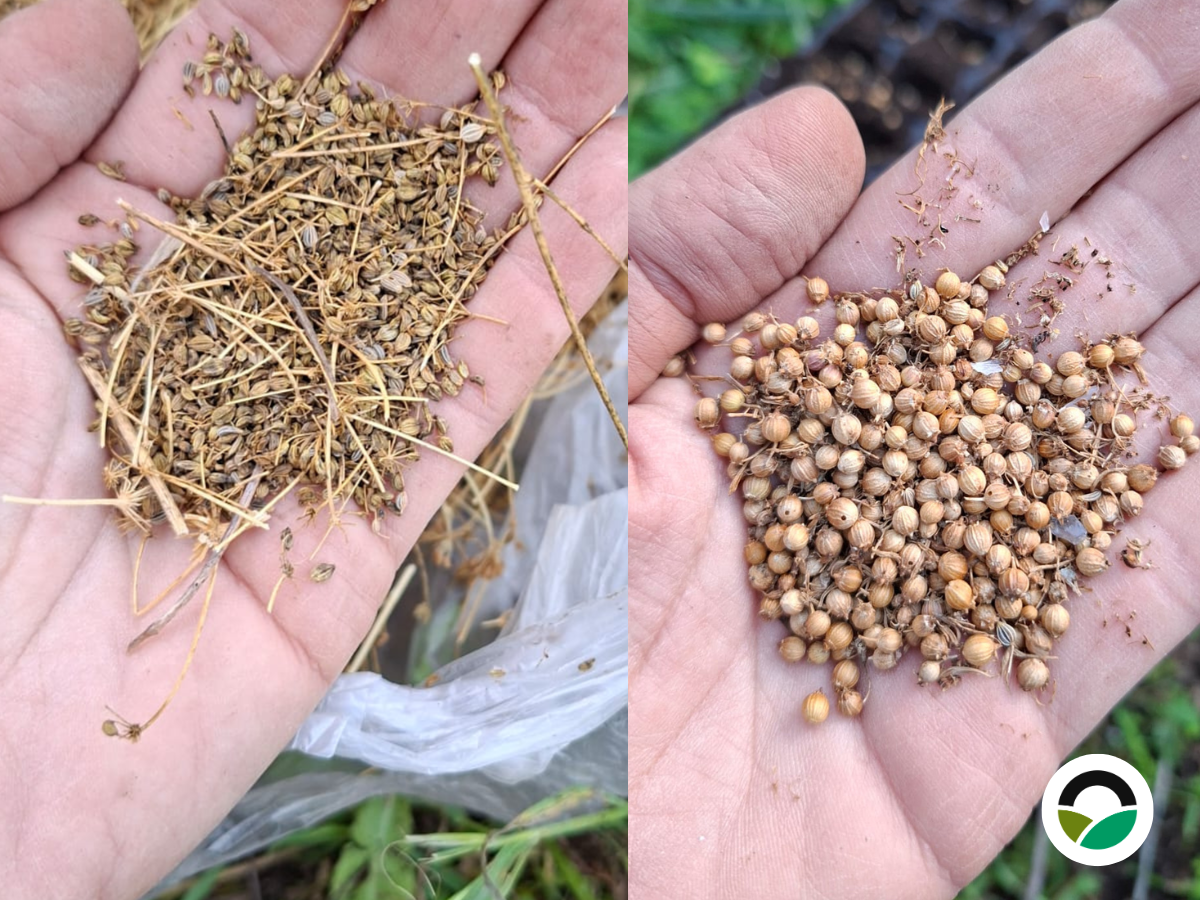
Parsley (Petroselinum crispum) and coriander (Coriandrum sativum) are herbaceous species belonging to the Apiaceae family, characterized by their aromatic properties and distinctive reproductive structures. Both species develop compound leaves and produce inflorescences in the form of umbels, a trait that enhances accessibility for a wide range of pollinators.
Key characteristics include:
- herbaceous growth with relatively rapid vegetative development
- finely divided leaves adapted to efficient light capture
- umbel-type flowering structures supporting pollinator diversity
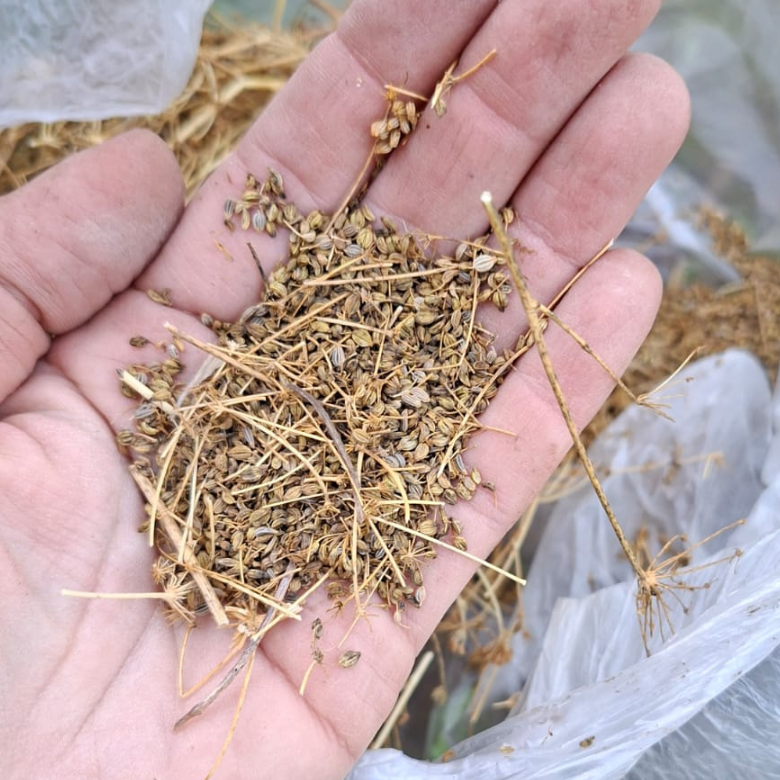
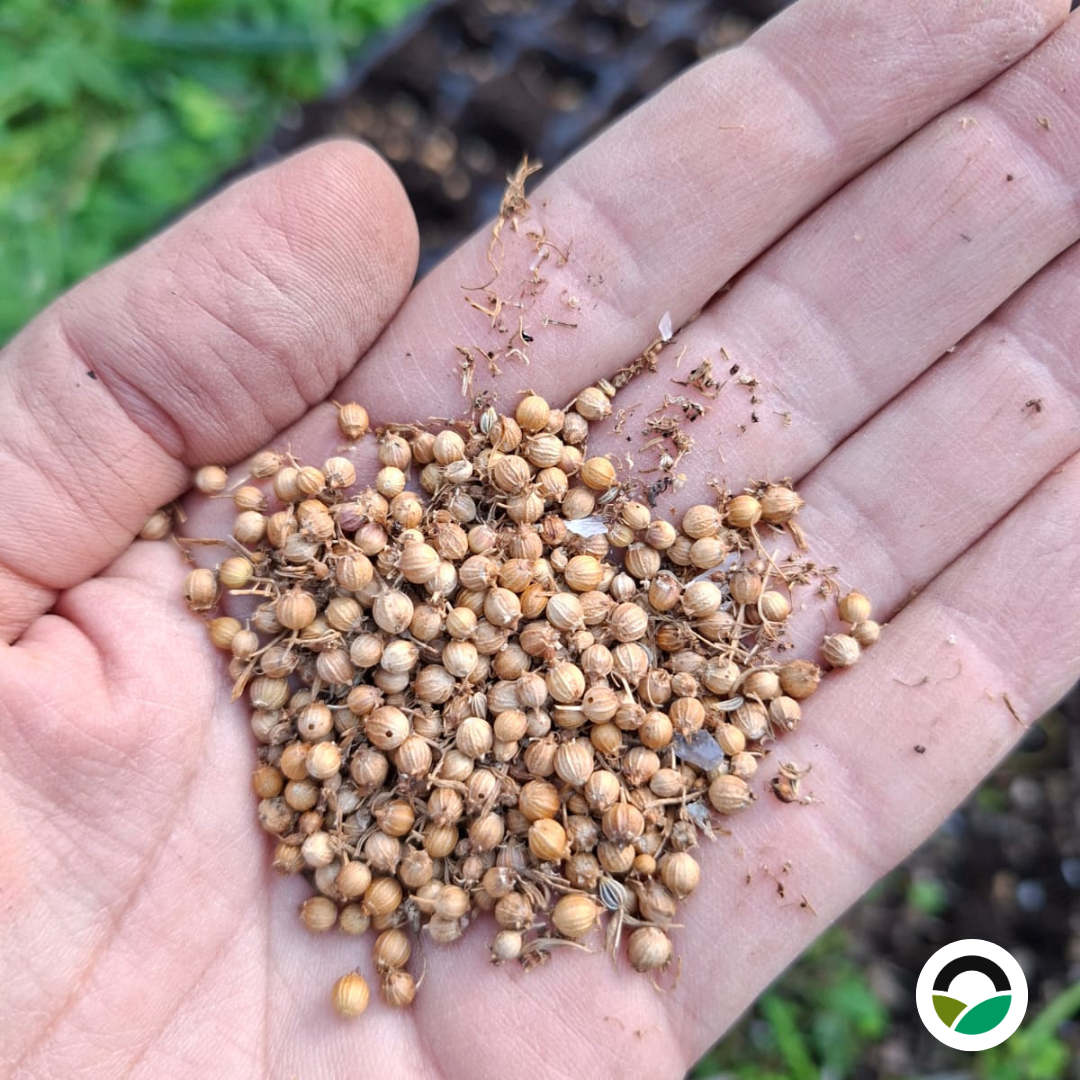
- small ribbed seeds (schizocarps) adapted for dispersal and protection
- production of essential oils with ecological and defensive functions
These morphological features contribute to their adaptability and ecological integration within Mediterranean agroecosystems.
Seed structure and germination dynamics
The seeds of parsley and coriander exhibit distinct germination behaviors influenced by environmental conditions.
Parsley seeds are characterized by:
- physiological dormancy leading to slow and irregular germination
- germination periods ranging from 2 to 4 weeks
- sensitivity to soil moisture and temperature stability
Coriander seeds, in contrast:
- germinate more rapidly under similar conditions
- respond well to moderate temperatures and consistent humidity
- establish quickly during early growth stages
The ribbed outer structure of both seeds facilitates water absorption while protecting the embryo, playing a critical role in successful germination.
Cultivation method at Mavronero
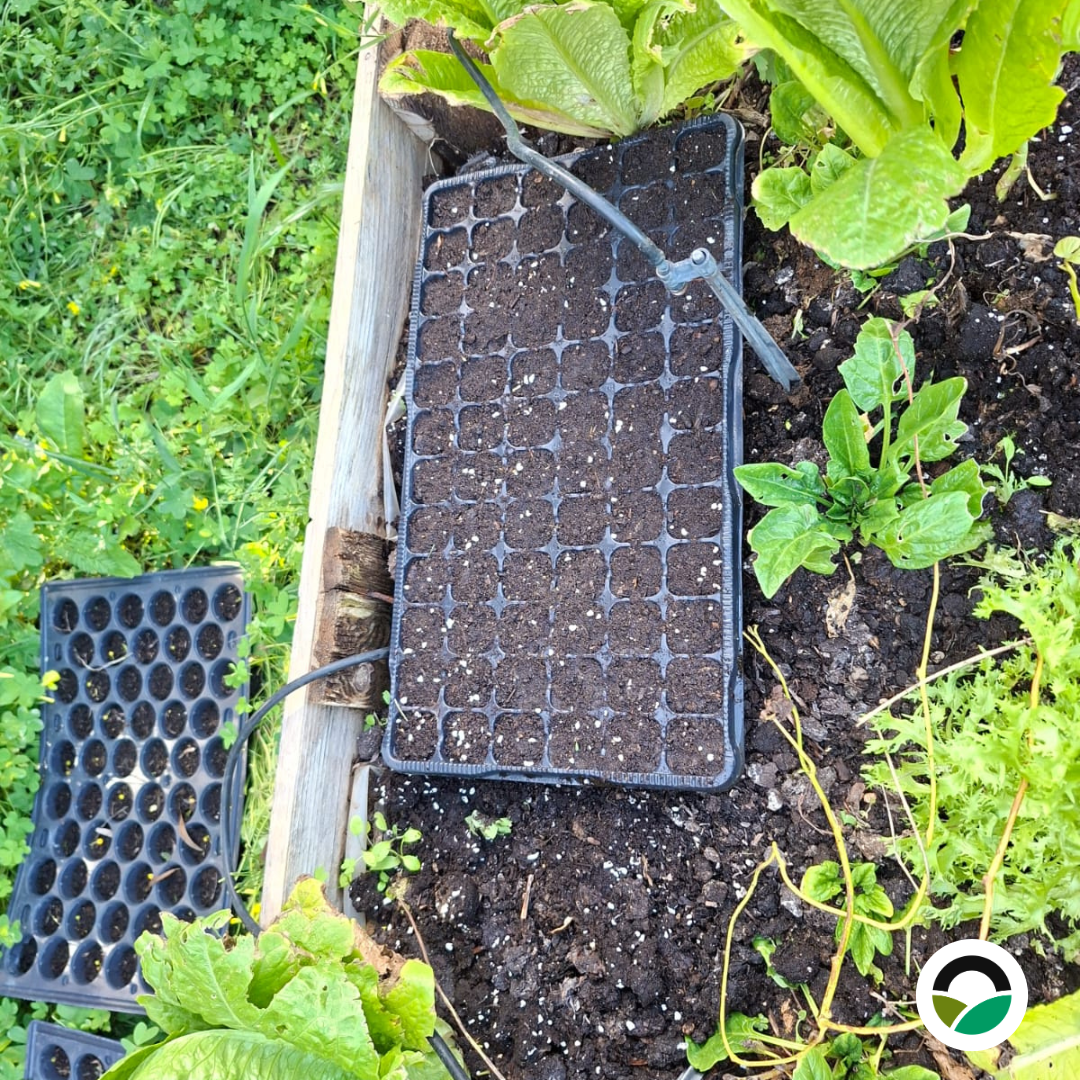
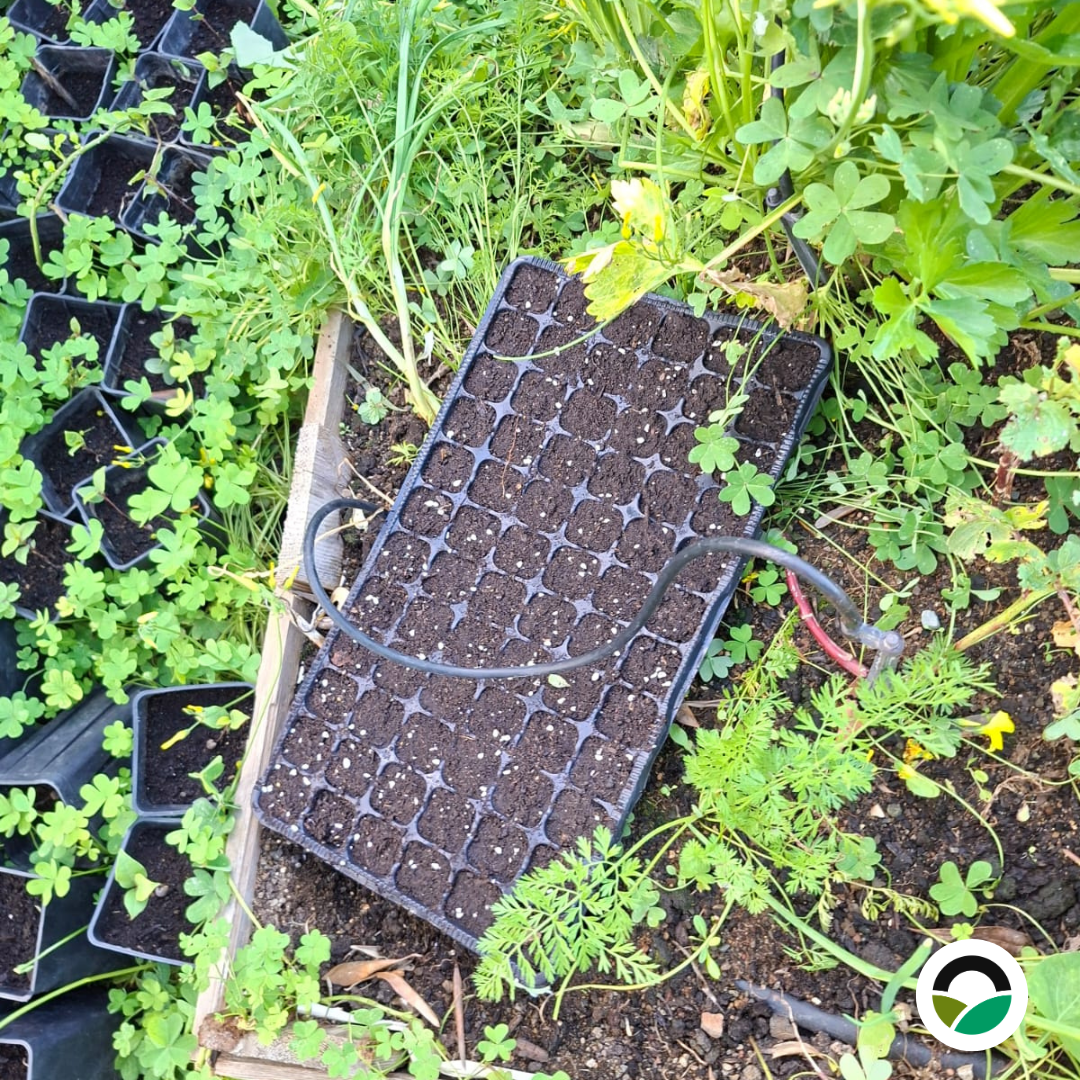
At Mavronero, seeds were harvested directly from existing plants, ensuring local adaptation and continuity within the system. The propagation process followed a low-intervention approach:
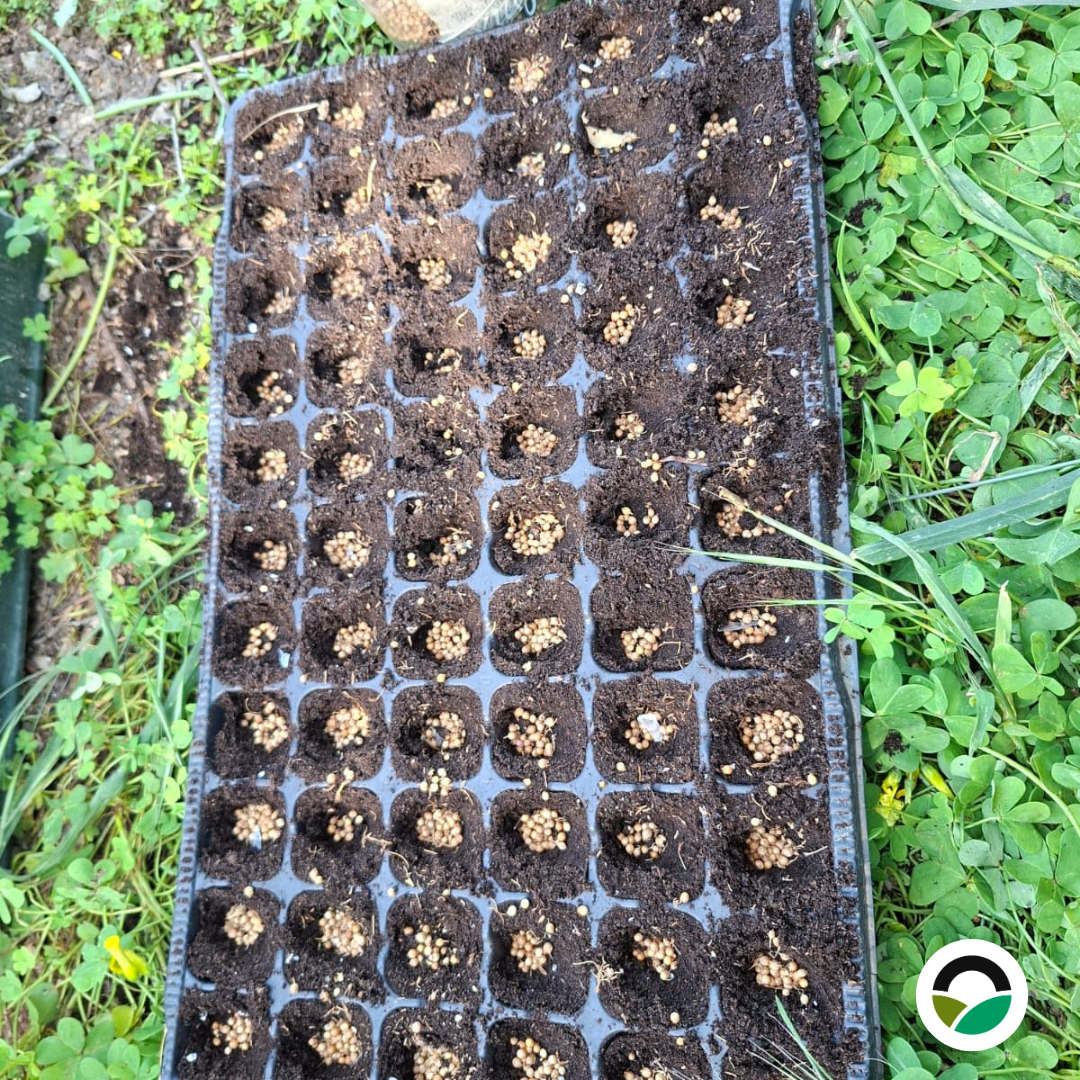
- two nursery trays were used for parsley
- one nursery tray was used for coriander
- seeds were evenly distributed in a fine, well-drained substrate
- trays were placed on raised beds
- irrigation was provided through a sprinkler system
This method allows for efficient use of space while maintaining optimal moisture conditions for germination.
Habitat and environmental conditions
Both species are well adapted to Mediterranean climates and can germinate outdoors under suitable seasonal conditions.
Their successful establishment is associated with:
- moderate temperatures typical of spring
- stable soil moisture levels
- well-drained substrates
- partial to full sun exposure
The use of raised beds enhances drainage and temperature regulation, creating favorable microhabitats for early plant development.
Ecological role
Parsley and coriander contribute significantly to local biodiversity and ecosystem functioning beyond their culinary value.
Their ecological functions include:
- providing nectar and pollen resources for pollinators
- supporting beneficial insect populations
- increasing plant diversity within cultivated systems
- contributing to ecological resilience in agroecosystems
The open structure of their flowers makes them particularly accessible to small pollinators, enhancing their ecological importance.
Observations at Mavronero
Field observations indicate a well-integrated propagation process within an active cultivation system.
Notable observations include:
- successful use of locally harvested seeds
- efficient use of limited nursery space
- increasing demand for propagation capacity
- integration of nursery trays within productive raised beds
The current saturation of nursery space suggests an expansion phase in cultivation activities.
Integration within the ecosystem
The placement of nursery trays directly within cultivated areas reflects a strategy that balances productivity and ecological integration.
This approach allows:
- stabilization of microclimatic conditions
- optimization of irrigation efficiency
- interaction with surrounding vegetation
- reduction of external inputs
Such integration supports a resilient system where cultivation practices align with natural processes.
Conclusion
The propagation of parsley (Petroselinum crispum) and coriander (Coriandrum sativum) from locally harvested seeds illustrates a sustainable and adaptive approach to cultivation at Mavronero.
By combining outdoor germination, efficient space use, and simple irrigation systems, this method enhances productivity while maintaining ecological balance. The use of locally adapted seeds strengthens system resilience and reduces dependency on external resources.
As cultivation expands, the need for additional nursery capacity reflects both the success of current practices and the potential for further development within the landscape.
