
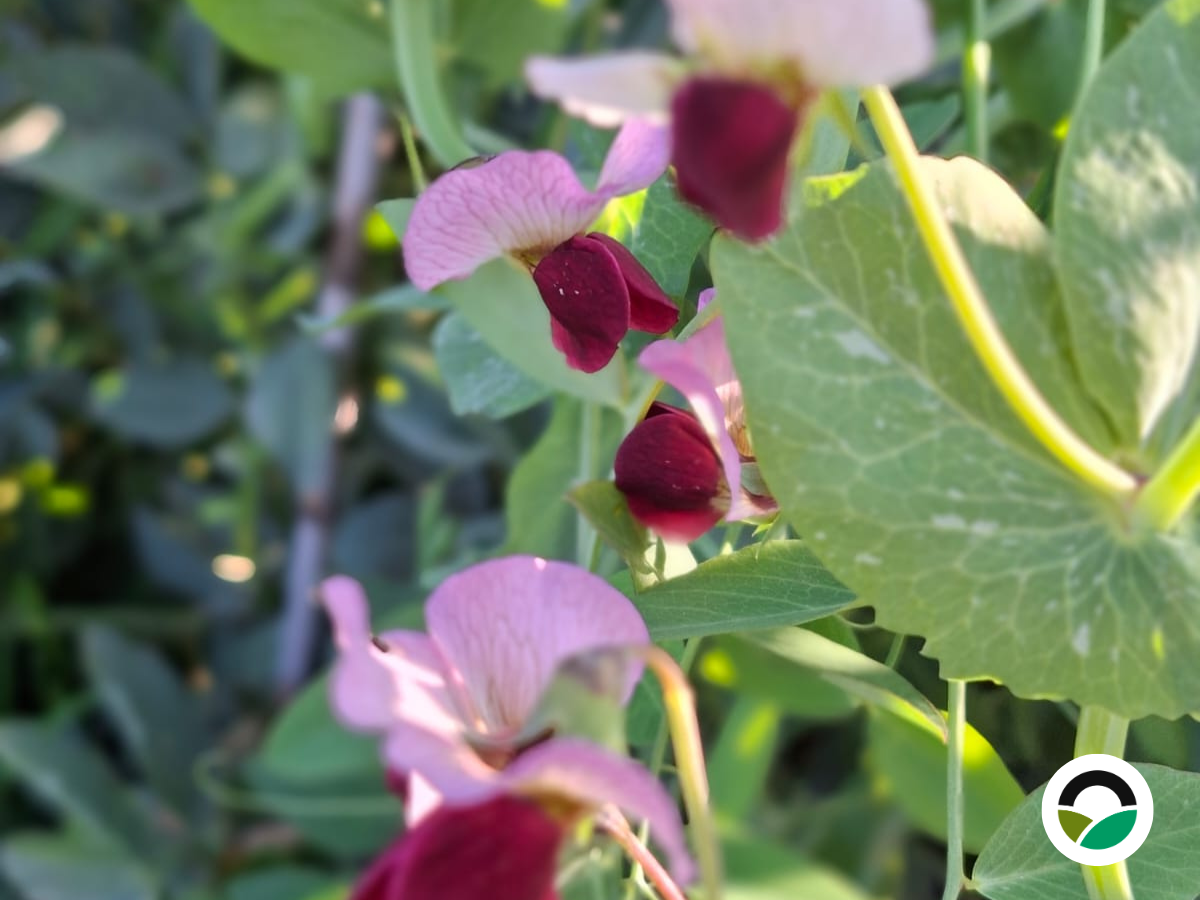
Luvana flowers can frequently be observed developing throughout cultivated and semi-natural Mediterranean environments during the spring flowering season. At Mavronero, these flowering plants form part of broader seasonal vegetation systems growing naturally between olive groves, herbaceous agricultural areas, and low-intervention Mediterranean landscapes.
These flowering legumes contribute to the seasonal biodiversity dynamics of cultivated environments while supporting ecological continuity between agricultural land and surrounding natural vegetation systems. Their flowering period coincides with increased pollinator activity, active plant growth, and broader seasonal environmental transitions across Mediterranean ecosystems.
Luvana within Mediterranean agricultural landscapes
Luvana plants develop within warm Mediterranean environments influenced by seasonal rainfall, sunlight exposure, soil conditions, and relatively mild spring temperatures. Across cultivated landscapes, they are commonly found growing among:
- olive groves
- herbaceous vegetation systems
- agricultural field edges
- semi-natural grasslands
- low-intervention cultivated areas
- seasonal flowering environments
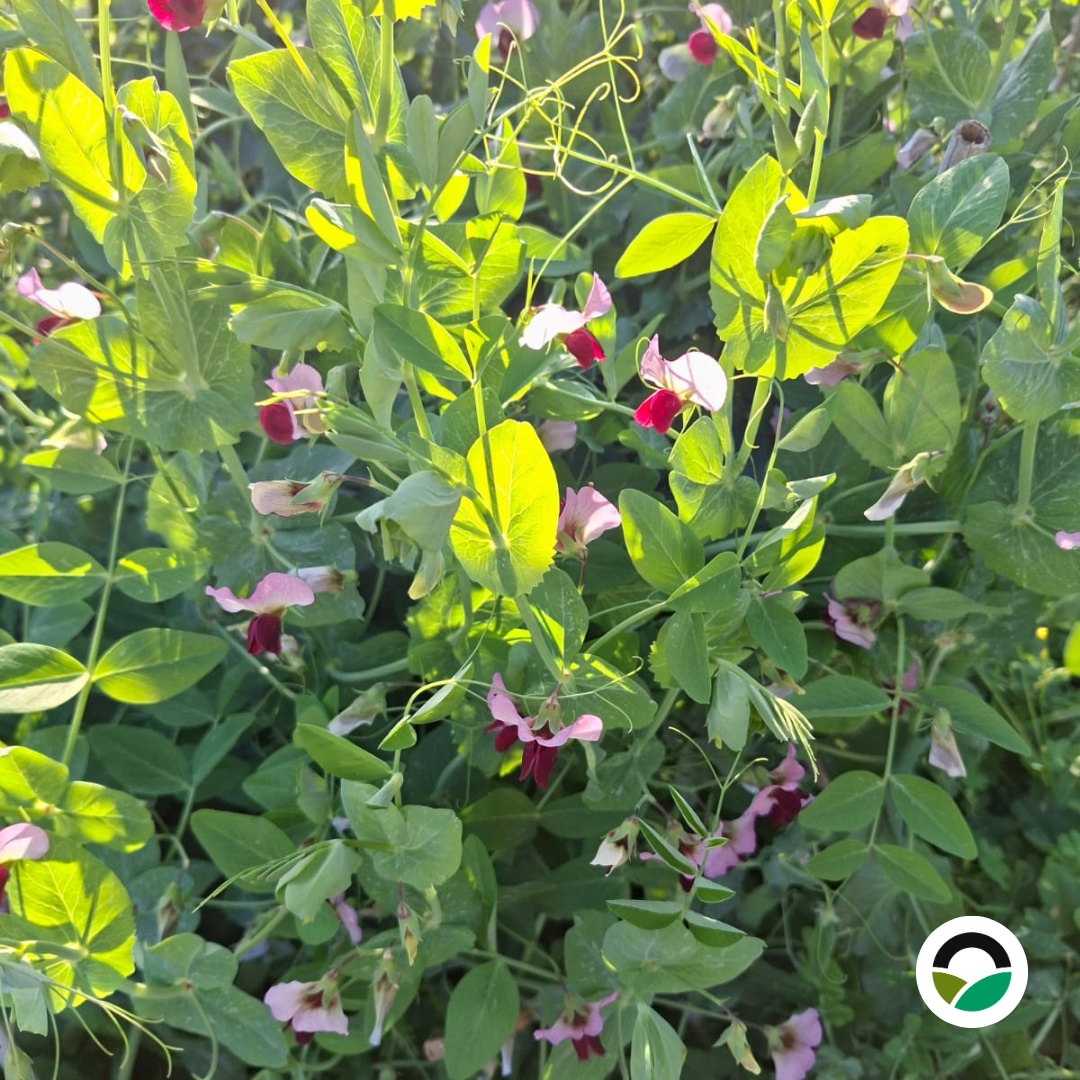
Their climbing stems, delicate flowers, and dense foliage contribute to the structural diversity of seasonal vegetation developing across Mediterranean agricultural landscapes.
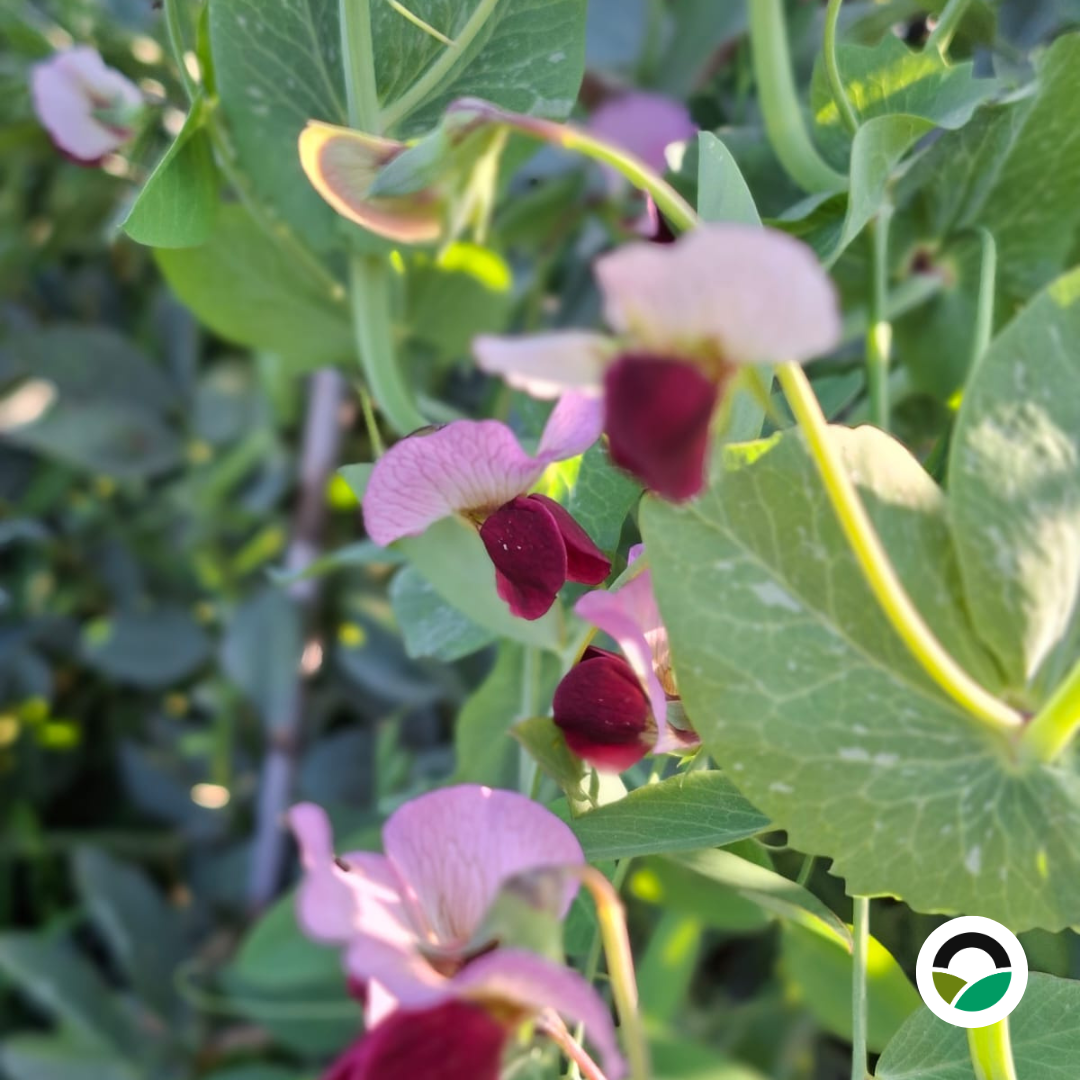
The flowering structures display soft pink outer petals combined with darker red-purple central coloration, creating visually distinctive flowering clusters during seasonal growth periods.
Ecological relationships and biodiversity continuity
Flowering legumes such as luvana contribute to broader ecological interactions involving seasonal flowering vegetation, insects, pollinator activity, and biodiversity continuity within cultivated environments.
At Mavronero, environmental observations continue documenting how seasonal flowering plants coexist with olive cultivation and surrounding herbaceous ecosystems. These interactions contribute to ecological complexity involving:
- pollinator movement
- flowering vegetation dynamics
- seasonal insect activity
- habitat continuity
- soil biodiversity
- agricultural ecosystem resilience
Mediterranean agricultural environments support highly interconnected ecological systems where cultivated areas and naturally developing vegetation coexist through seasonal cycles.
Seasonal flowering activity at Mavronero
The flowering activity observed at Mavronero reflects the ongoing environmental dynamics developing across Mediterranean olive landscapes during spring.
Low-intervention land management practices allow seasonal flowering plants to develop naturally between cultivated areas, supporting biodiversity continuity and maintaining ecological relationships between vegetation systems, insects, soil conditions, and surrounding habitats.
Environmental observations at Mavronero continue recording:
- native flowering plants
- seasonal vegetation development
- pollinator activity
- herbaceous landscape systems
- biodiversity continuity within cultivated environments
- ecological adaptation within Mediterranean climates
Conclusion
The presence of luvana flowers at Mavronero forms part of the broader seasonal biodiversity developing throughout Mediterranean agricultural ecosystems.
These flowering plants contribute to ecological continuity, seasonal vegetation diversity, and habitat complexity within cultivated olive landscapes while reflecting the interconnected relationships between agriculture and Mediterranean environmental systems.
