
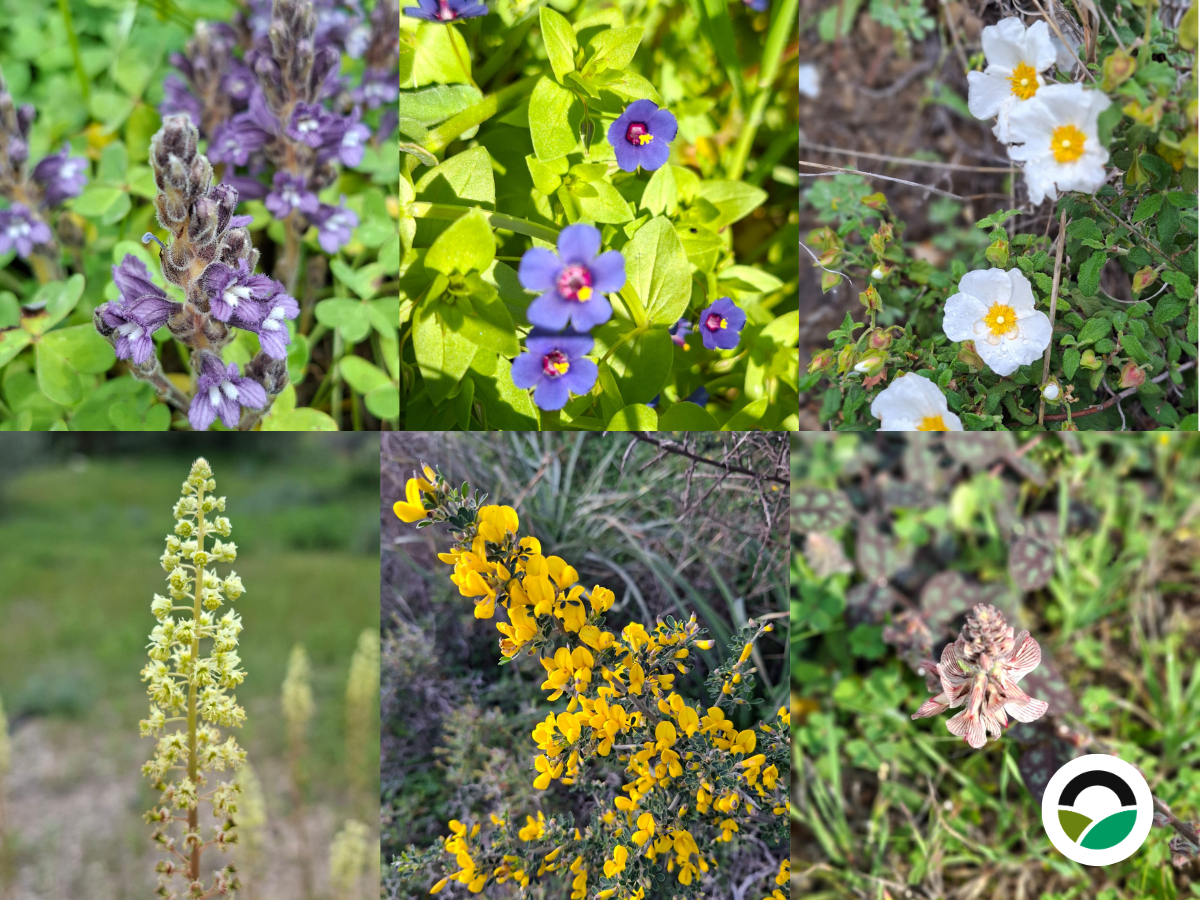
Observations from the spontaneous flora of Mavronero
Agricultural landscapes are often associated with cultivated crops, but many of the plants that grow naturally around fields, paths, terraces, and uncultivated areas also play an important ecological role.
At Mavronero, seasonal observations regularly record a wide variety of wild plant species that contribute to biodiversity, support pollinators, provide habitat for insects, and help maintain ecological balance throughout the farm.
The value of spontaneous vegetation
Wild plants are sometimes overlooked because they are not intentionally cultivated. However, these species perform important ecological functions within Mediterranean agricultural systems.
Benefits include:
- providing nectar and pollen for pollinators
- supporting beneficial insects
- increasing plant diversity
- protecting exposed soil
- contributing to ecosystem resilience
- creating habitat for wildlife
The presence of diverse wild flora often reflects the ecological richness of a landscape.
Wild species observed at Mavronero
Several wild flowering plants have been recorded across the farm during the growing season, including:
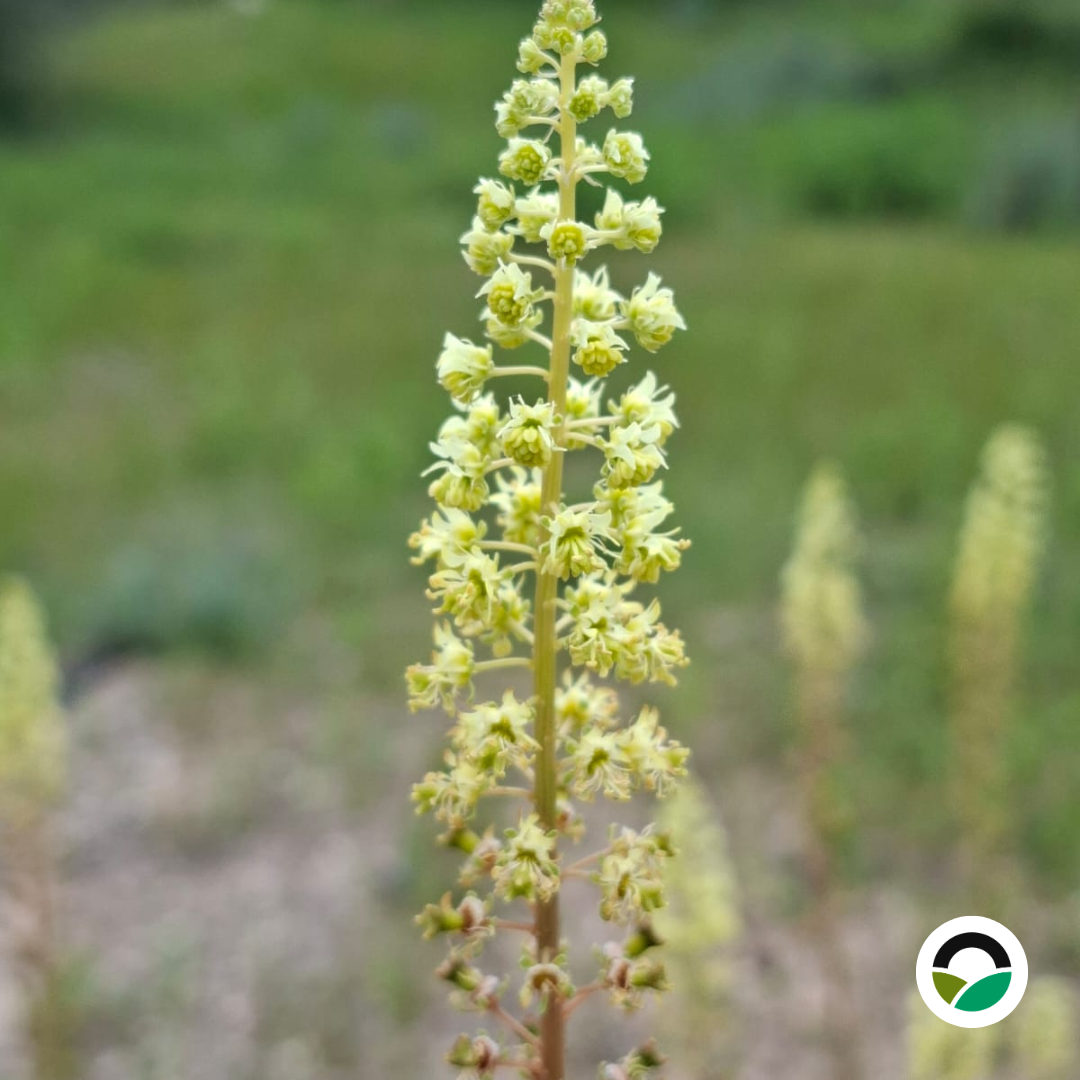
Wild Mignonette
Wild mignonette produces small flowers that attract a variety of insects and contribute to local biodiversity.
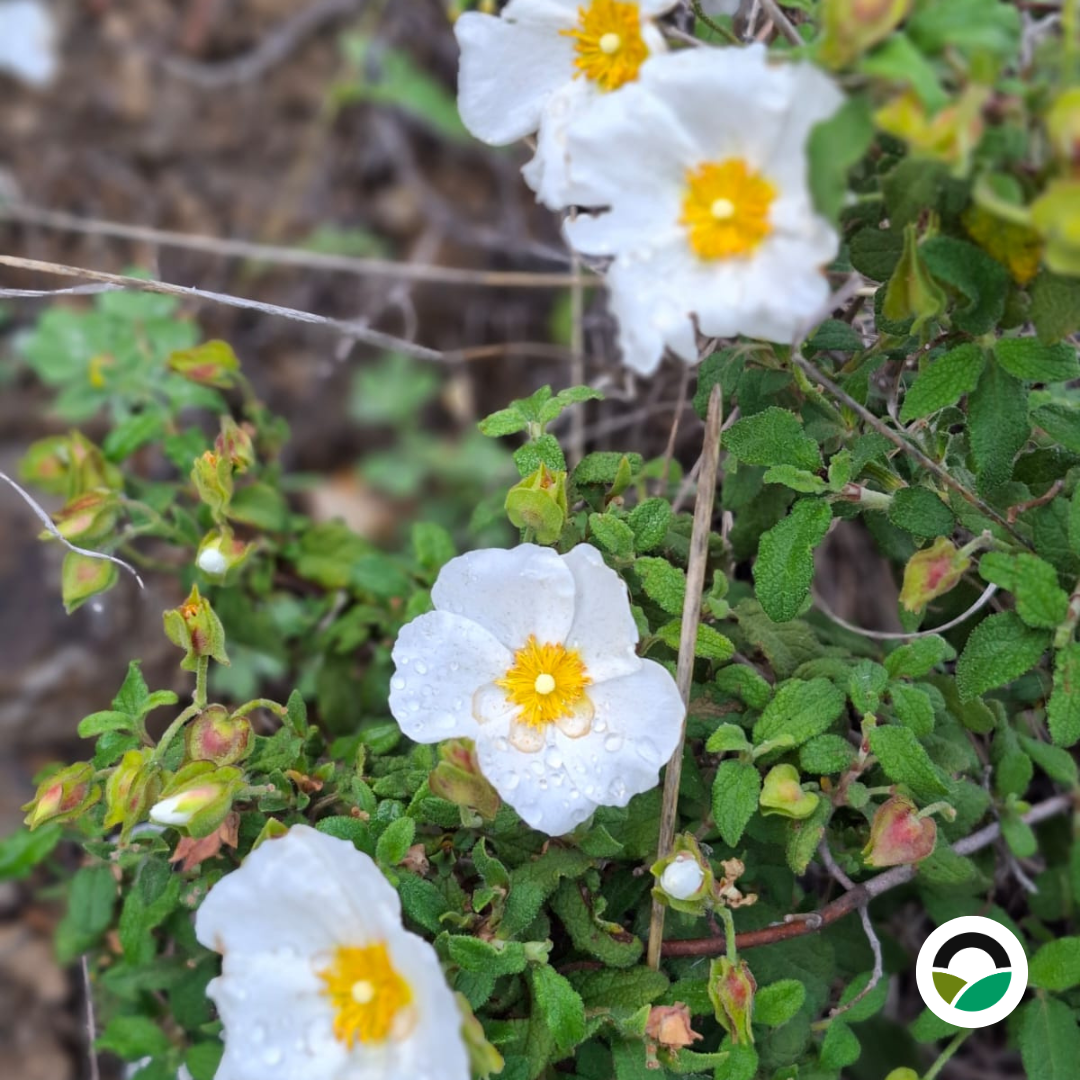
Sage-leaved Rockrose (Cistus salviifolius)
One of the characteristic shrubs of Mediterranean habitats, valued for its resilience in dry conditions and its importance for pollinating insects.
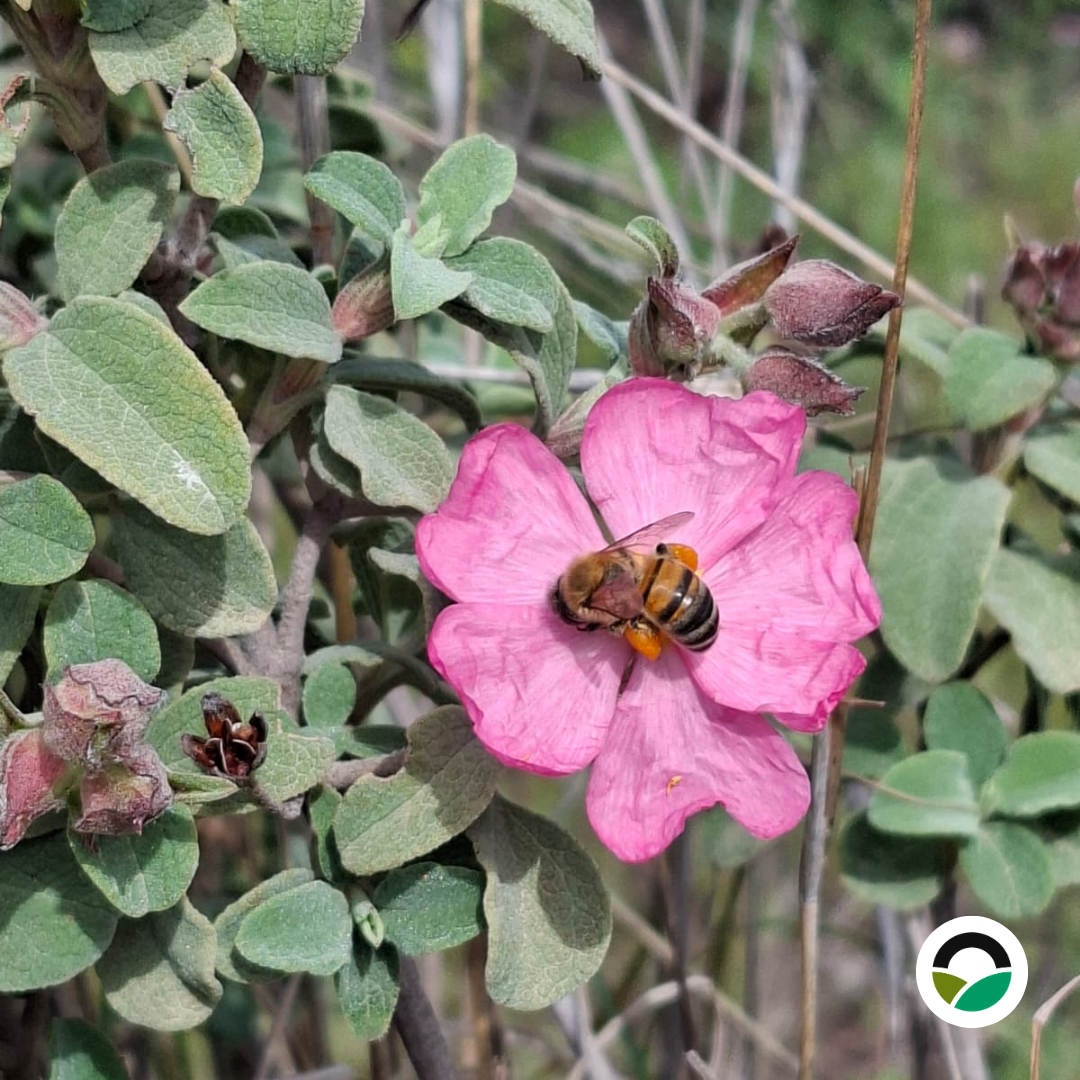
Cretan Rockrose (Cistus creticus)
A widespread Mediterranean species known for its distinctive pink flowers and ability to thrive in nutrient-poor soils.
Blue Pimpernel (Anagallis arvensis)
A small flowering plant commonly found in cultivated and semi-natural environments.
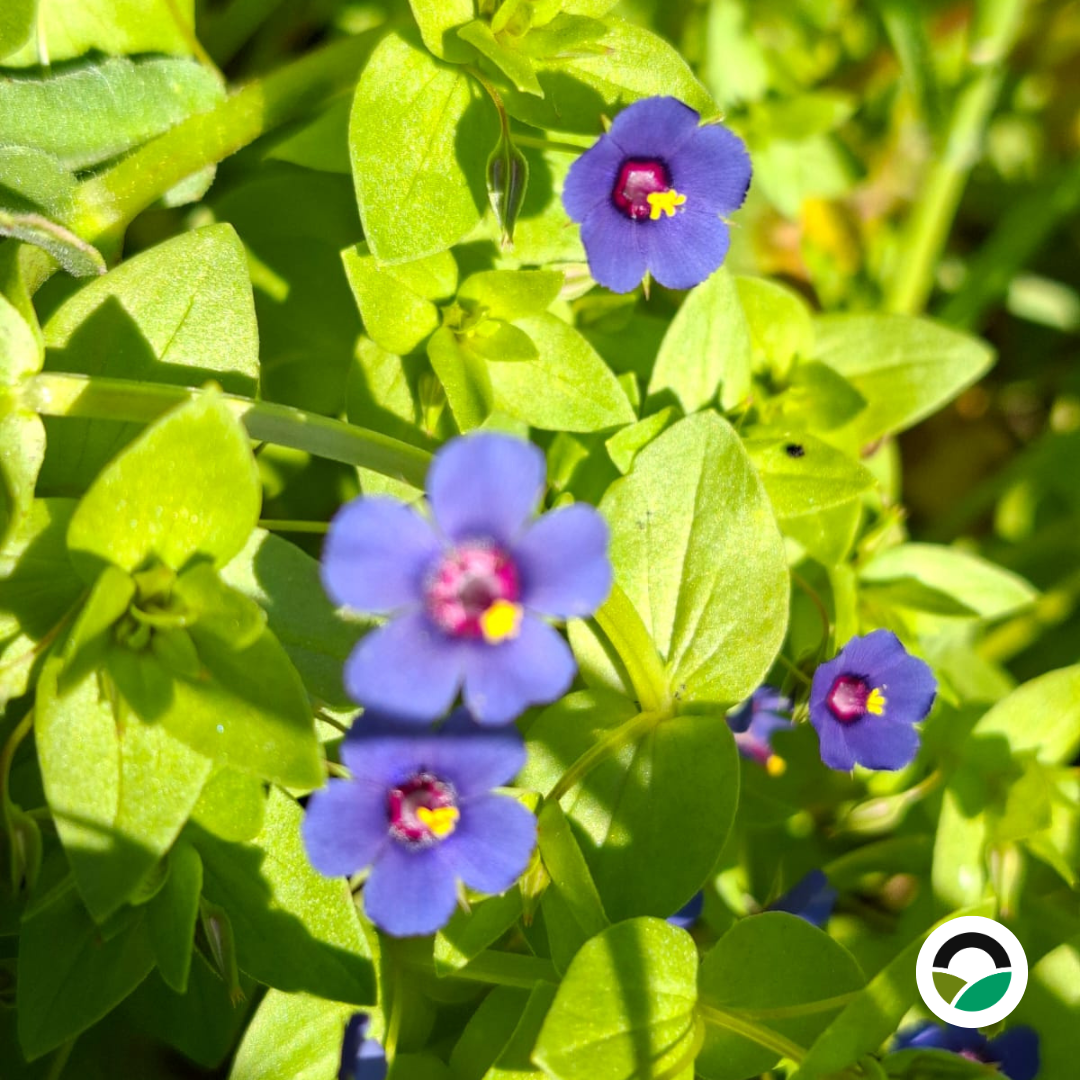
Prickly Broom
This shrub provides shelter for insects and contributes structural diversity to Mediterranean vegetation.
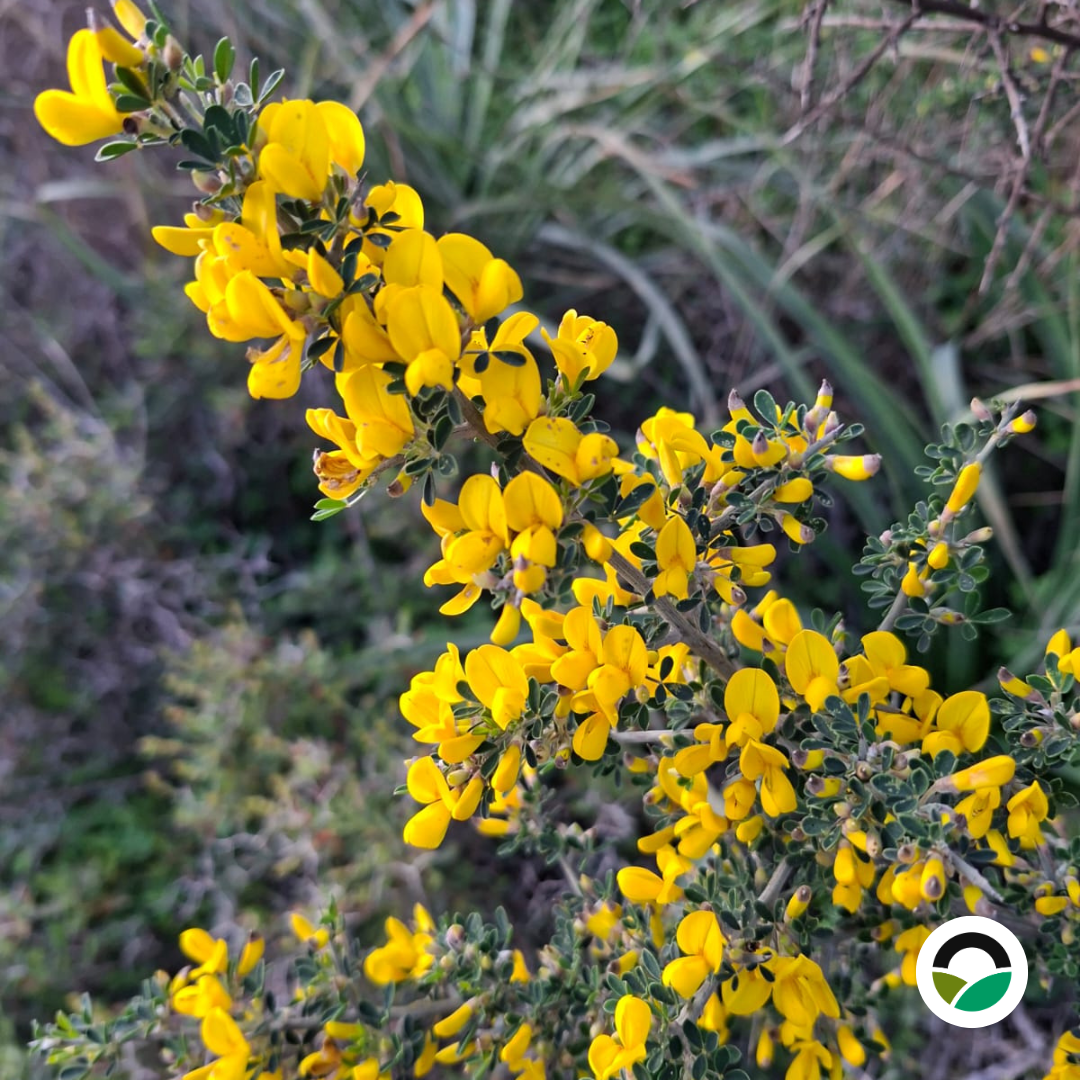
Endemic Sainfoin (Onobrychis sp.)
Species of Onobrychis are important nectar sources and contribute to regional botanical diversity.
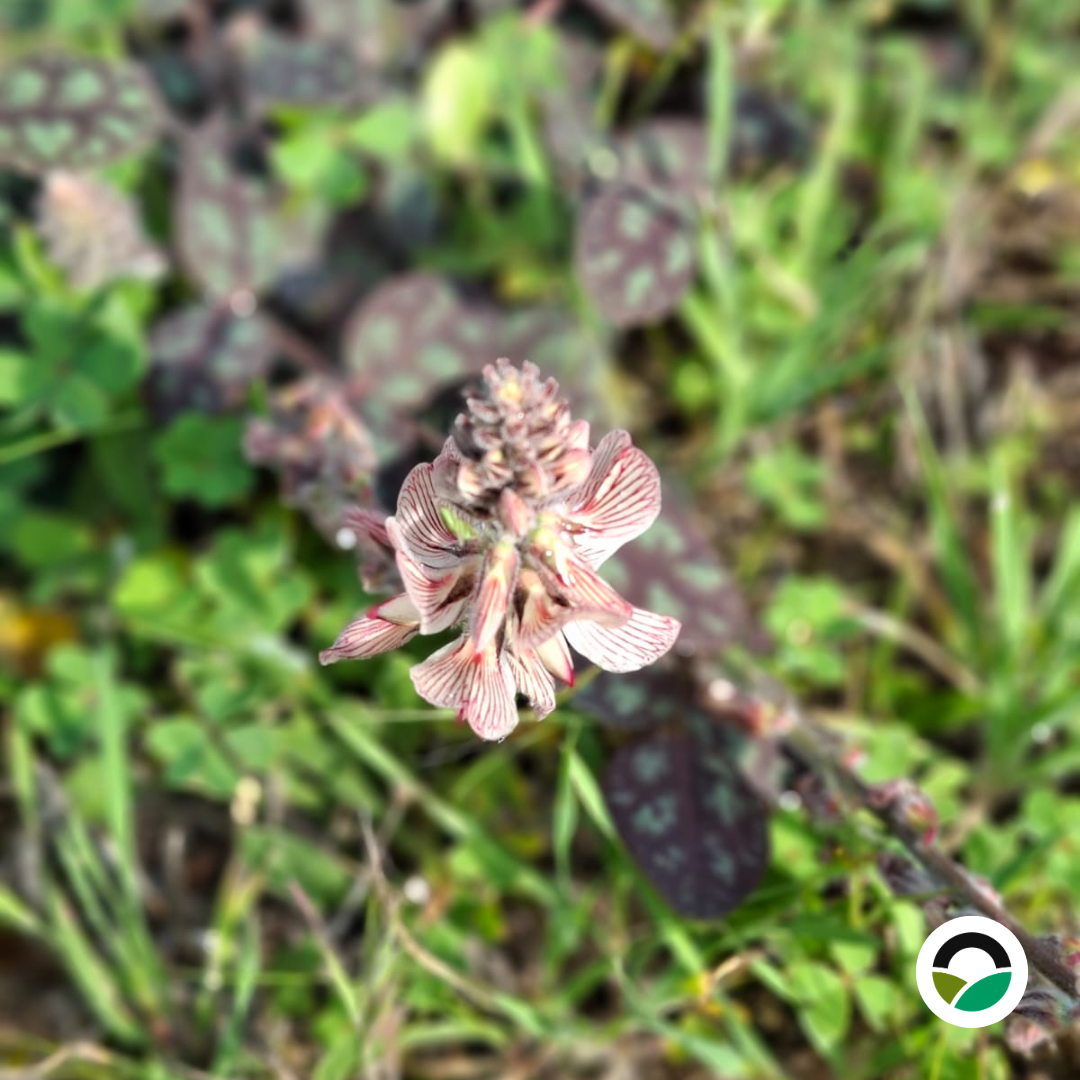
Broomrape
A specialised parasitic plant that demonstrates the complexity of ecological relationships within natural plant communities.
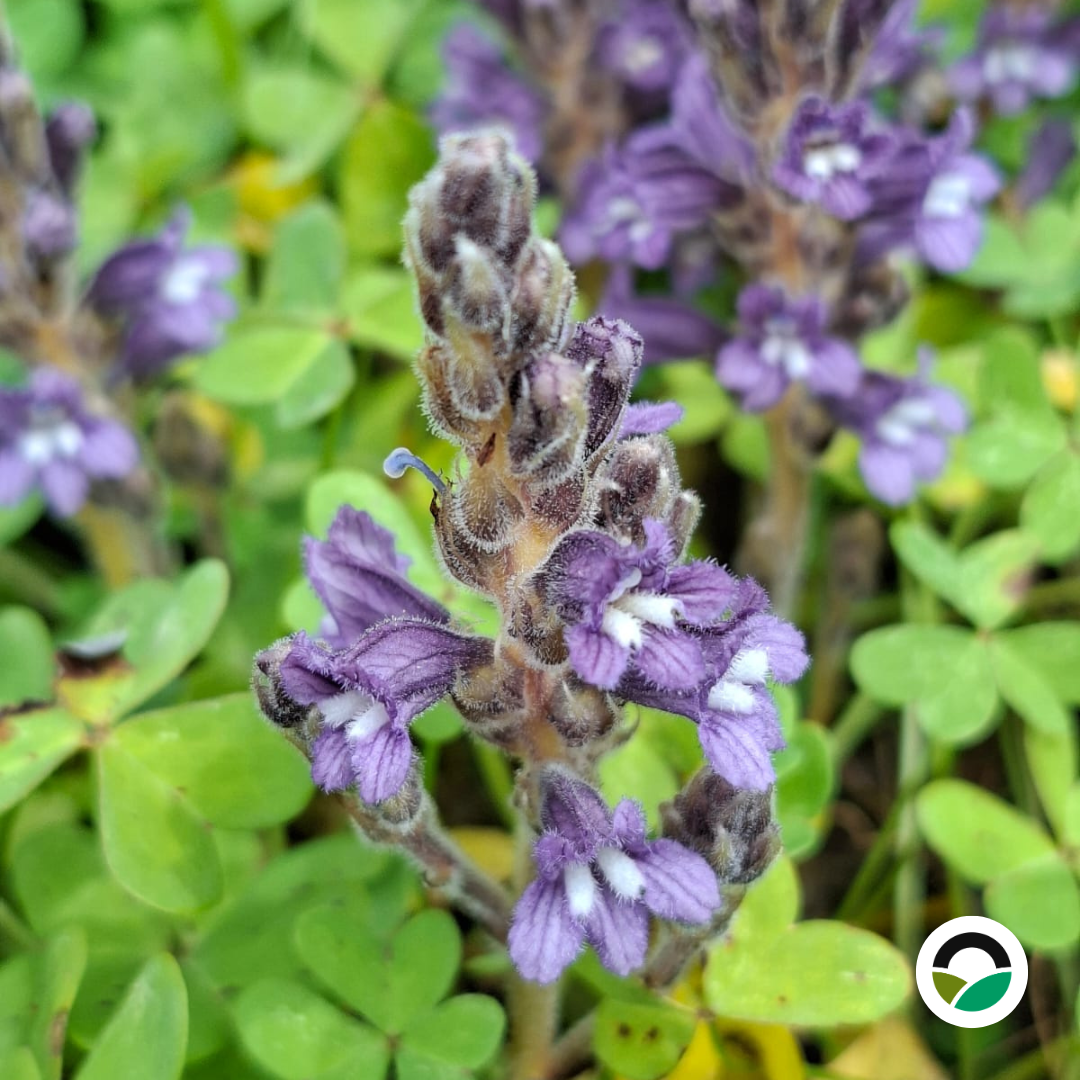
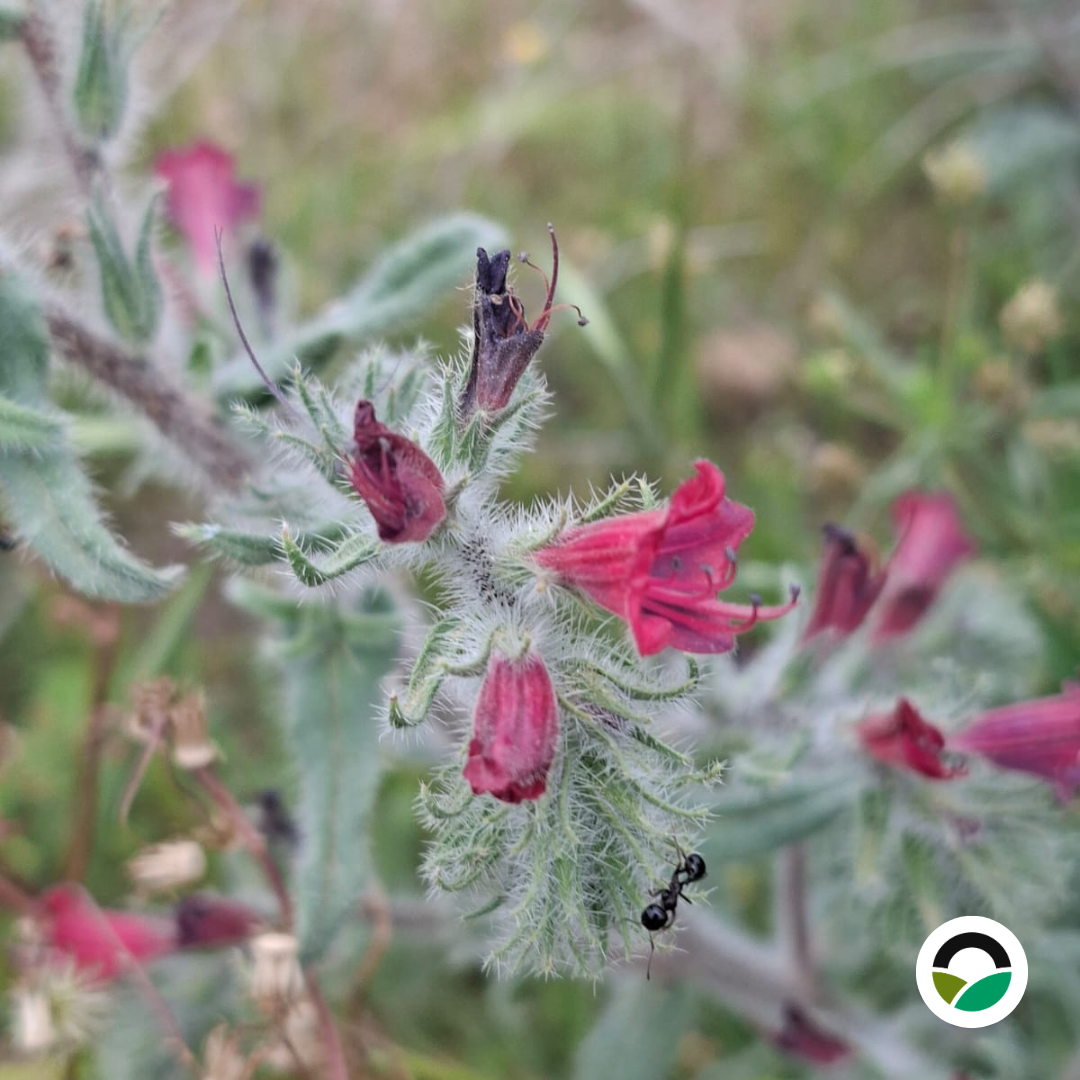
Purple Viper’s Bugloss
An attractive flowering species frequently visited by bees and other pollinators.
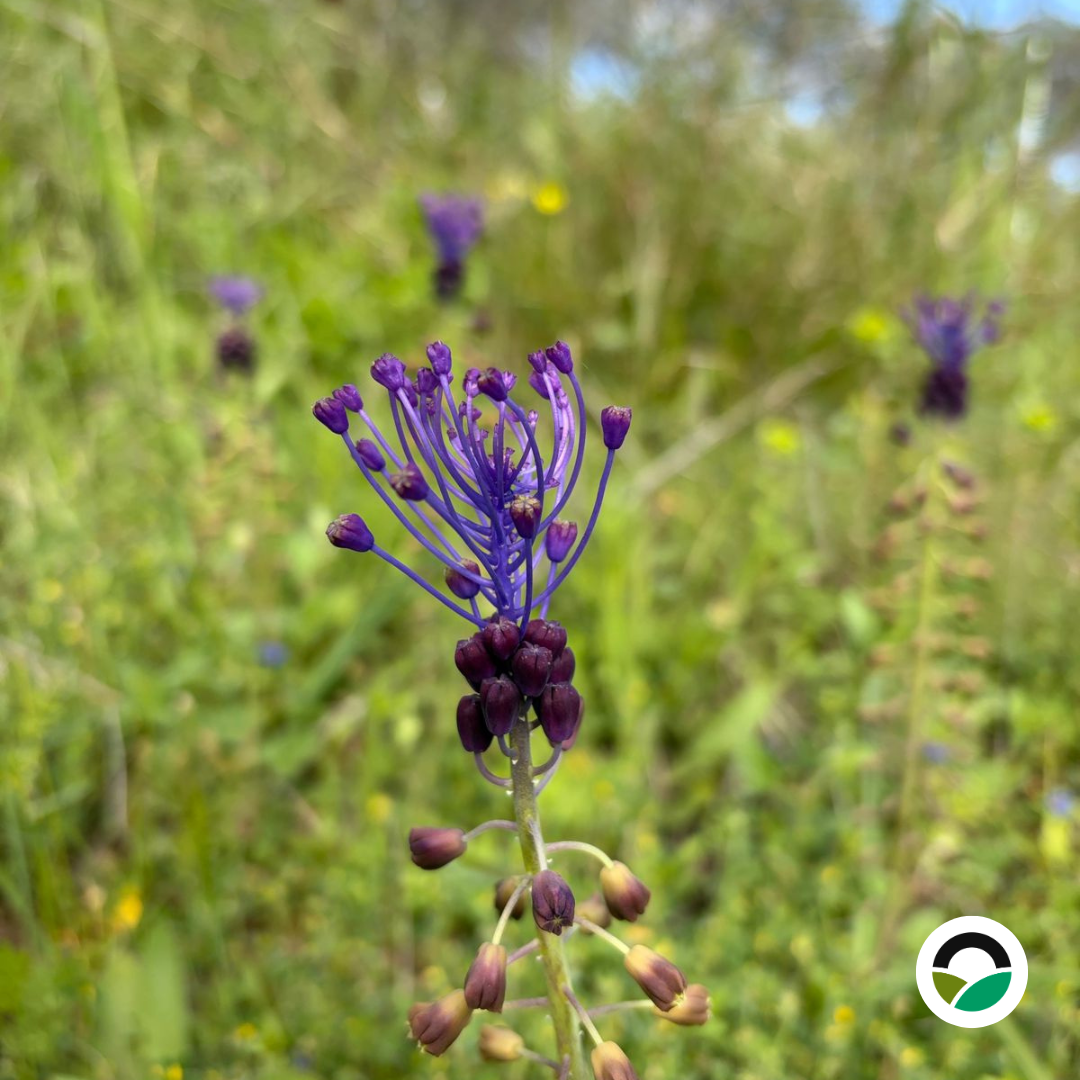
Wild Hyacinth
A seasonal flowering plant that adds diversity to Mediterranean grasslands and open habitats.
Supporting biodiversity beyond crops
The ecological value of agricultural landscapes extends beyond cultivated plants. Wild species provide resources that support pollinators, birds, reptiles, soil organisms, and countless invertebrates.
Maintaining areas where spontaneous vegetation can develop helps preserve many of the ecological processes that contribute to healthy and resilient farming systems.
Conclusion
The wild plants observed at Mavronero are more than background vegetation. Together they form part of a diverse ecological network that supports biodiversity across the farm.
By documenting these species, Mavronero continues to record the natural heritage that exists alongside agricultural production and contributes to the ecological richness of Mediterranean landscapes.
