
Sustainability is often associated with large environmental projects, renewable energy systems, or landscape restoration. Yet many sustainable practices begin with simple everyday decisions.
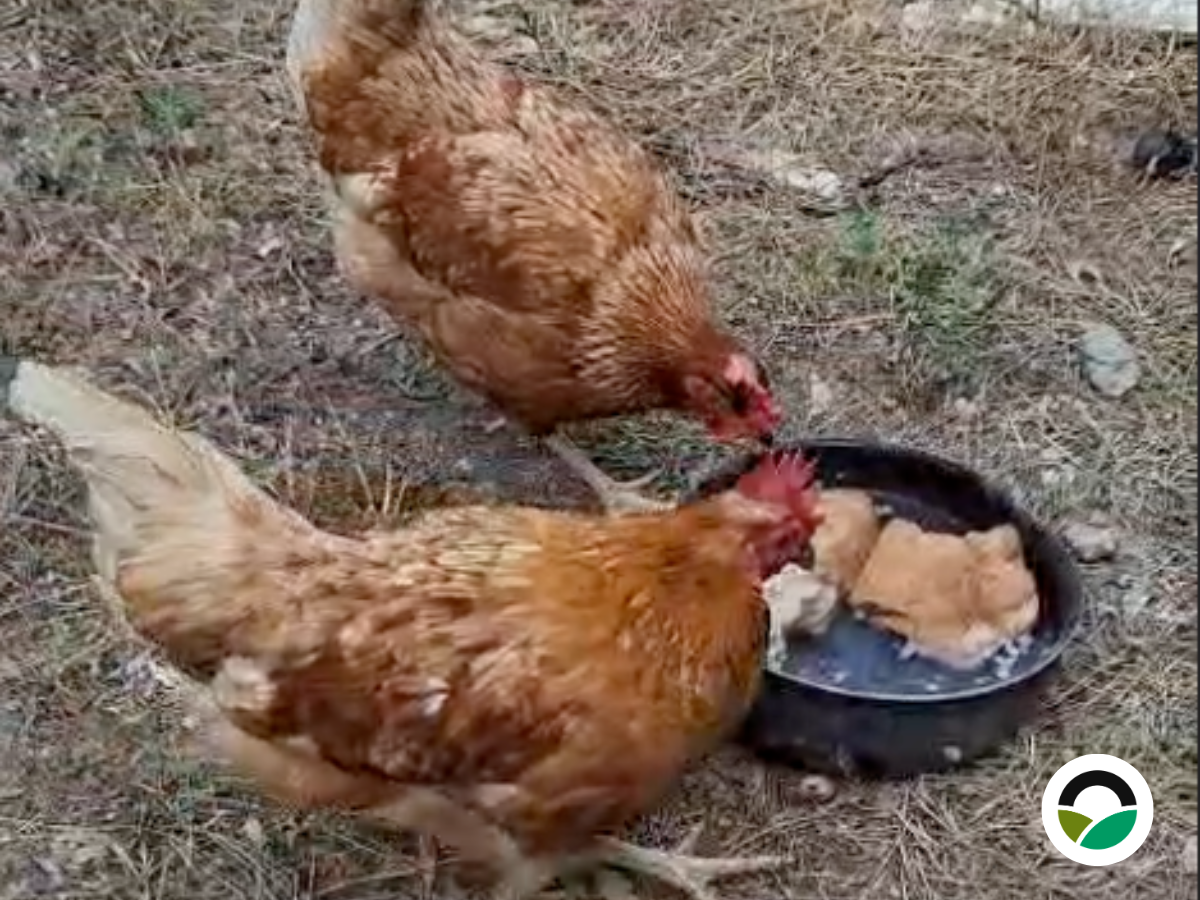
At Mavronero, one such example recently involved a few pieces of leftover bread from the kitchen.
Instead of being discarded, the dry bread was soaked in water and offered to the hens as an occasional supplementary treat. The result was immediate interest from the flock, which eagerly gathered around to investigate and enjoy the unexpected addition to their day.
Small actions, less waste
Reducing food waste is an important challenge across modern food systems. While not all food leftovers are suitable for reuse, some can be responsibly redirected rather than thrown away.
Historically, rural households often found practical uses for materials that might otherwise have been wasted. Kitchen scraps, garden residues, and surplus produce frequently became part of a wider cycle of resource use that connected households, gardens, and farm animals.
Although farming practices have evolved, the principle of using resources carefully remains relevant today.
Environmental enrichment for the hens
Chickens are naturally active and curious animals. Much of their daily behaviour involves exploring their surroundings, scratching the ground, pecking at objects, and searching for food.
Occasional treats can provide environmental enrichment by encouraging these natural behaviours and adding variety to the animals’ daily routine.
At Mavronero, the hens spend their days foraging, exploring, and interacting with the farm environment. Observing their behaviour during feeding also provides useful insights into flock health, activity levels, and social interactions.
Animal welfare comes first
Any supplementary food offered to farm animals should always be considered alongside their nutritional needs.
The hens at Mavronero continue to receive appropriate feed and constant access to fresh water. Occasional treats are provided only as a complement to their regular diet and never as a replacement for balanced nutrition.
Responsible animal care remains a central part of daily life on the farm.
Everyday sustainability
Many sustainable practices are not dramatic or highly visible. They are found in small decisions made repeatedly over time.
Reusing suitable leftovers, composting organic materials, collecting rainwater, supporting biodiversity, and reducing unnecessary waste are all examples of actions that contribute to a more resource-conscious way of living.
The soaked bread offered to the hens represents one small moment within that broader approach.
Conclusion
A few pieces of leftover bread may seem insignificant, but they reflect a wider philosophy of valuing resources and avoiding unnecessary waste.
At Mavronero, sustainability is not only found in large projects or long-term plans. It is also present in everyday actions that connect people, animals, food, and the landscape.
By documenting these moments, we hope to highlight the simple practices that have long been part of rural life and continue to contribute to more sustainable ways of living today.
Ethical and animal welfare note
This article documents an activity carried out at Mavronero and is not intended as animal feeding advice.
Not all food leftovers are suitable for poultry, and feeding practices should always consider animal welfare, nutritional requirements, local regulations, and veterinary guidance where appropriate.
