
Sustainable farming is often associated with renewable energy, soil regeneration, or reducing chemical inputs. Yet many of its principles are found in small, everyday decisions made throughout the growing season.
One of those moments recently took place among the fig trees at Mavronero.
As the figs began to ripen, it quickly became clear that they were attracting more than just people. Birds, wasps, fruit flies, and other wildlife had also discovered the season’s sweetest fruits. Rather than viewing these visitors as unwanted pests, they were recognised as part of the living ecosystem that surrounds the farm.
Sharing the harvest with nature
Fruit trees support far more than human food production.
Ripe figs provide an important seasonal food source for many bird species, pollinating insects, and other wildlife. Their presence demonstrates that the surrounding environment is healthy enough to support a wide variety of organisms.
Complete exclusion of wildlife is neither practical nor desirable in a biodiverse agricultural landscape. Instead, sustainable farming often seeks a balance between protecting crops and maintaining habitats that allow nature to thrive.
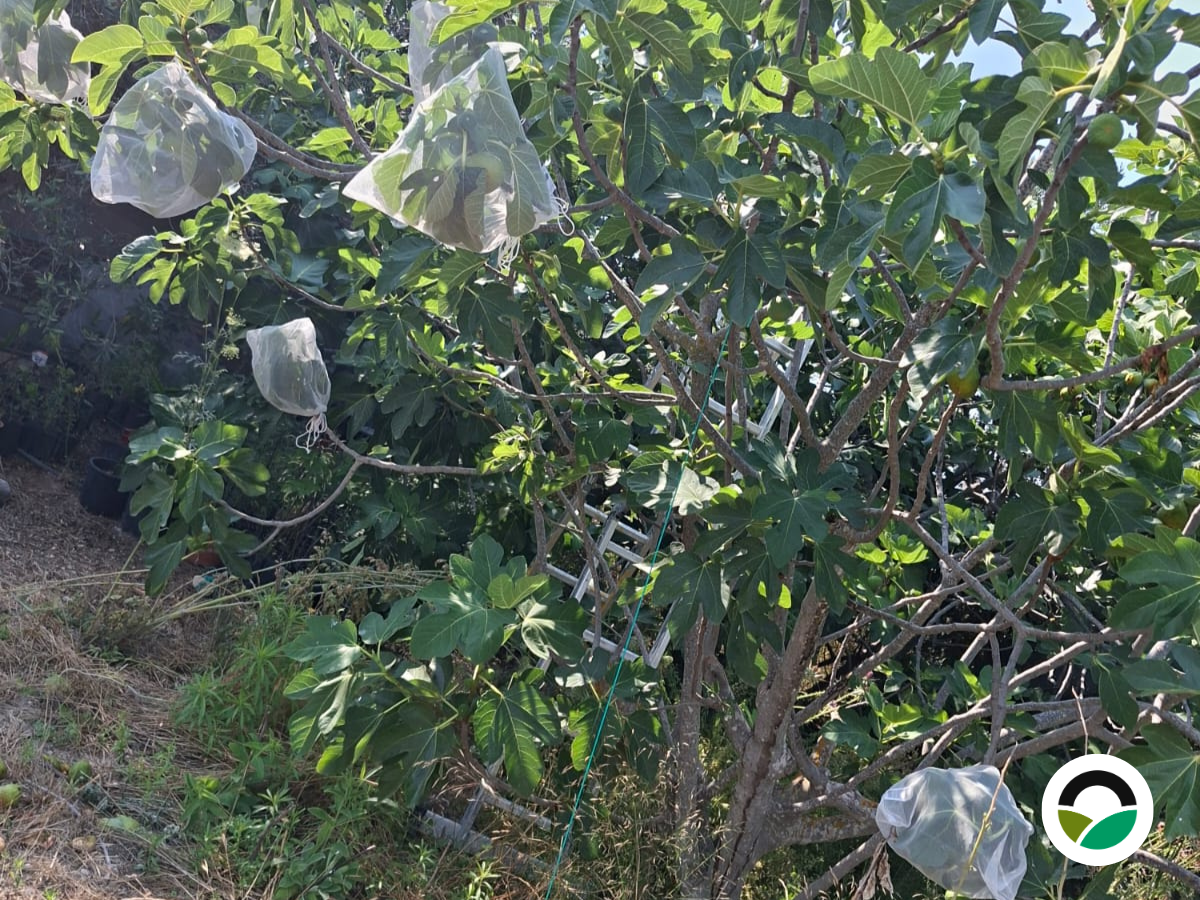
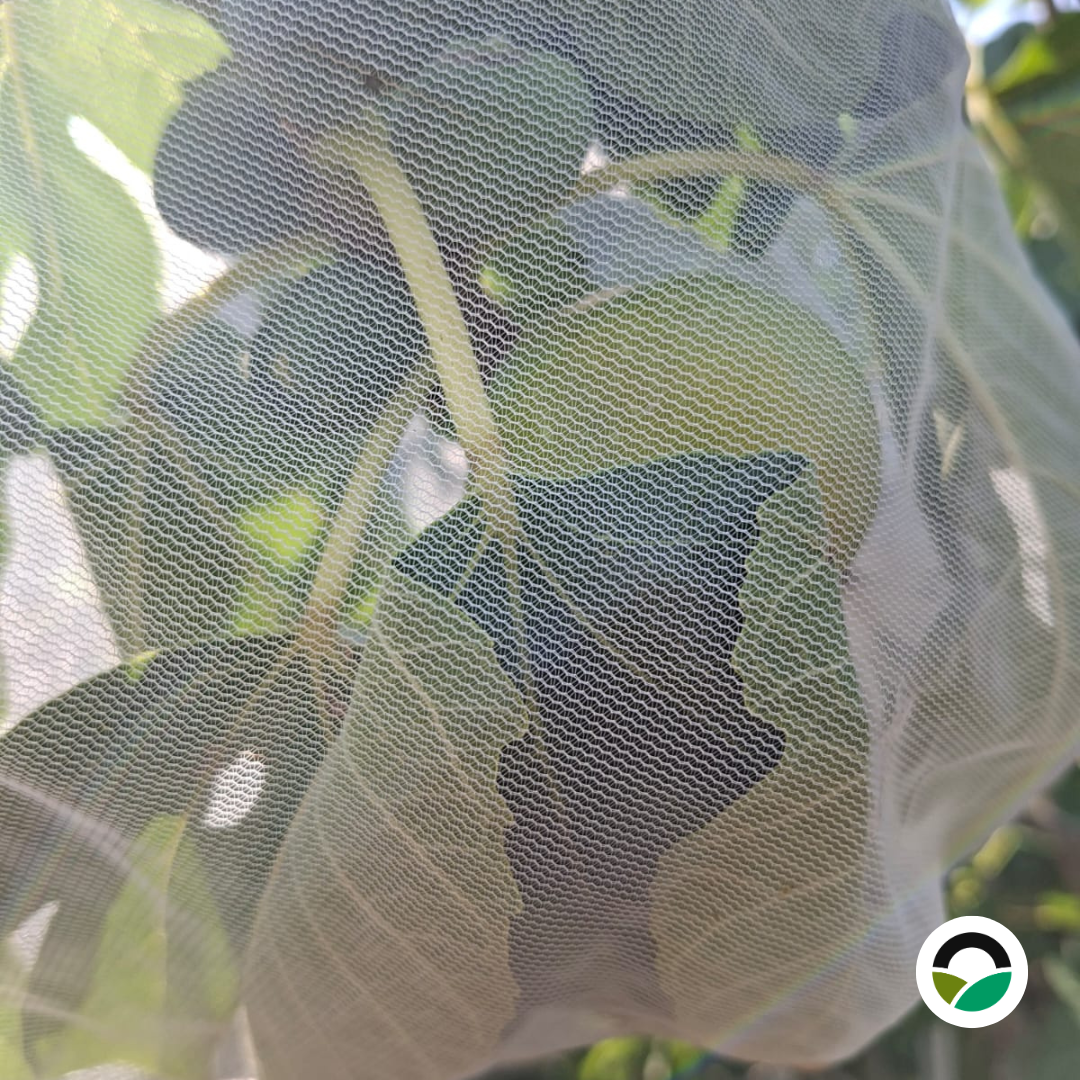
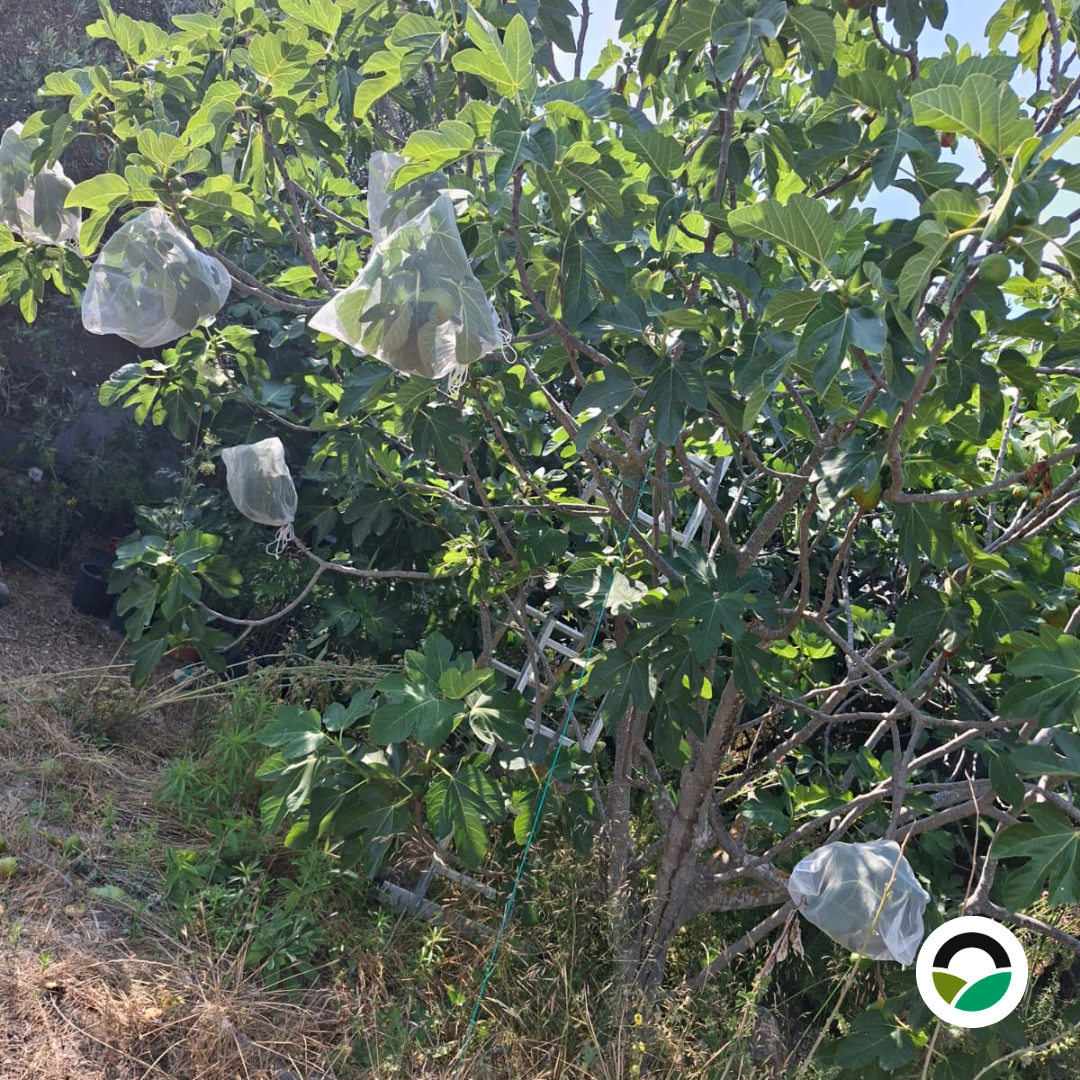
At Mavronero, part of the harvest is intentionally left available to wildlife while some of the nearly ripe figs are protected using lightweight mesh bags.
A simple and wildlife-friendly solution
The reusable mesh bags create a physical barrier that helps protect the fruit from birds, wasps and other insects while still allowing sunlight, air circulation and natural ripening.
Unlike chemical treatments, this approach has virtually no impact on surrounding wildlife or beneficial insects elsewhere in the farm.
It is a small intervention that protects part of the harvest without disrupting the wider ecosystem.
Why biodiversity matters in orchards
Every species around an orchard plays a role.
Birds help regulate insect populations.
Wasps prey on many agricultural pests and contribute to ecological balance.
Pollinating insects support flowering plants throughout the landscape.
Even insects that feed on fruit become part of a larger food web that supports spiders, reptiles and birds.
Healthy farms are rarely silent or perfectly untouched. They are living environments where many species compete for the same seasonal resources.
The challenge is not to eliminate wildlife, but to find practical ways for farming and nature to coexist.
From harvest to homemade products
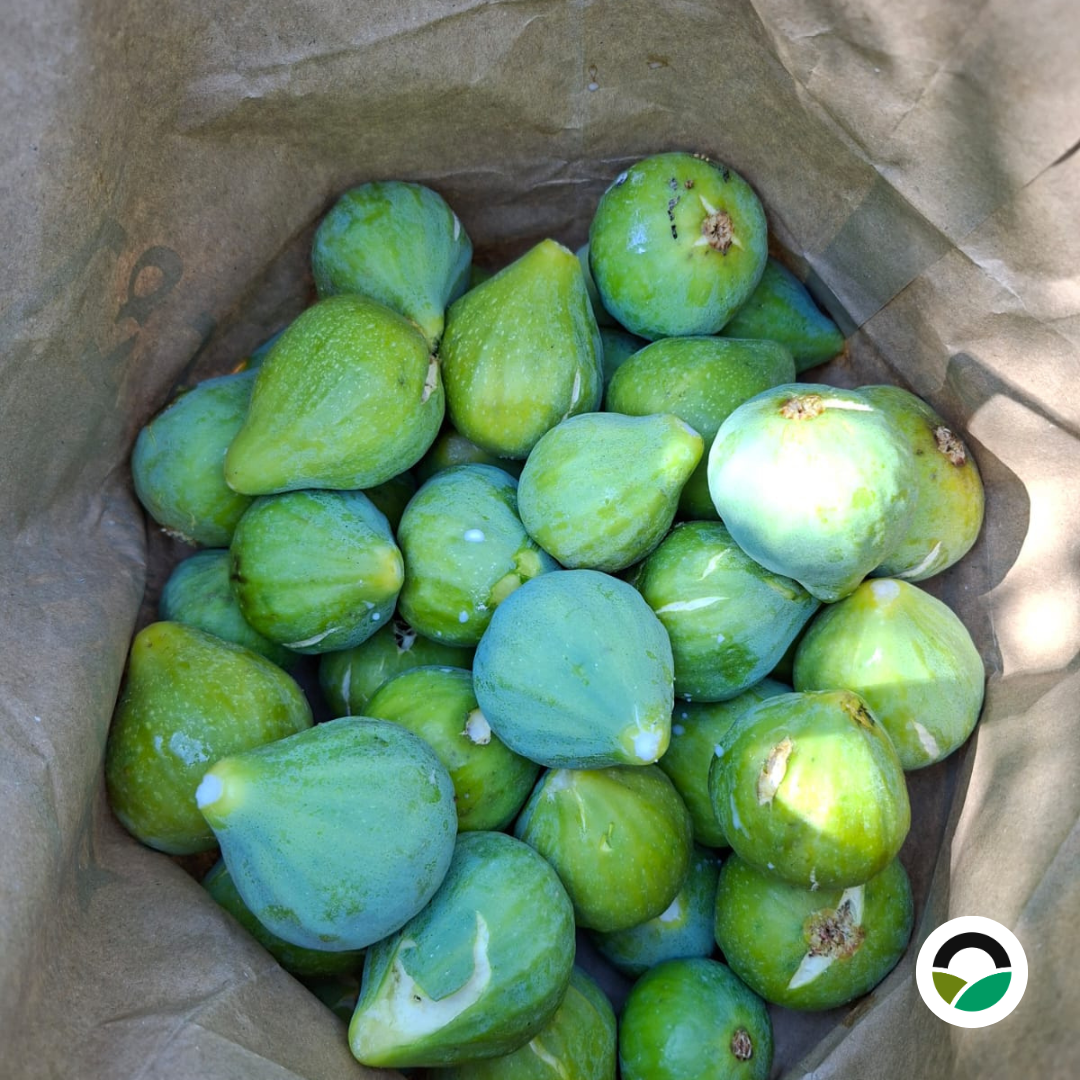
After harvesting the protected figs, the next decision becomes how to preserve their flavour.
Fresh figs have a short season, making them ideal for homemade products such as:
- fig jam
- fig chutney
- dried figs
- traditional fig preserves
- homemade fig wine
Making use of seasonal harvests is another example of reducing waste while enjoying local produce throughout the year.
Conclusion
Protecting fruit does not mean excluding nature.
At Mavronero, sustainable farming is built on finding practical ways to live alongside the wildlife that shares the landscape. Sometimes this means accepting that a few figs will feed birds and insects. Other times it means protecting part of the crop with simple, non-invasive methods.
These small choices help maintain biodiversity while ensuring there is still plenty to harvest, enjoy, and transform into seasonal products.
They are quiet decisions, but they reflect the broader philosophy that healthy farming depends not on controlling nature, but on working with it.
Sources
The information presented in this article is based on direct observations at Mavronero and supported by the following references:
