
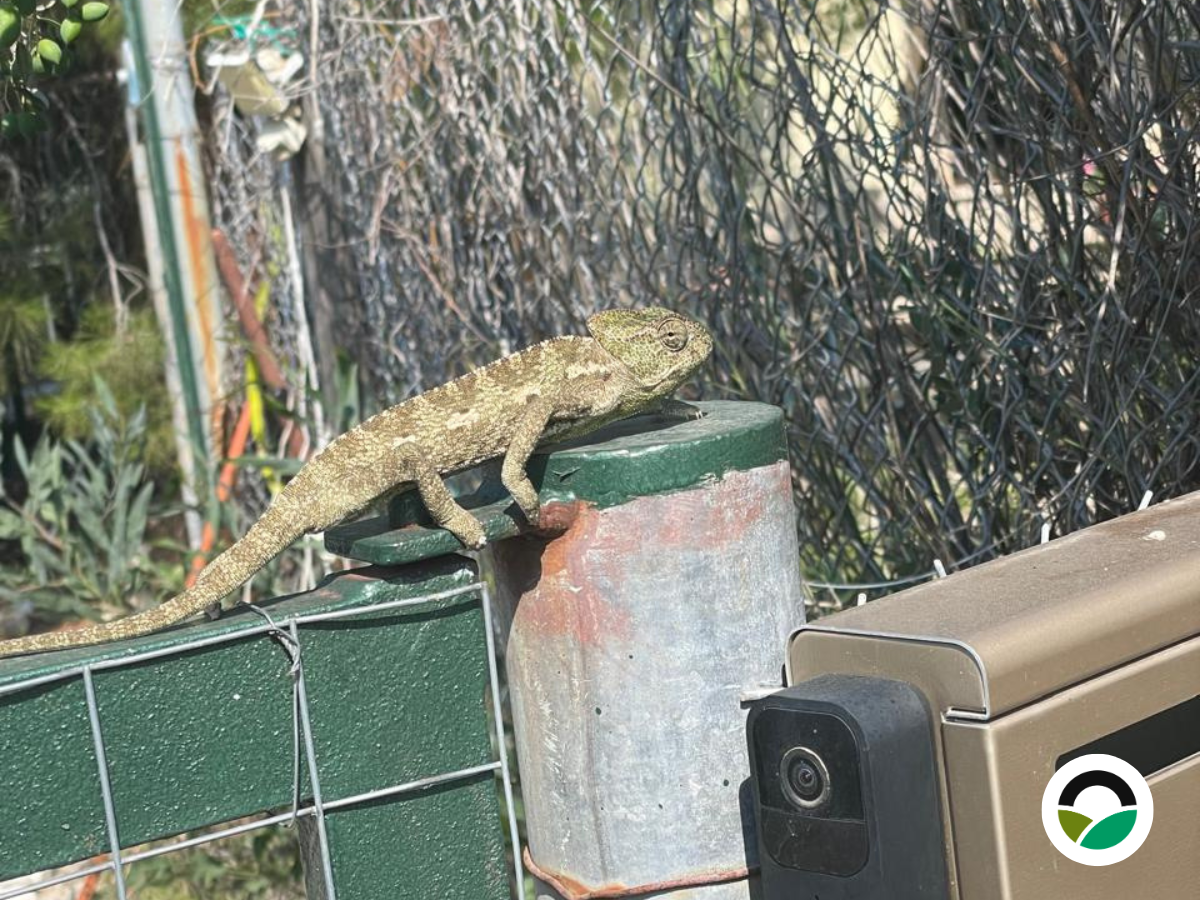
A second encounter with the common chameleon at Mavronero
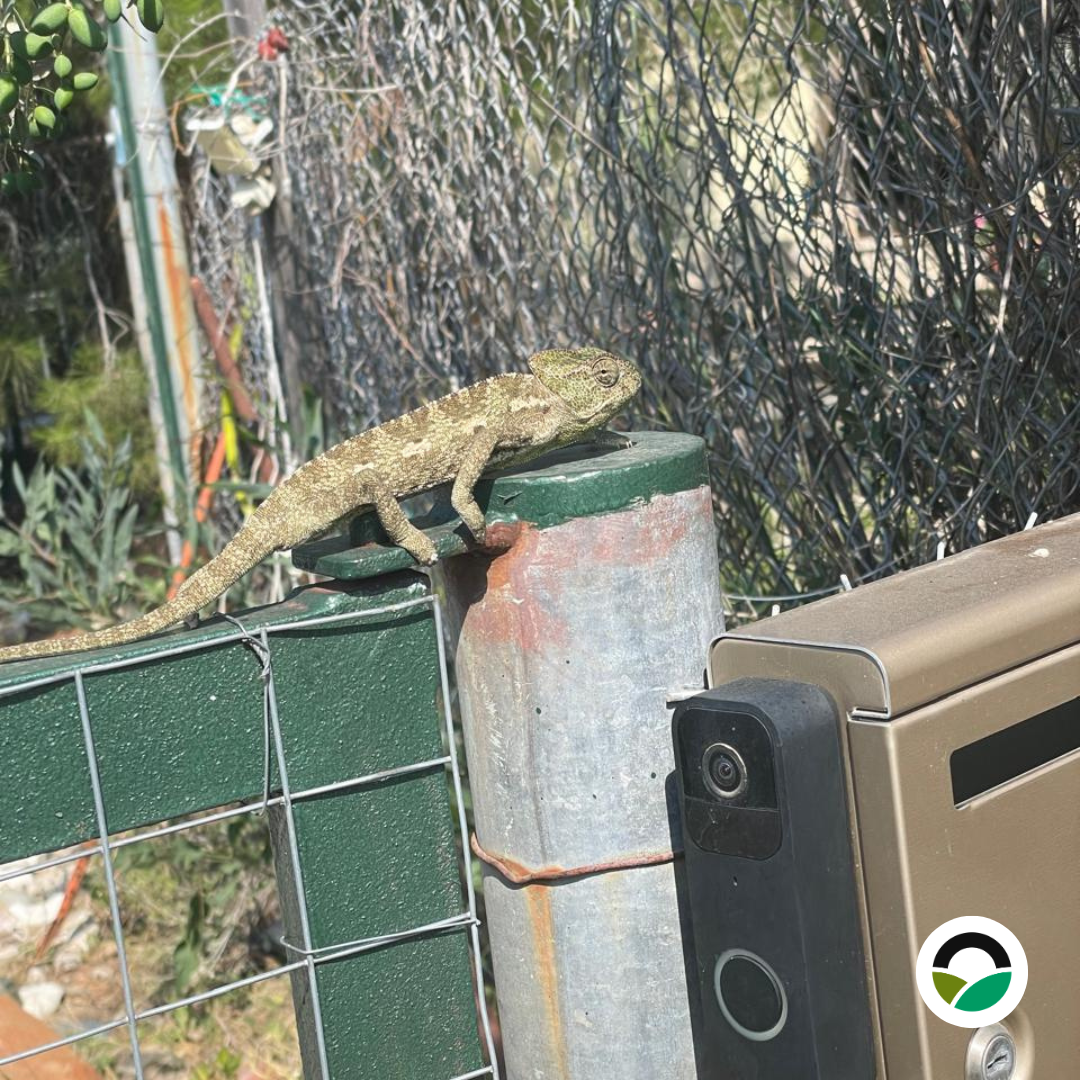
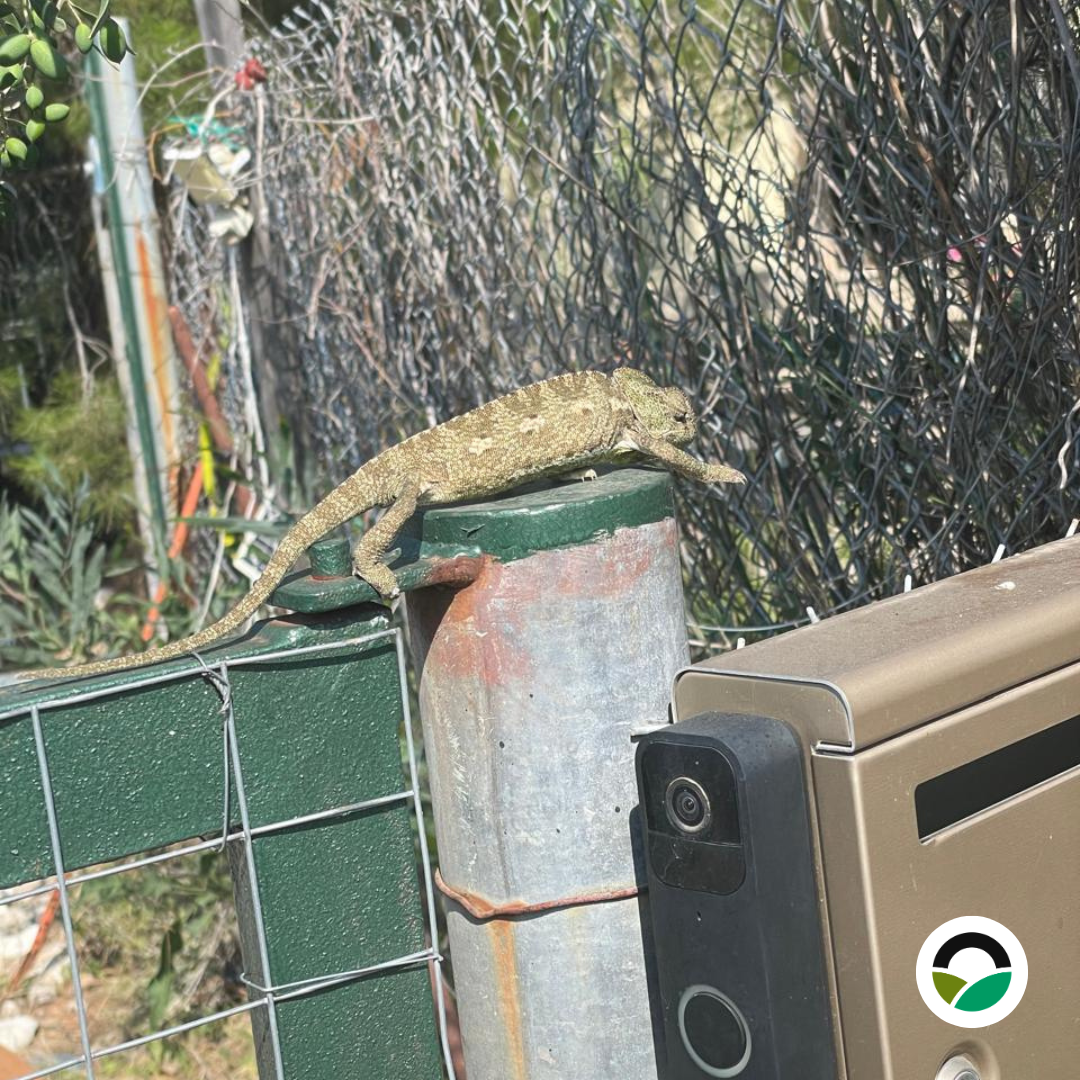
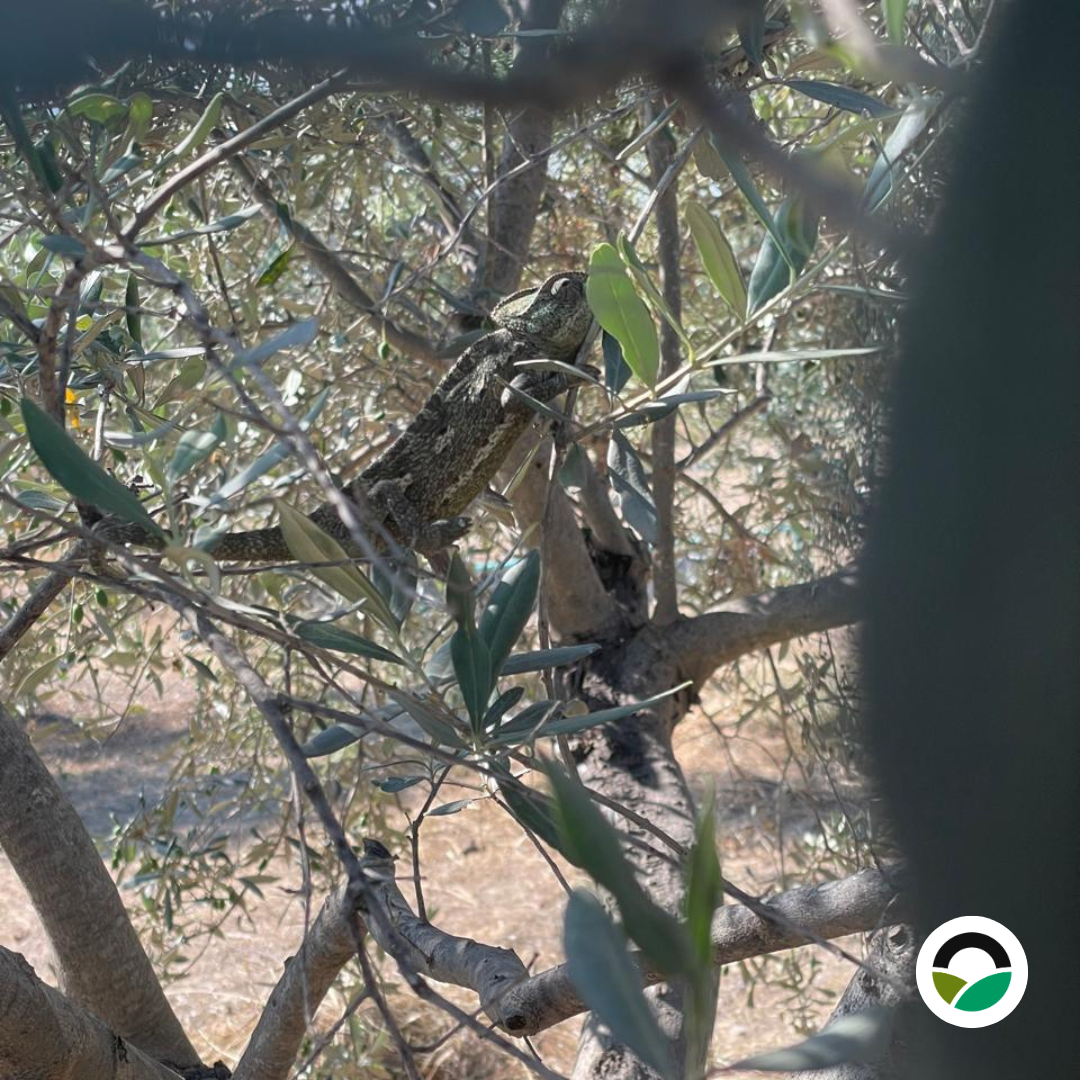
Earlier this year, we shared the story of a common chameleon (Chamaeleo chamaeleon) spotted among the olive trees at Mavronero. Recently, we were delighted to encounter another individual, quietly moving through the same landscape.
Finding the same species again may seem like a small event, but in nature, repeated observations are often more meaningful than a single sighting.
If you would like to learn more about the common chameleon, its biology, behaviour, and role in Mediterranean ecosystems, you can read our previous article here:
Read our previous article about the Common Chameleon here.
Why repeated observations are important
Wildlife observations become increasingly valuable when they occur consistently over time.
Seeing common chameleons on multiple occasions suggests that the surrounding habitat continues to provide the conditions they need to survive: suitable vegetation, abundant insect prey, shelter, and relatively low disturbance.
Rather than being isolated visitors, these reptiles appear to be regular inhabitants of the landscape.
Repeated sightings help build a clearer picture of local biodiversity and allow farms like Mavronero to monitor the health of their ecosystems without disturbing wildlife.
Olive groves can provide important habitat
Although olive groves are agricultural landscapes, they can also function as valuable wildlife habitats.
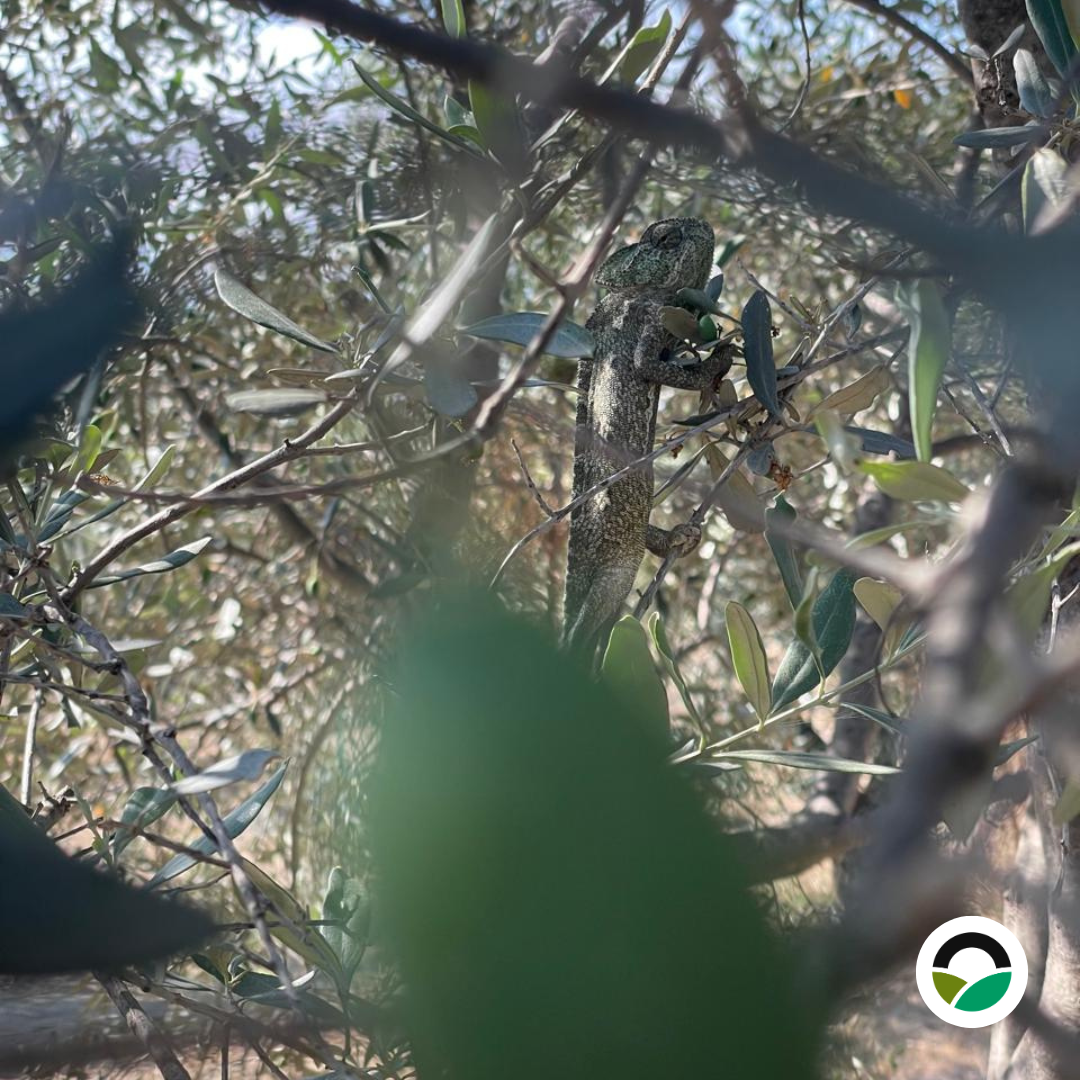
Traditional olive trees offer shaded branches, warm basking spots, natural cover, and rich insect populations that support reptiles such as the common chameleon.
Maintaining vegetation between trees, reducing pesticide use, and preserving natural field margins all contribute to creating environments where wildlife can continue to thrive alongside farming activities.
Small observations build long-term knowledge
Every wildlife encounter becomes part of a larger story.
One photograph alone is interesting, but observations made over months and years can reveal seasonal patterns, breeding activity, habitat preferences, and changes in local biodiversity.
Recording these moments helps document the living ecosystem that surrounds the farm and reminds us that sustainable agriculture is about much more than producing food.
It is also about understanding and protecting the many species that share the landscape.
A quiet reminder from nature
Unlike many wild animals, chameleons rarely announce their presence.
Their remarkable camouflage means they are often only discovered by chance, blending almost perfectly with olive branches and leaves.
Each new encounter is a reminder to slow down, observe carefully, and appreciate the hidden wildlife that exists alongside everyday farm work.
Conclusion
The return of the common chameleon to Mavronero is more than a pleasant surprise.
Repeated wildlife observations provide valuable insight into the health of local ecosystems and reinforce the importance of farming practices that work with nature rather than against it.
By documenting these encounters, Mavronero continues to build a growing record of the biodiversity that makes Mediterranean agricultural landscapes so unique.
