
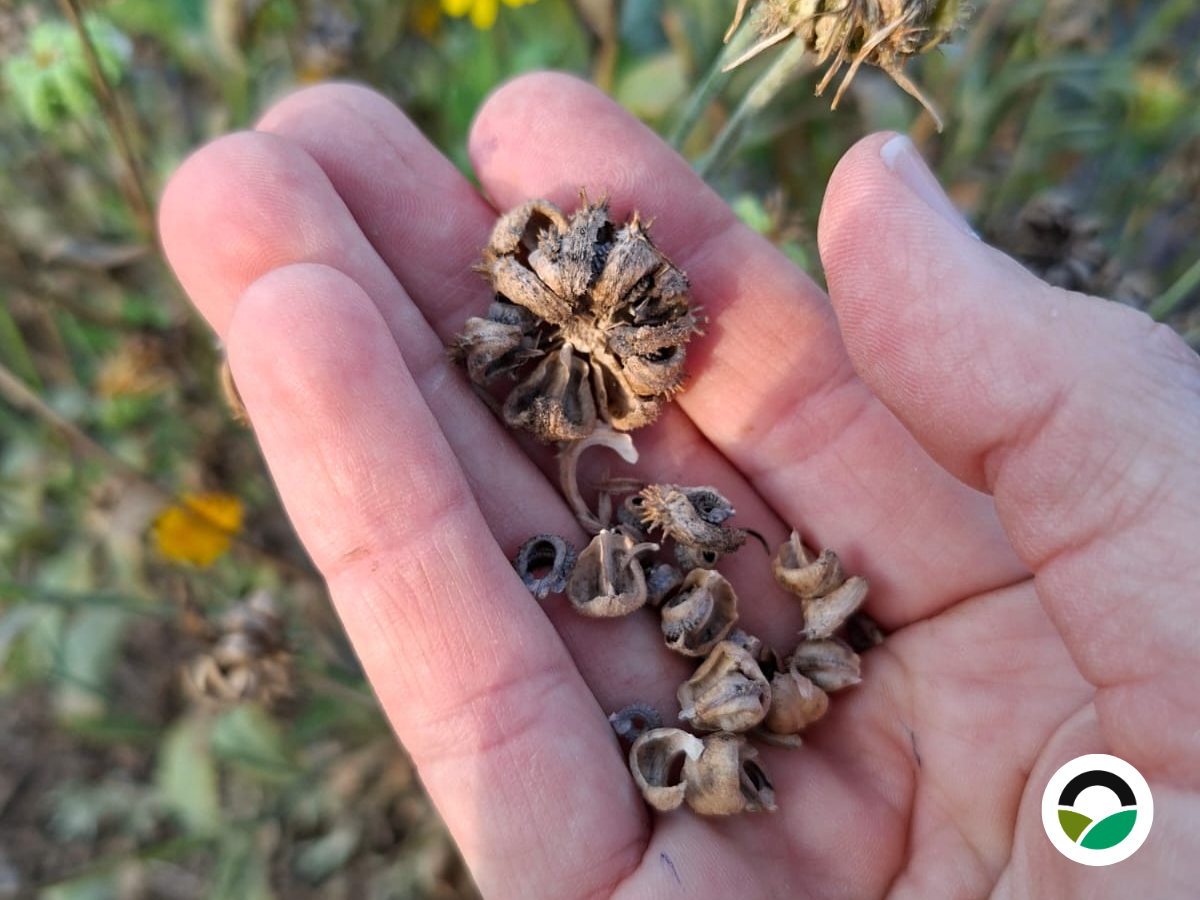
The end of one flowering season, the beginning of another
The colourful blooms of calendula may be fading, but the plant is entering one of the most important stages of its life cycle: seed production.
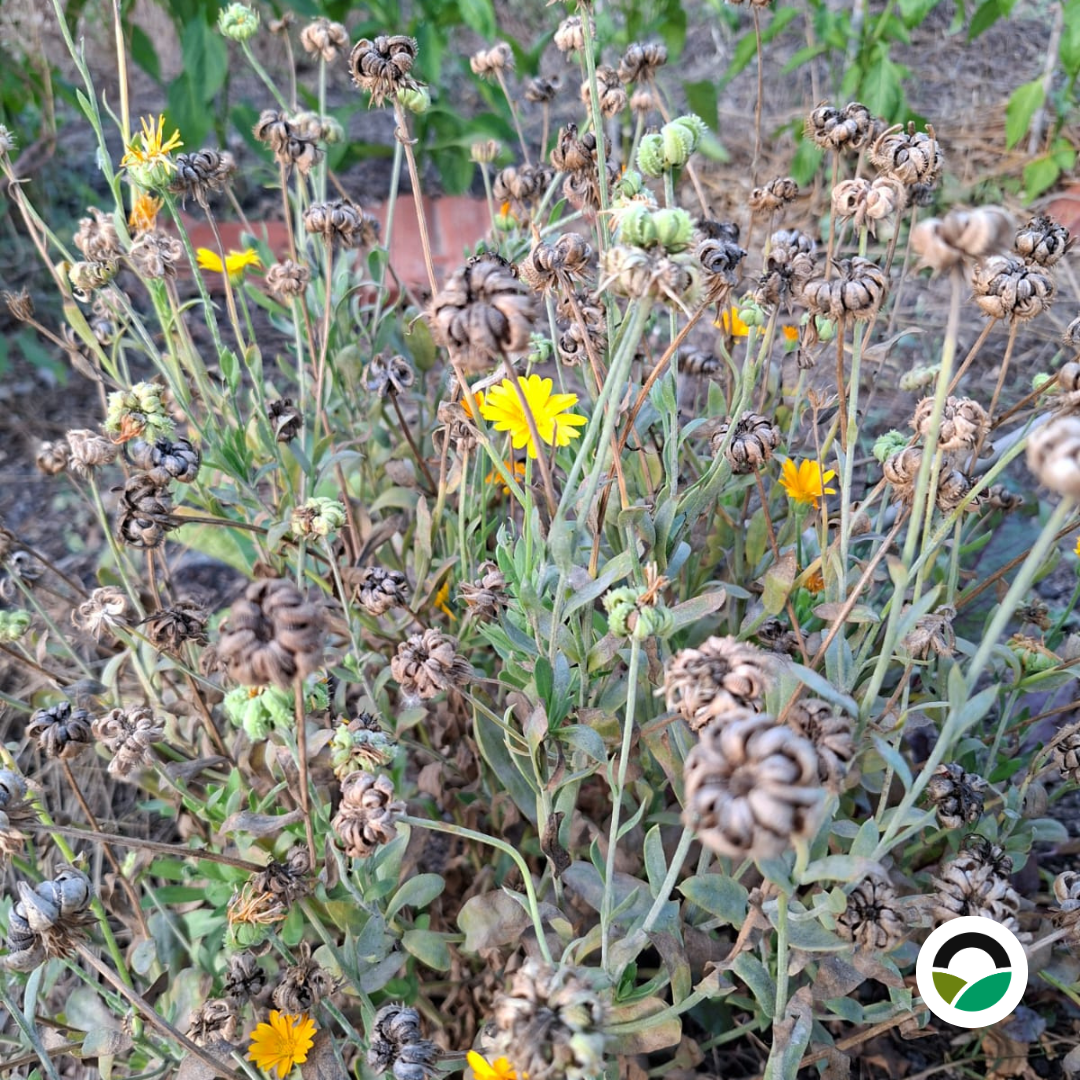
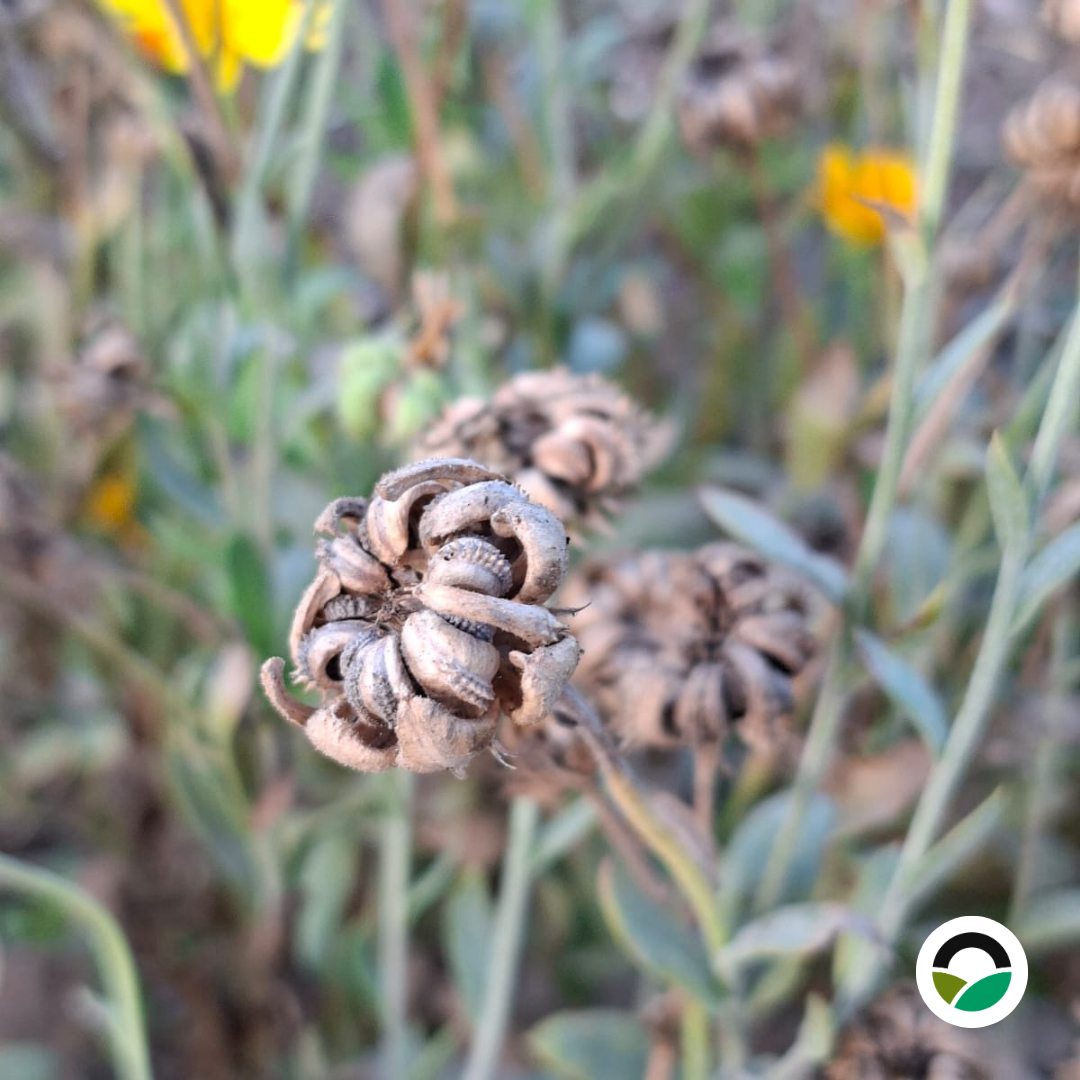
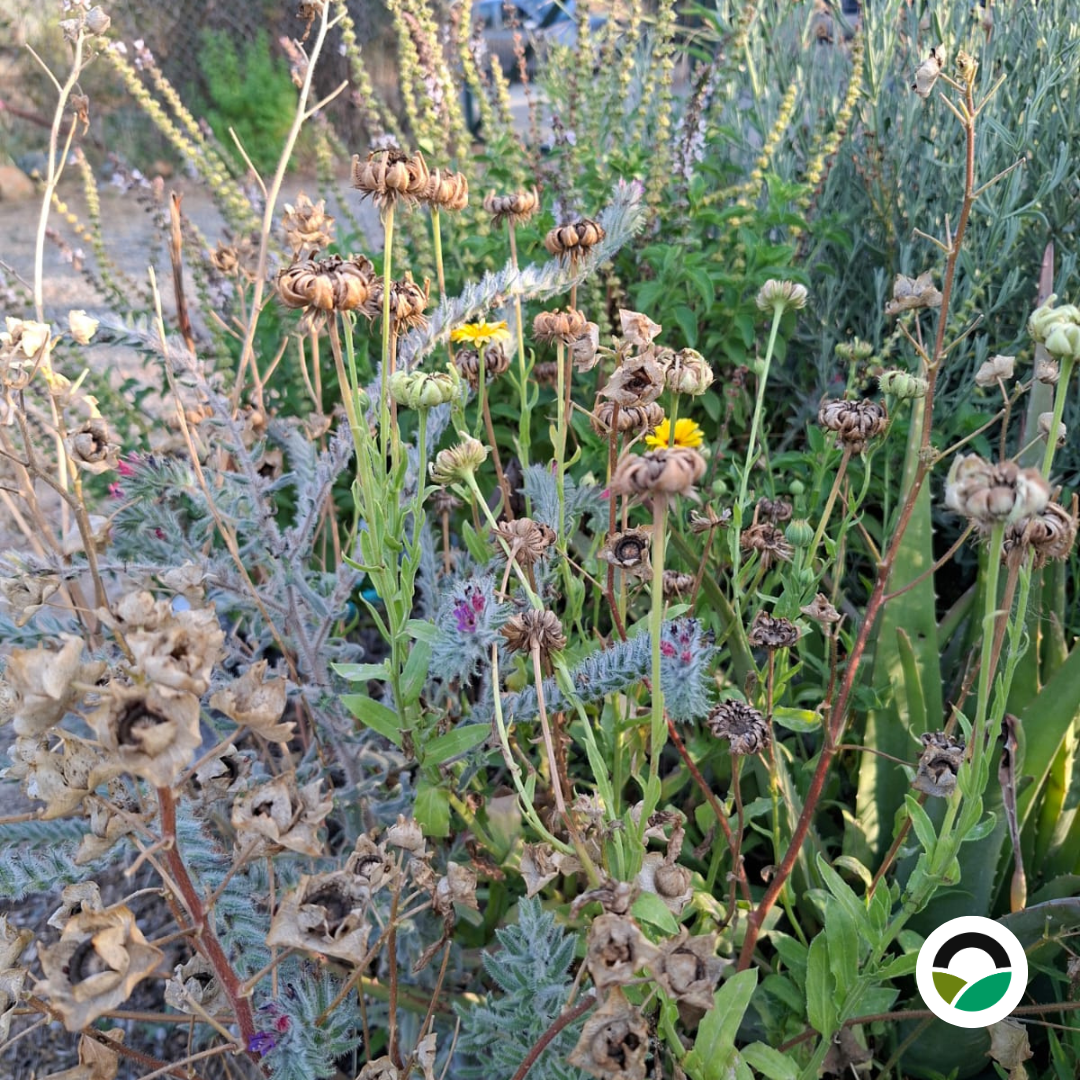
Across the farmhouse garden at Mavronero, the bright orange and yellow flowers that attracted bees and butterflies throughout spring and early summer have now transformed into dry seed heads, ready to release the next generation of plants.
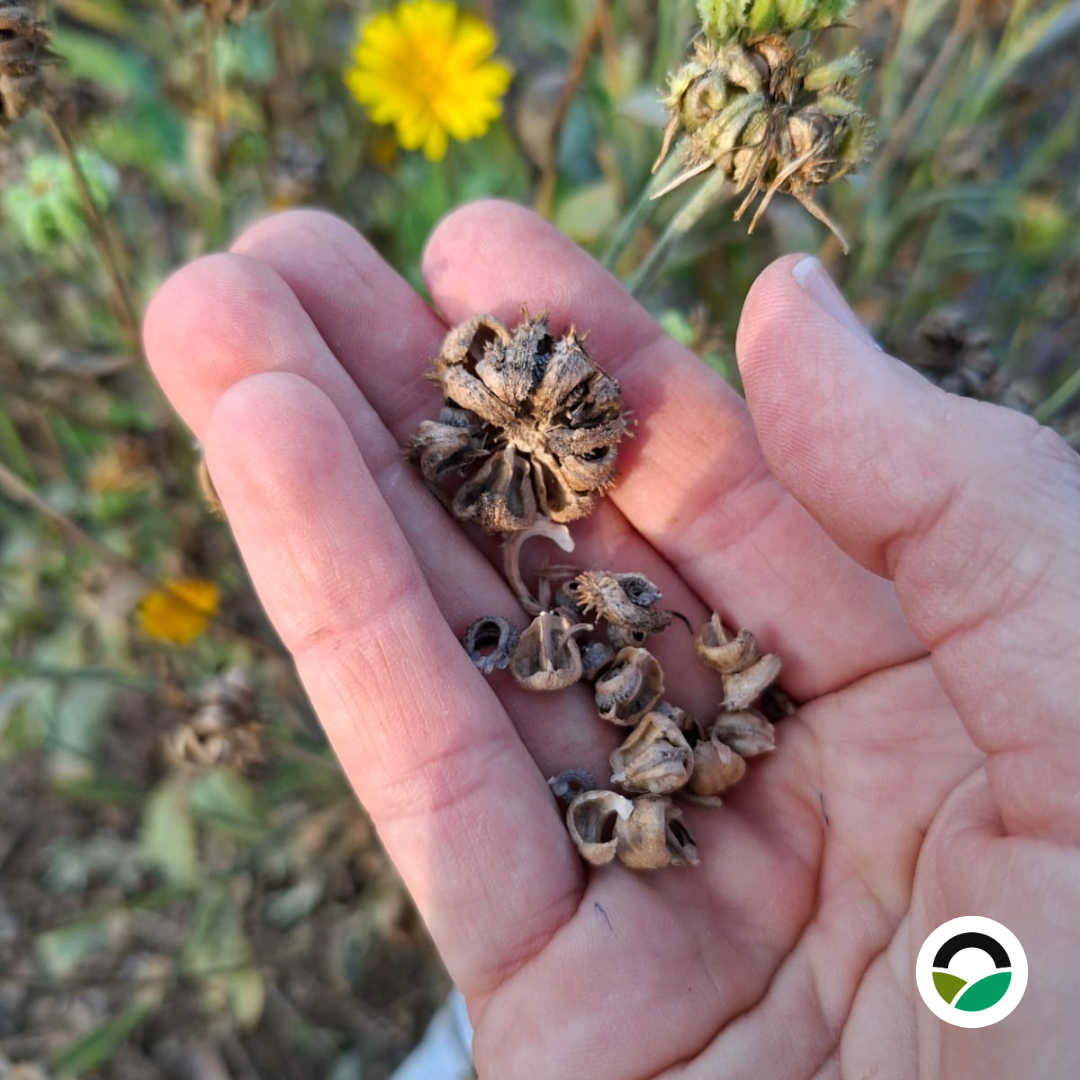
Each mature flower contains dozens of uniquely shaped seeds, ensuring that calendula can return year after year with little assistance from people.
At Mavronero, collecting these seeds allows us to continue growing this valuable native-friendly garden flower while supporting sustainable farming practices and local biodiversity.
What is Calendula?
Calendula (Calendula officinalis), commonly known as pot marigold, is a flowering plant belonging to the daisy family (Asteraceae).
Originally native to the Mediterranean region, it has been cultivated for centuries for its ornamental beauty, medicinal properties and ability to attract beneficial insects.
Its long flowering season, bright blossoms and easy cultivation have made calendula one of the world’s most popular garden flowers.
Beyond its beauty, calendula is highly valued in organic gardens because it supports pollinators while contributing to healthy and diverse ecosystems.
How Calendula produces its seeds
Once pollination is complete, each flower gradually dries instead of producing fleshy fruit.
Inside the flower head, numerous individual seeds develop from the fertilised florets.
As the flower matures, the petals fall away and the seed head hardens until the seeds are fully dry and ready to disperse naturally.
Calendula seeds are particularly distinctive because of their curved, crescent-like shape, making them easy to recognise and collect.
Nature has designed them to fall close to the parent plant, where many will germinate naturally when conditions become favourable.
Why seed saving matters
Collecting seeds is one of the oldest agricultural traditions.
For generations, farmers and gardeners have saved seeds from healthy plants to preserve varieties that are well adapted to local climates.
Saving seeds also offers several environmental benefits:
- preserves local genetic diversity
- reduces the need to purchase commercial seeds
- encourages resilient plant populations
- supports sustainable gardening
- helps maintain traditional cultivation practices
- strengthens local biodiversity
Each seed harvested today represents the possibility of dozens of flowers next season.
A favourite plant for pollinators
Although the flowering season is ending, the months spent in bloom provided an important food source for wildlife.
Calendula flowers are rich in nectar and pollen, attracting a wide variety of beneficial insects, including:
- honey bees
- solitary bees
- bumblebees
- butterflies
- hoverflies
- other native pollinating insects
These visitors not only feed on the flowers but also pollinate surrounding plants, contributing to healthier ecosystems throughout the growing season.
More than an ornamental flower
Calendula has been appreciated for centuries for far more than its colourful appearance.
Traditionally, its petals have been used in:
- herbal teas
- infused oils
- homemade balms
- natural skincare products
- salads as an edible garnish
- decorative floral arrangements
Its flowers have long been associated with traditional Mediterranean herbal practices, making calendula both beautiful and useful.
Growing naturally at Mavronero
The calendula growing at Mavronero is part of the farmhouse garden, where seasonal flowers are cultivated alongside vegetables, herbs and native Mediterranean plants.
Rather than removing every spent flower, some blooms are intentionally left to mature and produce seeds naturally.
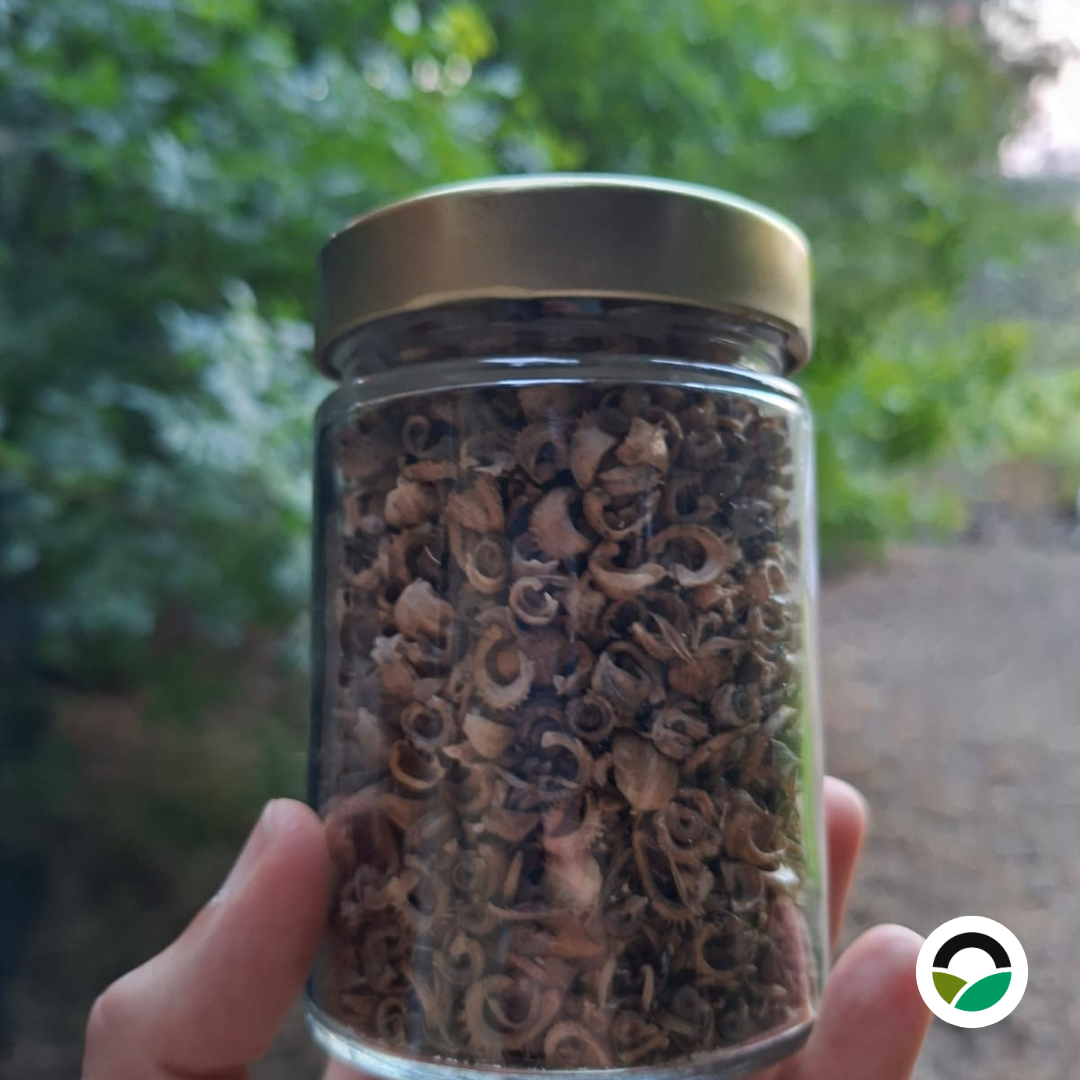
This simple practice supports the natural life cycle of the plant while providing seeds for future planting without relying on external sources.
It also allows wildlife to benefit from the flowers for as long as possible before the plants complete their annual cycle.
Curious facts about Calendula
Calendula has many fascinating characteristics that make it one of the most rewarding flowers to grow.
- Each flower head can produce dozens of individual seeds.
- Every seed has a slightly different curved shape.
- Calendula often self-seeds successfully without human intervention.
- The seeds remain viable for several years if stored correctly.
- Flowers usually open during daylight and close again in low light.
- Calendula is one of the easiest flowers for beginner gardeners to save seeds from.
Conclusion
Harvesting calendula seeds is much more than preparing for next year’s flowers.
It is a simple reminder that every flowering season ends by creating the beginning of another.
At Mavronero, saving seeds helps preserve biodiversity, supports pollinators and allows the garden to continue thriving through natural cycles rather than constant replacement.
Every small seed collected today carries the promise of another season filled with colour, wildlife and life.
