
Even during the hottest weeks of the Mediterranean summer, several native herbs continue to thrive. At Mavronero Farm, we harvested fennel seeds, yarrow and mountain tea, demonstrating the remarkable resilience of Mediterranean flora and the importance of understanding each species’ natural seasonal cycle.
The Mediterranean summer is still full of life
The peak of the Mediterranean summer is often associated with dry landscapes, scorching temperatures and slowing plant growth. While many annual species have already completed their life cycle, native Mediterranean herbs have evolved remarkable adaptations that allow them to survive—and even remain productive—through prolonged periods of heat and drought.
During a recent walk around Mavronero Farm, despite intense heat and high humidity, several resilient herbs were still ready for harvest. Among them were mature fennel seeds, flowering yarrow and mountain tea, each representing an important component of Mediterranean biodiversity and traditional herbal knowledge.
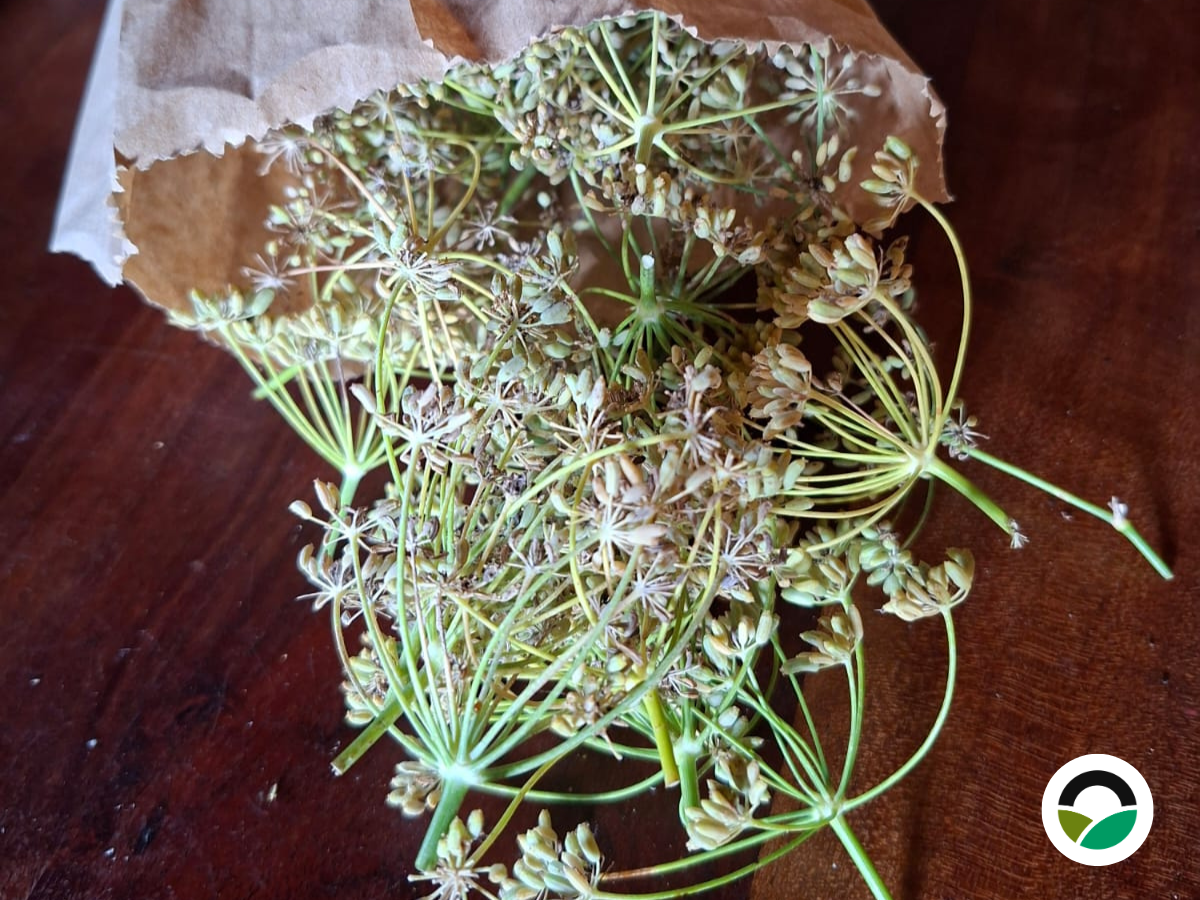
Harvesting fennel seeds
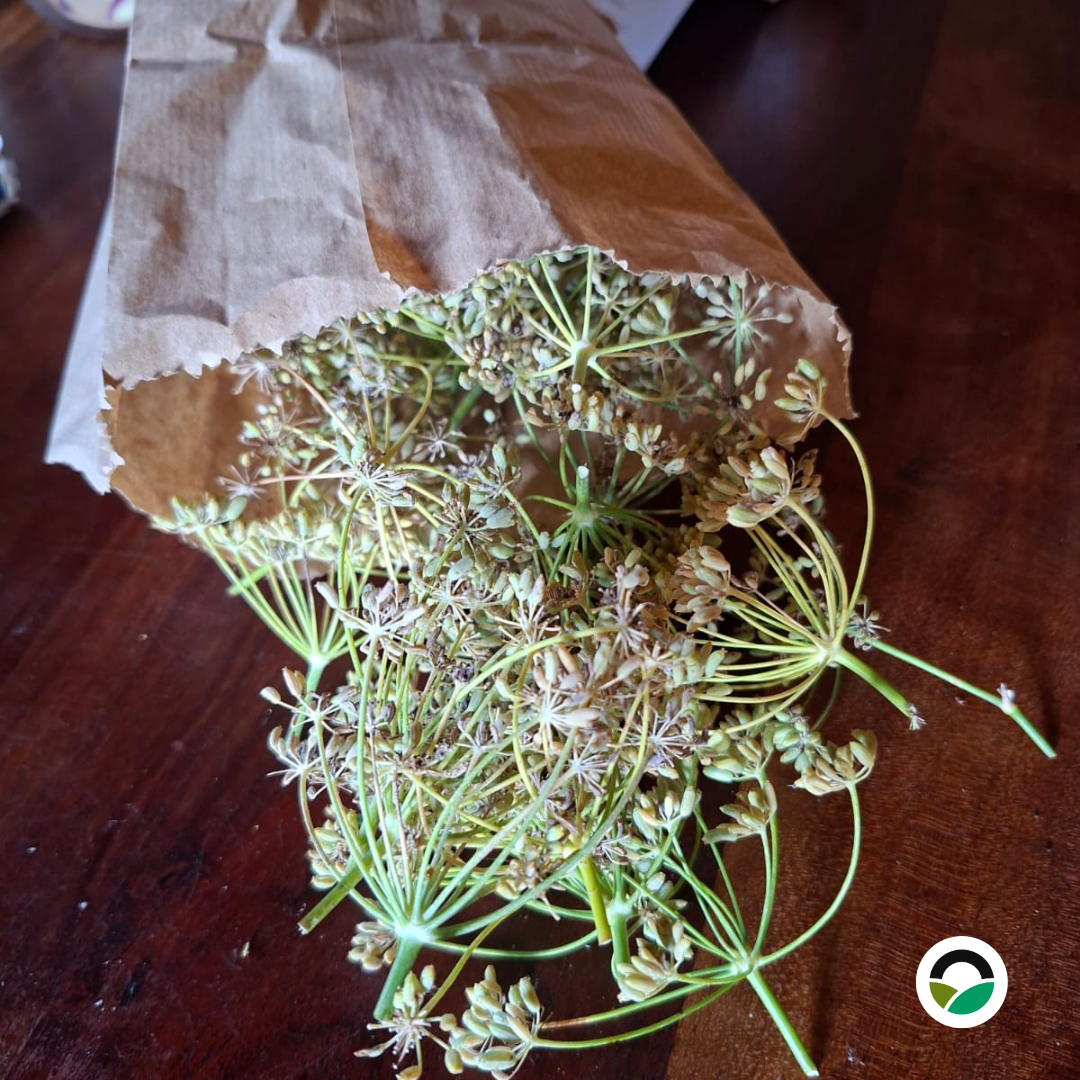
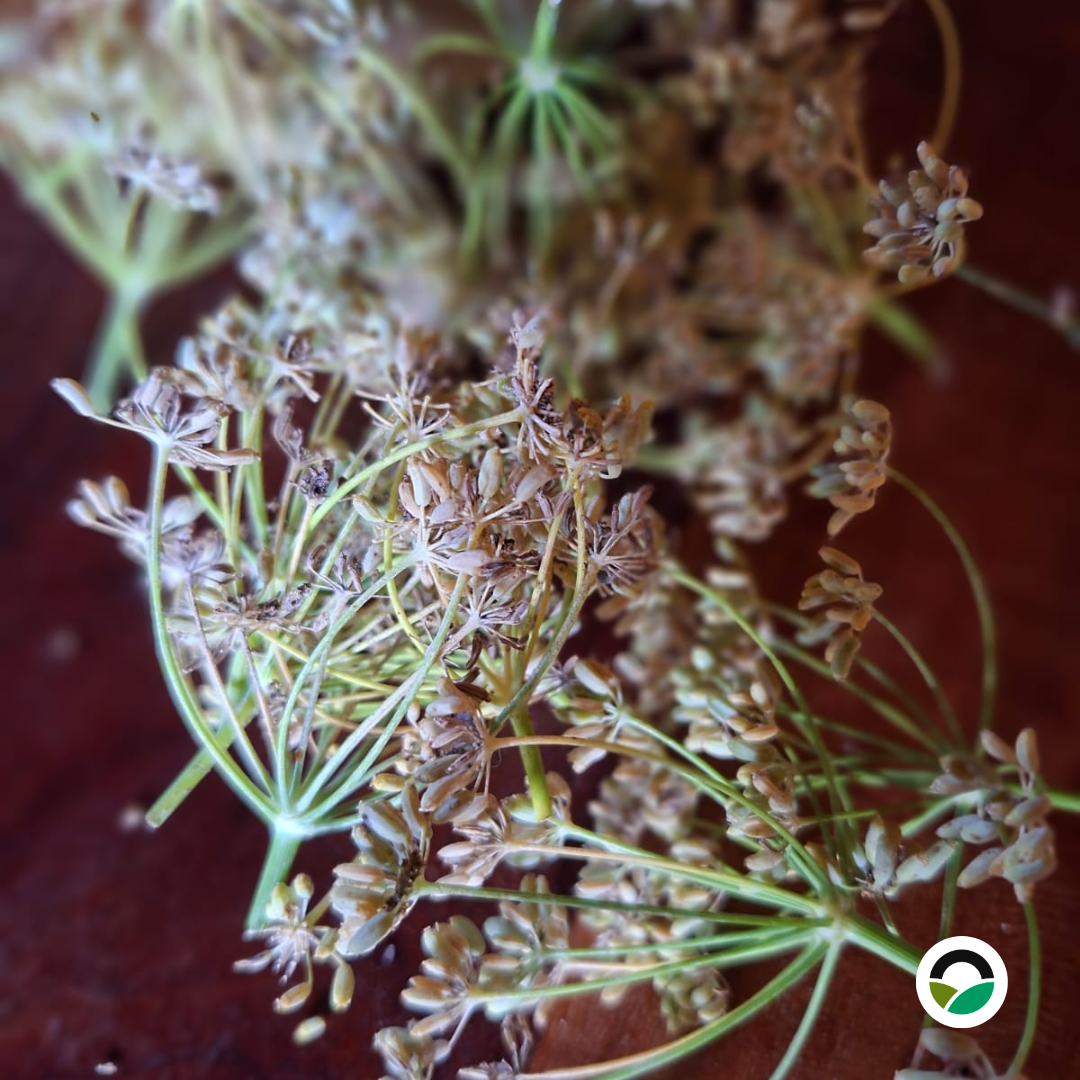
Wild fennel (Foeniculum vulgare) reaches seed maturity during the summer months. As the flower umbels dry and the seeds change from green to a pale brown colour, they become ready for collection.
Harvesting at this stage allows the seeds to retain their characteristic aroma while ensuring they have reached full maturity. Once collected, the seed heads are left to dry naturally before the seeds are separated and stored.
Traditionally, fennel seeds have been valued throughout the Mediterranean for culinary use, herbal infusions and natural seed propagation.
Yarrow and mountain tea
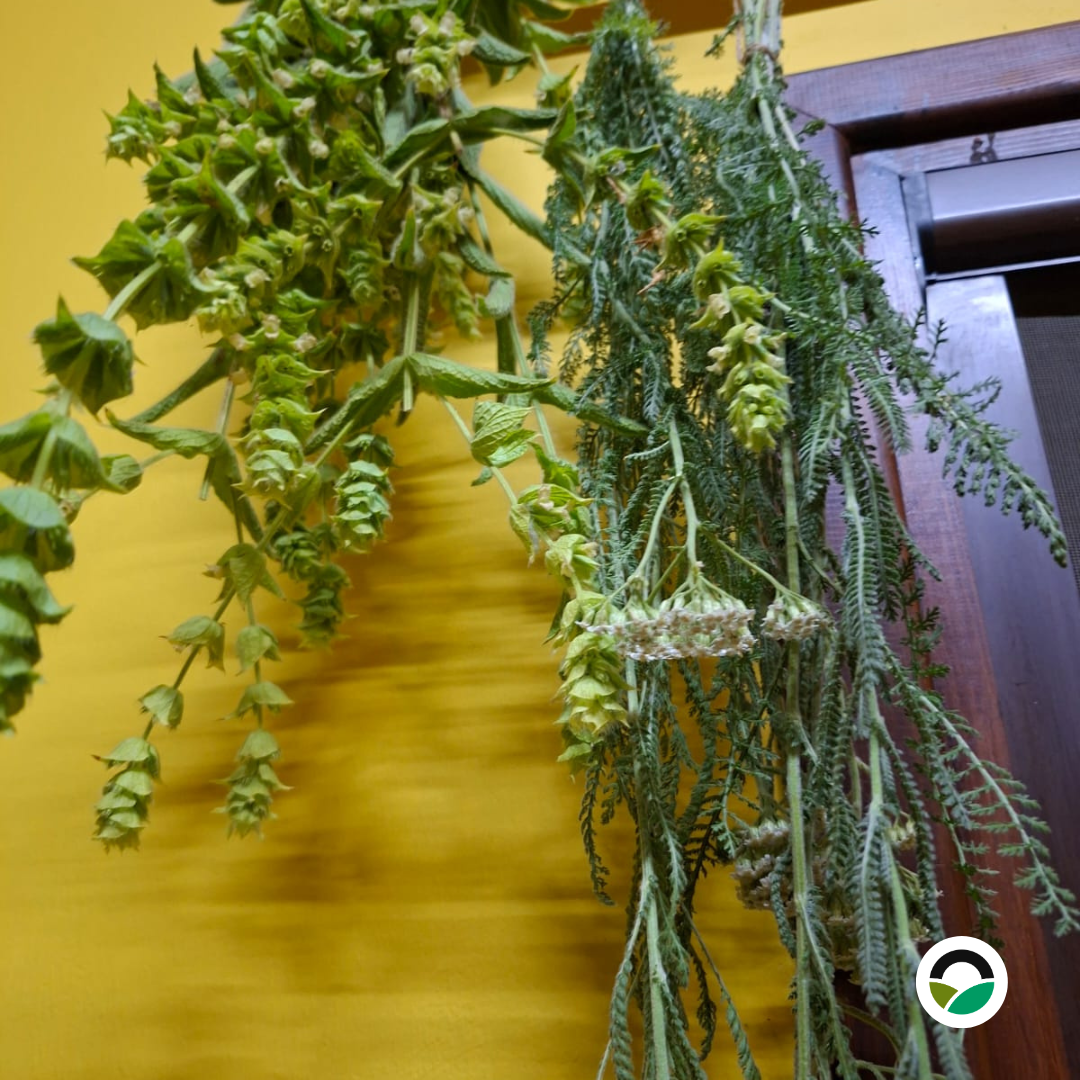
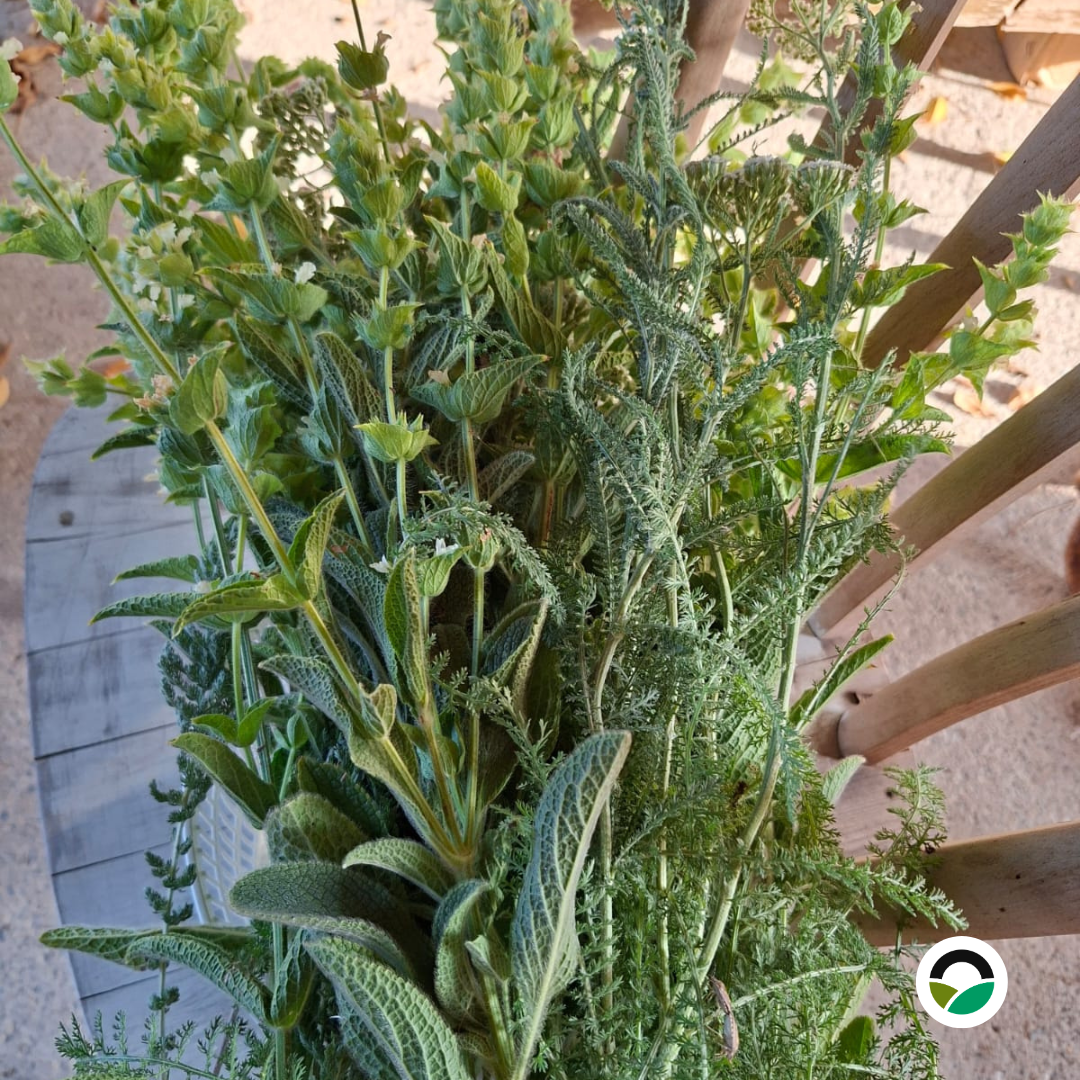
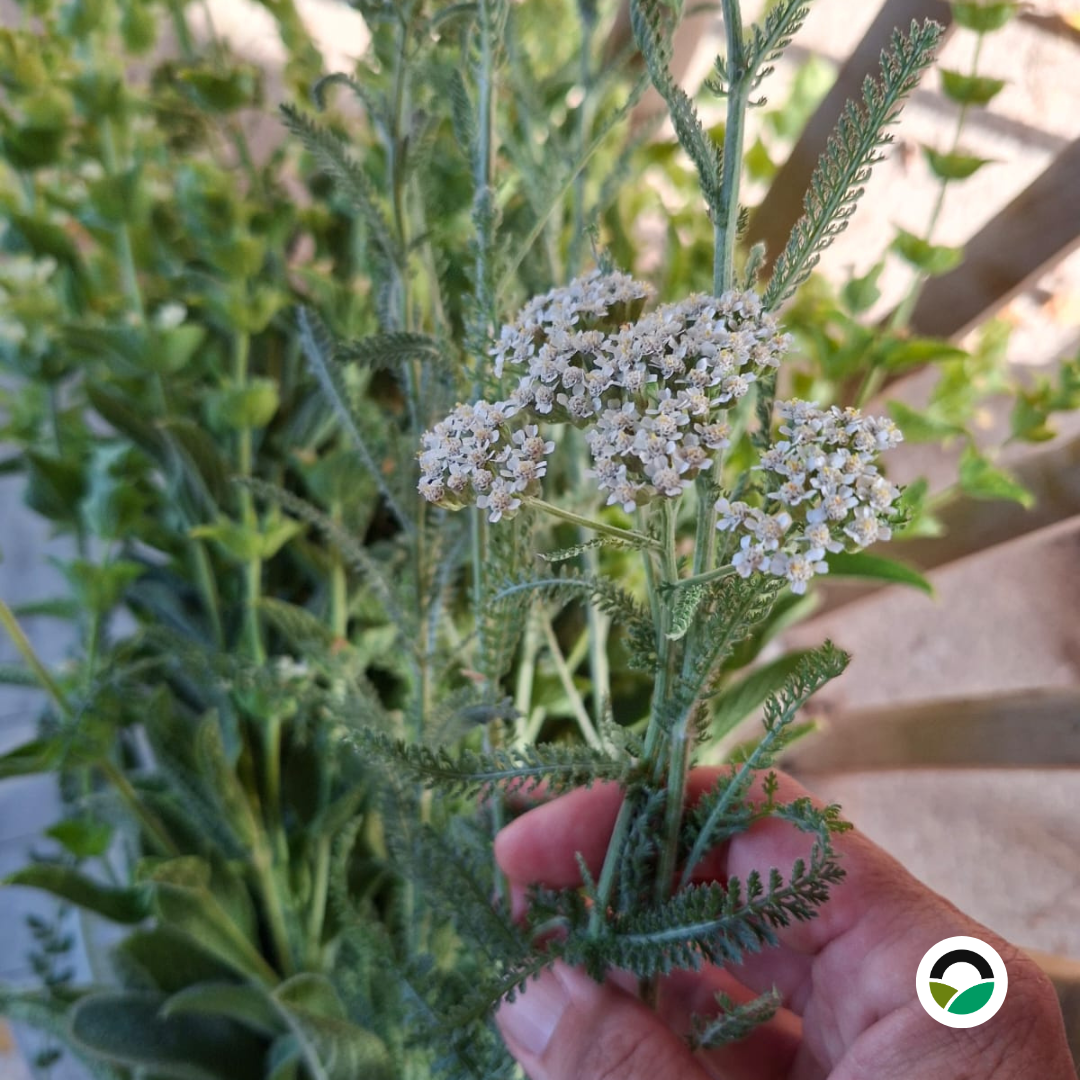
Yarrow (Achillea millefolium) is a resilient perennial herb known for its ability to tolerate hot, dry conditions. Its deep root system allows it to continue growing even when many other herbaceous species begin to decline during midsummer.
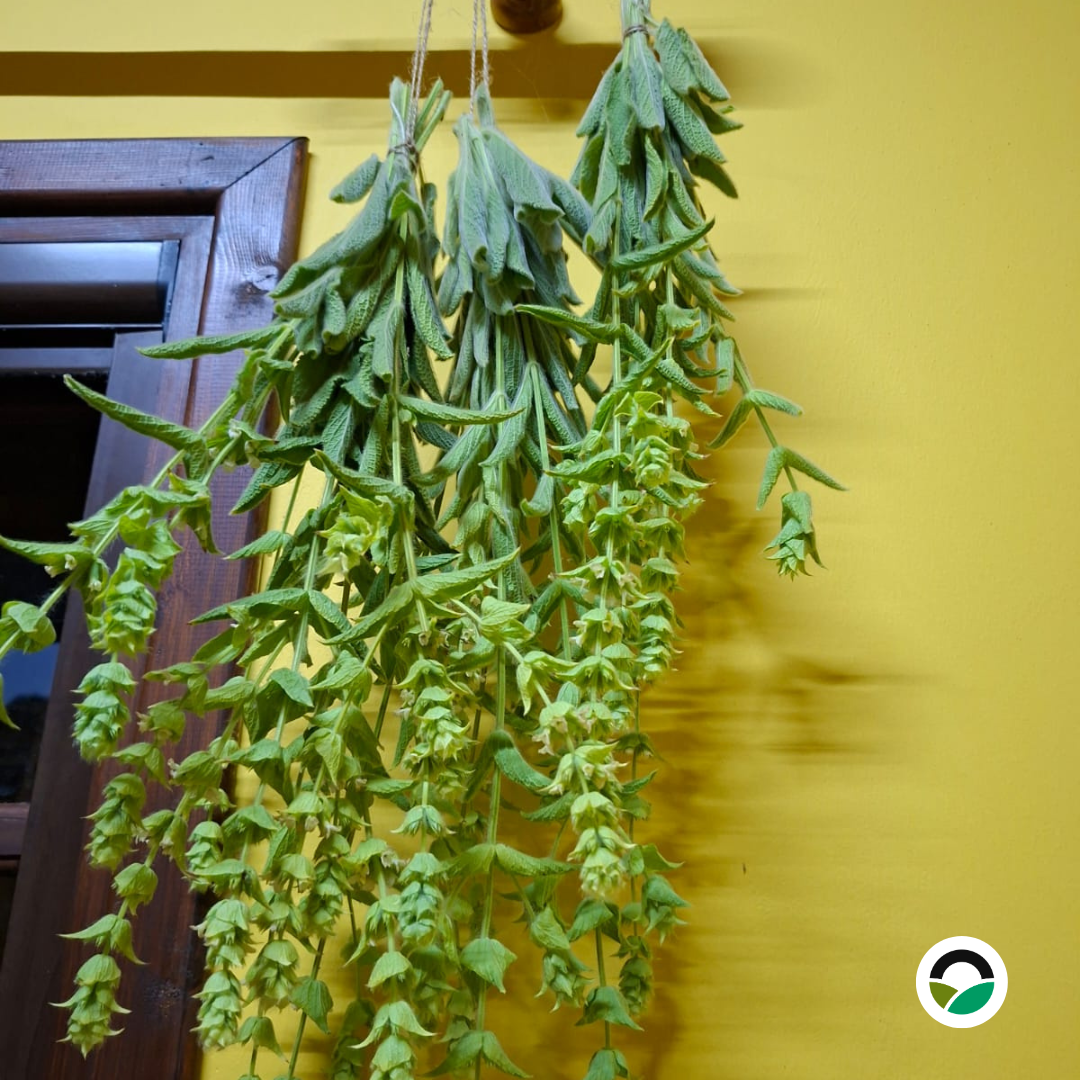
Alongside yarrow, mountain tea (Sideritis spp.) continues to thrive under Mediterranean conditions. Both species were harvested before being carefully hung to dry in a shaded, well-ventilated space, helping preserve their natural aroma and beneficial plant compounds.
Why natural drying matters
Drying herbs naturally is one of the oldest and most sustainable preservation methods. By avoiding direct sunlight and allowing good air circulation, aromatic plants retain more of their essential oils, fragrance and colour.
This traditional technique requires no artificial energy and has been used across Mediterranean communities for generations, making it an environmentally friendly way to preserve seasonal harvests.
Observations at Mavronero
During this week’s walk around the farm we observed several signs of seasonal resilience despite the demanding summer conditions.
Mature fennel seeds
Fennel seed heads had reached full maturity and were ready for harvesting before natural seed dispersal began.
Flowering yarrow
Healthy yarrow plants continued flowering despite prolonged heat and humidity, demonstrating their excellent drought tolerance.
Mountain tea harvest
Mountain tea remained vigorous and suitable for harvesting, with fresh stems collected for natural drying.
Why these observations matter
Mediterranean ecosystems have evolved under long, hot and dry summers. Native herbs have developed strategies that allow them to survive these challenging conditions while continuing important stages of their life cycle, including flowering, seed production and reproduction.
Observing these seasonal rhythms helps us understand when each species reaches its optimal harvest stage. Responsible harvesting not only improves the quality of the collected herbs but also respects the natural cycles that sustain biodiversity.
At Mavronero Farm, every seasonal harvest offers another opportunity to learn from nature and appreciate the remarkable resilience of Mediterranean plants.
Interesting facts
Fennel
- Fennel belongs to the carrot family (Apiaceae).
- A single fennel flower head can produce hundreds of seeds.
- Mature seeds are harvested once they change from green to light brown.
Yarrow
- Yarrow (Achillea millefolium) is a perennial species that returns every year.
- It is naturally adapted to drought and poor soils.
- It is an important nectar source for many pollinating insects.
Mountain tea
- Mountain tea belongs to the genus Sideritis, which includes more than 150 species.
- It naturally grows in rocky Mediterranean environments.
- Traditional air-drying helps preserve its aroma and flavour.
Conclusion
Summer may appear to be a quiet season in Mediterranean landscapes, but many native herbs continue to thrive and complete important stages of their life cycle.
This week’s harvest of fennel seeds, yarrow and mountain tea highlights the resilience of Mediterranean flora and the value of observing nature’s seasonal rhythms. Working with these natural cycles allows regenerative farming to preserve biodiversity while producing high-quality herbs in a sustainable way.
Sources
- Royal Botanic Gardens, Kew – Plants of the World Online (Foeniculum vulgare)
- Royal Botanic Gardens, Kew – Plants of the World Online (Achillea millefolium)
- Royal Botanic Gardens, Kew – Plants of the World Online (Sideritis)
- FAO – Traditional knowledge and Mediterranean biodiversity
- University of California Agriculture and Natural Resources – Drying Herbs
