
Healthy crops begin long before harvest. At Mavronero, every stage of plant development provides valuable insight into the resilience of our farming system and the health of our soils.
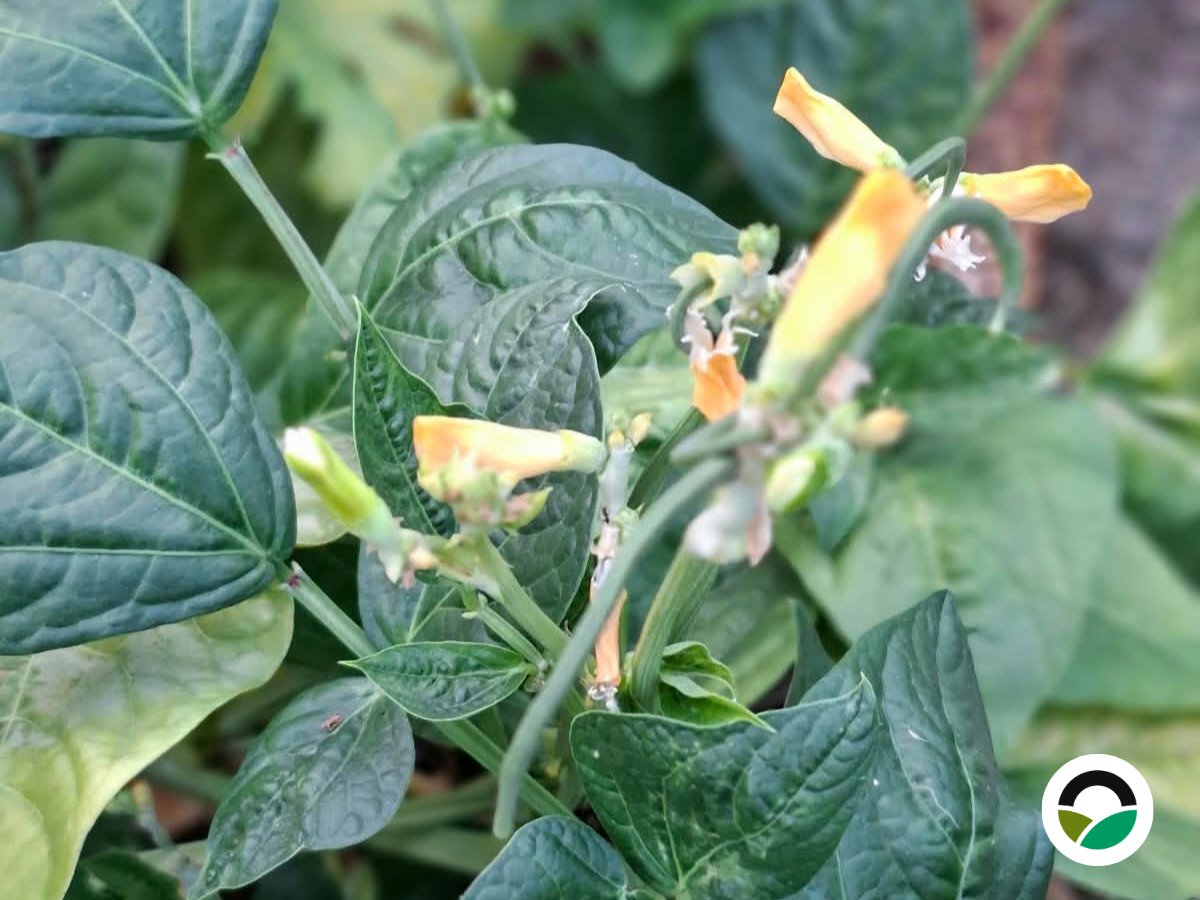
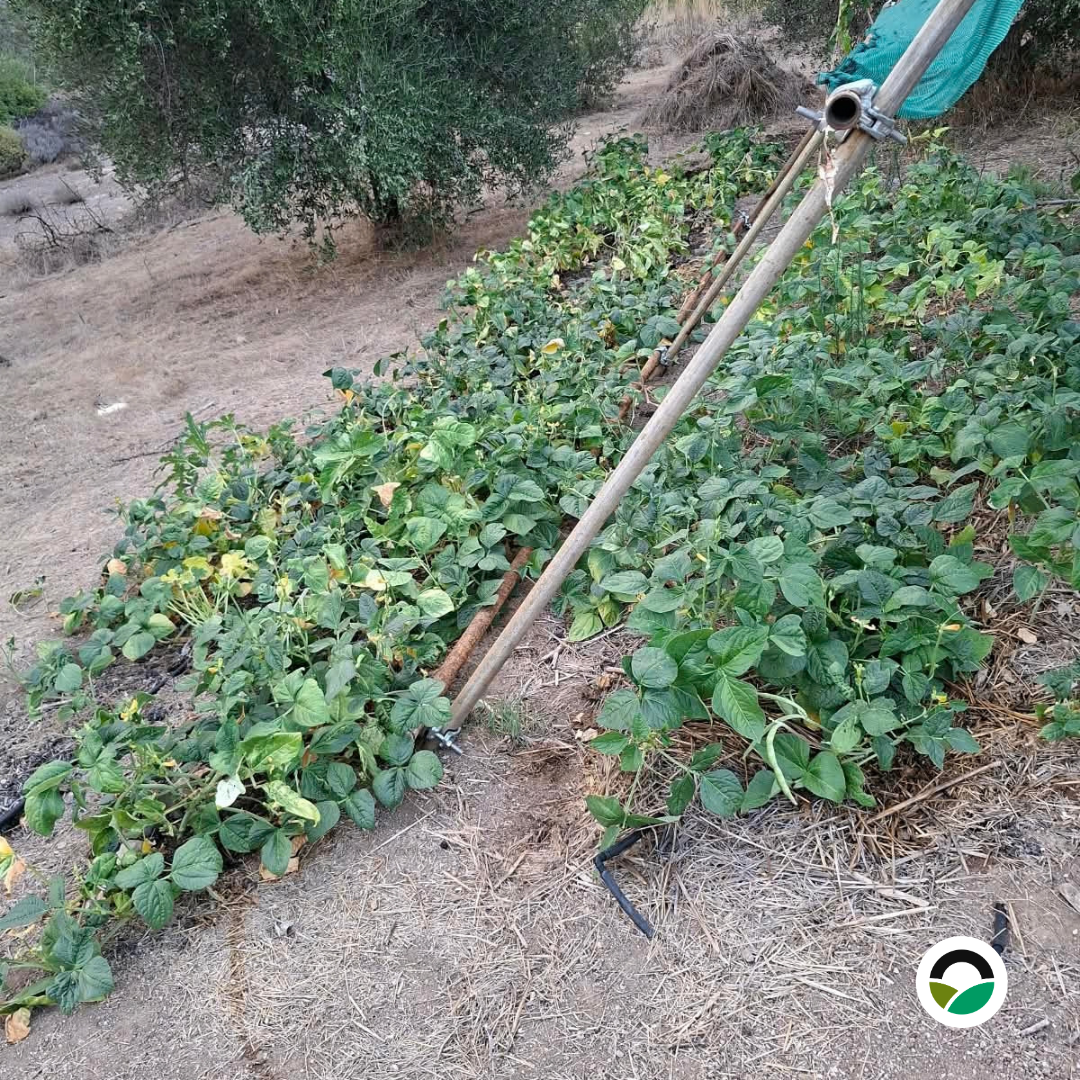
Our black-eyed beans (Vigna unguiculata), known locally in Cyprus as louvi, have now reached an exciting milestone. After establishing strong vegetative growth on the river terrace, the plants have begun flowering and producing their first pods, marking the beginning of this season’s harvest.
A resilient crop for Mediterranean climates
Black-eyed beans are well suited to warm, dry environments and have been cultivated across the Mediterranean for generations. Their drought tolerance and relatively low water requirements make them an excellent crop for regions experiencing increasingly hot and dry summers.
At Mavronero, they are grown as part of our commitment to building resilient and diverse agricultural systems that work with local environmental conditions.
The first pods appear
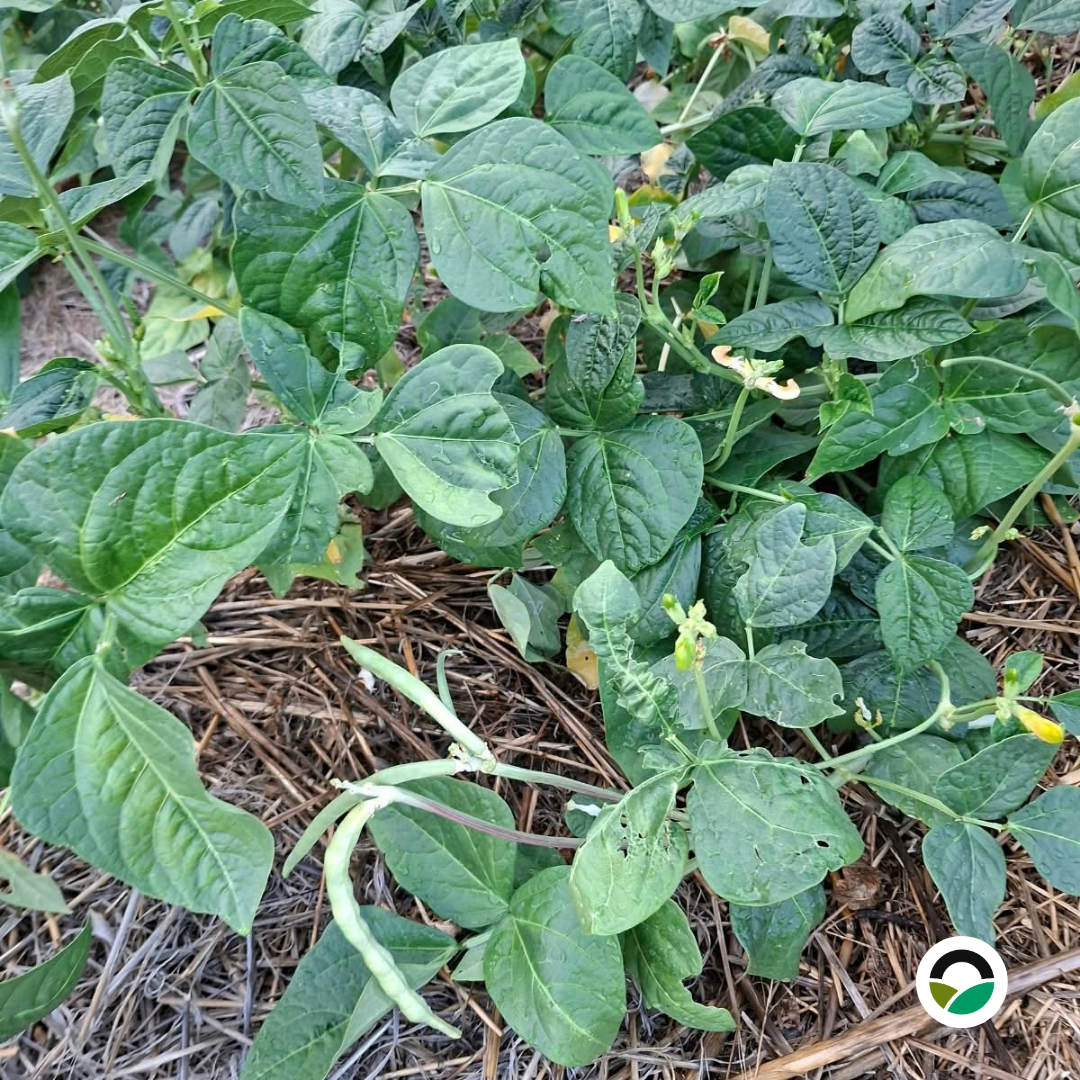
Flowering is one of the most important stages in the bean’s life cycle. Once pollination is successful, slender green pods begin to develop, gradually filling with seeds over the following weeks.
The appearance of the first pods is an encouraging sign that the plants are healthy and that growing conditions have supported successful flowering and fruit set.
While harvest is still ahead, these early pods indicate that the crop is progressing well.
Improving soil naturally
Like other legumes, black-eyed beans form a beneficial relationship with nitrogen-fixing bacteria that live in nodules on their roots. These microorganisms convert atmospheric nitrogen into forms that plants can use, reducing the need for synthetic fertilisers.
This natural process contributes to healthier soils and can benefit future crops grown in the same area as part of a diverse farming system.
Growing legumes is therefore not only about producing food but also about supporting long-term soil fertility.
Supporting biodiversity through crop diversity
Maintaining a wide variety of crops increases the resilience of agricultural ecosystems. Different plant species attract different pollinators and beneficial insects while helping create a more balanced and productive landscape.
At Mavronero, introducing and observing diverse crops allows us to better understand how different species perform under local conditions while contributing to a richer and more resilient farm ecosystem.
Each successful crop strengthens both biodiversity and our knowledge of regenerative farming practices.
Looking ahead to the harvest
The first pods are only the beginning. Over the coming weeks, the plants will continue producing additional flowers and pods as they mature.
Monitoring each stage of development helps us understand seasonal patterns, improve future cultivation methods and document the progress of the farm through careful observation.
We are looking forward to seeing how this year’s black-eyed bean harvest develops.
Conclusion
The first black-eyed bean pods represent much more than the start of a harvest. They reflect healthy plant development, living soils and the value of working with crops that are naturally adapted to Mediterranean environments.
By combining biodiversity, regenerative farming practices and continuous observation, Mavronero continues to build a productive agricultural landscape that supports both nature and people.
Sources
- Food and Agriculture Organization of the United Nations (FAO). Pulses and sustainable food systems.
- Food and Agriculture Organization of the United Nations (FAO). Legumes and biological nitrogen fixation.
- CGIAR. Cowpea (Vigna unguiculata) research and sustainable agriculture.
- Royal Botanic Gardens, Kew. Plants of the World Online – Vigna unguiculata.
- University of California Agriculture and Natural Resources. Growing beans in home and market gardens.
- Sustainable Food Trust. The role of legumes in regenerative agriculture.
