
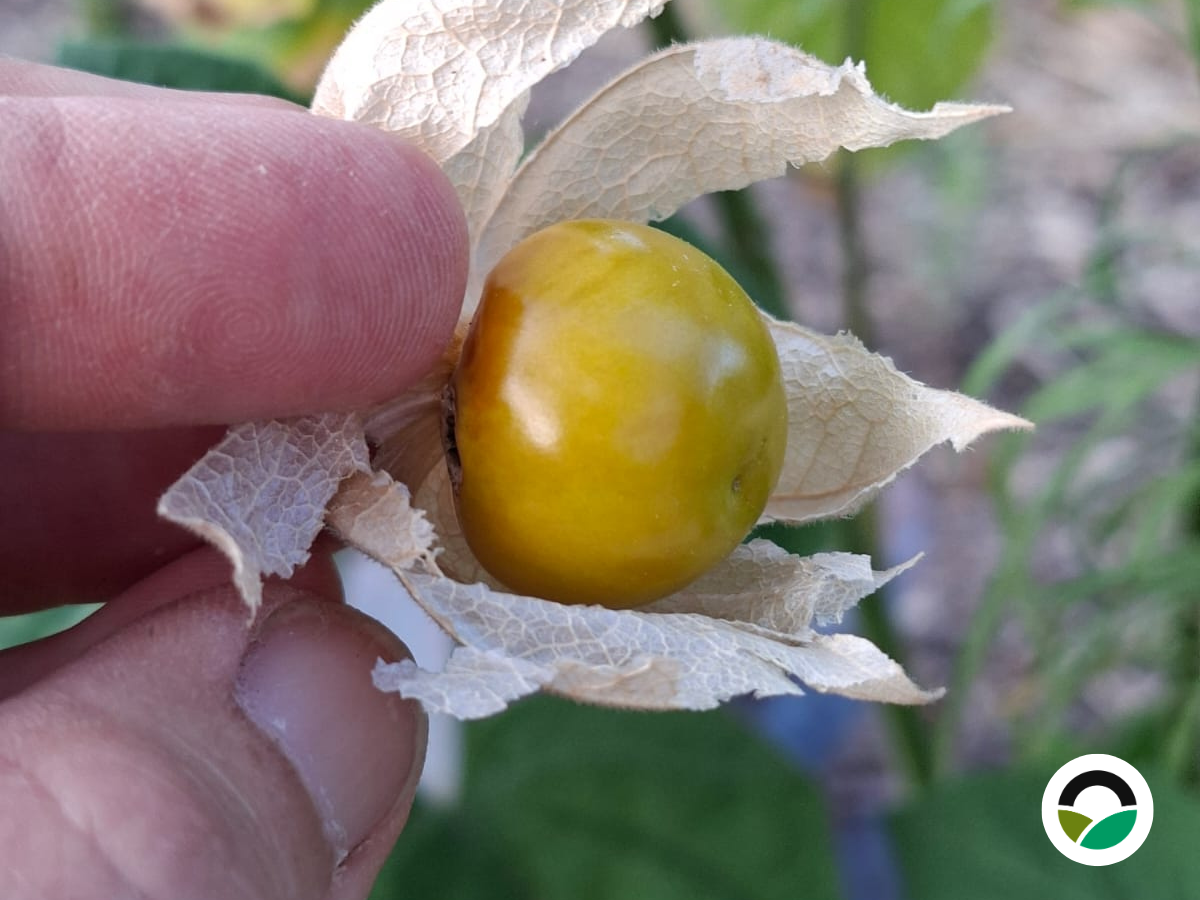
The first golden fruits of summer
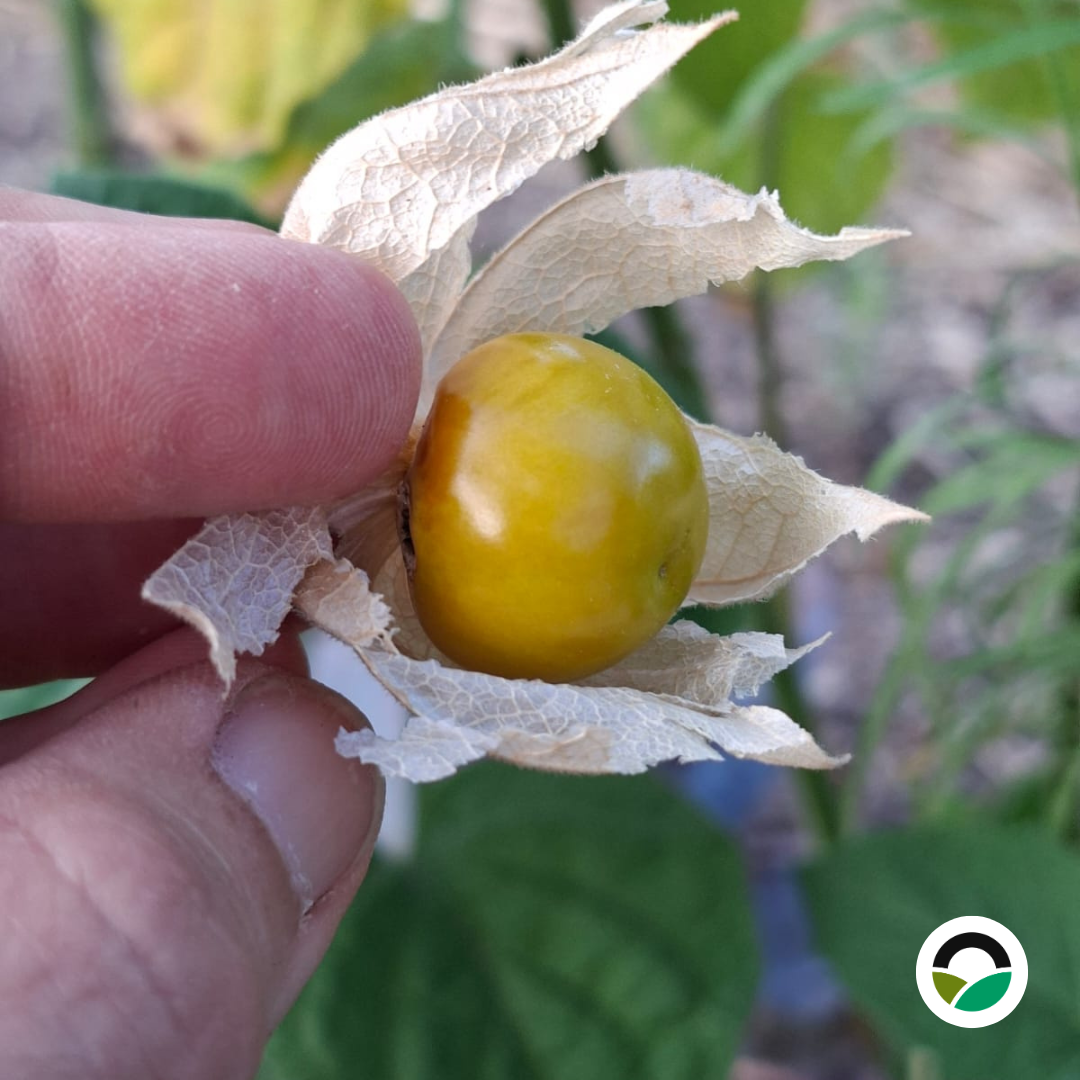
One of the quieter signs that summer has fully arrived at Mavronero is the appearance of the first ripe Cape gooseberries (Physalis peruviana).
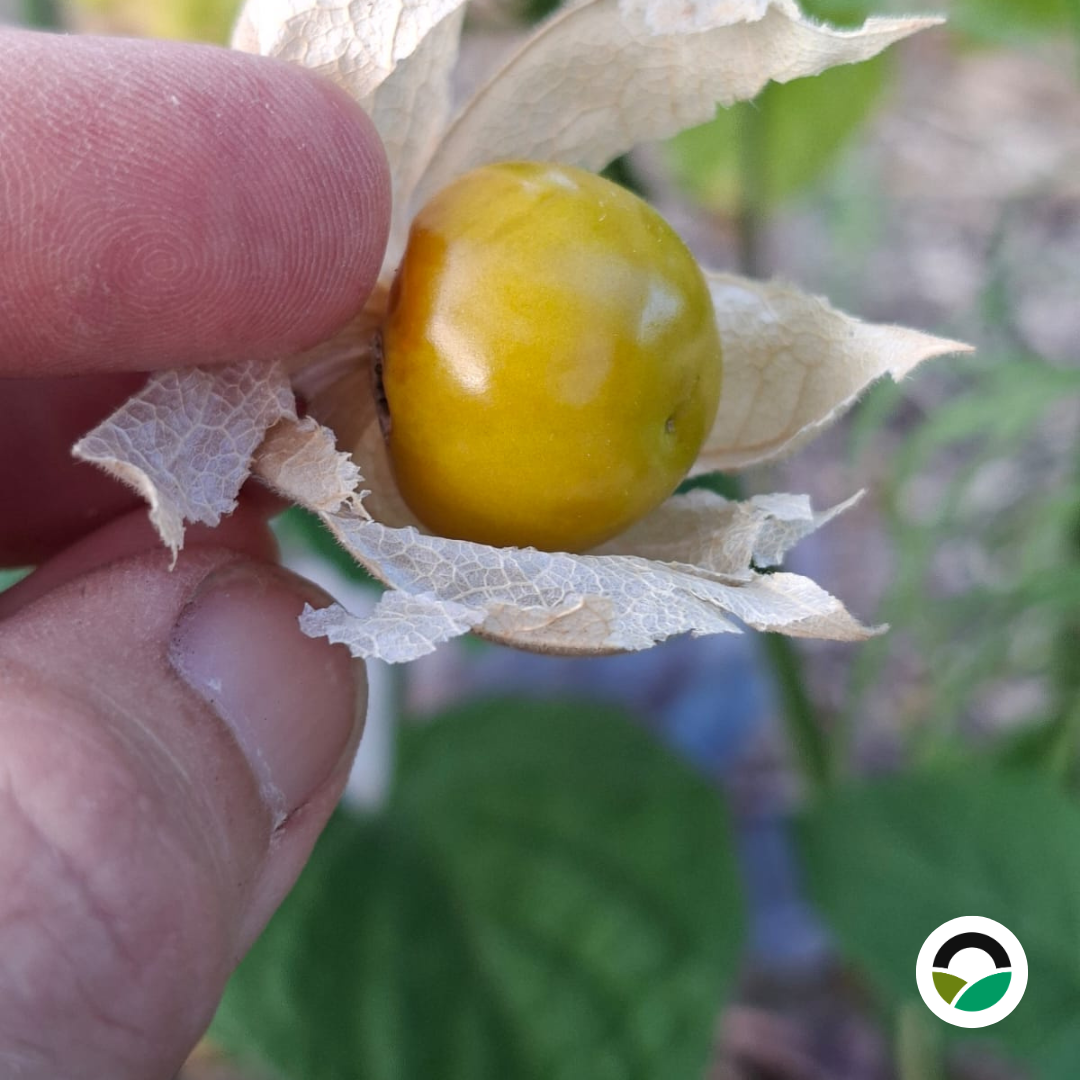
Hidden inside delicate papery husks, these small golden fruits are easy to overlook until they are ready to harvest. Their lantern-like covering protects them throughout their development, making physalis one of the most distinctive and elegant fruits found in the garden.
Although not as widely cultivated as tomatoes or peppers, Cape gooseberry has earned popularity around the world for its unique flavour, nutritional value, and remarkable appearance.
At Mavronero, harvesting the first fruits of the season is another reminder that every plant follows its own natural rhythm.
What is Cape gooseberry?
Cape gooseberry (Physalis peruviana), sometimes called goldenberry, Peruvian groundcherry or simply physalis, belongs to the nightshade family (Solanaceae), alongside tomatoes, peppers, aubergines and potatoes.
Despite the name “Cape gooseberry”, it is not related to true gooseberries. The common name originated centuries ago after the plant became popular in South Africa before spreading throughout Europe.
Today it is cultivated in many warm regions around the world, where it adapts well to Mediterranean climates.
Its bright orange-yellow berries have a pleasantly sweet flavour balanced with refreshing citrus notes, making them popular both fresh and in cooking.
Nature’s own protective lantern
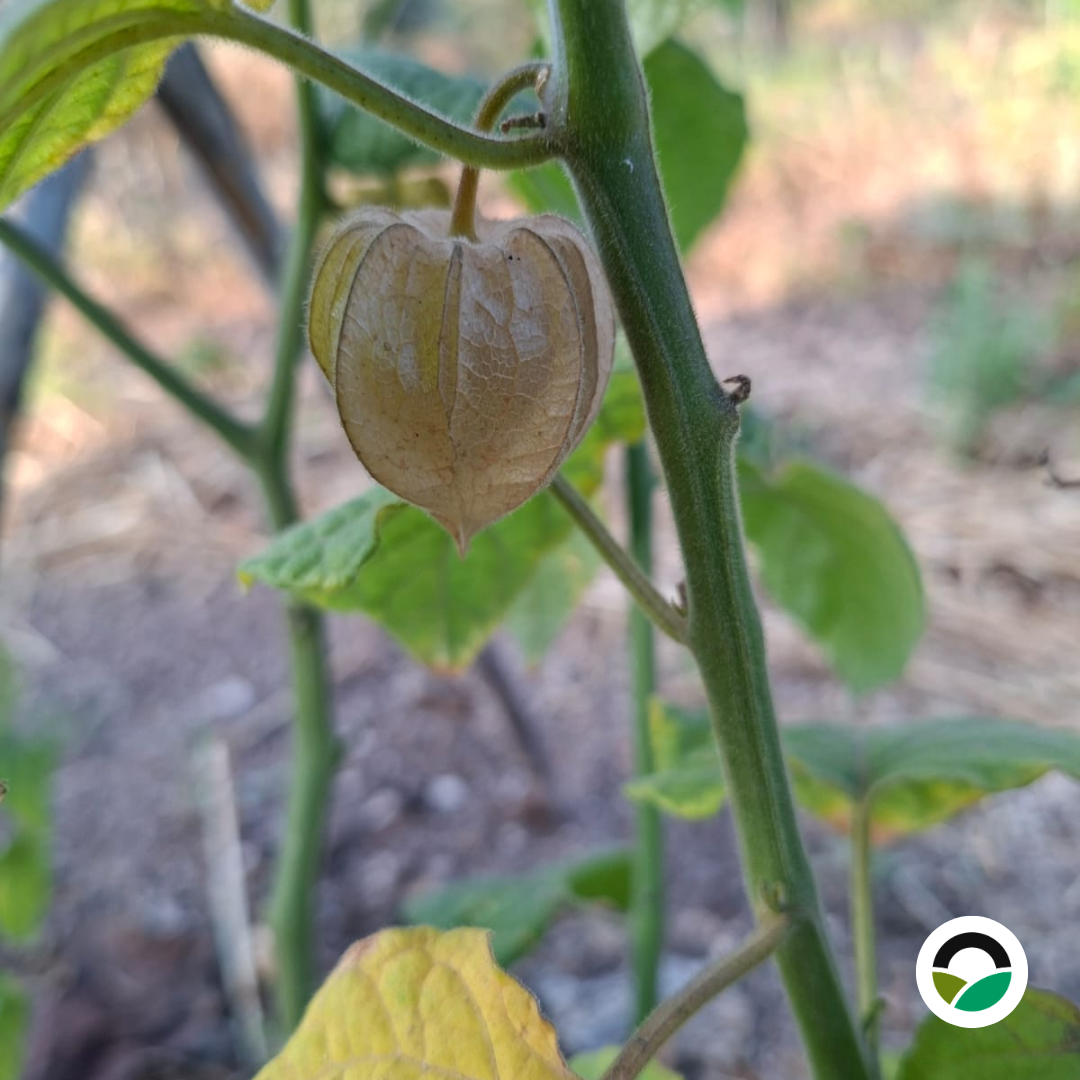
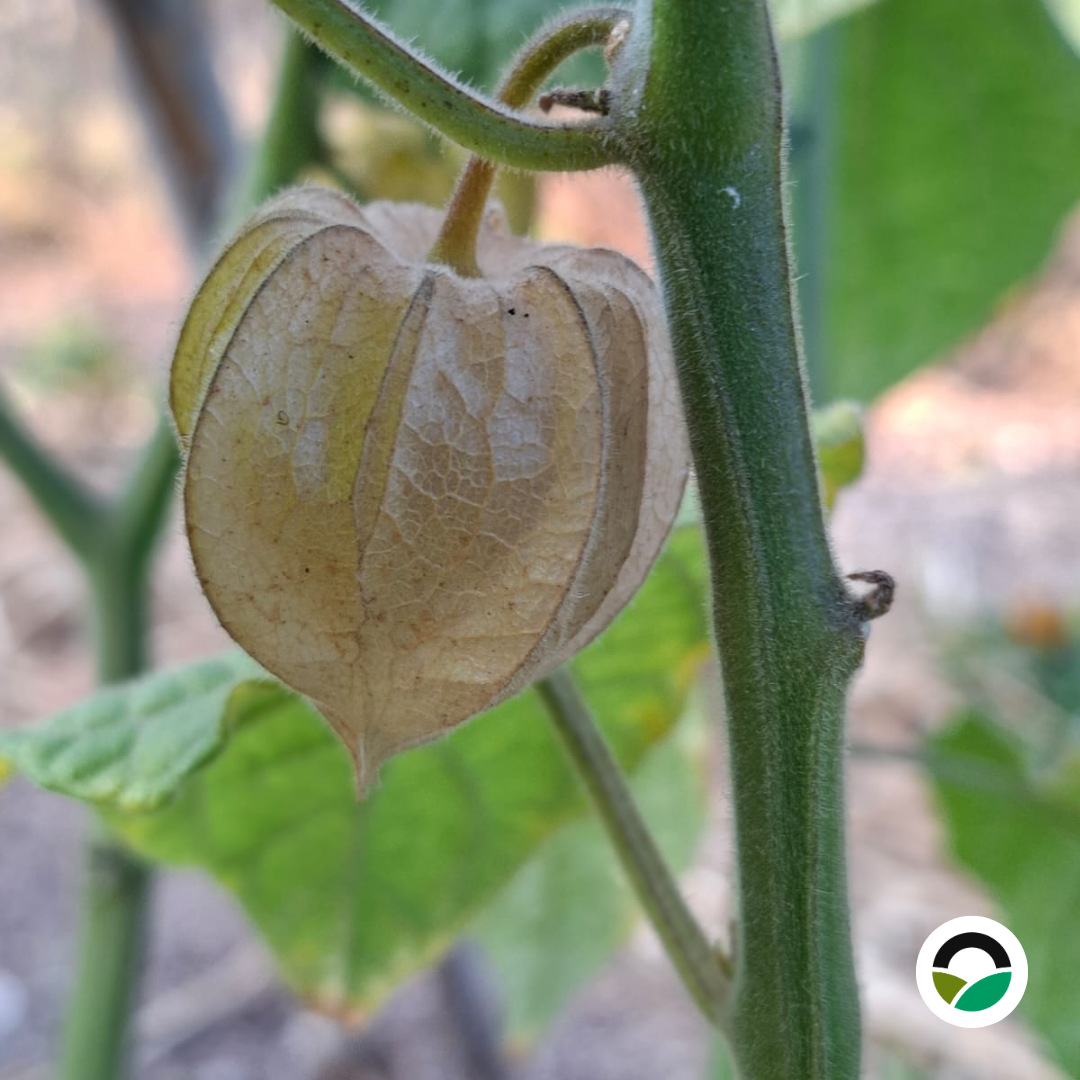
Perhaps the most fascinating characteristic of Cape gooseberry is the delicate husk that surrounds each fruit.
As the flower fades, the calyx expands into a paper-like lantern that completely encloses the developing berry.
This natural wrapper serves several purposes:
- protects the fruit from insects
- reduces sun damage
- helps prevent mechanical injury
- allows air circulation around the fruit
- extends shelf life after harvest
As the fruit ripens, the husk gradually changes from green to pale beige, becoming dry and almost translucent before eventually opening naturally.
It is one of nature’s most beautiful examples of form meeting function.
Rich in vitamins and antioxidants
Despite their small size, Cape gooseberries are surprisingly nutritious.
They contain significant amounts of:
- vitamin C
- provitamin A (beta-carotene)
- vitamin K
- dietary fibre
- polyphenols
- antioxidant compounds
Their combination of vitamins and antioxidants has made them increasingly popular among people seeking nutrient-rich fruits as part of a balanced diet.
Their refreshing sweet-and-tart flavour also makes them an excellent healthy snack straight from the plant.
From the garden to the kitchen
Cape gooseberries are extremely versatile.
Fresh fruits can simply be eaten as they are, but they are equally suitable for a wide range of recipes.
Some favourite ways to enjoy them include:
- fresh fruit salads
- homemade jam
- chutney
- yoghurt toppings
- cheeseboards
- cakes and tarts
- smoothies
- fruit sauces for roasted meat
- chocolate-covered physalis
- decorative garnishes for desserts
Their natural balance between sweetness and acidity makes them especially popular in both sweet and savoury dishes.
An ancient fruit with a long history
Although physalis has become fashionable in recent years, it has been cultivated for centuries.
The plant originates in the Andean regions of South America, where it was already grown by Indigenous peoples long before European explorers arrived.
During the eighteenth century it spread across the world through botanical gardens and agricultural collections, eventually becoming established in Africa, Asia and the Mediterranean.
Today it is appreciated not only for its flavour but also for its ornamental beauty.
Curious facts about Cape gooseberry
Cape gooseberry has several unusual characteristics that make it one of the most interesting fruits in the garden.
- Each fruit develops inside a naturally formed protective husk.
- The husk continues protecting the fruit even after harvest.
- Fully ripe fruits usually fall naturally from the plant when ready.
- The lantern-like covering inspired many decorative uses in dried flower arrangements.
- The fruit combines flavours reminiscent of pineapple, mango, passion fruit and citrus.
- The plant flowers continuously throughout the warm season, producing fruit over many weeks.
Growing naturally at Mavronero
The Cape gooseberries growing at Mavronero are part of the farmhouse garden, where a variety of seasonal fruits, vegetables and herbs are cultivated alongside the surrounding olive groves.
Rather than forcing production, harvesting follows the natural development of each plant.
The first ripe physalis signals the beginning of another productive summer, offering food not only for people but also supporting pollinators throughout the flowering season.
Observing these small seasonal changes helps us appreciate the diversity that exists within sustainable farming systems.
Conclusion
The arrival of the first Cape gooseberries is one of many small seasonal milestones that mark the changing rhythm of life at Mavronero.
Behind each golden berry lies months of growth, flowering and natural protection inside its delicate papery lantern.
Whether enjoyed fresh, transformed into homemade recipes or simply admired for their unusual appearance, Cape gooseberries remind us that some of nature’s most remarkable creations are also among its smallest.
As summer continues, the garden will offer many more discoveries—each one reflecting the beauty, diversity and resilience of Mediterranean agriculture.
