
A little flower with a long tradition
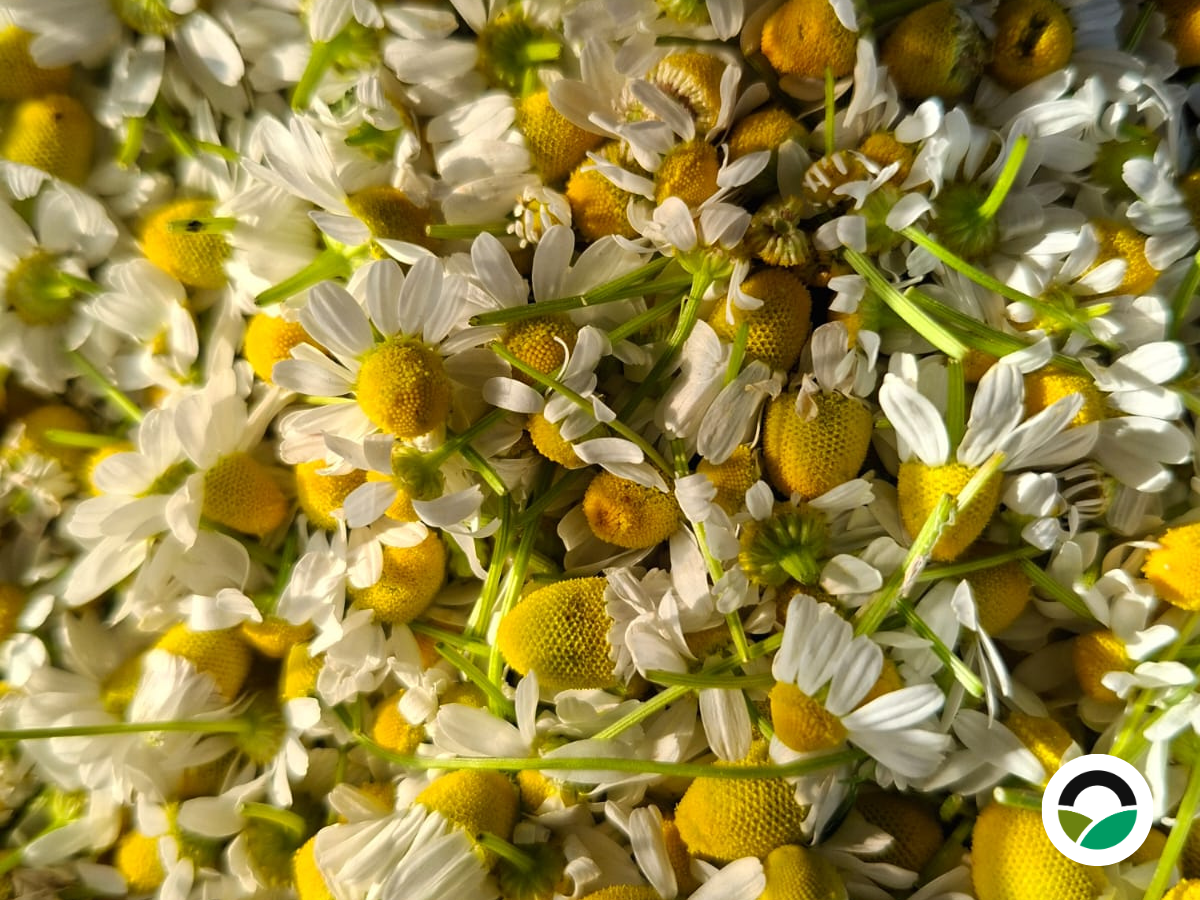
With its small white petals and golden centre, chamomile is one of the most recognisable plants associated with herbal teas. Its gentle appearance and distinctive aroma have made it a familiar part of everyday life across many cultures.
For generations, chamomile flowers have been collected and dried to prepare herbal infusions, often enjoyed as part of a quiet evening routine. Beyond the teacup, this delicate plant also has an interesting place in the natural world, where its flowers can attract visiting insects.
Getting to know chamomile means looking beyond its reputation as a soothing herbal tea. Its botanical characteristics, history and relationship with the surrounding environment all contribute to the story of this familiar plant.
What is chamomile?
Chamomile (Matricaria chamomilla), also known as German chamomile or wild chamomile, is an annual flowering plant belonging to the Asteraceae family. This is the same large plant family that includes daisies, sunflowers and calendula.
The species is native to a broad region extending from parts of Europe and North Africa across temperate Eurasia. Today, it is also cultivated in many other parts of the world, particularly for its aromatic flowers. Royal Botanic Gardens, Kew
Botanical characteristics
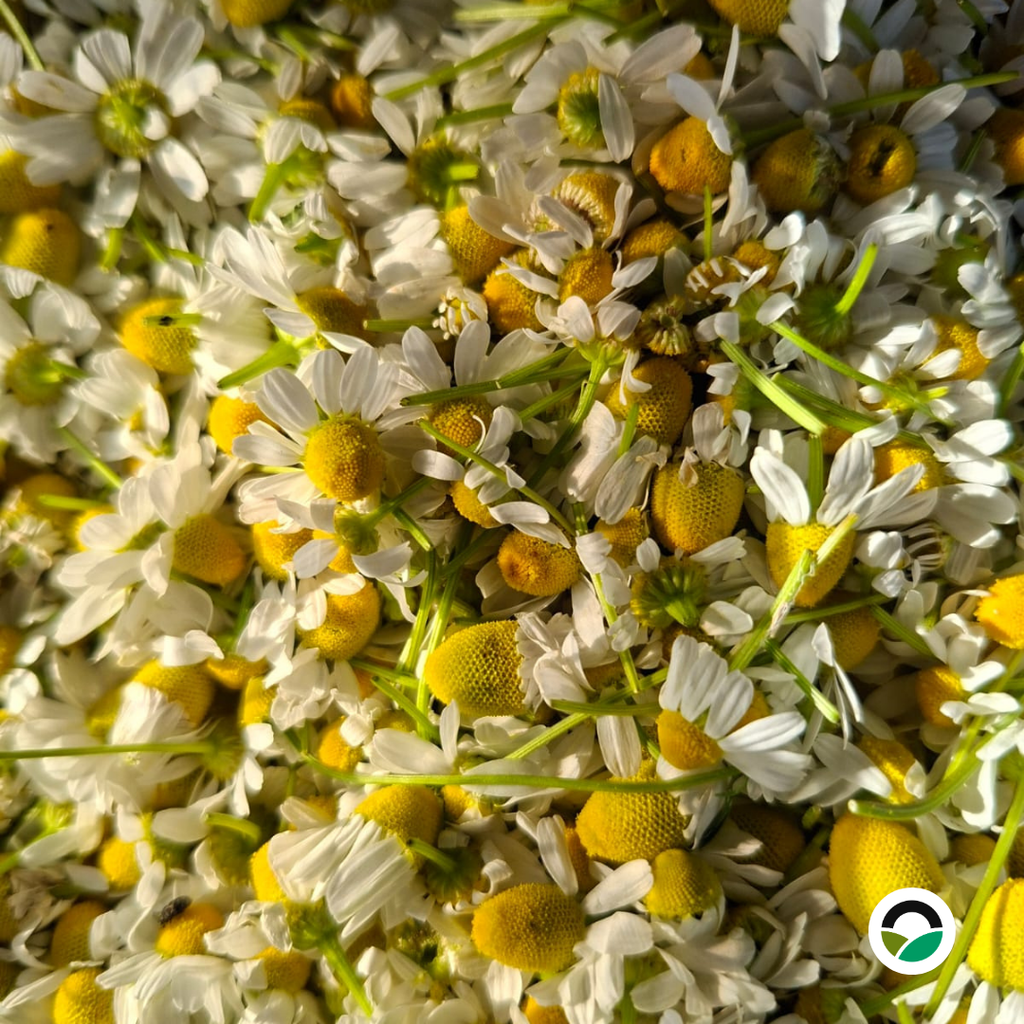
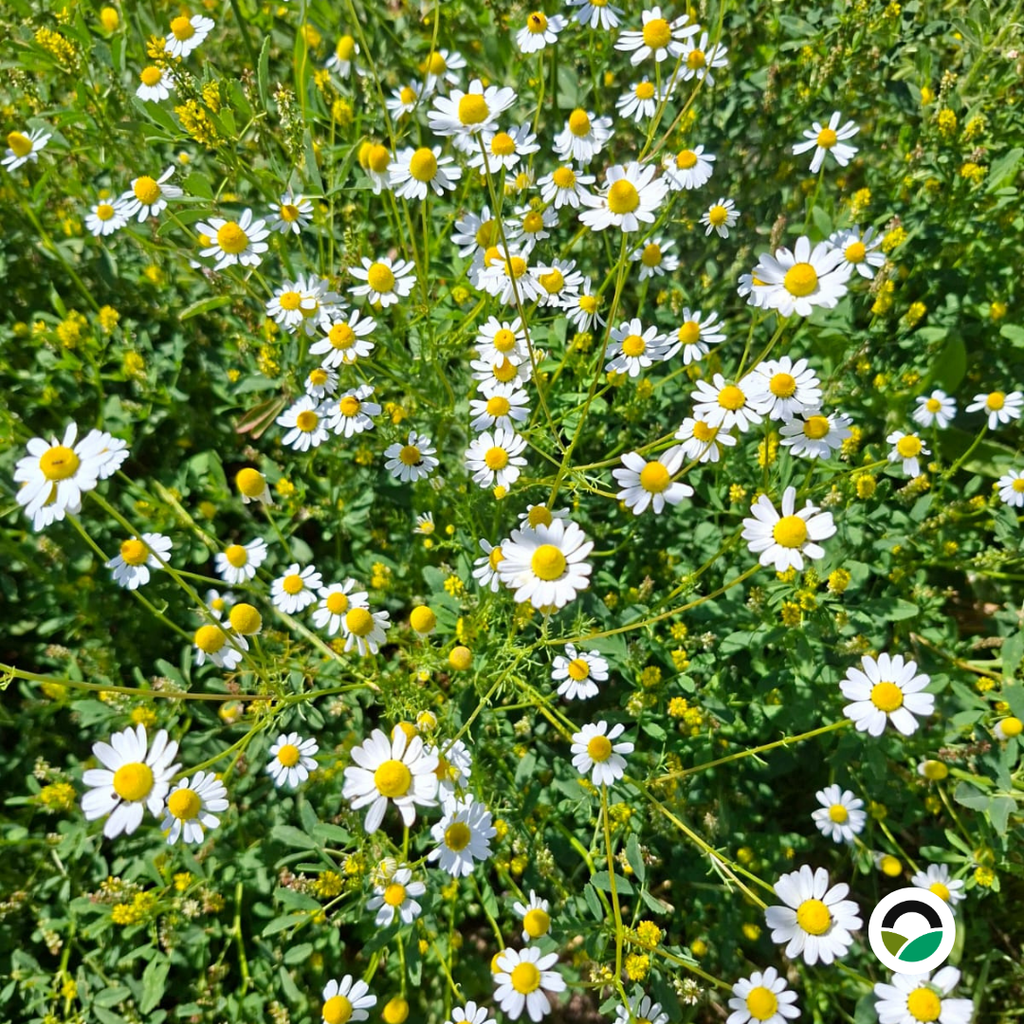
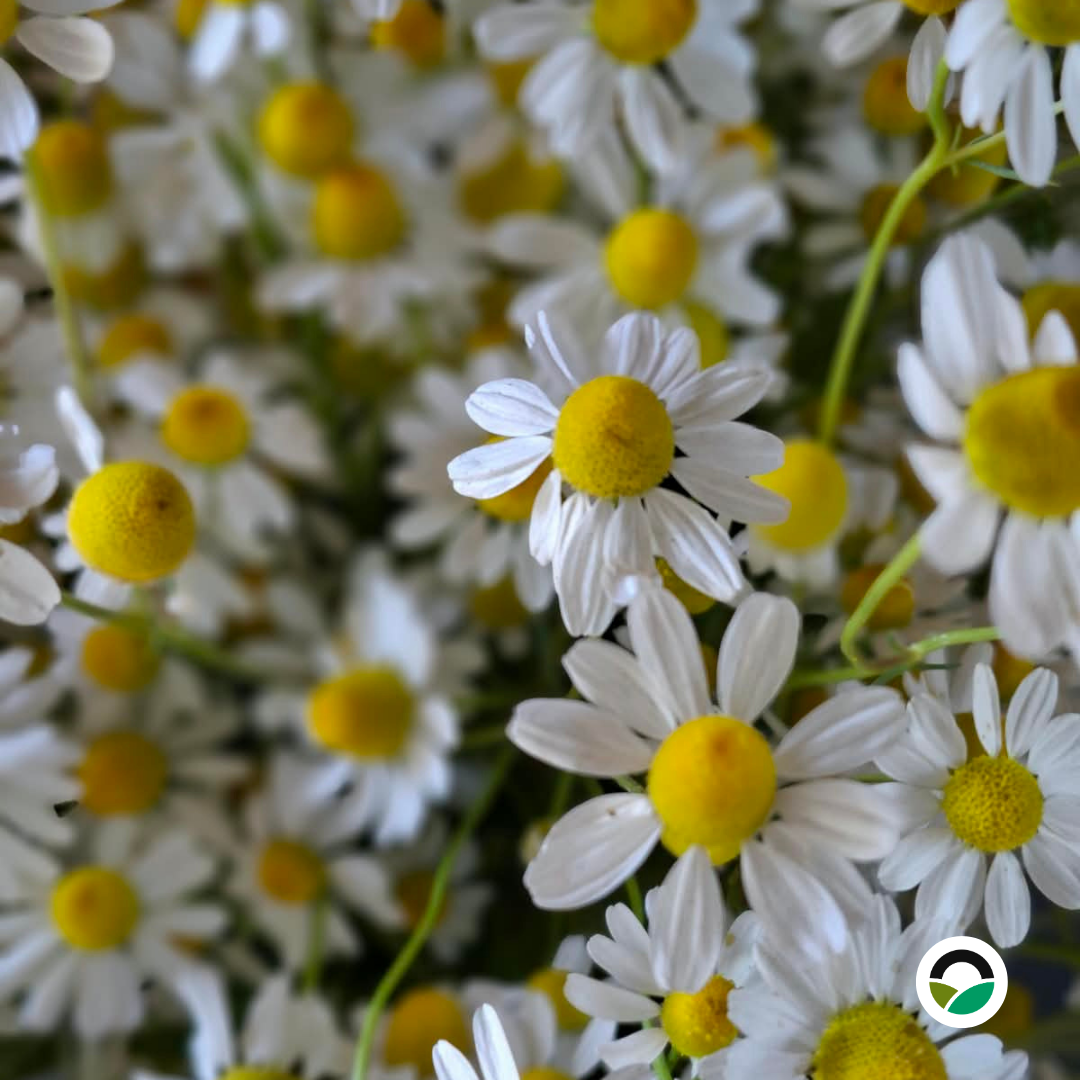
Chamomile is a delicate-looking plant with finely divided, feathery leaves and slender, branching stems. Its flowers resemble small daisies, with white petals surrounding a yellow central disc.
One of its most distinctive features is the flower head’s raised, hollow receptacle, which helps distinguish German chamomile from some similar-looking plants.
When crushed, the flowers and foliage release a characteristic sweet, apple-like aroma. This fragrance is one of the reasons chamomile has been valued in traditional herbal preparations for so long.
Chamomile generally grows in open, sunny places and can be found in meadows, grasslands, field margins and disturbed ground. Its appearance and flowering period vary depending on local conditions.
Why is it called chamomile?
The name chamomile comes from Greek roots meaning approximately “earth apple”, a reference to the plant’s characteristic apple-like fragrance.
The scientific name Matricaria chamomilla also has a long history. The genus name Matricaria is traditionally associated with the Latin word matrix, meaning womb, reflecting the plant’s historical use in women’s herbal traditions.
These names connect chamomile’s botanical identity with the cultural practices and traditional knowledge that have surrounded the plant for centuries.
Chamomile and biodiversity
Although chamomile is best known as an ingredient in herbal tea, its flowers also have a place in the wider environment.
A source of food for insects
Chamomile’s open flower heads can attract insects that visit flowers for nectar and pollen. Depending on the location and surrounding vegetation, these visitors may include bees, hoverflies and other small insects.
Flowering plants provide important resources for insects throughout the growing season. A landscape with a variety of flowering species can offer different sources of food and create opportunities for a wider range of insects to thrive.
Chamomile can contribute to this diversity when it grows alongside other flowering plants, although the insects it attracts will depend on local conditions.
A plant of open habitats
Chamomile is associated with open environments, including grasslands, field margins and areas of cultivated ground.
Its presence in these habitats illustrates how familiar plants can form part of the wider relationships between vegetation, insects and the landscape.
Observing flowering plants and the insects that visit them is a simple way to learn more about biodiversity. Even a small flower can offer an opportunity to notice the connections between plants and the wildlife around them.
Chamomile as an herbal tea
Chamomile has a long history of use in traditional herbal practices and remains one of the most popular plants for preparing herbal infusions.
The flower heads are the part most commonly collected and dried for tea. When steeped in hot water, they produce a pale golden infusion with a characteristic floral and slightly sweet aroma.
Chamomile tea is often enjoyed in the evening as part of a relaxing daily ritual. For many people, its familiar scent and gentle flavour are just as much a part of the experience as the drink itself.
How is chamomile tea prepared?
Chamomile tea is simple to prepare using dried flower heads and hot water.
For a basic infusion:
- Place dried chamomile flowers in a cup or teapot.
- Pour freshly boiled water over the flowers.
- Cover and leave to steep for approximately 5–10 minutes.
- Strain the flowers before drinking.
The steeping time can be adjusted to suit your taste. A shorter infusion generally produces a lighter flavour, while a longer steeping time can create a more pronounced floral aroma.
Chamomile is often enjoyed on its own, but it can also be combined with other herbs to create different flavour profiles.
Traditional uses of chamomile
Chamomile has been used in traditional herbal practices for generations. Its infusion is commonly associated with moments of rest and relaxation, while other traditional preparations have been used for digestive discomfort and minor skin complaints.
Its familiar place in everyday life reflects the long relationship between people and aromatic plants. In many households, preparing chamomile tea remains a simple ritual associated with slowing down at the end of the day.
Although chamomile has a long history of traditional use, it should not be regarded as a guaranteed treatment for sleep problems or other health conditions. People with allergies to chamomile or related plants should take care, and anyone who is pregnant, breastfeeding or taking medication should seek professional advice before using it medicinally.
Growing and harvesting chamomile
Chamomile can be grown in gardens and cultivated spaces, where its delicate flowers add a natural touch to the landscape.
It generally prefers sunny locations and soil that drains well. Once established, it can grow in a range of open conditions, although successful cultivation depends on the local climate and soil.
Collecting the flowers
The flower heads are the part of chamomile most commonly collected for herbal tea.
Flowers are generally harvested when they are fully open. They can then be dried carefully in a clean, well-ventilated place, away from direct sunlight, before being stored in an airtight container.
As with any plant intended for consumption, correct identification is essential. Chamomile can resemble other members of the daisy family, so it should only be collected when the species is known with confidence.
Plants growing beside busy roads or in areas that may have been exposed to pesticides or other contaminants should not be collected for tea.
Responsible harvesting also means leaving enough flowers for the plant to continue its life cycle and for insects to benefit from the available floral resources.
Interesting facts about chamomile
- A member of the daisy family: Chamomile belongs to the Asteraceae family, alongside calendula, sunflowers and daisies.
- An apple-like aroma: Its characteristic fragrance is often described as sweet and reminiscent of apples.
- A traditional herbal favourite: Chamomile flowers have been used for generations to prepare herbal infusions.
- An annual plant: German chamomile completes its life cycle within a growing season, producing flowers and seeds.
- More than a cup of tea: Its flowers can also provide resources for visiting insects, making it interesting from a biodiversity perspective.
Conclusion
Chamomile (Matricaria chamomilla) is a small but familiar plant with a long history in traditional herbal practices. Its delicate white flowers, golden centre and characteristic aroma have made it a favourite for herbal infusions across generations.
Beyond its place in the teacup, chamomile is also part of the diversity of flowering plants found in open landscapes. Its flowers offer opportunities to observe the relationships between plants and visiting insects, reminding us that even familiar herbs have a place in the natural world.
By learning more about chamomile, we can appreciate not only its traditional uses but also the botanical characteristics and ecological connections that make this plant so interesting.
