

Species of the Month – July 2026
Acoustic monitoring at Mavronero provides continuous insight into local bird activity. Each month, we analyse detection data to better understand species presence, behavioural intensity and ecological patterns.
During the period 20/07/2026 – 27/07/2026, the most actively detected species among those not previously featured in our monitoring series was:
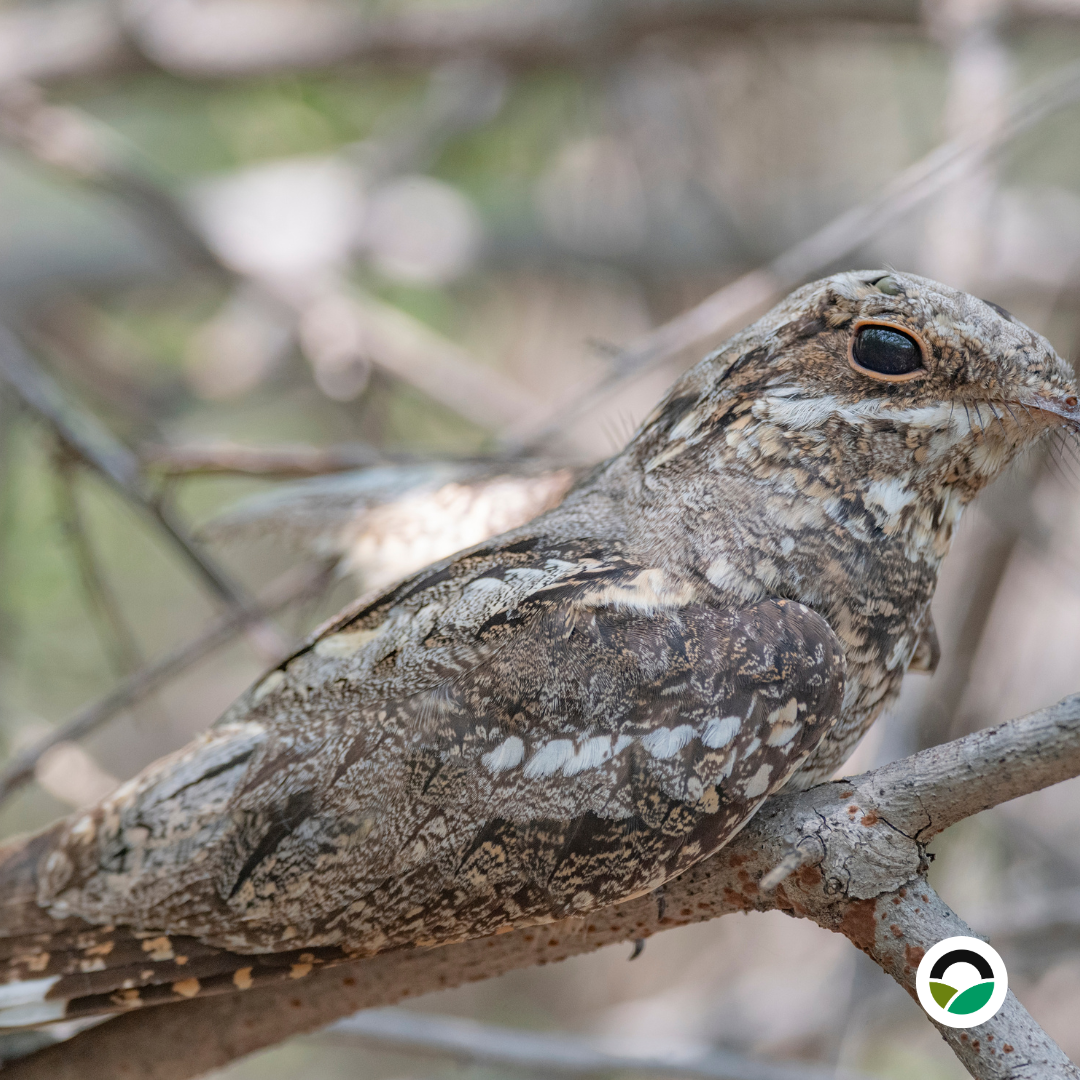
Eurasian Nightjar (Caprimulgus europaeus): 247 detections recorded within 7 days
This detection pattern highlights regular nocturnal activity and confirms the continued presence of this elusive species within the monitored landscape.
About the species
The Eurasian Nightjar (Caprimulgus europaeus) is a migratory nocturnal bird widely distributed across Europe, North Africa and parts of western Asia. During the breeding season, it inhabits open woodland, Mediterranean scrubland, heathlands and forest clearings, preferring habitats with sparse vegetation where it can forage efficiently after sunset.
Ecologically, the Eurasian Nightjar plays an important role as an aerial insect predator. Feeding primarily on moths, beetles and other flying insects, it contributes to the natural regulation of nocturnal insect populations and reflects the health of insect-rich ecosystems.
Behaviourally, the species is highly cryptic. Its mottled plumage provides exceptional camouflage during daylight hours, when it remains motionless on the ground or along tree branches. At night it becomes highly active, producing its distinctive continuous “churring” song, one of the most recognisable nocturnal bird vocalisations in Europe. This characteristic call makes the species particularly suitable for acoustic monitoring.
The Eurasian Nightjar is currently classified as Least Concern (IUCN), although local populations have experienced declines in some regions due to habitat loss, forestry practices and reductions in insect abundance.
Key ecological characteristics
- Habitat preference: Open woodland, Mediterranean scrubland and forest clearings
- Feeding behaviour: Flying insects (primarily moths, beetles and flies)
- Social structure: Mostly solitary
- Vocal characteristics: Continuous nocturnal churring song and territorial calls
Detection data at Mavronero
The species was identified through the permanent acoustic monitoring system installed at Mavronero.
(For detailed methodology, see our article on bird detection and acoustic monitoring.)
During the analysed period:
- 247 detections
- Regular nocturnal vocal activity
- Consistent detections across multiple nights
Compared with many diurnal species, the Eurasian Nightjar is detected almost exclusively after sunset. Its repeated vocalisations produced stable acoustic records throughout the monitoring period, indicating continued occupation of suitable habitat surrounding the monitoring station.
This dataset allows analysis of:
- Activity intensity
- Temporal distribution
- Persistence across consecutive nights


Interpreting the data
What do 247 detections in 7 days indicate?
- Regular nocturnal presence
- Active territorial vocalisation
- Stable habitat occupation
During the breeding season, male Eurasian Nightjars frequently produce prolonged vocal displays to defend territories and attract mates. These repetitive calls can continue for several minutes, making the species particularly detectable through passive acoustic monitoring.
Short-term variation may be influenced by:
- Breeding behaviour
- Weather conditions during the night
- Moonlight intensity
- Flying insect abundance
The detection frequency recorded during this period suggests that the Eurasian Nightjar remains an active and established component of the nocturnal bird community surrounding Mavronero.
Why this species matters
Even species that are rarely seen can provide valuable ecological information.
Changes in detection frequency may indicate:
- Habitat modification
- Changes in insect availability
- Seasonal breeding activity
- Environmental disturbance
Because the Eurasian Nightjar depends on healthy insect populations and relatively undisturbed habitats, its presence serves as an important indicator of ecosystem quality. Long-term acoustic monitoring helps reveal population trends that would be difficult to obtain through visual surveys alone.
Listening throughout the night allows us to document biodiversity that often remains hidden during daylight hours.
Conclusion
At Mavronero, consistent acoustic monitoring strengthens science-based environmental management.
The Eurasian Nightjar demonstrates how passive acoustic monitoring can reveal the presence and behaviour of species that are naturally difficult to observe, expanding our understanding of biodiversity beyond what visual observations alone can provide.
Listening systematically allows patterns to emerge — and patterns are the foundation of ecological understanding.
