
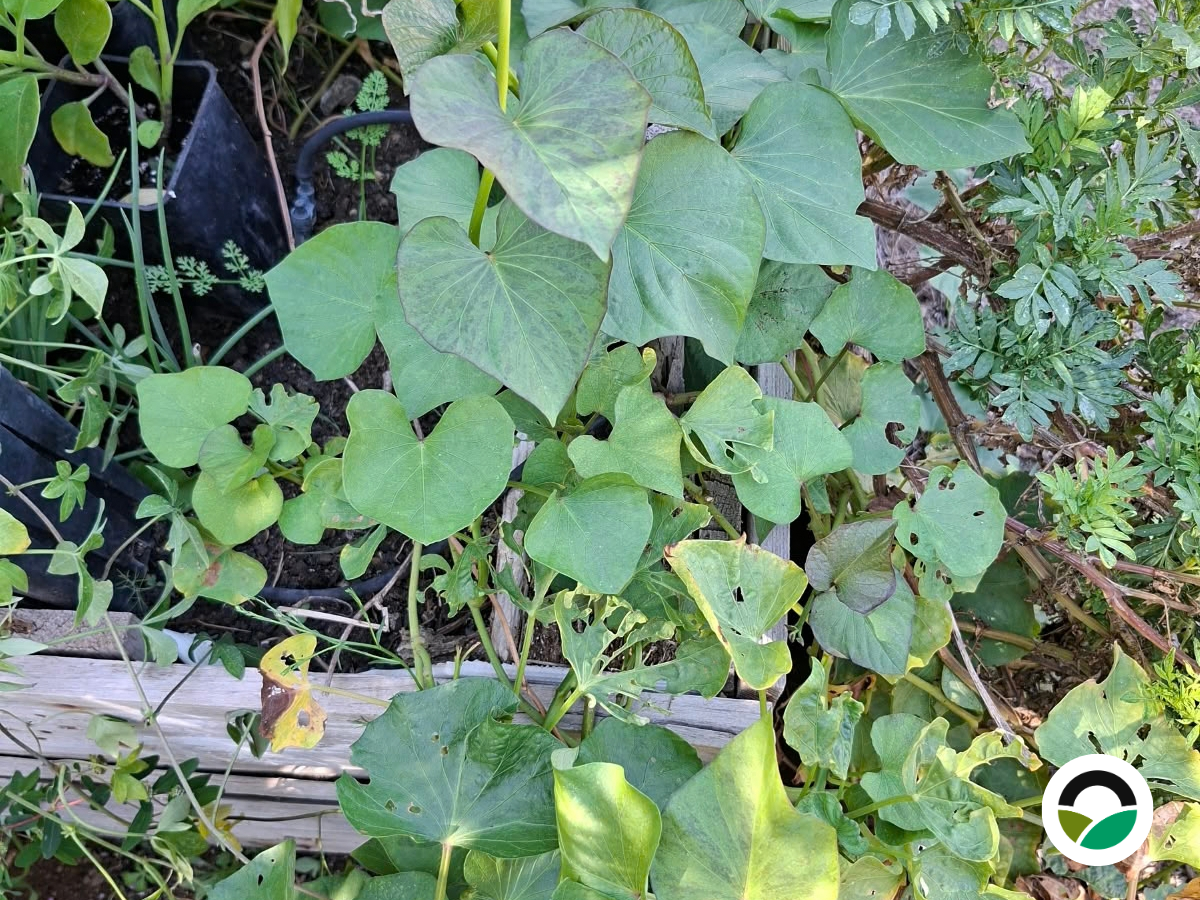
Every successful harvest begins long before crops are planted in the field. At Mavronero, we document each stage of cultivation to better understand plant development and share practical regenerative farming techniques that can be applied in Mediterranean environments.
This season, we propagated sweet potatoes (Ipomoea batatas) from slips before transplanting 21 young plants onto our river terrace. Rather than growing from seeds, sweet potatoes are commonly multiplied using shoots that emerge directly from mature storage roots, making them one of the most fascinating crops to propagate.
By carefully observing every stage of this process, from sprouting to transplanting, we continue building knowledge that supports resilient and diverse farming systems.
What are sweet potato slips?
Unlike potatoes, which are planted using pieces of tuber, sweet potatoes are generally propagated using slips. These are young shoots that naturally grow from the surface of a mature sweet potato.
When conditions are warm and moist, the storage root begins producing vigorous green shoots. Each shoot can eventually become an entirely new plant capable of producing its own sweet potatoes.
This propagation method allows growers to produce many plants from only a few healthy tubers while preserving the characteristics of the original variety.
From sprout to rooted cutting
Once the shoots had grown to a suitable size, they were carefully removed from the mother tubers.
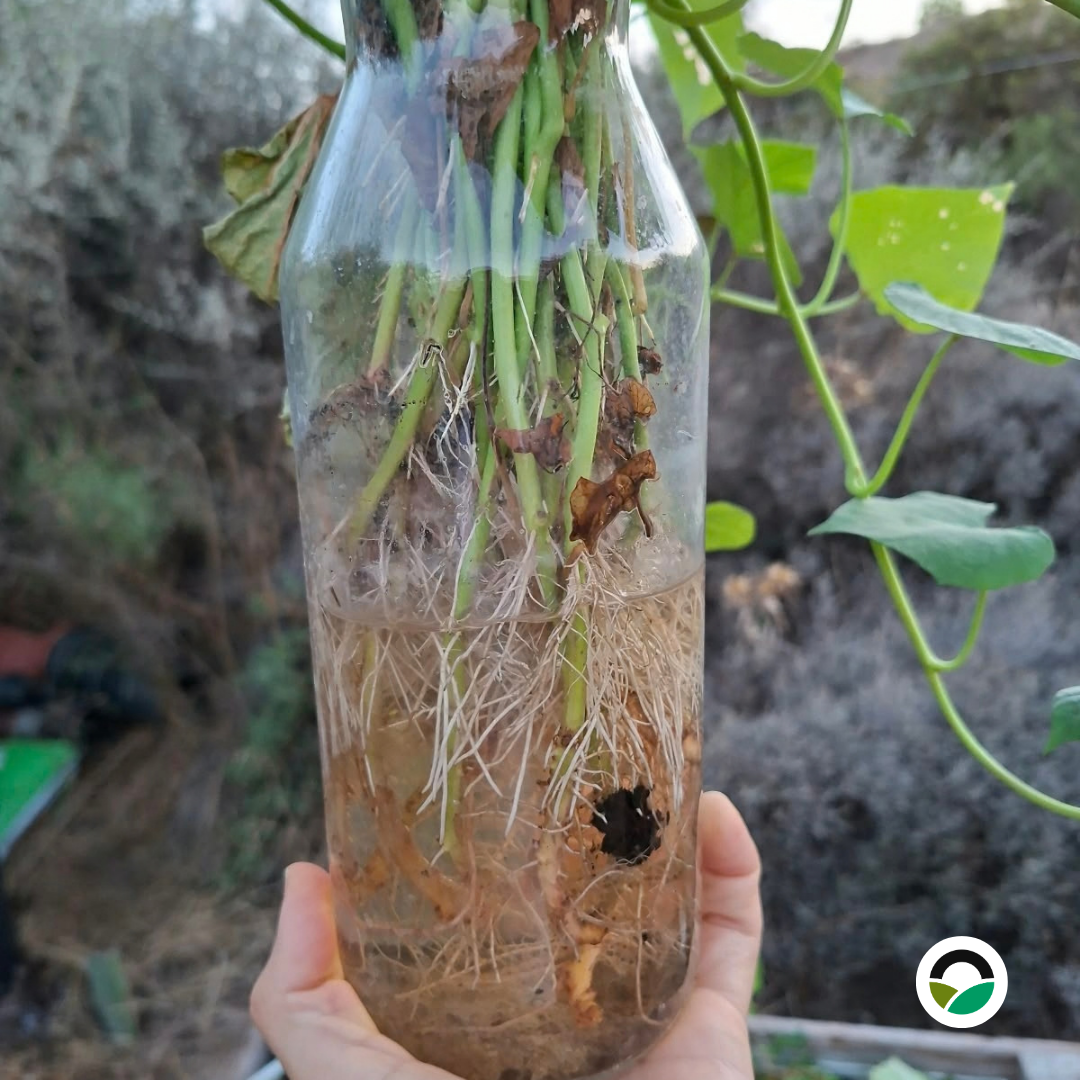
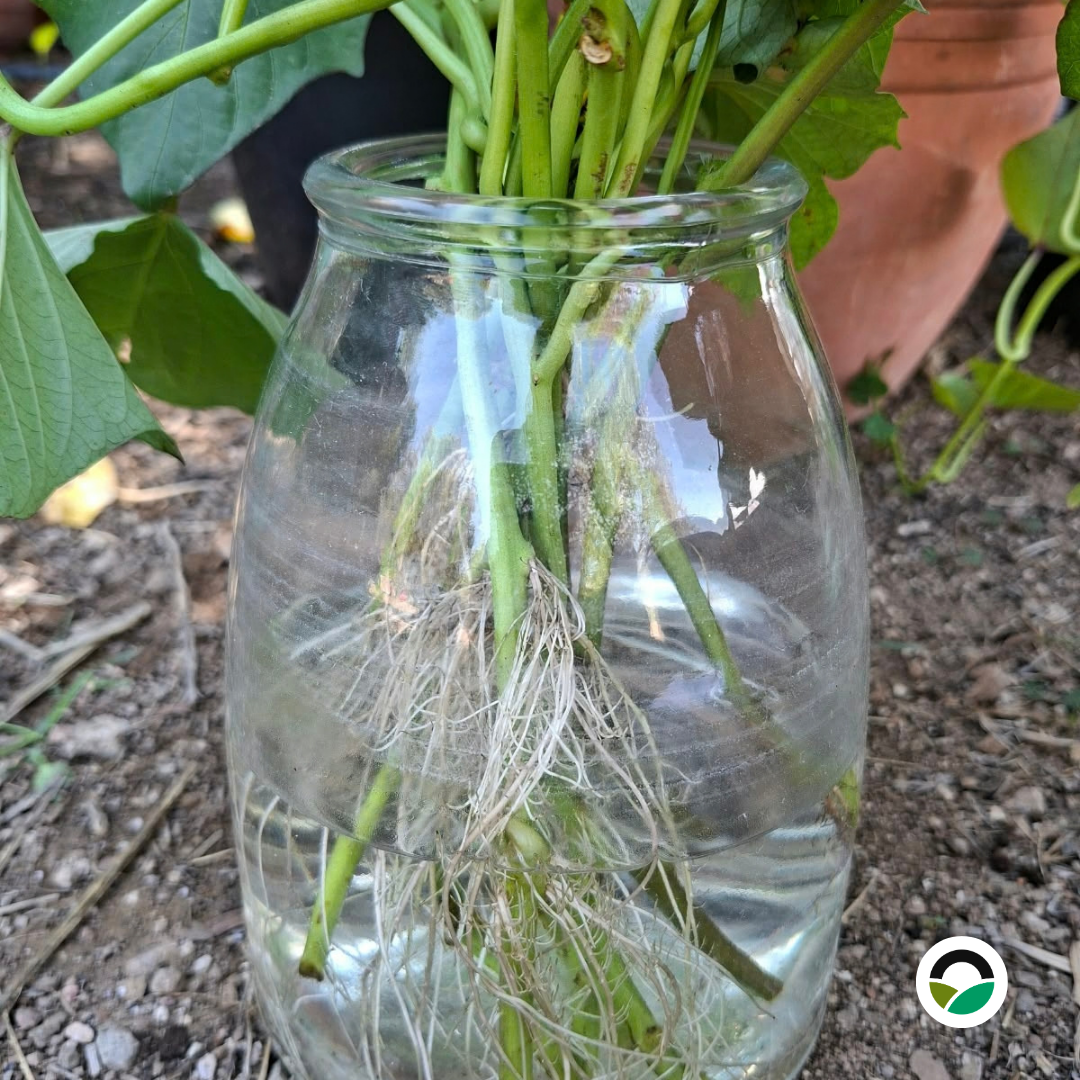
Instead of planting them immediately, the slips were placed in water, where they quickly began developing fine white roots along their stems. Within a relatively short period, dense root systems formed, preparing the young plants for life in the soil.
Allowing slips to root before transplanting offers several advantages. The plants establish more quickly, experience less transplant shock and are better able to absorb water during their first days after planting.
Watching these new roots develop also provides a fascinating glimpse into one of the earliest stages of plant establishment.
Preparing for transplanting
Healthy roots are only one part of successful establishment.
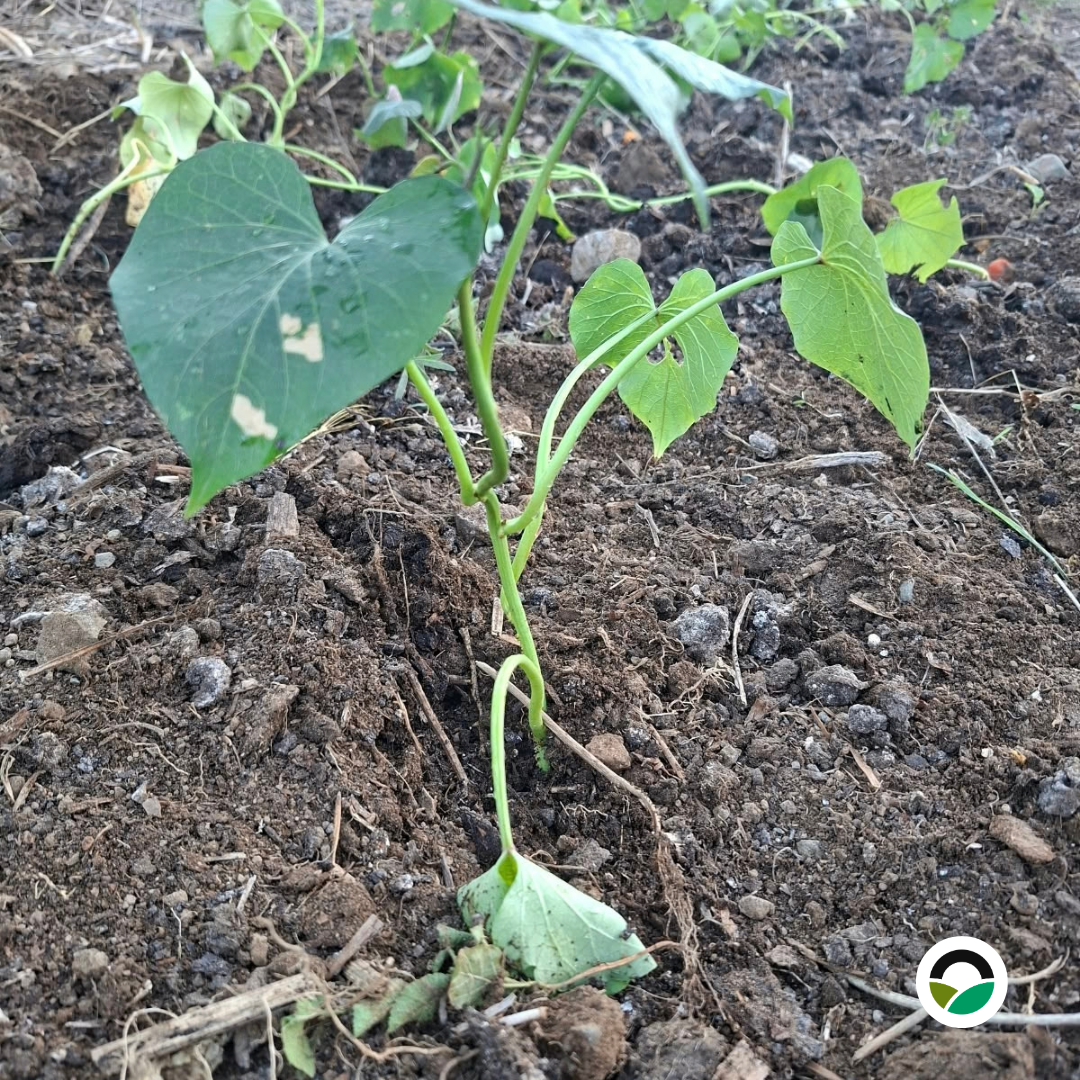
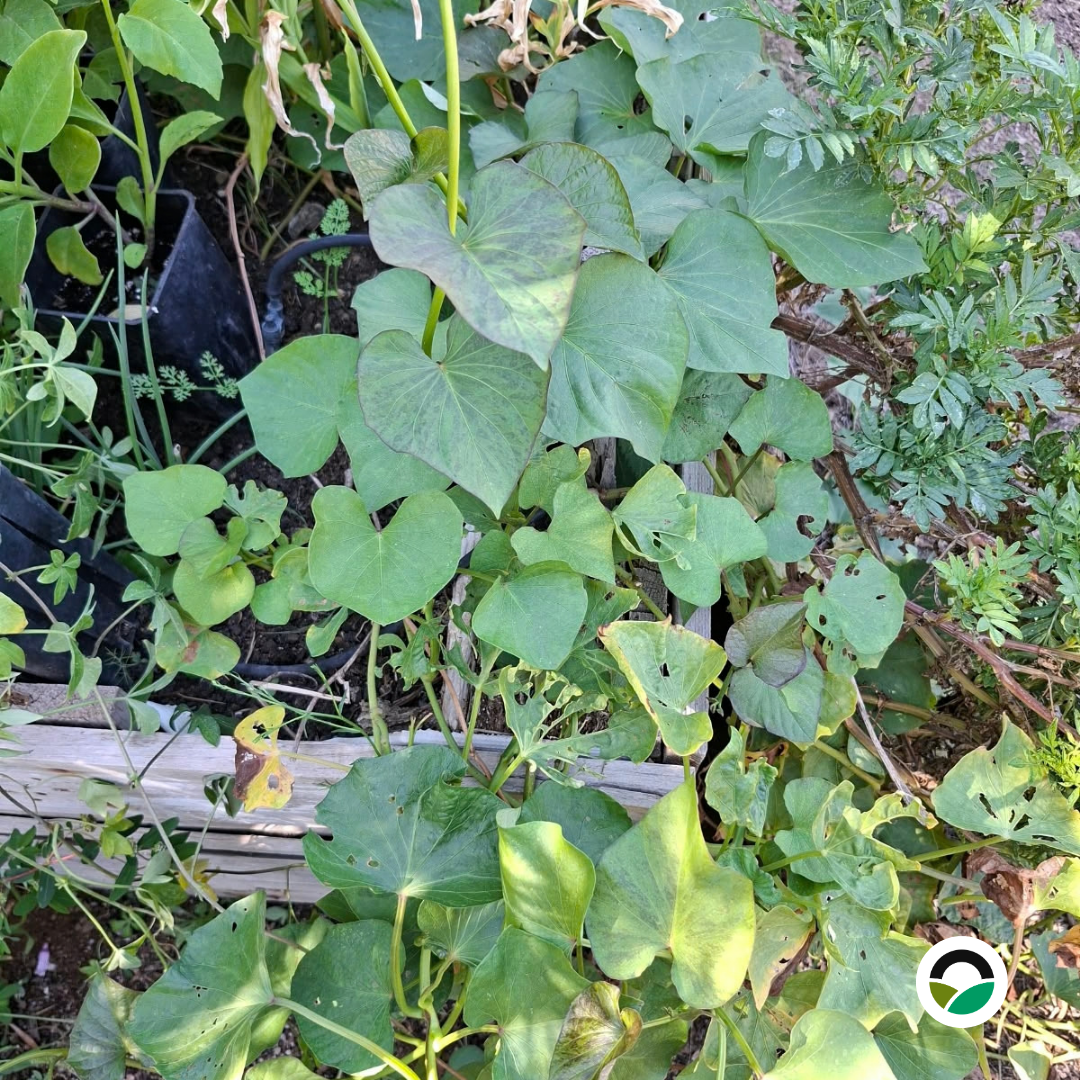
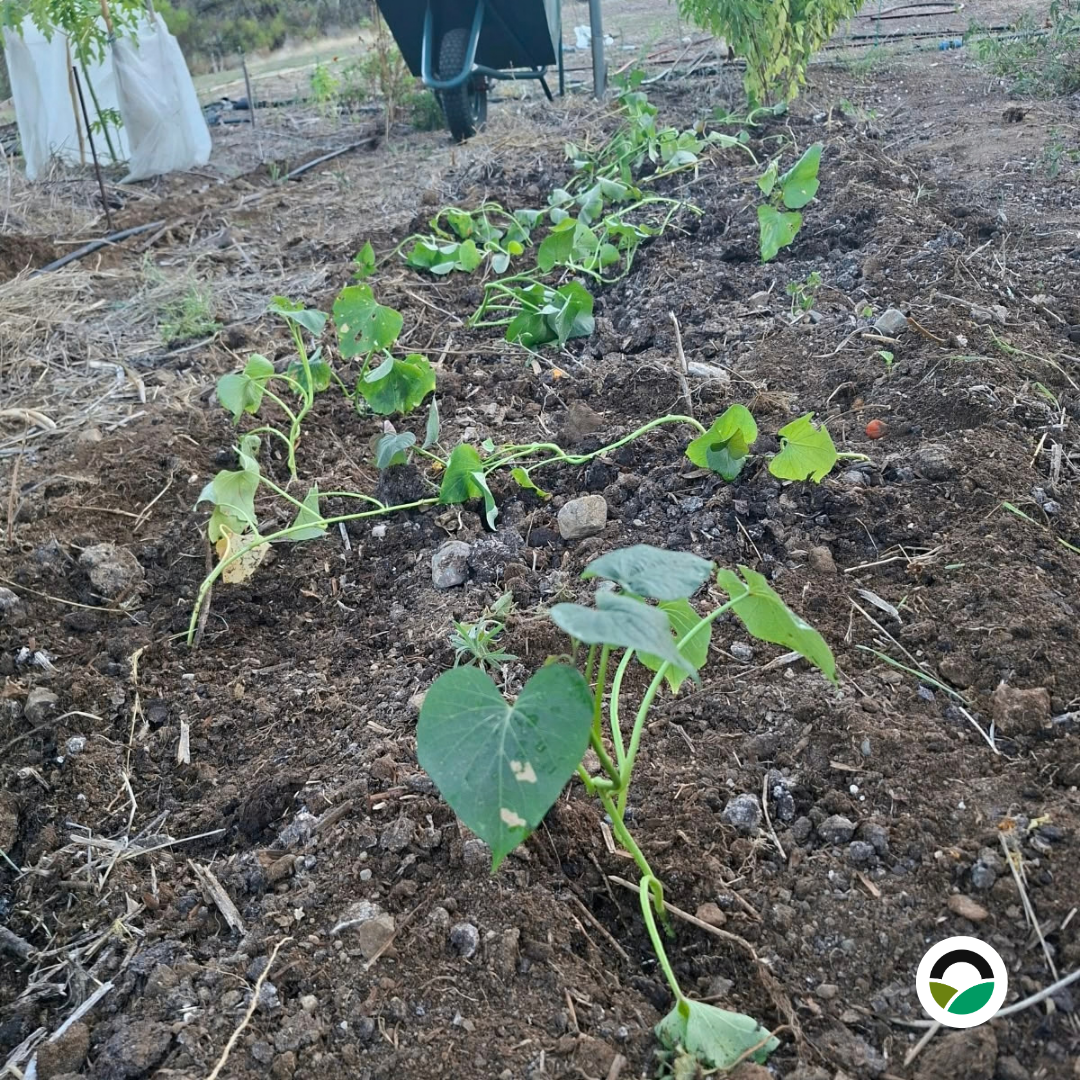
Before planting, the river terrace was prepared to provide sufficient space for each plant to spread its vigorous vines. Once transplanted, the rooted slips were gently placed into the soil and watered to help settle the roots and reduce stress.
In total, 21 rooted sweet potato slips were planted.
The first days after transplanting are particularly important, as the young plants redirect their energy from producing roots to developing new leaves and stems that will eventually support tuber formation underground.
Why sweet potatoes?
Sweet potatoes are among the world’s most important food crops and are especially well adapted to warm climates.
Their vigorous vines quickly cover the soil surface, helping reduce moisture loss through evaporation while suppressing weed growth. This living ground cover also protects the soil against erosion caused by wind and heavy rainfall.
Underground, the plants gradually produce enlarged storage roots that serve as energy reserves and eventually become the edible sweet potatoes harvested months later.
Their adaptability makes them an interesting crop to evaluate under Mediterranean growing conditions.
Learning through observation
One of the most valuable aspects of regenerative farming is careful observation.
By documenting every stage, from sprouting tubers and rooting slips to transplanting and field establishment, we gain a better understanding of plant development and the environmental conditions that influence successful growth.
These observations help improve future cultivation practices while creating an educational record that can be shared with others interested in sustainable agriculture.
Supporting biodiversity through crop diversity
Introducing different crops strengthens the resilience of agricultural systems.
Each additional species contributes to greater biological diversity while providing opportunities to study how plants respond to local soils, seasonal weather and management practices.
Sweet potatoes are another step towards building a productive landscape where crop diversity supports healthier ecosystems and long-term resilience.
Looking ahead
The newly planted slips are only at the beginning of their journey.
Over the coming weeks, we will monitor their establishment, vine growth and overall health as they adapt to their new environment. As temperatures remain favourable, the plants will continue expanding above ground while gradually developing storage roots beneath the soil.
Each stage will provide new observations that help us better understand this remarkable crop.
Conclusion
Growing sweet potatoes from slips demonstrates how simple propagation techniques can produce vigorous new plants while making efficient use of existing planting material.
From a single storage root to dozens of healthy young plants, this process highlights the importance of patience, observation and careful cultivation. By documenting every step, Mavronero continues exploring regenerative farming practices that improve resilience, increase crop diversity and deepen our understanding of sustainable food production.
Sources
- Food and Agriculture Organization of the United Nations (FAO). Sweet Potato Production Guidelines.
- International Potato Center (CIP). Sweetpotato Agronomy and Propagation.
- Royal Horticultural Society (RHS). How to Grow Sweet Potatoes.
- University of California Agriculture and Natural Resources (UC ANR). Growing Sweet Potatoes.
