

How Mavronero monitors birdlife through sound
Turning sound into conservation
At Mavronero, protecting biodiversity starts with understanding it. As part of this commitment, the area is equipped with an acoustic monitoring system connected to the global bird sound detection network of BirdWeather.
This makes Mavronero the only location in Cyprus where birdlife is continuously monitored through sound, using a non-invasive and science-based approach that respects the natural environment.
Instead of observing nature from a distance, this system allows us to listen to it.

Listening to birds in real time
Bird activity at Mavronero is not only recorded — it can be heard.
The monitoring system captures the surrounding soundscape and makes it possible to listen to short audio clips of bird songs and calls detected in the area. Each detection is linked to a real sound recording, creating a direct and tangible connection between nature and data.
Listening to these recordings helps bring biodiversity monitoring closer to people, turning abstract data into a real sensory experience.
How bird species are identified
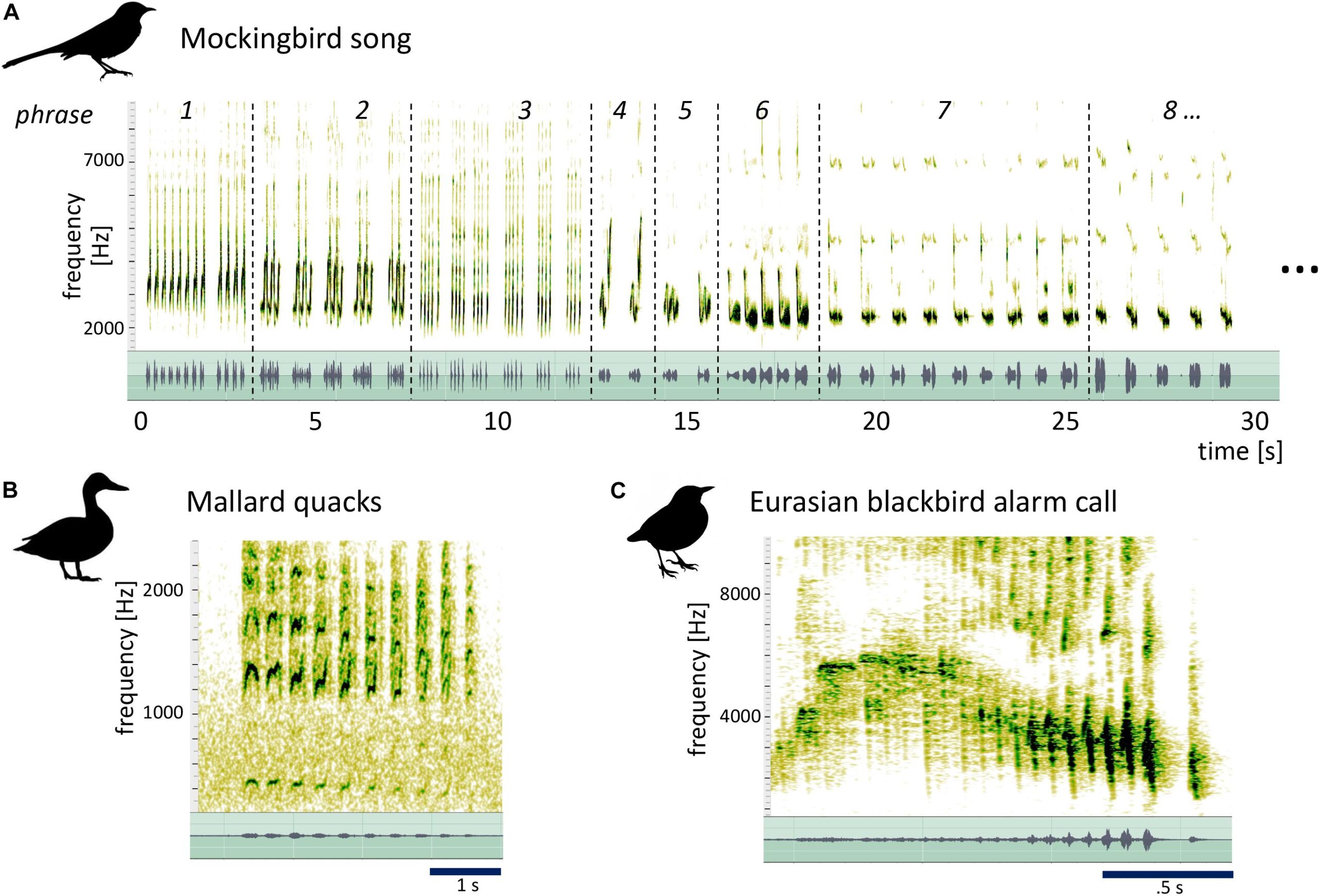
Rather than relying on images or visual sightings, the system works by analyzing sound patterns.
Each bird species has a unique acoustic signature based on:
- Pitch and frequency
- Rhythm and repetition
- Structure of songs and calls
These sound patterns are compared against a large reference database. When a match is found, the system identifies the species and records the detection along with:
- The audio clip
- The moment it was detected
- The identification result based on acoustic pattern matching
This approach makes it possible to detect birds even when they are hidden in dense vegetation or active during low-light hours.
What the data from Mavronero shows
The acoustic monitoring system at Mavronero provides a clear overview of bird activity in the area:
- 1 active listening station
- 341 total bird detections
- 23 identified bird species
These figures offer a valuable snapshot of local biodiversity and serve as a reference point for observing how bird presence evolves over time.
Bird species detected at Mavronero
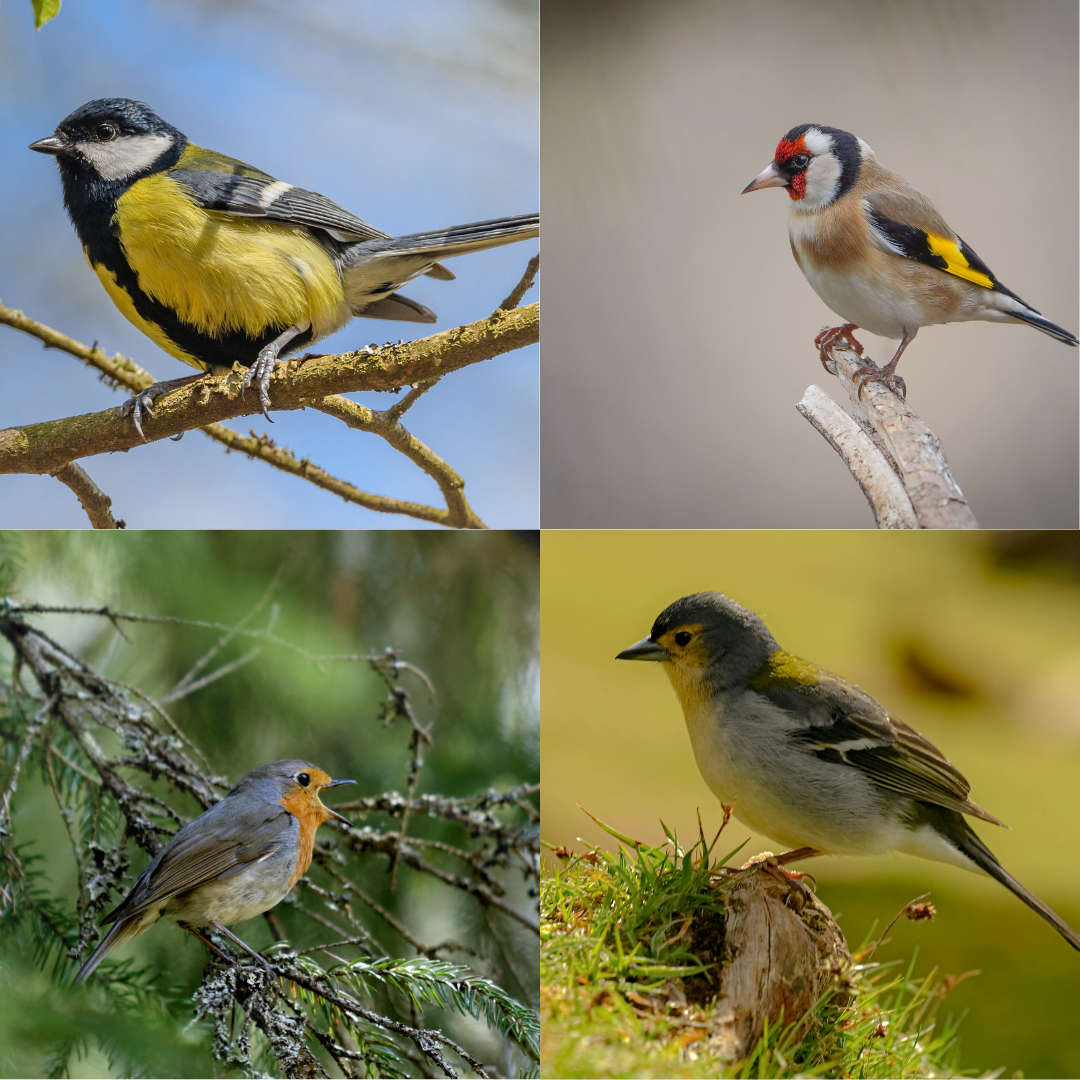
Among the species most frequently detected through sound are:
- European Robin (Erithacus rubecula)
- Common Chaffinch (Fringilla coelebs)
- European Goldfinch (Carduelis carduelis)
- Great Tit (Parus major)
Their presence highlights the ecological richness of Mavronero and confirms its role as both a habitat and a passage point for birdlife.
More than species: understanding patterns
Beyond identifying individual species, acoustic monitoring helps reveal broader ecological patterns, such as:
- Daily peaks in bird activity
- Seasonal variation in species presence
- The role of the area within regional migratory routes
This long-term perspective supports informed conservation decisions and helps evaluate the impact of environmental actions over time.
Technology in service of nature
At Mavronero, technology is used to listen, not interfere. By transforming sound into knowledge, acoustic monitoring allows continuous observation while preserving the natural balance of the ecosystem.
Combining innovation, data and conservation, Mavronero reinforces its commitment to transparent, measurable and science-based environmental protection — where nature itself provides the signals.
