
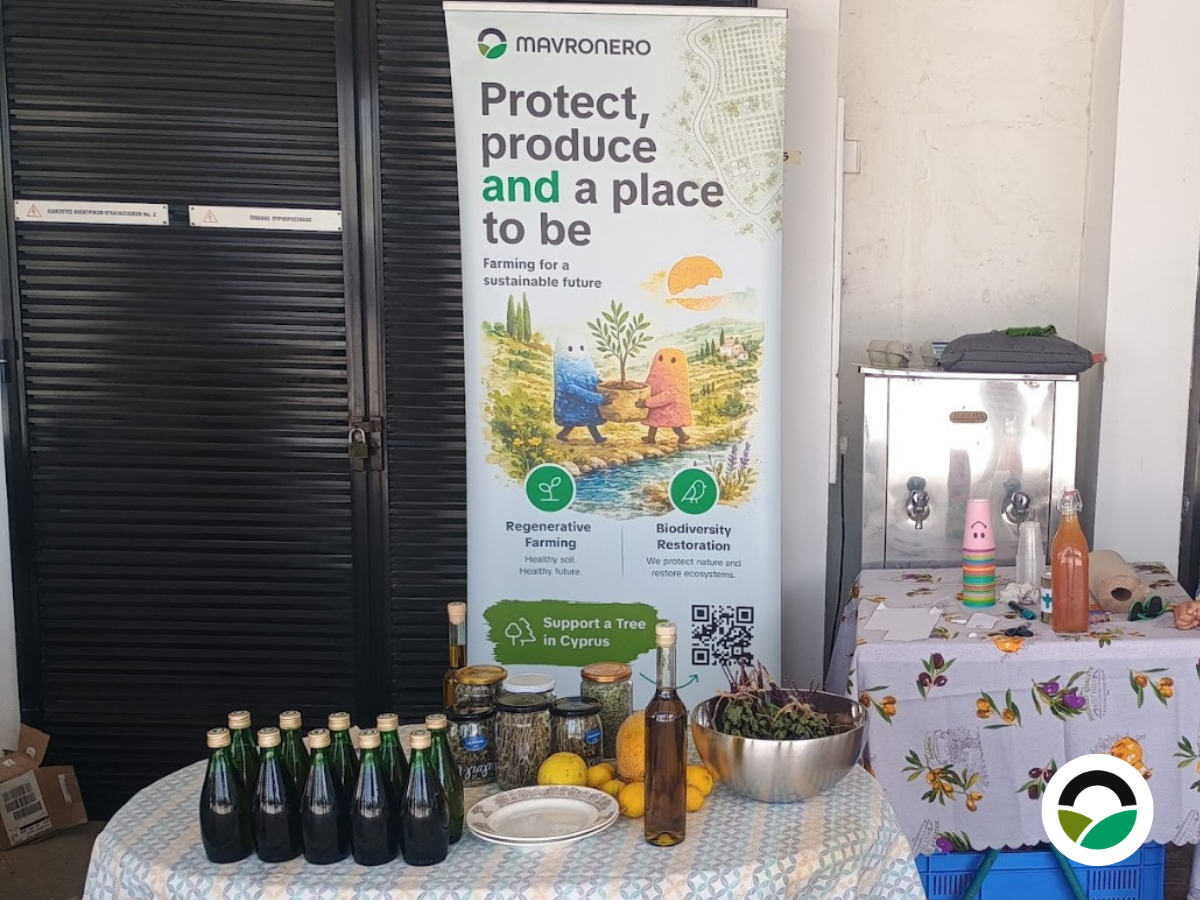
Last weekend, Mavronero participated in the GO REGENERATIVE festival in Nicosia, an event focused on regenerative agriculture, biodiversity, ecological awareness, and sustainable food systems within Cyprus.
The festival brought together local initiatives, agricultural projects, environmental organisations, and visitors interested in Mediterranean cultivation landscapes and ecological approaches to farming.
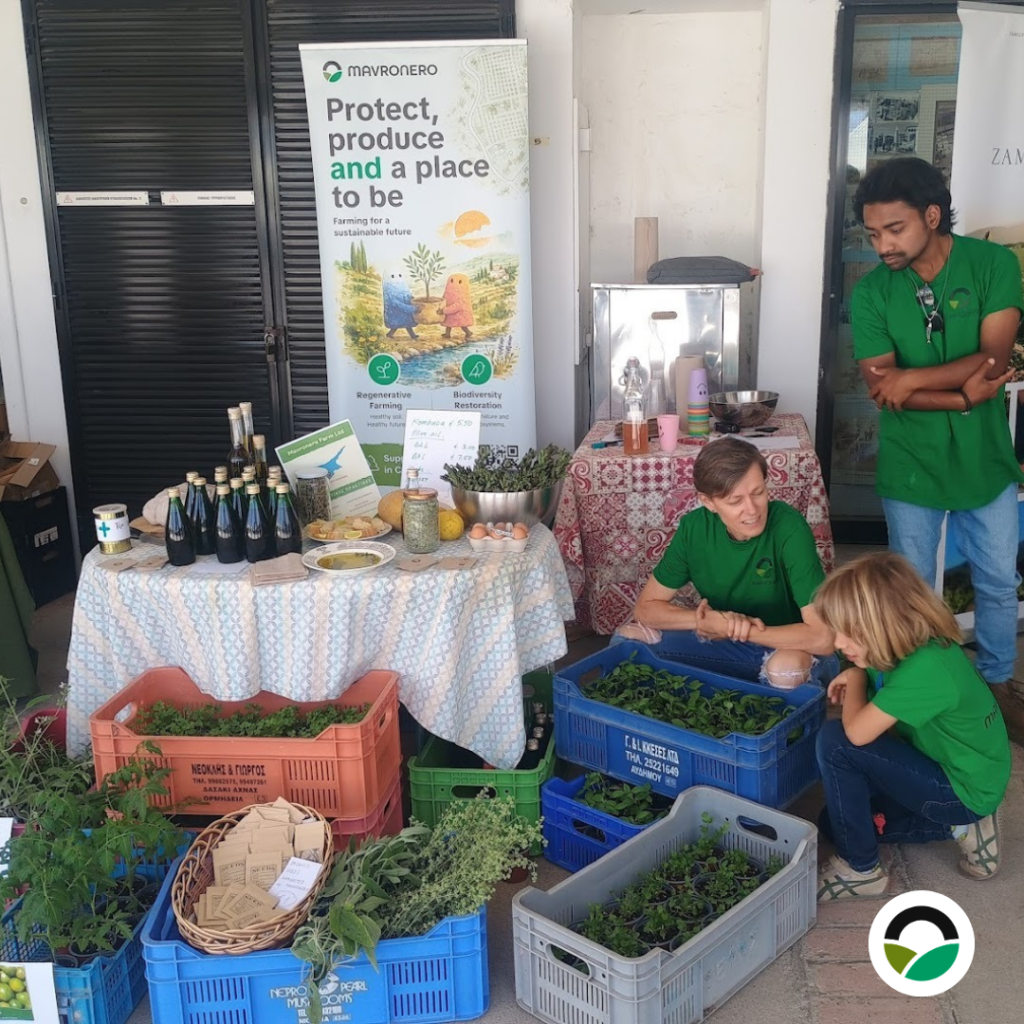
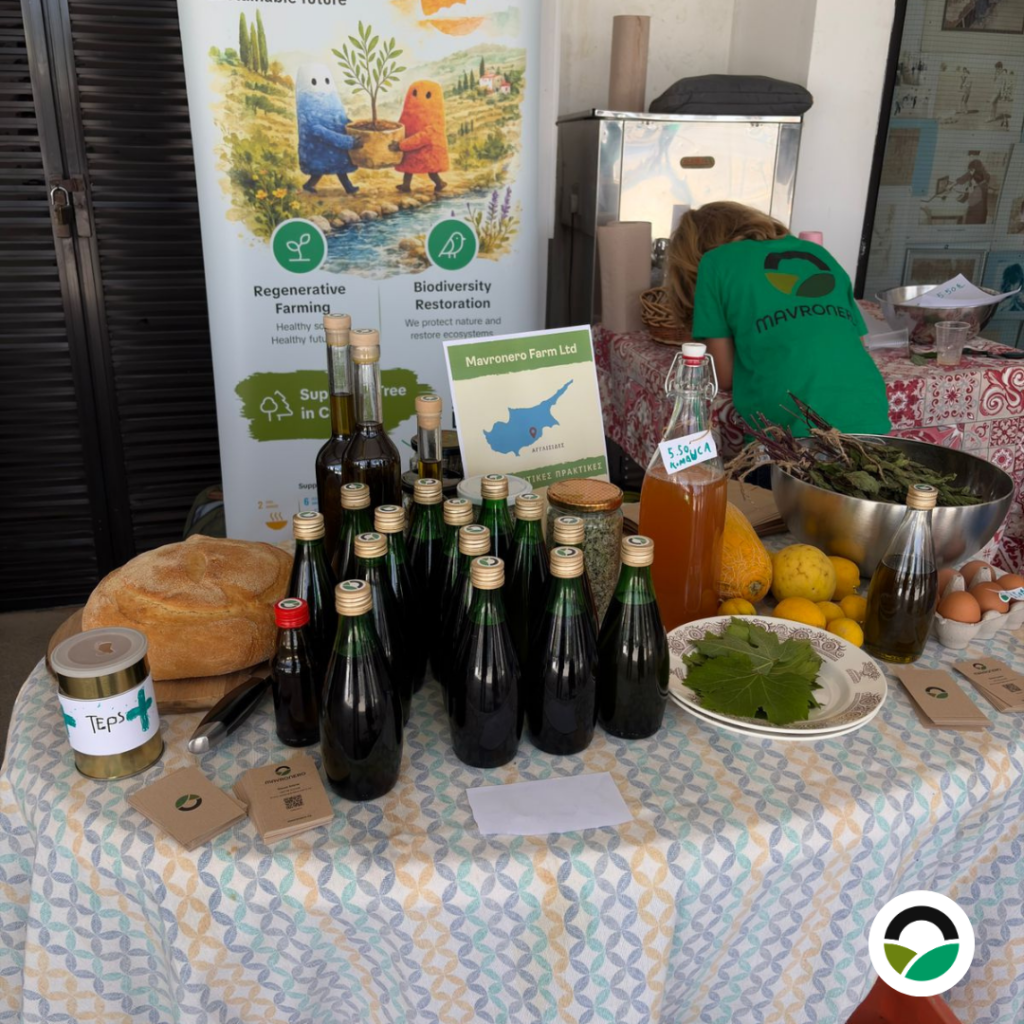
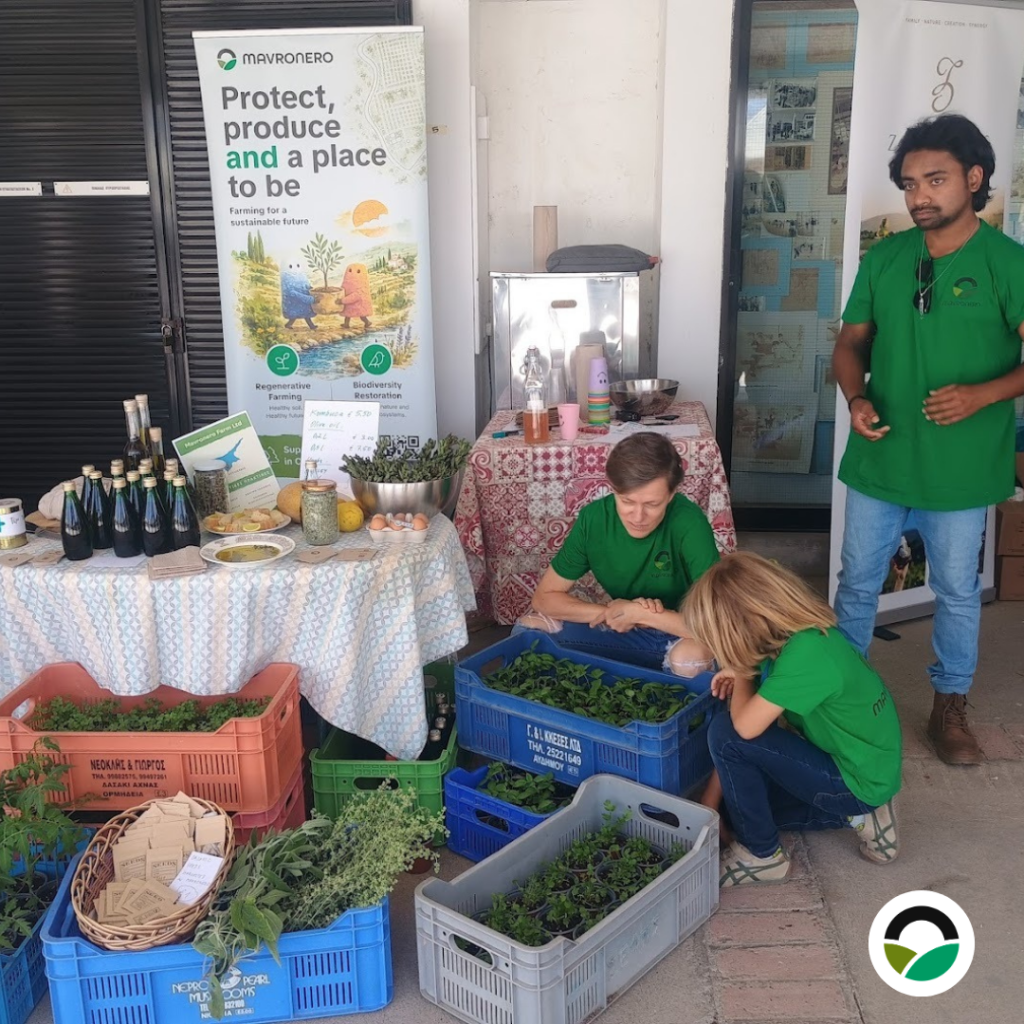
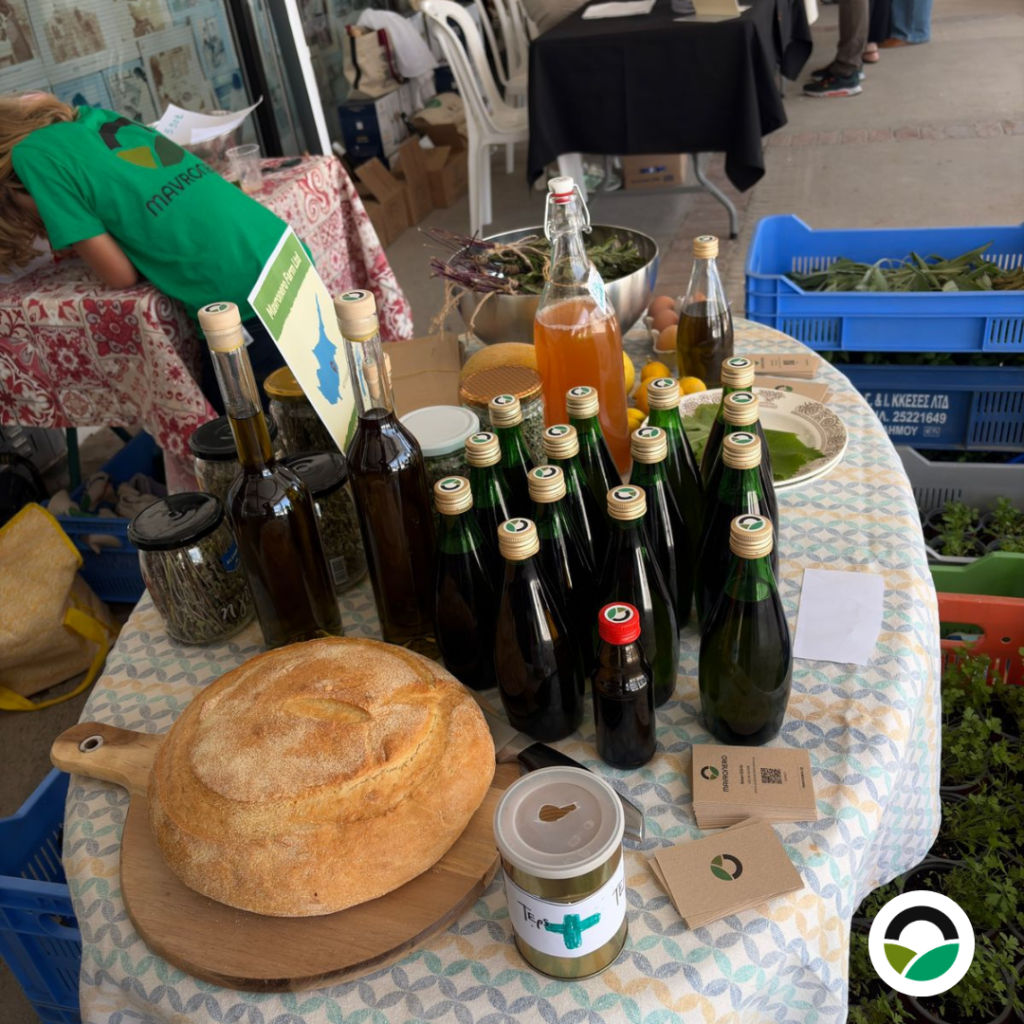
At the Mavronero stand, seasonal herbs, farm products, and printed material were presented throughout the day alongside cultivated plants and Mediterranean vegetation.
Several aromatic and medicinal herbs cultivated at Mavronero were displayed during the event together with products prepared from seasonal harvests.
Regenerative cultivation within Mediterranean landscapes
Mediterranean agricultural environments are shaped by highly seasonal ecological conditions involving temperature variation, prolonged dry periods, irregular rainfall patterns, and diverse vegetation systems.
Within these environments, regenerative cultivation approaches increasingly focus on long-term ecological balance, biodiversity preservation, soil health, and environmental continuity alongside agricultural production.
At Mavronero, cultivation practices are approached through ongoing observation of seasonal cycles, surrounding vegetation systems, pollinator activity, and environmental adaptation within the landscape.
Low-intervention management practices aim to maintain ecological relationships between cultivated areas and surrounding Mediterranean habitats rather than separating agricultural activity from the natural environment.
Biodiversity and environmental observation
The event also highlighted the growing visibility of biodiversity-focused agricultural initiatives within Cyprus.
Environmental observation, seasonal flowering cycles, native plant species, and ecological continuity remain important components of regenerative agricultural systems, particularly within Mediterranean ecosystems where cultivation and biodiversity historically developed together.
Recent seasonal observations at Mavronero documented native Mediterranean orchids, flowering species, pollinator activity, and semi-natural vegetation developing alongside cultivated areas.
These observations reinforce the relationship between agricultural landscapes and broader ecological systems involving soil conditions, vegetation diversity, seasonal adaptation, and habitat continuity.
Seasonal products and local agricultural identity
The presentation of seasonal herbs and cultivated products during the festival reflected the connection between local agricultural production and Mediterranean environmental conditions.
Seasonal cultivation cycles influence not only plant development and harvest periods, but also the diversity of products that emerge from the surrounding landscape throughout the year.
Aromatic herbs, flowering plants, and low-intervention cultivation practices remain closely connected to the environmental rhythms of Mediterranean ecosystems.
Within regenerative agricultural systems, these seasonal dynamics contribute to broader ecological stability while also supporting local agricultural identity and biodiversity continuity.
Ecological visibility and public events
Events such as GO REGENERATIVE create visibility for ecological cultivation initiatives and demonstrate increasing public interest in regenerative agriculture and biodiversity-focused farming systems.
They also provide opportunities for environmental projects, growers, and local initiatives to present cultivation practices connected to ecological awareness and long-term environmental adaptation.
For Mavronero, participation in the festival formed part of broader ongoing activities centered on biodiversity observation, Mediterranean cultivation systems, and ecological continuity within rural landscapes.
Conclusion
The participation of Mavronero in GO REGENERATIVE reflected the relationship between cultivation, biodiversity, and environmental awareness within Mediterranean agricultural environments.
Through the presentation of seasonal herbs, farm products, and cultivated plants, the event highlighted how regenerative approaches may contribute to broader environmental continuity and biodiversity preservation within cultivated landscapes.
As regenerative agriculture continues evolving within Mediterranean regions, public events centered on ecological awareness and sustainable cultivation practices may play an increasingly important role in supporting long-term environmental resilience.
