
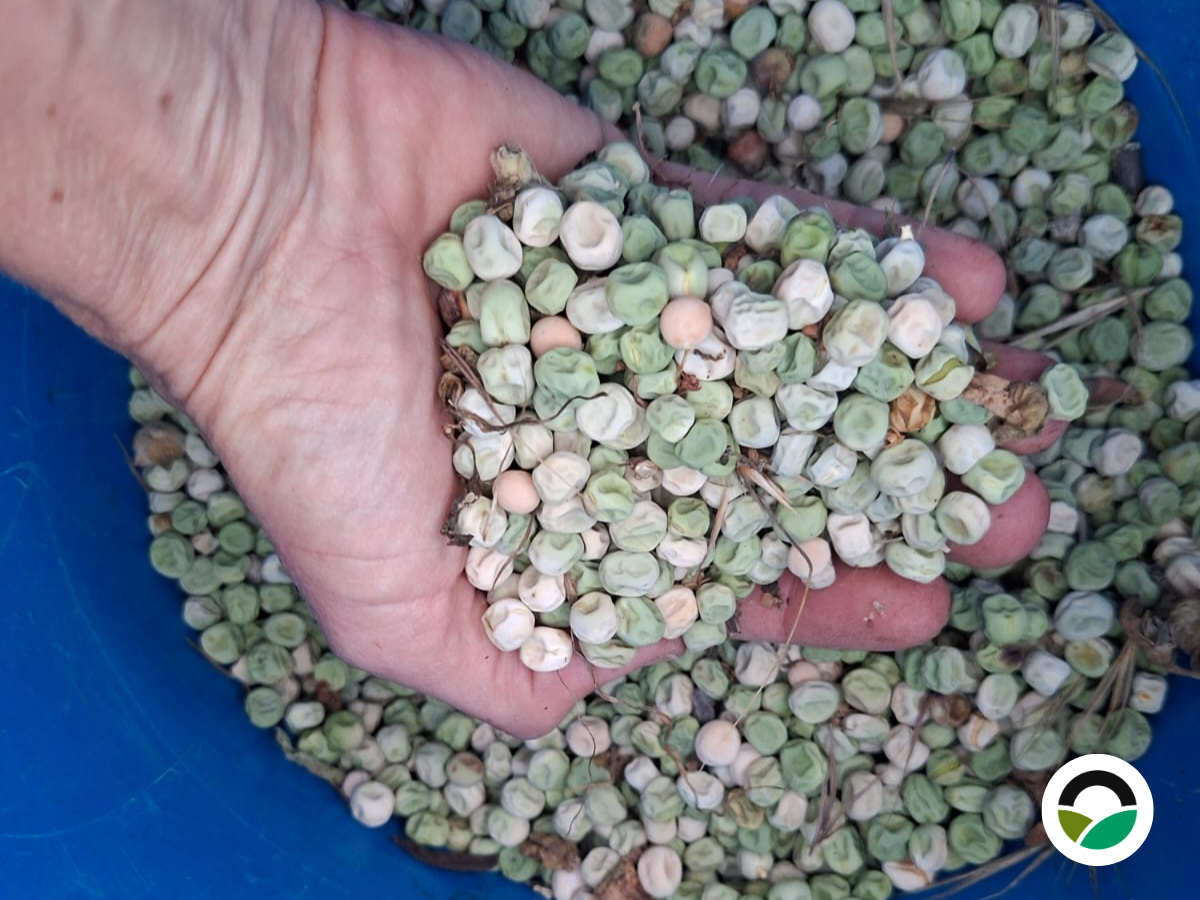
Peas (Pisum sativum) have been cultivated throughout Mediterranean agricultural systems for centuries, providing food, animal feed, soil improvement, and a reliable source of seeds for future planting seasons. At Mavronero, part of this agricultural cycle includes preserving seeds from mature plants using traditional harvesting methods that have been passed down through generations of farmers.
Recently, the seasonal pea seed harvest was completed using a simple hand-processing technique that has long been employed in rural Mediterranean communities. Although modern agriculture often relies on mechanised seed extraction and processing, traditional methods remain effective for small-scale cultivation and seed preservation.
Traditional seed extraction
Once pea plants complete their growing cycle, the pods gradually dry on the plant. As moisture content decreases, the seeds inside reach maturity and become suitable for storage and future planting.
Traditionally, farmers would gather the dried plants and place them on a large sheet, cloth, blanket, or plastic surface spread across the ground. The dried plants would then be gently beaten with sticks or wooden poles, causing the mature pods to break open and release their seeds.
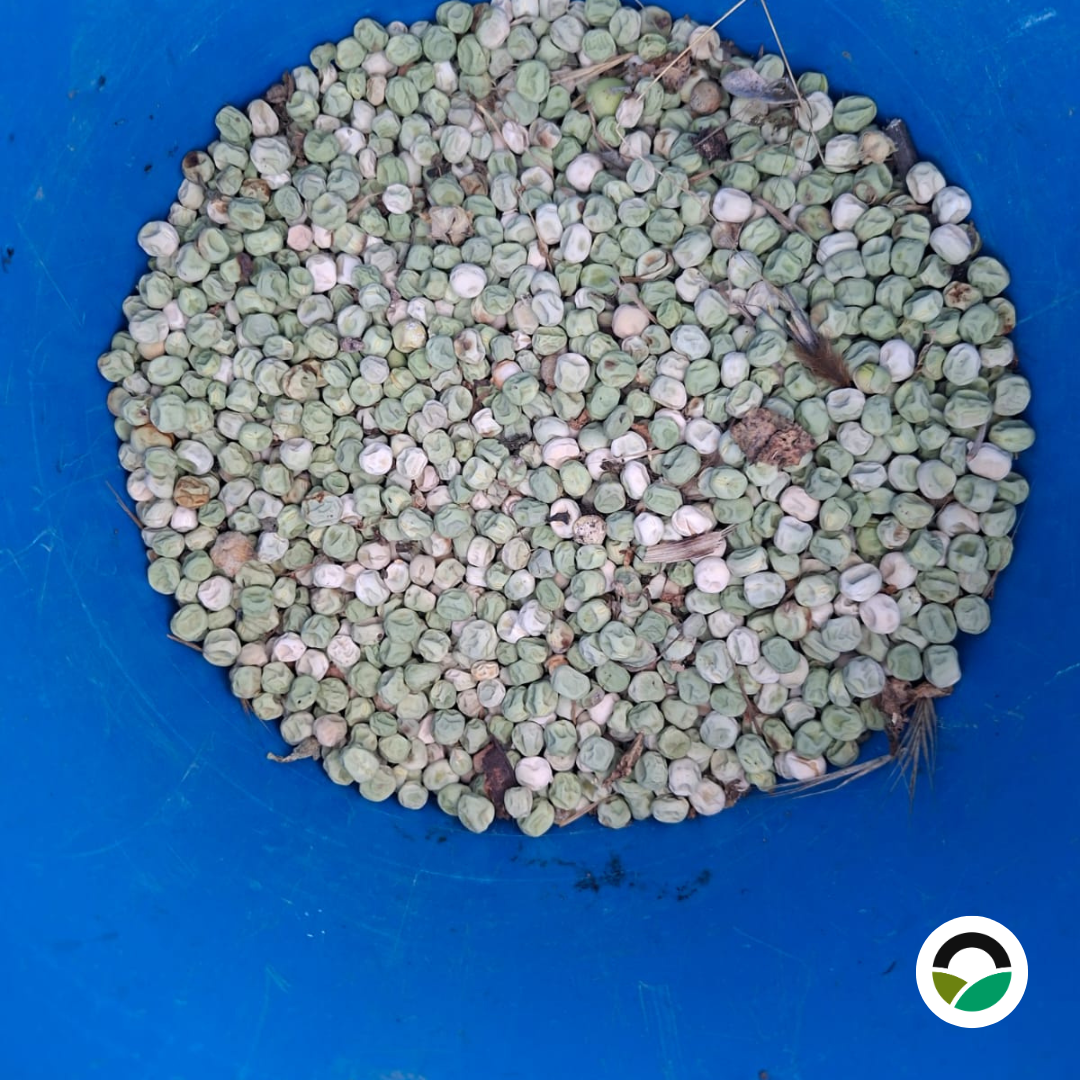
This process separates most of the seeds from the pods without requiring specialised equipment. After threshing, the seeds are collected and manually cleaned to remove plant debris, dried pod fragments, leaves, and other organic material before being stored.
At Mavronero, this same technique was used to process the current pea harvest, producing a quantity of seeds that can support future planting seasons.
Seed saving and agricultural continuity
Saving seeds from each harvest has historically been an important practice throughout Mediterranean agriculture. Before commercial seed systems became widespread, farmers routinely selected and stored seeds from healthy plants to ensure future crops.
This approach offers several advantages:
- preservation of locally adapted plant material
- reduced dependence on external seed sources
- continuation of traditional agricultural knowledge
- support for long-term crop resilience
- maintenance of agricultural biodiversity
Over time, repeatedly saving seeds from plants growing within the same landscape can contribute to populations that are increasingly adapted to local environmental conditions, including soil characteristics, seasonal rainfall patterns, and regional climate variability.
Peas and Mediterranean farming systems
Peas belong to the legume family (Fabaceae), a group of plants valued not only for food production but also for their ecological role within agricultural systems.
Like other legumes, peas form associations with nitrogen-fixing bacteria that help improve soil fertility. This characteristic has made them an important component of traditional crop rotations throughout Mediterranean regions for generations.
When incorporated into diversified farming systems, peas contribute to:
- soil nutrient cycling
- reduced dependence on synthetic fertilisers
- seasonal habitat diversity
- flowering resources for insects and pollinators
- agricultural resilience within mixed cultivation systems
Agricultural heritage at Mavronero
Traditional farming techniques often survive because they continue to provide practical value. The simple process of extracting pea seeds by hand reflects generations of accumulated agricultural experience and demonstrates how effective low-technology solutions can remain within contemporary farming landscapes.
At Mavronero, preserving agricultural knowledge forms part of a broader commitment to environmental stewardship, biodiversity, and sustainable land management. Practices such as seed saving help maintain connections between cultivation, local adaptation, and the long-term continuity of Mediterranean agricultural traditions.
The recent pea seed harvest represents another step in this ongoing cycle, ensuring that seeds collected today can contribute to future growing seasons while preserving knowledge that has supported farming communities for centuries.
