
A refreshing herb with a familiar aroma
Few herbs are as instantly recognisable as peppermint. Its fresh, cooling aroma and distinctive flavour have made it a favourite in herbal teas, cooking and everyday household traditions.
Peppermint (Mentha × piperita) is valued for its aromatic leaves, which release their characteristic fragrance when touched or crushed. A cup of peppermint tea is often enjoyed after a meal or as a refreshing drink throughout the day.
Beyond its familiar place in the kitchen, peppermint is an interesting plant to explore in the garden. Its vigorous growth, textured leaves and aromatic qualities make it easy to recognise, while its flowers can provide resources for visiting insects.
Getting to know peppermint means discovering not only the herb we use in our cups and kitchens, but also the plant itself and its place in the natural world.
What is peppermint?
Peppermint (Mentha × piperita) is a perennial aromatic herb belonging to the Lamiaceae family, which also includes rosemary, thyme, sage and oregano.
It is a natural hybrid of water mint (Mentha aquatica) and spearmint (Mentha spicata). Although peppermint is widely cultivated, it can also persist outside cultivation under suitable conditions. It is now grown in many parts of the world for its aromatic leaves and essential oil. Royal Botanic Gardens, Kew
Botanical characteristics
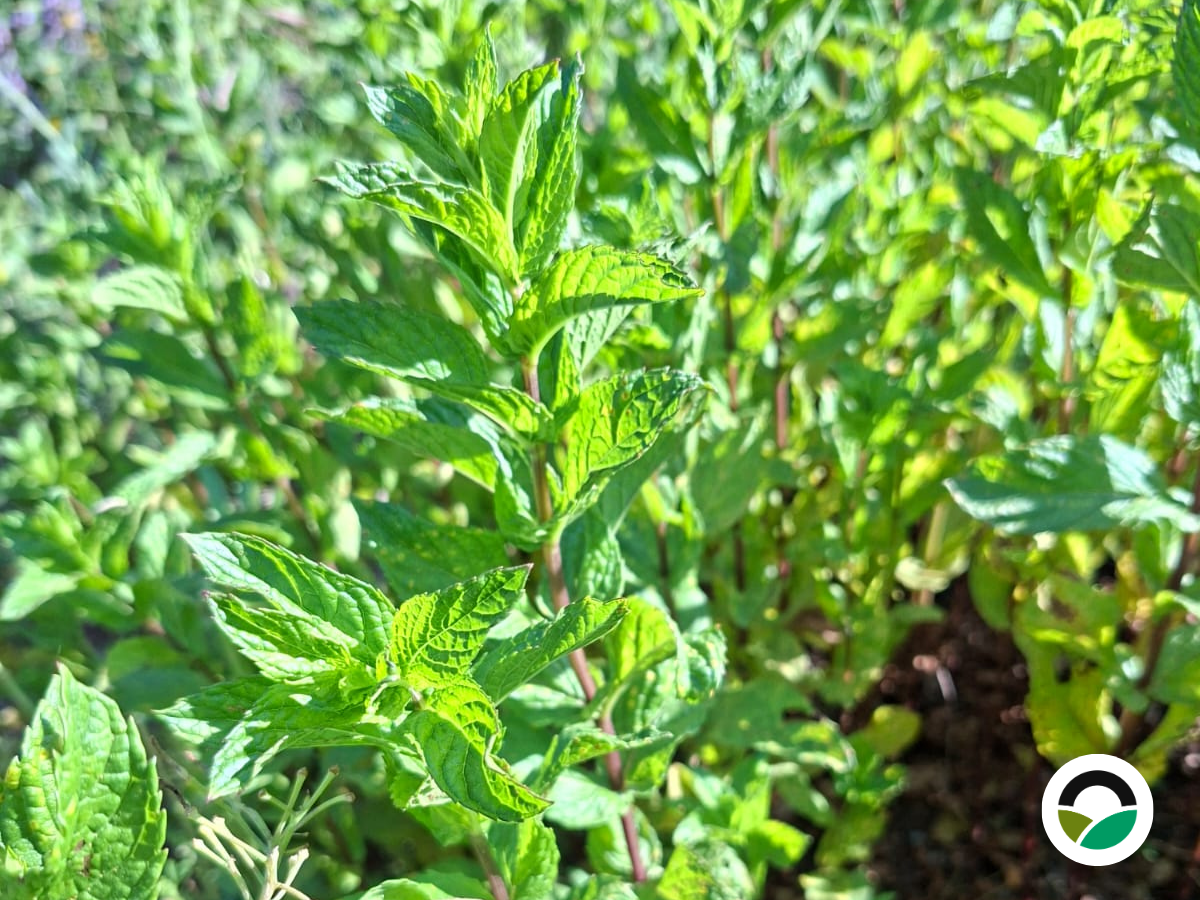
Peppermint has green, toothed leaves that grow in opposite pairs along its stems. The leaves are often strongly aromatic, releasing a fresh scent when rubbed between the fingers.
Its stems may be green or reddish, and the plant can develop into a dense patch as it spreads through underground stems called rhizomes. This spreading growth is one reason peppermint can establish itself readily in suitable garden conditions.
When it flowers, peppermint produces small flowers, usually pinkish, lilac or pale purple, arranged in clusters near the ends of its stems. These flowers add another dimension to the plant beyond its familiar foliage.
The combination of textured leaves, aromatic oils and vigorous growth makes peppermint a distinctive member of the mint family.
Why is it called peppermint?
The name Mentha comes from the ancient Greek tradition associated with mint and the mythological figure Minthe.
The name piperita is commonly associated with a peppery or pungent flavour, reflecting the sharp, cooling sensation that peppermint can produce in the mouth.
Its scientific name also contains the symbol ×, indicating that peppermint is a hybrid between two different mint species: water mint and spearmint.
This hybrid origin helps explain why peppermint has its own distinctive combination of aroma and flavour.
Peppermint and biodiversity
Peppermint is best known for its aromatic leaves, but its flowers can also play a role in the garden environment.
A flowering herb for insects
When peppermint flowers, its small blooms can attract visiting insects, including bees and other flower visitors. These insects use flowering plants as sources of nectar and pollen, depending on the species and local conditions.
Allowing some mint plants to flower can add variety to a garden and create opportunities to observe the insects that visit them.
A garden with different flowering herbs and plants can offer a wider range of floral resources throughout the growing season. Peppermint can be one part of this diversity when it grows alongside other suitable species.
A place in the garden
Peppermint grows vigorously and can spread through underground rhizomes. This makes it useful for growing in suitable garden spaces, but it also means that it can occupy more space over time.
Growing peppermint in a pot or a clearly defined area can help keep its growth under control while making its aromatic leaves easy to reach.
Its fresh fragrance, leafy appearance and seasonal flowers make it an interesting addition to an herb garden, where it can be enjoyed both for its practical uses and for its presence among other plants.
Peppermint as an herbal tea
Peppermint leaves have a long history of use in herbal infusions. Their fresh aroma and cooling flavour make peppermint tea one of the most familiar herbal drinks in many households.
The leaves are generally harvested and used fresh or dried. When steeped in hot water, they release their aromatic compounds, producing a refreshing infusion that can be enjoyed on its own or combined with other herbs.
Peppermint tea is often served after meals and can be enjoyed warm or allowed to cool for a refreshing drink.
How is peppermint tea prepared?
Peppermint tea is simple to prepare using fresh or dried leaves.
For a basic infusion:
- Place fresh or dried peppermint leaves in a cup or teapot.
- Pour freshly boiled water over the leaves.
- Cover and leave to steep for approximately 5–10 minutes.
- Strain the leaves before drinking.
The steeping time can be adjusted to suit your taste. A shorter infusion generally produces a lighter flavour, while a longer steeping time creates a more pronounced mint aroma.
Peppermint can also be combined with other herbs, such as lemon balm or chamomile, to create different flavour combinations.
Traditional uses of peppermint
Peppermint has been used in traditional herbal practices for generations. Its leaves are commonly prepared as an infusion and traditionally associated with digestive comfort, particularly after meals.
The European Medicines Agency recognises the traditional use of peppermint leaf preparations for the relief of minor digestive complaints, including indigestion and flatulence. These uses are based on longstanding traditional use rather than conclusive clinical evidence. European Medicines Agency
Peppermint’s familiar flavour has also made it popular in cooking, confectionery and other everyday products.
As with other herbal preparations, peppermint should be used responsibly. People with certain digestive conditions, including gastro-oesophageal reflux, may find that peppermint aggravates their symptoms. Anyone who is pregnant, breastfeeding, takes medication or has an existing health condition should seek professional advice before using it medicinally.
Growing and harvesting peppermint
Peppermint is a popular herb for home gardens because it produces aromatic leaves and can grow vigorously when conditions are suitable.
It generally prefers moist soil and a sunny or partially shaded position. Adequate moisture helps the plant maintain healthy foliage, while good drainage helps prevent the roots from remaining waterlogged.
Because peppermint spreads through underground rhizomes, it is often easier to manage when grown in a pot or a defined planting area.
Collecting the leaves
The leaves are the part of peppermint most commonly collected for herbal tea and cooking.
They can be harvested as the plant grows, using clean scissors to cut healthy stems or pick individual leaves. Regular harvesting can also help keep the plant compact and encourage fresh growth.
For dried peppermint, the leaves should be handled carefully and dried in a clean, well-ventilated place, away from direct sunlight. Once completely dry, they can be stored in an airtight container to help preserve their aroma.
Only collect plants that have been correctly identified and grown in a clean environment. Avoid harvesting leaves from areas that may have been exposed to pesticides, pollution or other contaminants.
Interesting facts about peppermint
- A natural hybrid: Peppermint is a hybrid of water mint (Mentha aquatica) and spearmint (Mentha spicata).
- Part of the mint family: It belongs to the Lamiaceae family, alongside rosemary, thyme, sage and oregano.
- Naturally aromatic leaves: Its leaves contain aromatic compounds responsible for its distinctive minty scent and cooling flavour.
- A vigorous grower: Peppermint spreads through underground rhizomes, allowing it to form dense patches in suitable conditions.
- More than a herbal tea: Peppermint is also widely used in cooking and flavouring, making it one of the most familiar aromatic herbs in everyday life.
Conclusion
Peppermint (Mentha × piperita) is much more than a familiar ingredient in herbal tea. Its fresh aroma, textured green leaves and vigorous growth make it an interesting plant to grow, observe and use.
From its place in traditional herbal practices to its role in the garden, peppermint connects everyday routines with the diversity of the plant world.
By learning more about familiar aromatic herbs such as peppermint, we can develop a greater appreciation for the plants that surround us and the different ways they have become part of our daily lives.
