

This season at Mavronero, potatoes also found their place in the garden. Planted in October as part of the autumn–winter cycle, they are growing quietly through the cooler months, rooted in the soil and following a rhythm that feels both familiar and deeply local.
We used seed potatoes with visible “eyes” — some of them sprouted directly from our vegetable basket. Alongside the usual Cypriot brown varieties, we also planted red-skinned potatoes in one of the raised beds. Both are now developing beneath the soil, hidden from view but steadily building their underground harvest.
Potatoes may seem like a simple crop, but in a Mediterranean context they reveal a surprising complexity — shaped by climate, soil, and seasonal challenges.
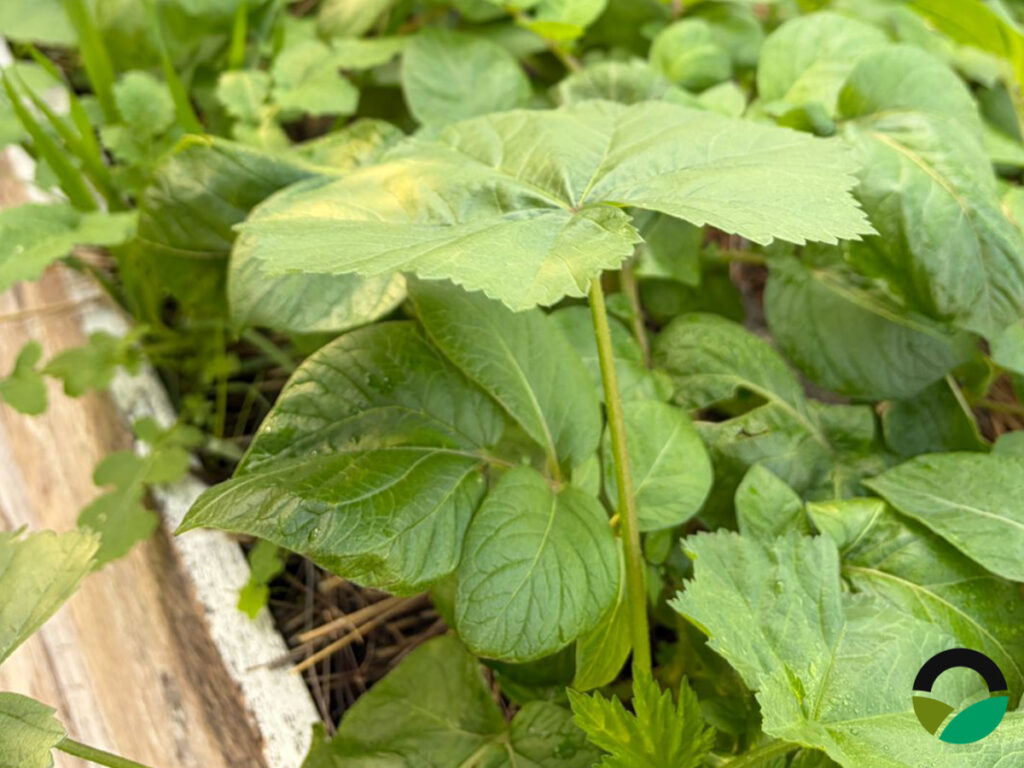
Potatoes in Cyprus
Unlike many northern European regions where potatoes are planted mainly in spring, in Cyprus there are two main planting and harvesting seasons.
The first season runs from autumn to winter, taking advantage of cooler temperatures and winter rainfall.The second season extends from winter into late spring, allowing farmers to harvest before the intense summer heat arrives. These seasonal windows shape how potatoes are grown on the island and require careful timing, especially in small-scale and organic systems.
In Cyprus, potatoes do not face some of the major pests found elsewhere, such as the Colorado potato beetle. However, this does not mean they are trouble-free. The main challenges here are fungal diseases and, occasionally, late winter frost — yes, even in Cyprus.
These factors strongly influence how potatoes are grown and which varieties perform best in Mediterranean conditions.
Why variety matters
At Mavronero, we chose to plant both traditional brown potatoes and red-skinned varieties.
The red-skinned potatoes are especially interesting. As hobby gardeners, we tend to prefer them because they show higher resistance to fungal diseases. This makes them more resilient in humid winter conditions and better suited for low-intervention growing methods.
Their waxy texture also helps them hold their shape during cooking, making them versatile in the kitchen as well as reliable in the field.
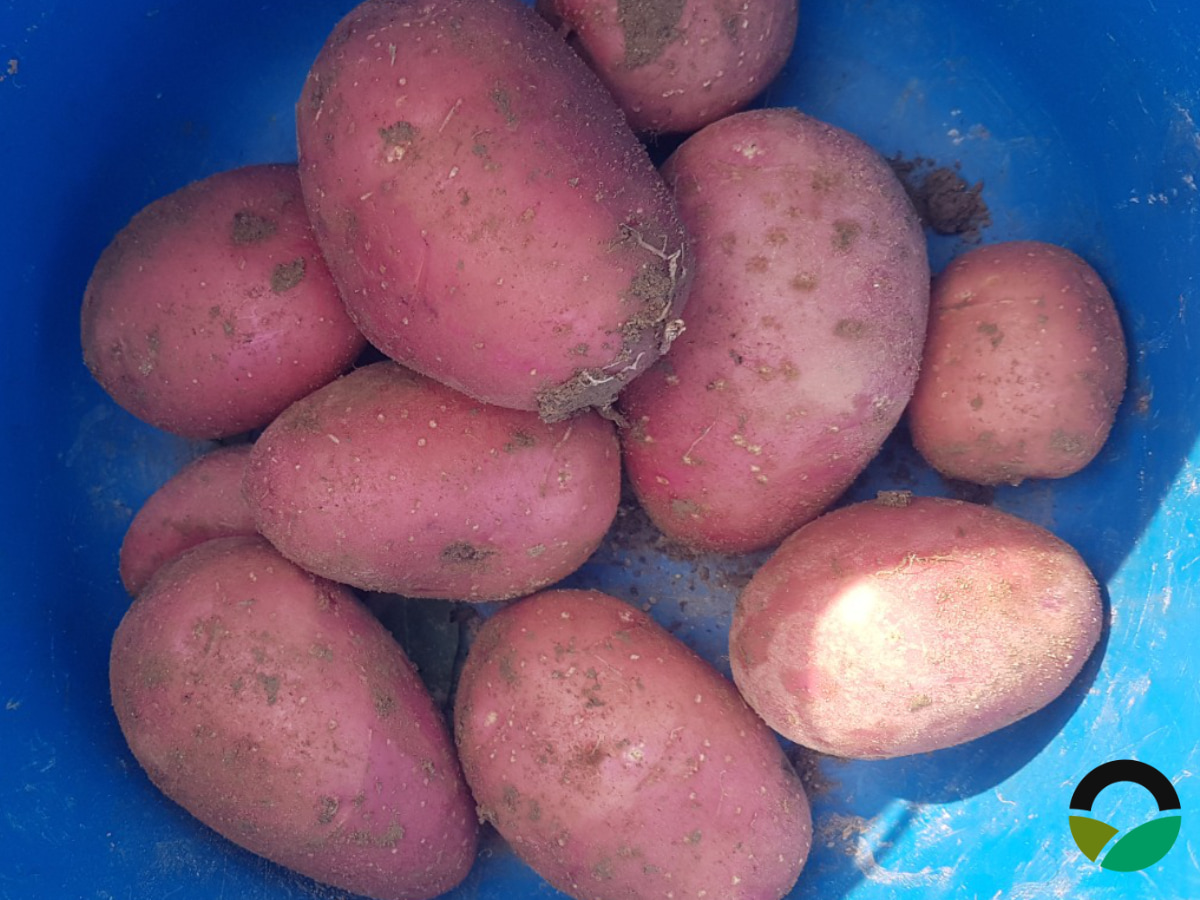
Growing potatoes at Mavronero
Planting
Potatoes are planted in October, using seed potatoes with visible eyes. These eyes develop into shoots once placed in the soil.
Soil and depth
They are planted around 15 cm deep, with enough space between them to allow tubers to form properly underground.
Watering
Winter rainfall usually provides sufficient moisture. Additional watering is only needed during prolonged dry periods.
Challenges
The main risks are fungal diseases and occasional frost damage. Good air circulation, healthy soil, and resistant varieties help reduce these issues naturally.
Harvest
Rather than harvesting all at once, potatoes can be dug up as needed, allowing the rest to continue growing underground.
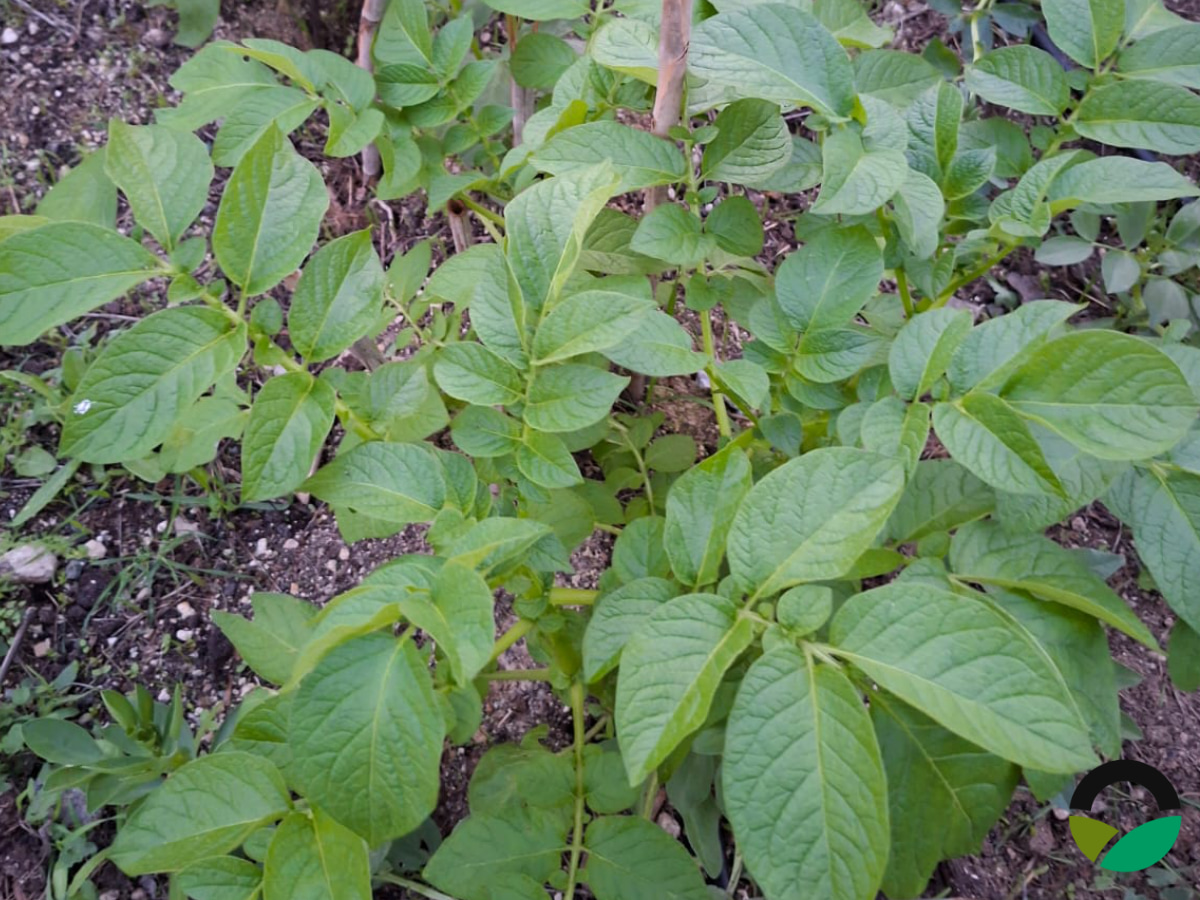
Nutritional value of potatoes
Potatoes are often underestimated nutritionally, yet they provide valuable nourishment, especially when eaten with their skins.
They are a good source of:
- Complex carbohydrates
- Vitamin C
- Vitamin B6
- Potassium
- Dietary fiber
- Natural antioxidants (especially in red-skinned varieties)
When grown without chemical inputs, potatoes can be a grounding and nourishing staple food.
How potatoes can be cooked
Potatoes adapt easily to different cuisines and cooking styles. Their flavor and texture depend heavily on the variety and preparation method.
They can be boiled, roasted, baked, pan-fried, or added to stews. Red-skinned potatoes, in particular, are ideal for dishes where shape and texture matter, such as salads or roasted vegetables.
Recipe ideas
Oven-roasted red potatoes with olive oil and herbs
A simple dish that highlights the natural flavor and texture of red-skinned potatoes.
Ingredients:
Red potatoes, olive oil, garlic, rosemary or thyme, salt, black pepper.
Preparation:
- Cut potatoes into chunks and place them on a baking tray.
- Drizzle generously with olive oil and add crushed garlic and herbs.
- Roast until golden and crisp on the outside, soft inside.
- Finish with salt and pepper.
- This recipe works beautifully with waxy varieties and requires very little intervention.
Rustic potato and onion stew
A comforting winter dish inspired by traditional Mediterranean cooking.
Ingredients:
Brown potatoes, onion, olive oil, bay leaf, water or vegetable stock, salt, pepper.
Preparation:
- Sauté onions in olive oil until soft.
- Add chopped potatoes and bay leaf.
- Cover with water or stock and simmer slowly until tender.
- Season and serve warm.
Simple ingredients, slow cooking, and deep flavor — a reflection of how potatoes have long been used as everyday nourishment.
Conclusion
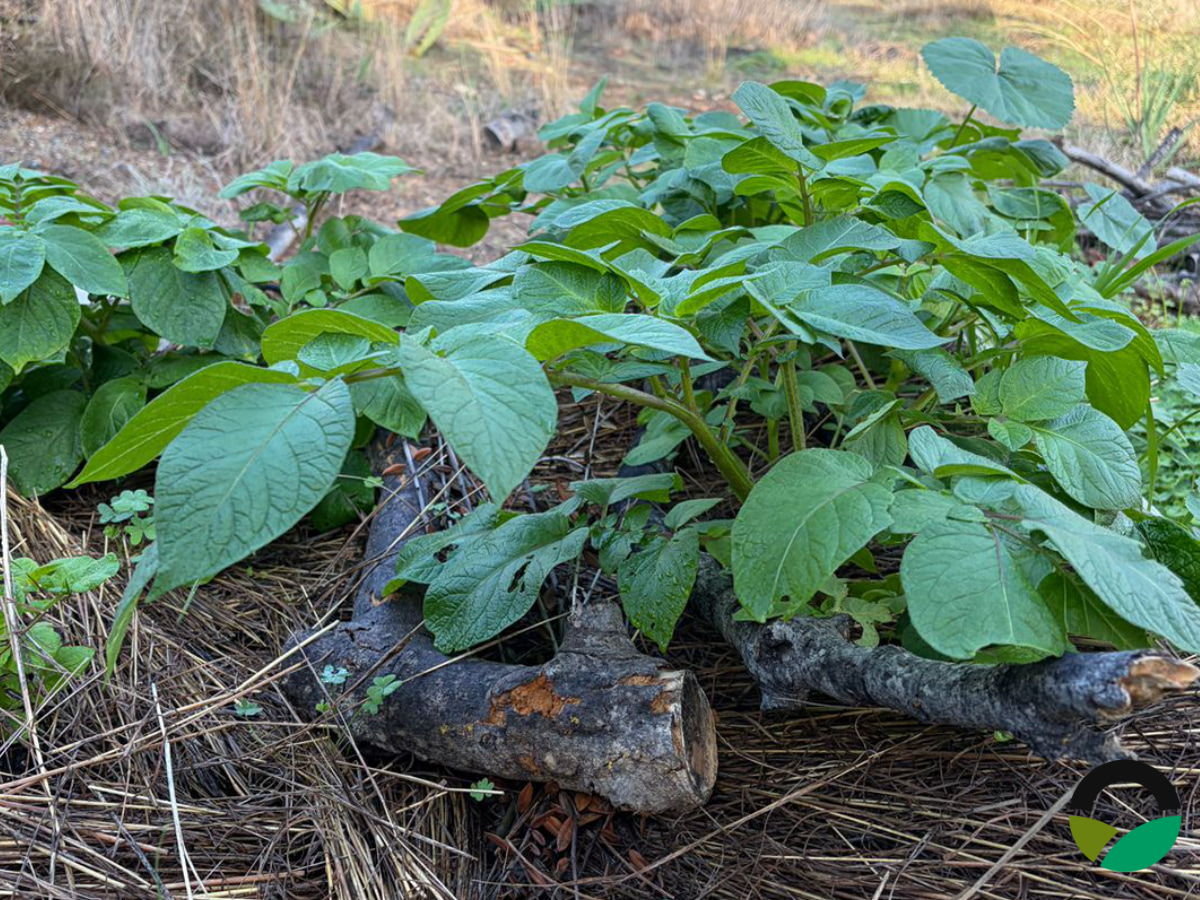
Potatoes at Mavronero remind us that even the most familiar crops deserve attention and care. Beneath the soil, they grow quietly, shaped by autumn rains, winter cold, and the choices we make as growers.
By planting resilient varieties, respecting seasonal rhythms, and allowing nature to guide the process, potatoes become more than a crop — they become part of a living system that supports soil health, biodiversity, and local food traditions.
We look forward to harvesting them gradually and sharing their story as the season unfolds.
Sources
FAO – Potato cultivation and climate adaptation
BBC Good Food – Potato types and how to use them
