
One of the defining features of Mediterranean landscapes is the abundance of native shrubs that have evolved to thrive under long, dry summers and nutrient-poor soils.
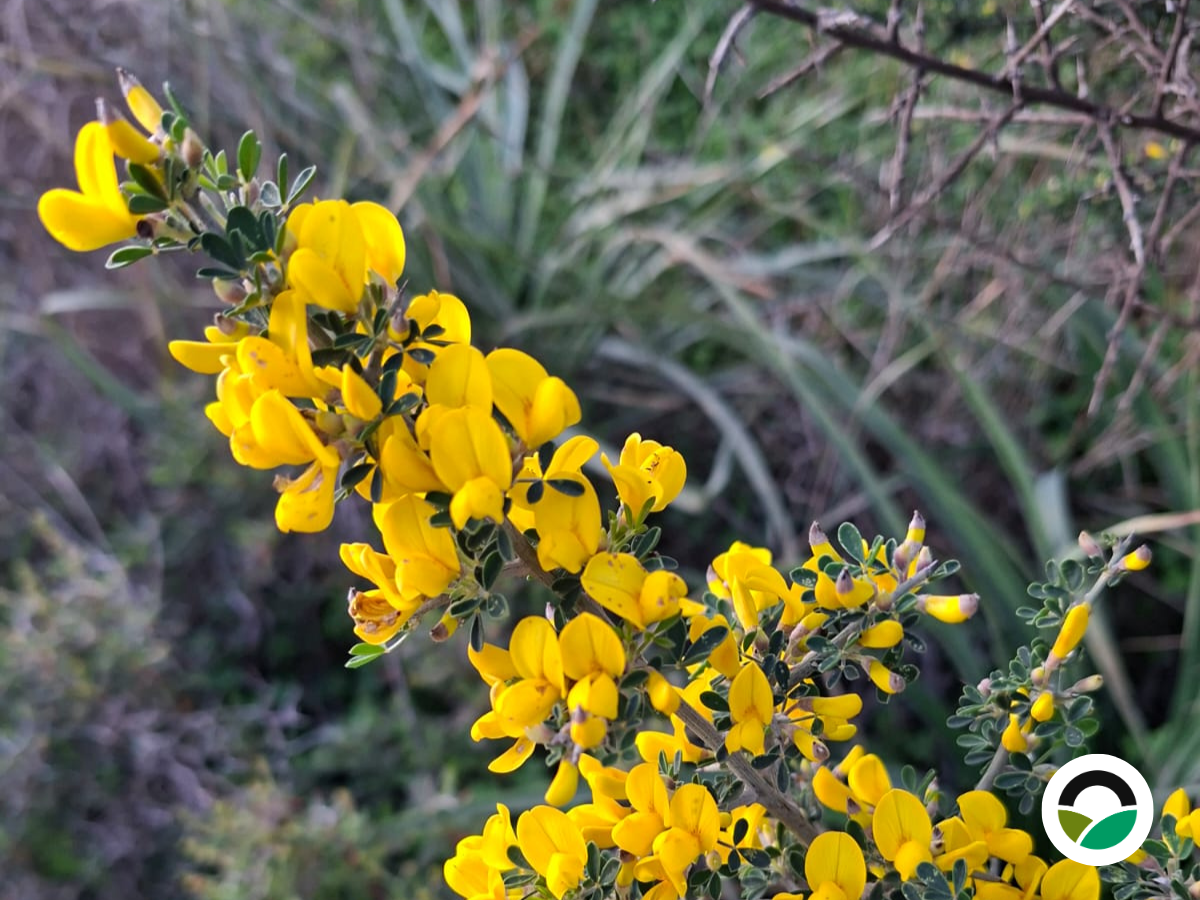
During the spring of 2026, we documented the flowering of prickly broom (Calicotome villosa) at Mavronero Farm. Its bright yellow blossoms covered the surrounding hillsides, providing a striking seasonal display while supporting pollinators and contributing to the ecological health of the landscape.
Although its flowering period is relatively short, prickly broom remains an important component of Mediterranean biodiversity throughout the year. Its dense, thorny structure offers shelter for wildlife, while its ability to grow in harsh conditions makes it a characteristic species of resilient Mediterranean ecosystems.
A characteristic Mediterranean shrub
Prickly broom (Calicotome villosa) belongs to the legume family (Fabaceae), a group of plants well known for their ecological importance and adaptability.
Native to the Mediterranean Basin, it grows naturally across Cyprus, southern Europe, North Africa and parts of the Middle East. It is commonly found on rocky hillsides, open scrublands, abandoned agricultural land and forest margins.
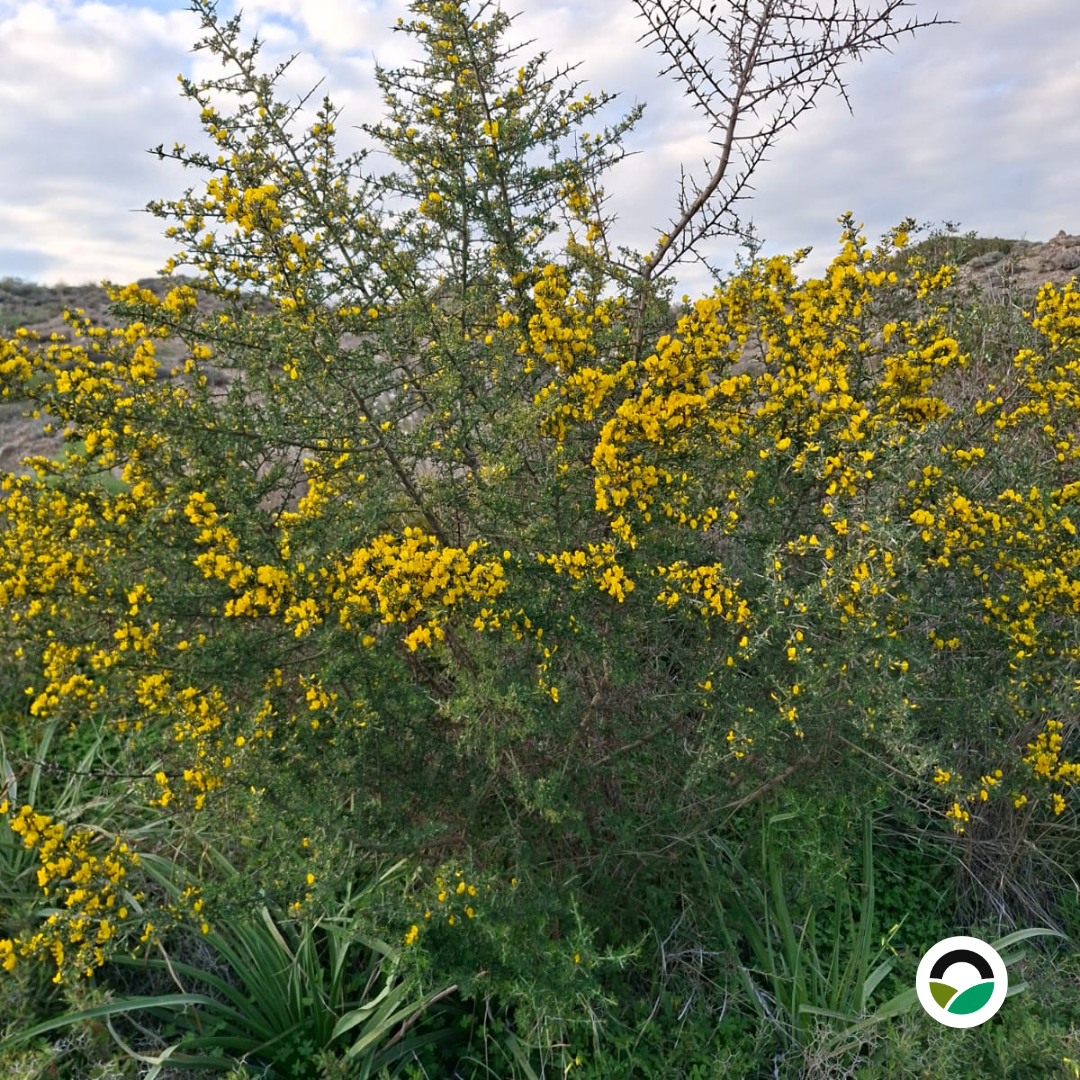
The shrub typically reaches between one and three metres in height and is easily recognised by its rigid thorny branches and masses of vivid yellow flowers that bloom from late winter through spring.
Like many members of the Fabaceae family, prickly broom forms symbiotic relationships with nitrogen-fixing bacteria, helping improve soil fertility in naturally nutrient-poor environments.
Adapted to drought and poor soils
Prickly broom is exceptionally well adapted to Mediterranean climates.
Its small leaves minimise water loss, while an extensive root system allows the plant to access moisture deep within the soil during prolonged dry periods.
Once established, it requires no irrigation and can thrive in rocky, sandy and degraded soils where many other species struggle to survive.
These adaptations make prickly broom an important pioneer species, helping stabilise disturbed soils and supporting the gradual recovery of natural vegetation.
Supporting pollinators and biodiversity
The abundant spring flowers of prickly broom provide nectar and pollen for a wide range of native pollinators.
Bees, solitary bees, hoverflies and other beneficial insects visit the flowers during the flowering season, contributing to pollination across surrounding Mediterranean vegetation.
Its dense thorny branches also provide valuable refuge for birds, reptiles, insects and small mammals, protecting them from predators and harsh environmental conditions.
By supporting multiple trophic levels, prickly broom contributes to the complex ecological interactions that maintain healthy Mediterranean ecosystems.
Why native shrubs matter in regenerative farming
Regenerative agriculture is not only concerned with cultivated crops but also with protecting the native vegetation that surrounds agricultural landscapes.
Native shrubs such as prickly broom improve ecological resilience by stabilising soils, supporting beneficial insects and providing habitat for wildlife throughout the year.
Maintaining these naturally occurring species reduces landscape degradation and strengthens the ecological processes that healthy farming systems depend upon.
Observing native flora helps us better understand how biodiversity contributes to resilient agricultural ecosystems.
Observations at Mavronero
These photographs were taken during the spring of 2026 while documenting seasonal biodiversity around Mavronero Farm.
Several flowering prickly broom shrubs were growing naturally along field edges and surrounding Mediterranean scrub without irrigation or human management.
Their abundant flowering attracted numerous pollinating insects, highlighting the ecological value of native vegetation within regenerative farming landscapes.
Recording these seasonal events allows us to follow the natural cycles that shape biodiversity throughout the year.
Interesting facts
Prickly broom (Calicotome villosa)
- Native to the Mediterranean Basin, including Cyprus, southern Europe and North Africa.
- Member of the legume family (Fabaceae).
- Flowers from late winter through spring with abundant bright yellow blossoms.
- Forms nitrogen-fixing associations that naturally improve soil fertility.
- Highly drought tolerant once established.
- Provides nectar and pollen for native pollinators.
- Dense thorny branches offer shelter for birds, reptiles, insects and small mammals.
- Often acts as a pioneer species on degraded or disturbed land.
Native plants and resilient landscapes
Mediterranean ecosystems have evolved through thousands of years of adaptation to seasonal drought, poor soils and periodic disturbance.
Native shrubs such as prickly broom are an essential part of these ecosystems, contributing to soil health, biodiversity and ecological stability.
By allowing these species to flourish alongside cultivated areas, regenerative farms become more resilient while supporting the natural processes that sustain life across the landscape.
At Mavronero Farm, every seasonal observation strengthens our understanding of the native flora that makes Mediterranean ecosystems both productive and resilient.
Conclusion
The brilliant yellow flowers of prickly broom are one of spring’s most recognisable features across Mediterranean landscapes.
Beyond their beauty, these native shrubs improve soil health, support pollinators, provide habitat for wildlife and demonstrate the remarkable resilience of Mediterranean vegetation.
Protecting native species such as Calicotome villosa helps preserve the ecological balance upon which regenerative farming depends.
