
Species of the Month – August 2026
Acoustic monitoring at Mavronero provides continuous insight into local bird activity. Each month, we analyse detection data to better understand species presence, behavioural intensity and ecological patterns.
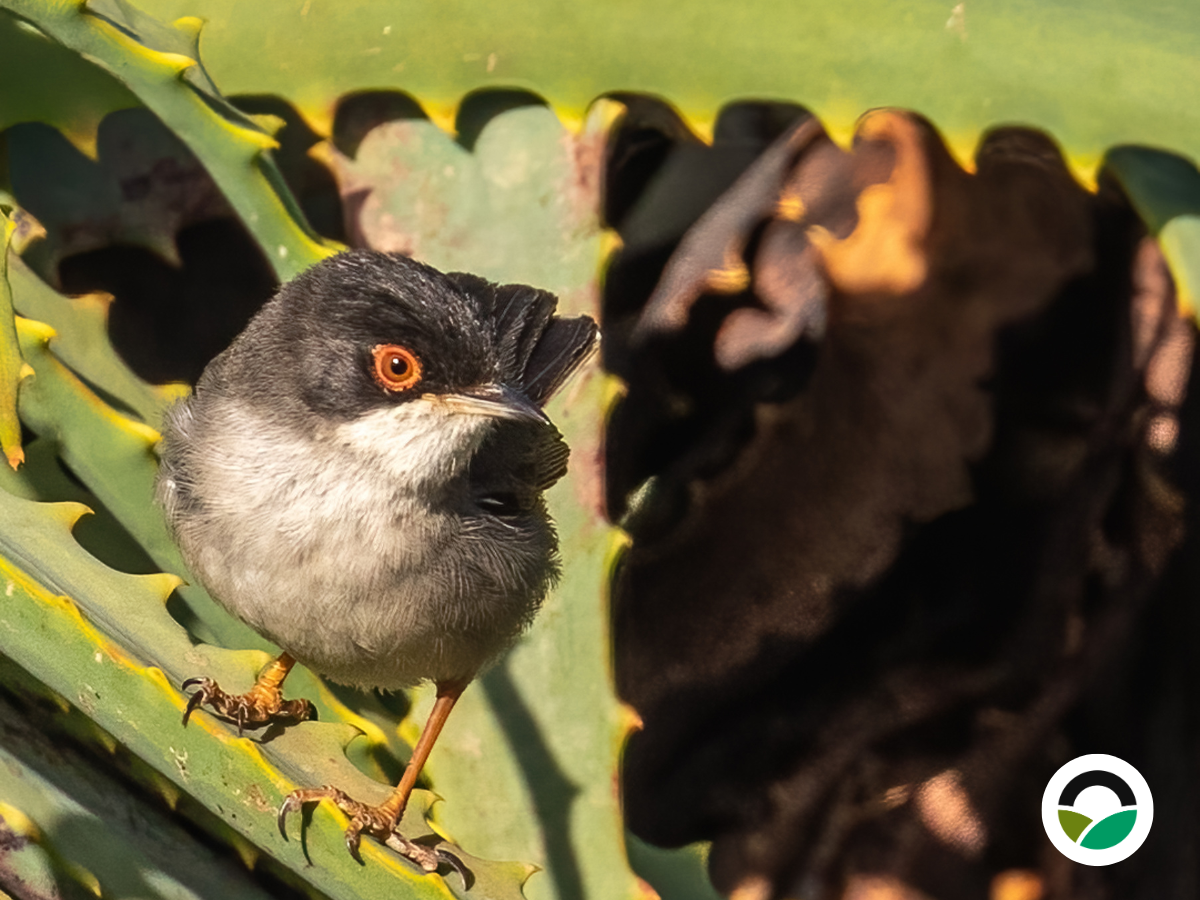
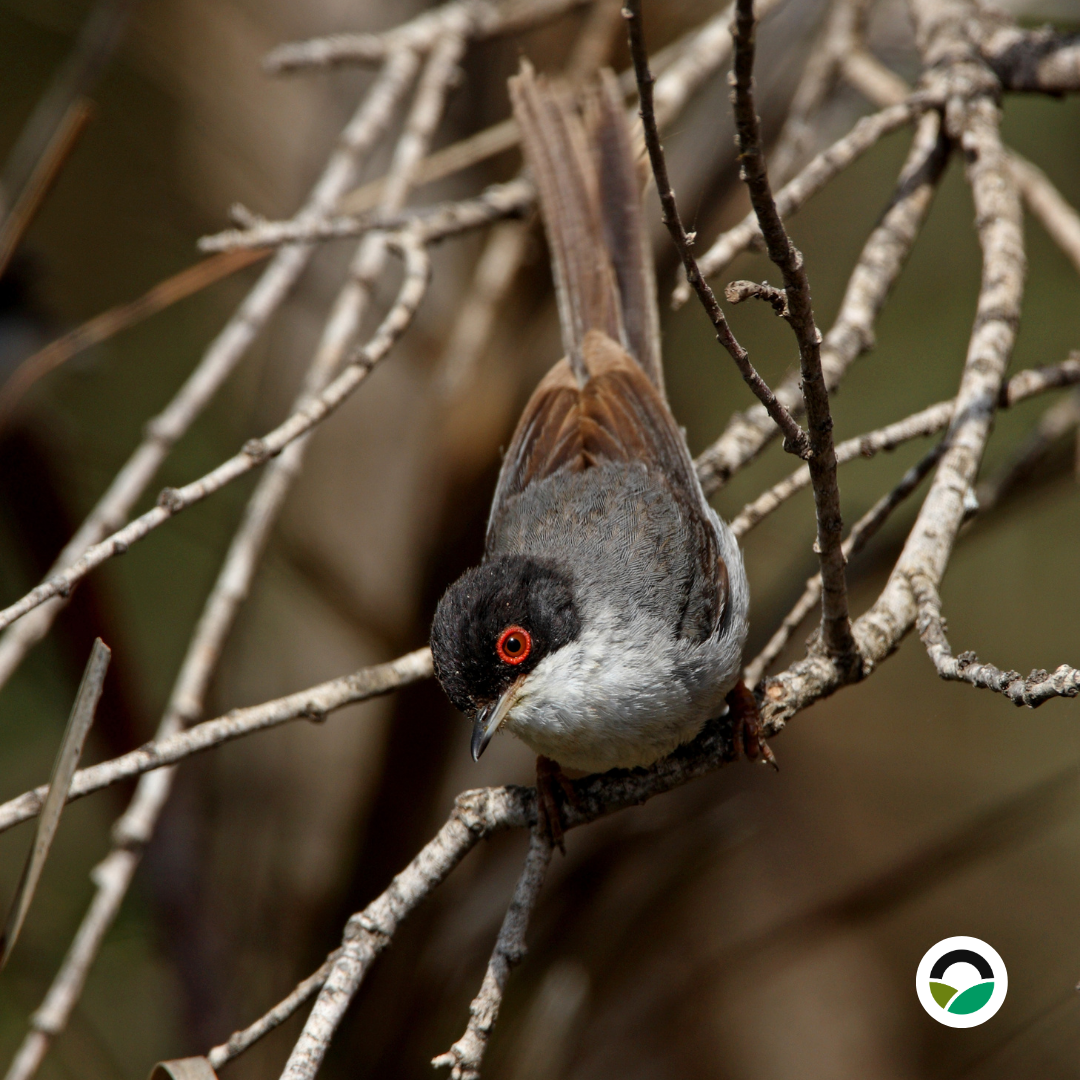
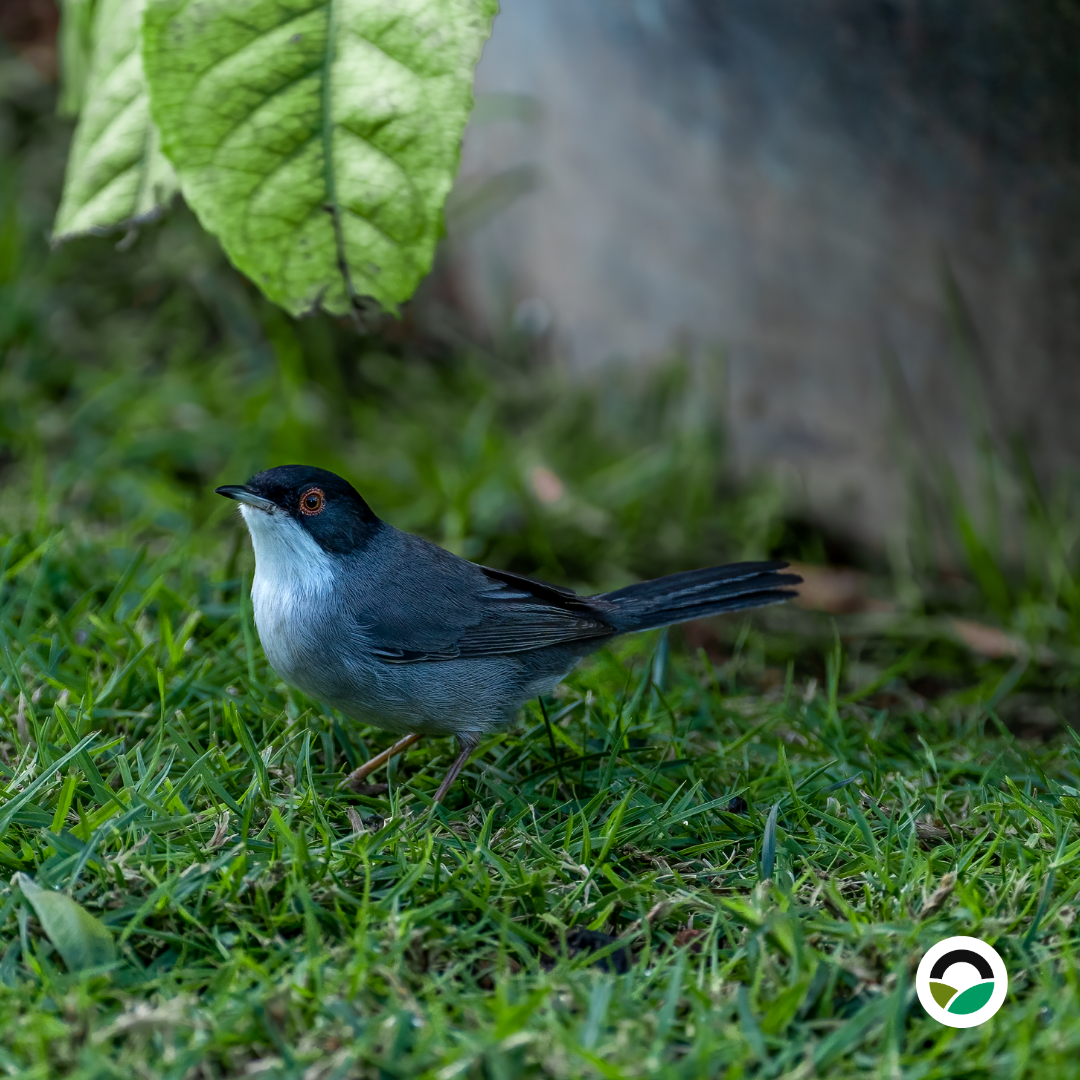
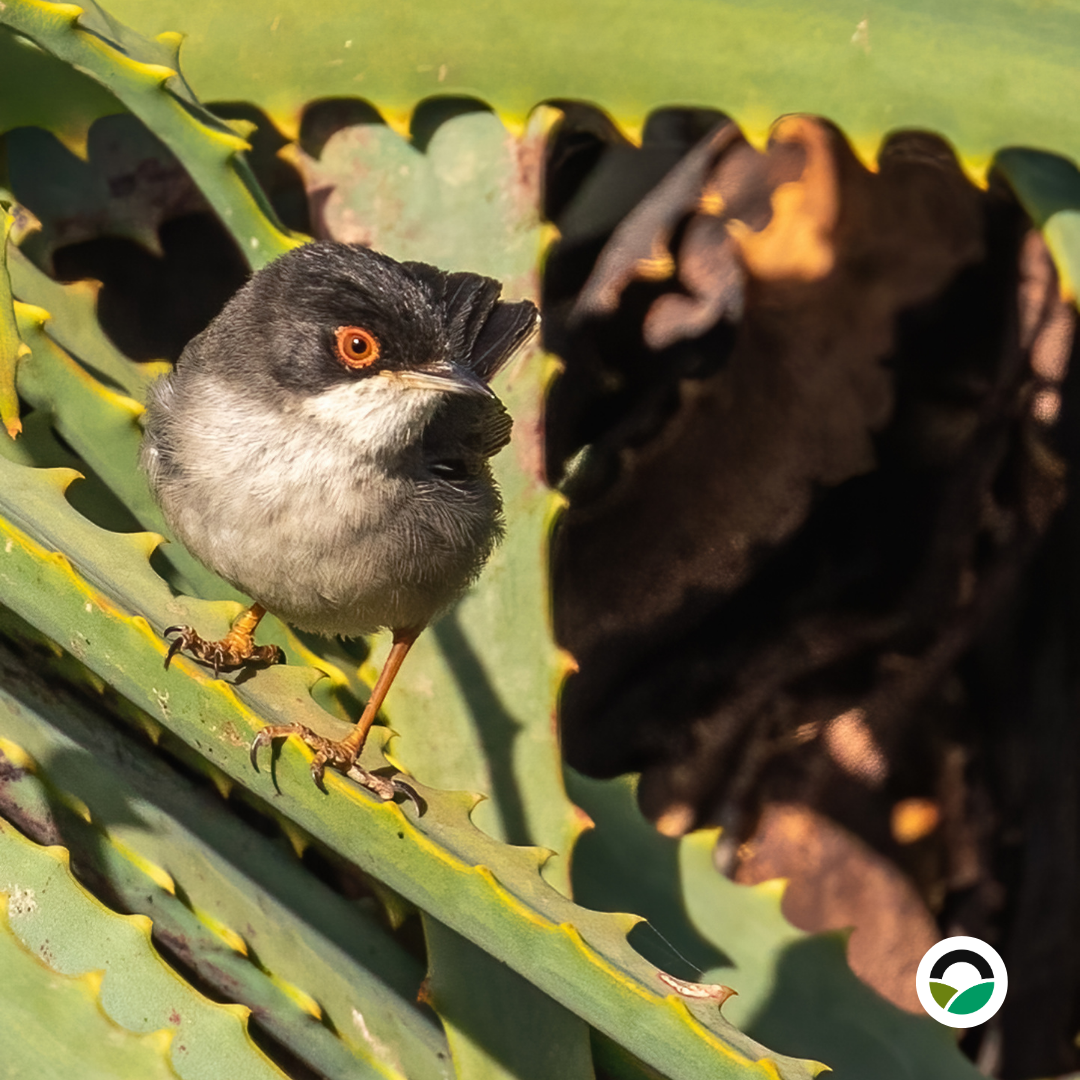
During the period 18/08/2026 – 25/08/2026, the most actively detected species (excluding those previously featured in this series) was: Sardinian Warbler (Curruca melanocephala)
626 detections recorded within 7 days.
This detection pattern highlights the species’ continued presence and vocal activity during the late summer period, demonstrating how passive acoustic monitoring can reveal ecological patterns that are often difficult to observe visually.
About the species
The Sardinian Warbler (Curruca melanocephala) is a small passerine bird native to the Mediterranean region, where it is widely distributed across southern Europe, North Africa and parts of the Middle East. It is particularly associated with dense shrubland, maquis vegetation, woodland edges and coastal scrub, habitats that provide both shelter and abundant food resources.
Ecologically, the species plays an important role as an insectivore, helping regulate populations of insects and other small invertebrates. During autumn and winter it also feeds on berries and other fruits, contributing to seed dispersal within Mediterranean ecosystems.
Behaviourally, the Sardinian Warbler is active, territorial and highly vocal. Although it often remains hidden within dense vegetation, its distinctive scratchy song and sharp contact calls make it readily detectable through acoustic monitoring. This combination of secretive behaviour and frequent vocalisation makes it an excellent indicator species for passive sound monitoring.
The species is currently classified as Least Concern (IUCN) and remains widespread throughout its range, although habitat degradation and fragmentation may locally affect breeding populations.
Key ecological characteristics
- Habitat preference: Mediterranean scrub, maquis, woodland edges and dense shrubland
- Feeding behaviour: Insects, spiders, berries and small fruits
- Social structure: Mostly solitary or found in breeding pairs
- Vocal characteristics: Rich, scratchy territorial song and sharp contact calls
Detection data at Mavronero
The species was identified through the permanent acoustic monitoring system installed at Mavronero.
(For detailed methodology, see our article on bird detection and acoustic monitoring.)
During the analysed period:
- 626 detections
- Consistent daily vocal activity
- Repeated detections across all seven monitoring days
Compared with previous months, the Sardinian Warbler continues to demonstrate stable occupancy of the monitored habitat throughout the summer season, with regular vocal activity recorded each day.
This dataset allows analysis of:
- Activity intensity
- Temporal distribution
- Persistence across consecutive days
Interpreting the data
What do 626 detections in 7 days indicate?
- Strong local presence
- Active territorial vocalisation
- Stable habitat occupation
During late summer, Sardinian Warblers remain highly vocal while defending territories and maintaining communication within dense vegetation. Their frequent songs and calls generate reliable acoustic records that reflect both habitat use and seasonal behavioural patterns.
Short-term variation may be influenced by:
- Breeding behaviour
- Daily temperature fluctuations
- Vegetation density
- Availability of insect prey
Why this species matters
Even common bird species provide valuable ecological information.
Changes in detection frequency may indicate:
- Habitat modification
- Changes in shrubland quality
- Seasonal resource availability
- Environmental disturbance
Because the Sardinian Warbler is strongly associated with healthy Mediterranean scrub habitats, long-term monitoring of its vocal activity provides valuable insight into habitat quality and ecosystem stability.
To learn more about the Sardinian Warbler, its ecology and its conservation in Cyprus, we recommend visiting the BirdLife Cyprus species guide, an excellent resource for information on the island’s native bird species.
Long-term acoustic monitoring transforms daily bird activity into measurable ecological knowledge, allowing biodiversity trends to be observed over time.
Conclusion
At Mavronero, consistent acoustic monitoring strengthens science-based environmental management.
The Sardinian Warbler demonstrates how passive acoustic monitoring can reveal patterns of habitat use, territorial behaviour and seasonal activity within Mediterranean ecosystems.
Listening systematically allows patterns to emerge — and patterns are the foundation of ecological understanding.
