
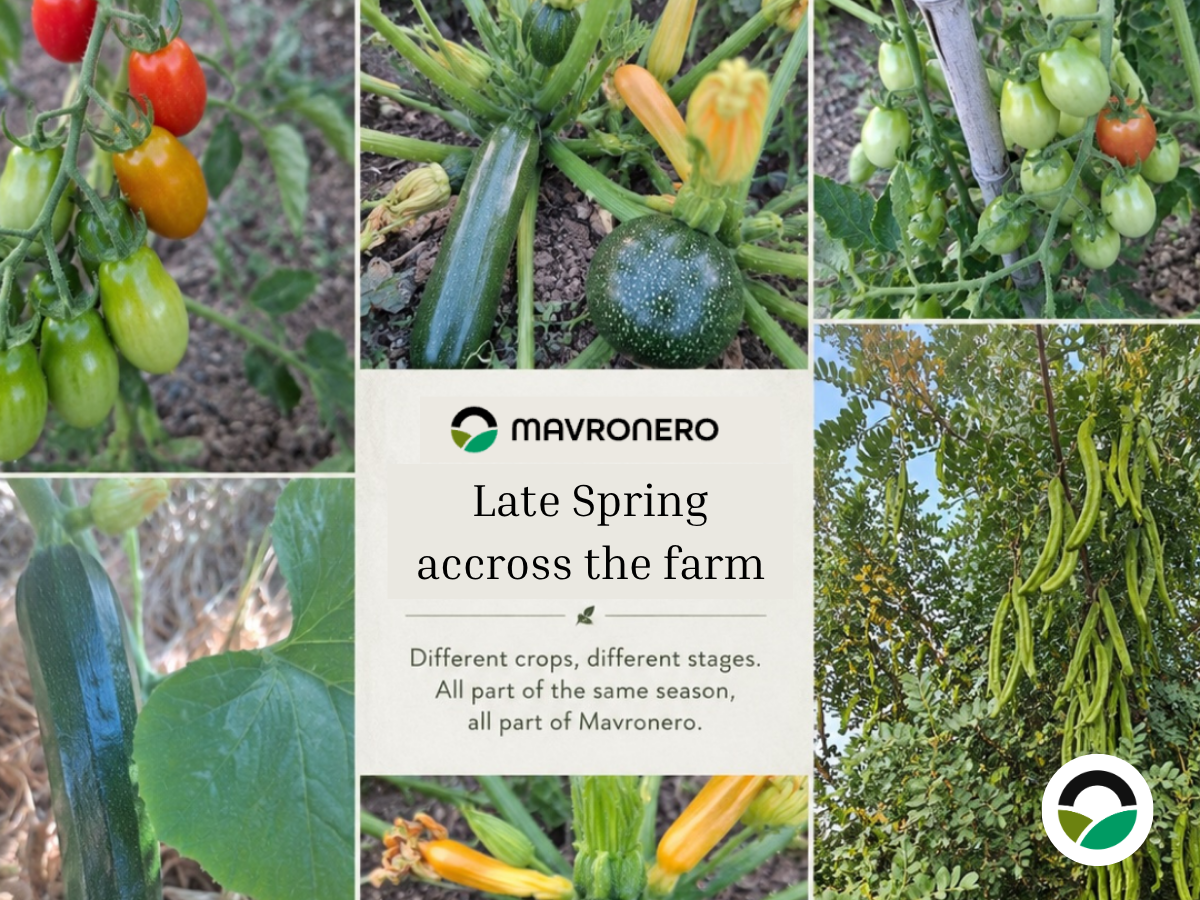
Mediterranean agricultural landscapes undergo continuous change throughout the growing season. Different crops progress through flowering, fruit development, ripening, and harvest at their own pace, creating a mosaic of agricultural activity that evolves week by week.
Recent observations at Mavronero highlight several stages of this seasonal cycle occurring simultaneously across the farm. Tomatoes, courgettes, cucumbers, and carob trees are all currently displaying different phases of growth, providing a snapshot of the diversity and productivity of Mediterranean cultivation systems.
Tomato ripening and fruit development
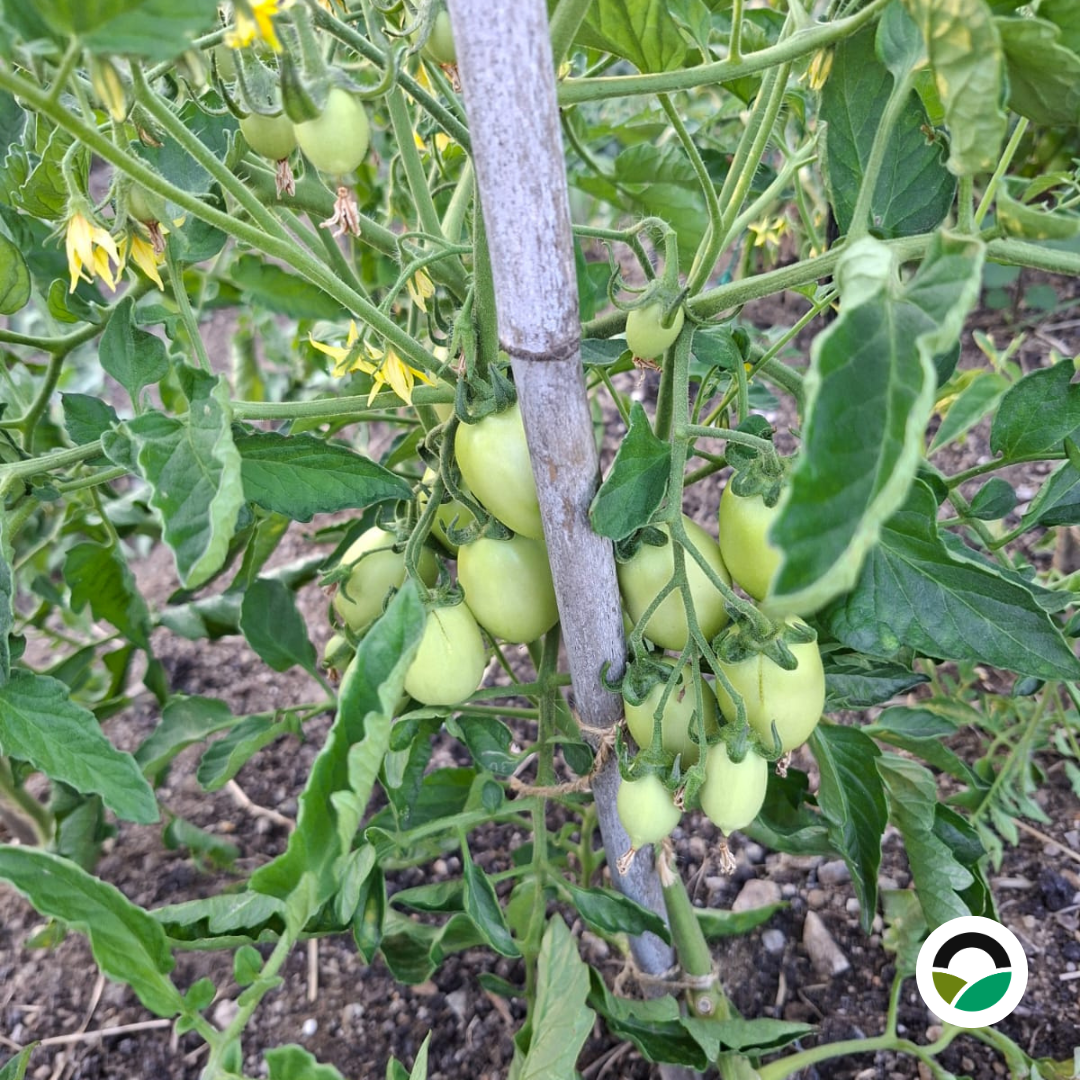
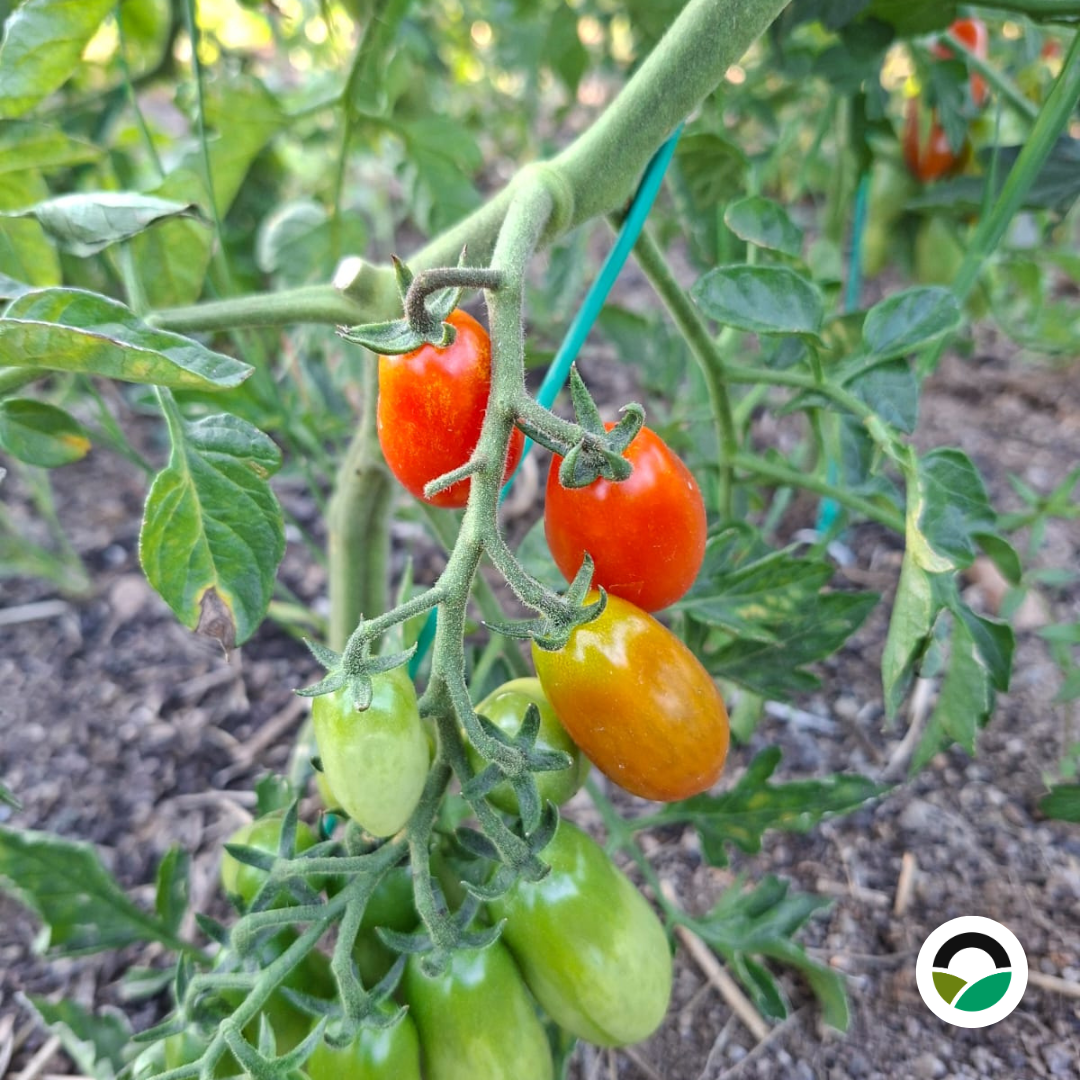
Tomatoes (Solanum lycopersicum) continue to develop throughout the cultivated areas of the farm. Individual plants often carry flowers, immature fruits, and ripening tomatoes at the same time.
As fruits mature, they gradually transition from green to orange and eventually red, reflecting changes in pigment composition and sugar accumulation. This staggered ripening process allows for repeated harvesting over an extended period rather than a single harvest event.
The continued presence of flowers alongside developing fruits demonstrates the ongoing reproductive activity of the plants throughout the growing season.
Courgettes and the role of pollination
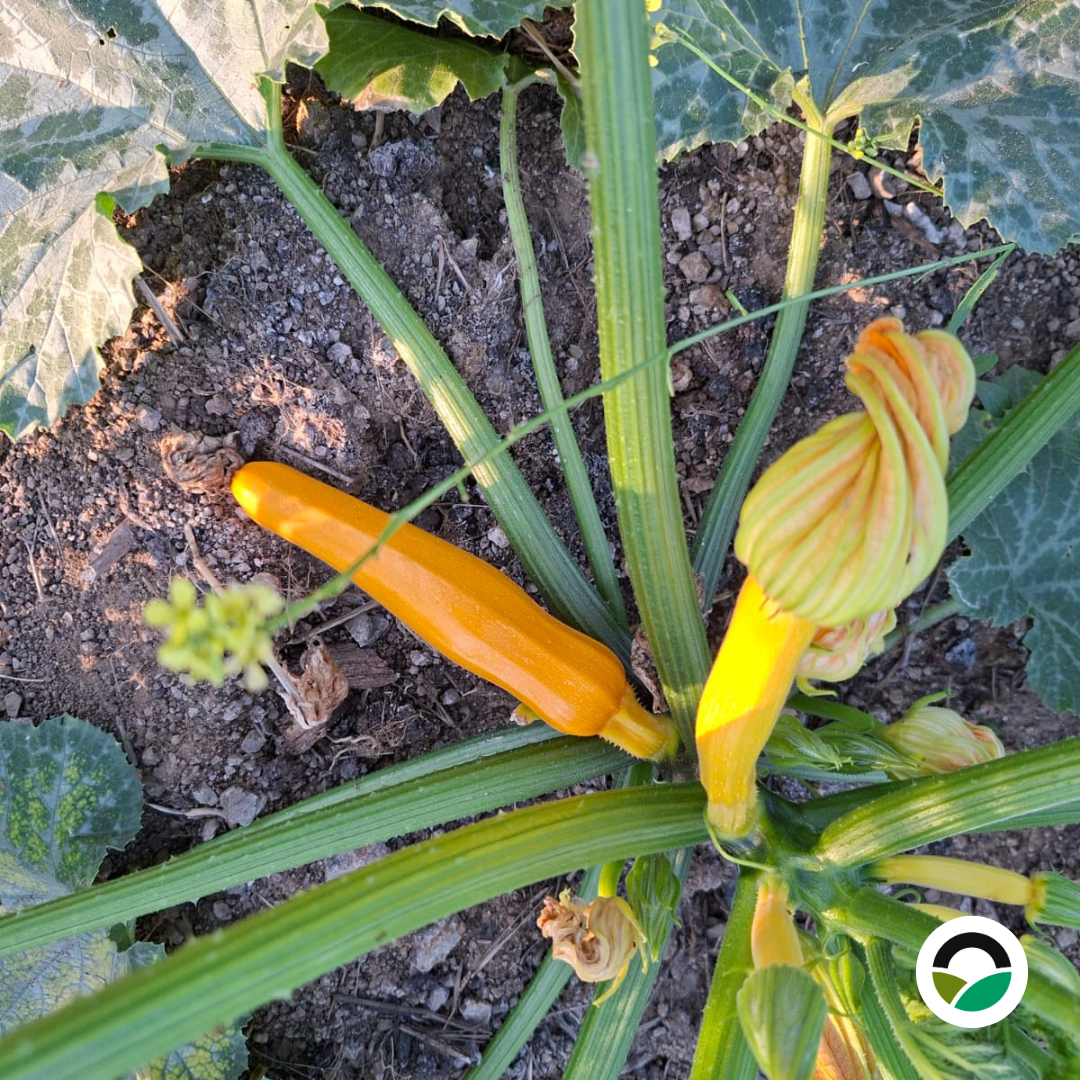
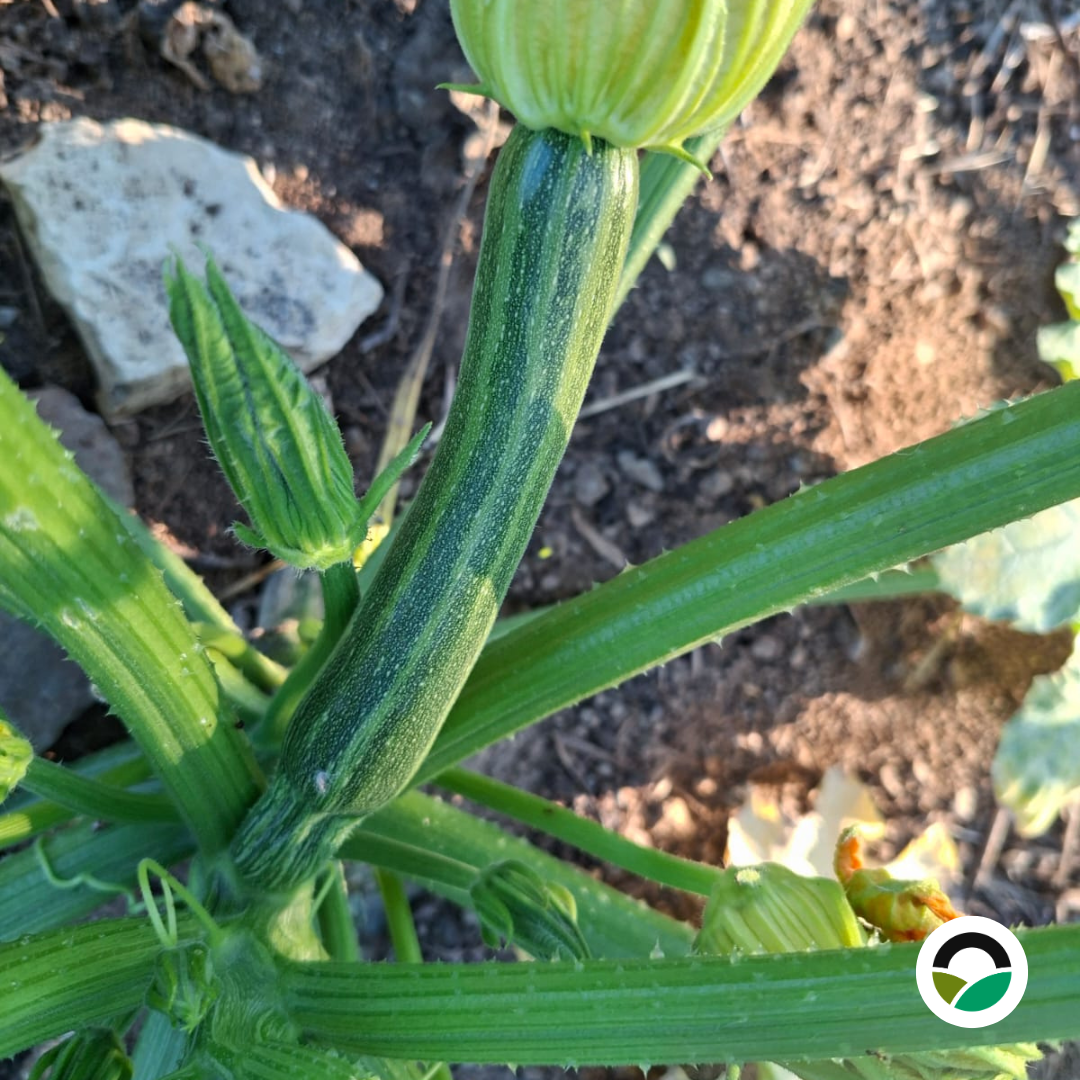
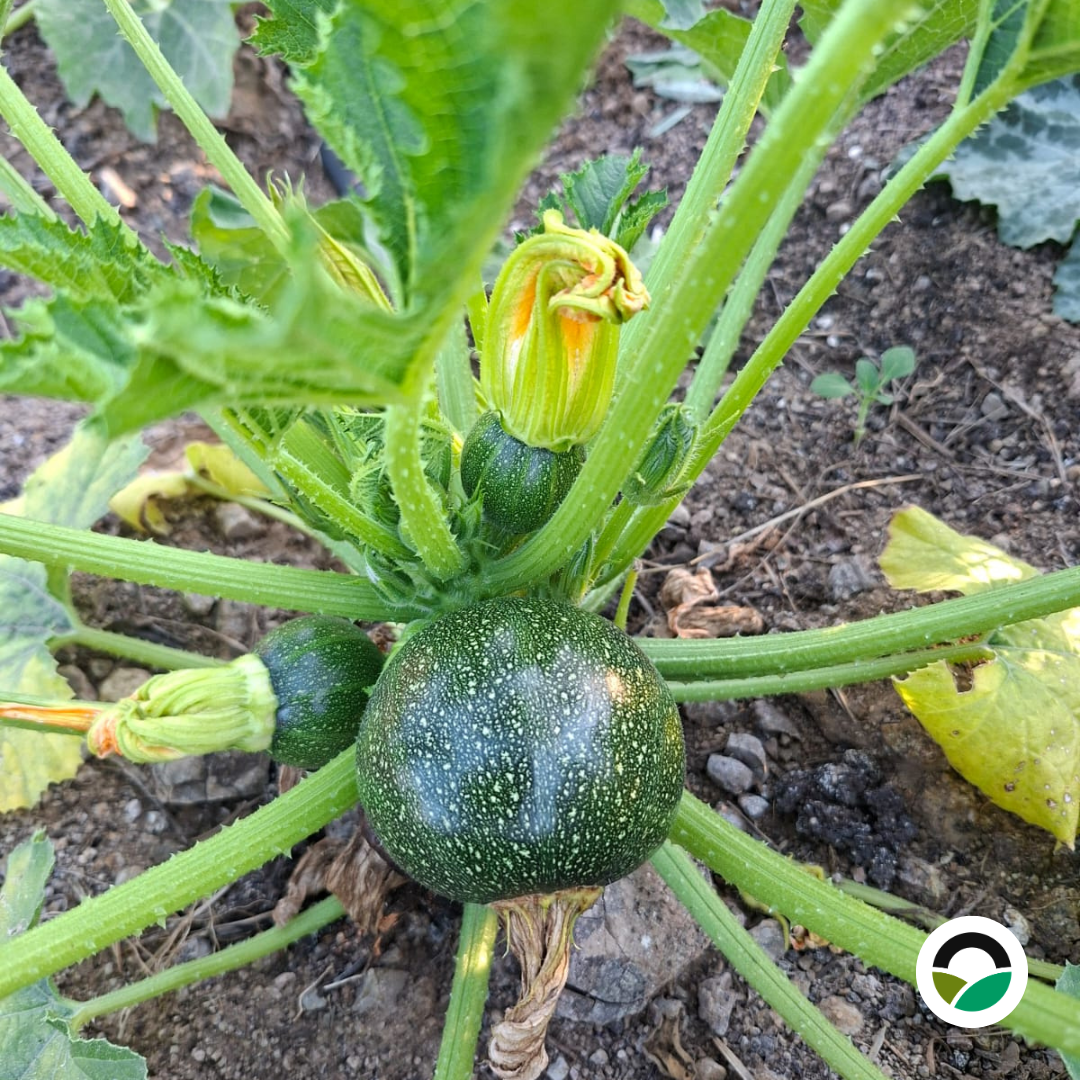
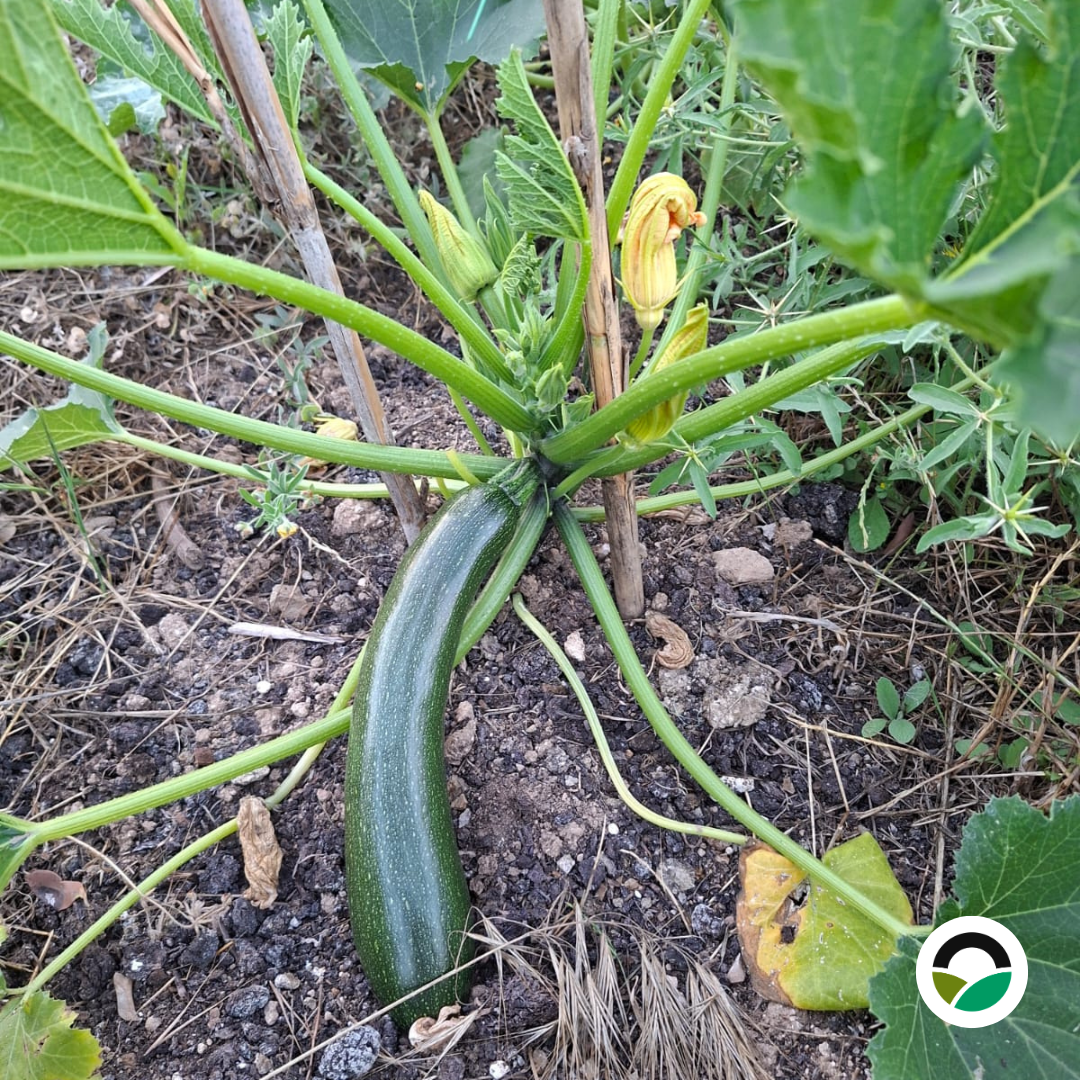
Courgettes (Cucurbita pepo) provide a clear example of how rapidly fruit development can occur following successful pollination.
Large yellow flowers attract pollinating insects, which transfer pollen between male and female flowers. Once pollination occurs, fruit development begins quickly, often becoming visible within only a few days.
At Mavronero, observations currently include:
- newly opened flowers
- recently pollinated flowers
- developing fruits
- harvest-ready courgettes
The simultaneous presence of these stages illustrates the continuous nature of production during the summer growing season.
Cucumber growth and harvest readiness
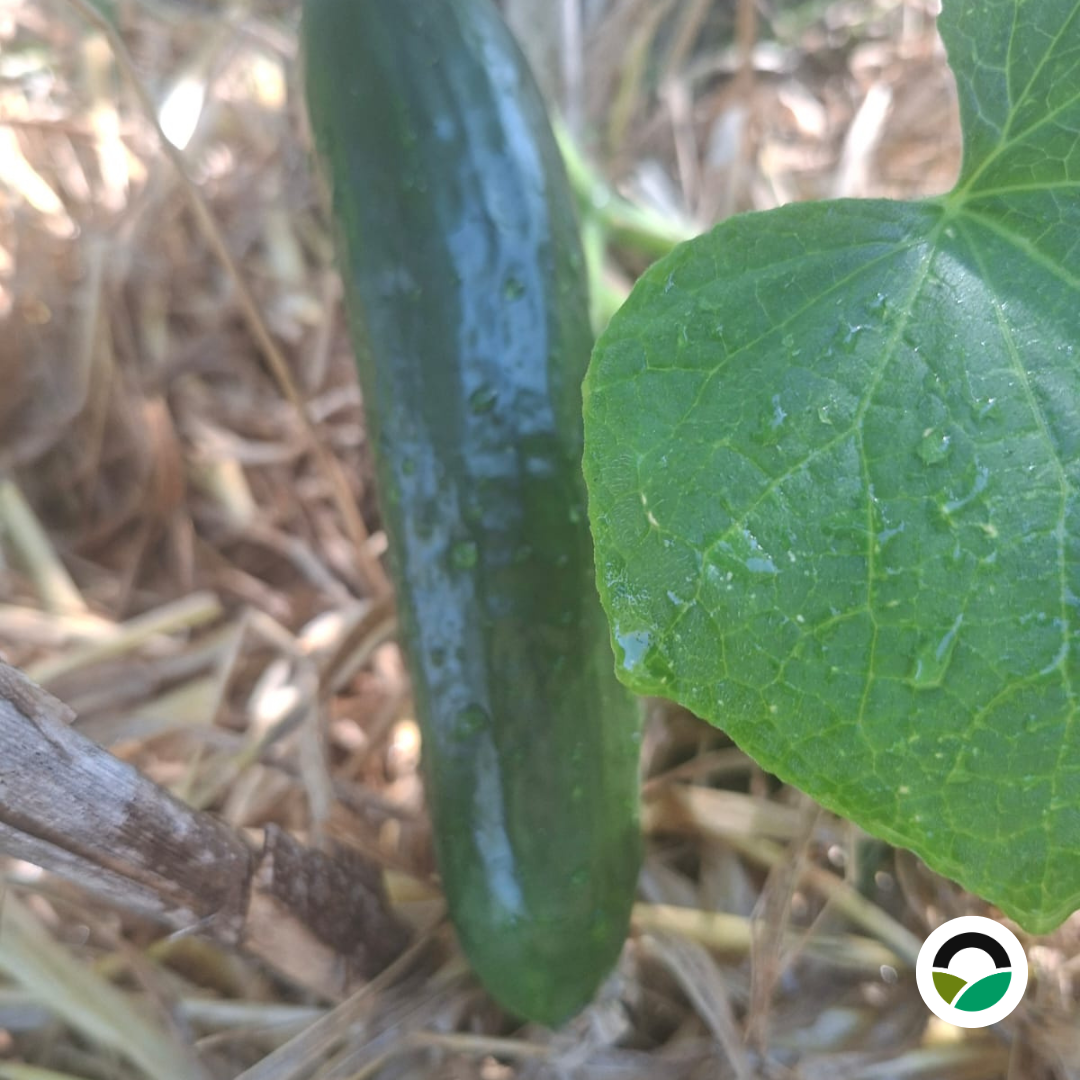
Cucumber plants (Cucumis sativus) are also progressing through active fruit production.
The fruits develop rapidly during warm Mediterranean conditions, supported by adequate soil moisture and sunlight. As they reach maturity, cucumbers become suitable for harvesting while the plants continue producing additional flowers and fruits.
This ongoing cycle of flowering and fruiting allows cucumber plants to remain productive throughout much of the summer season.
Carob trees and long-term seasonal development
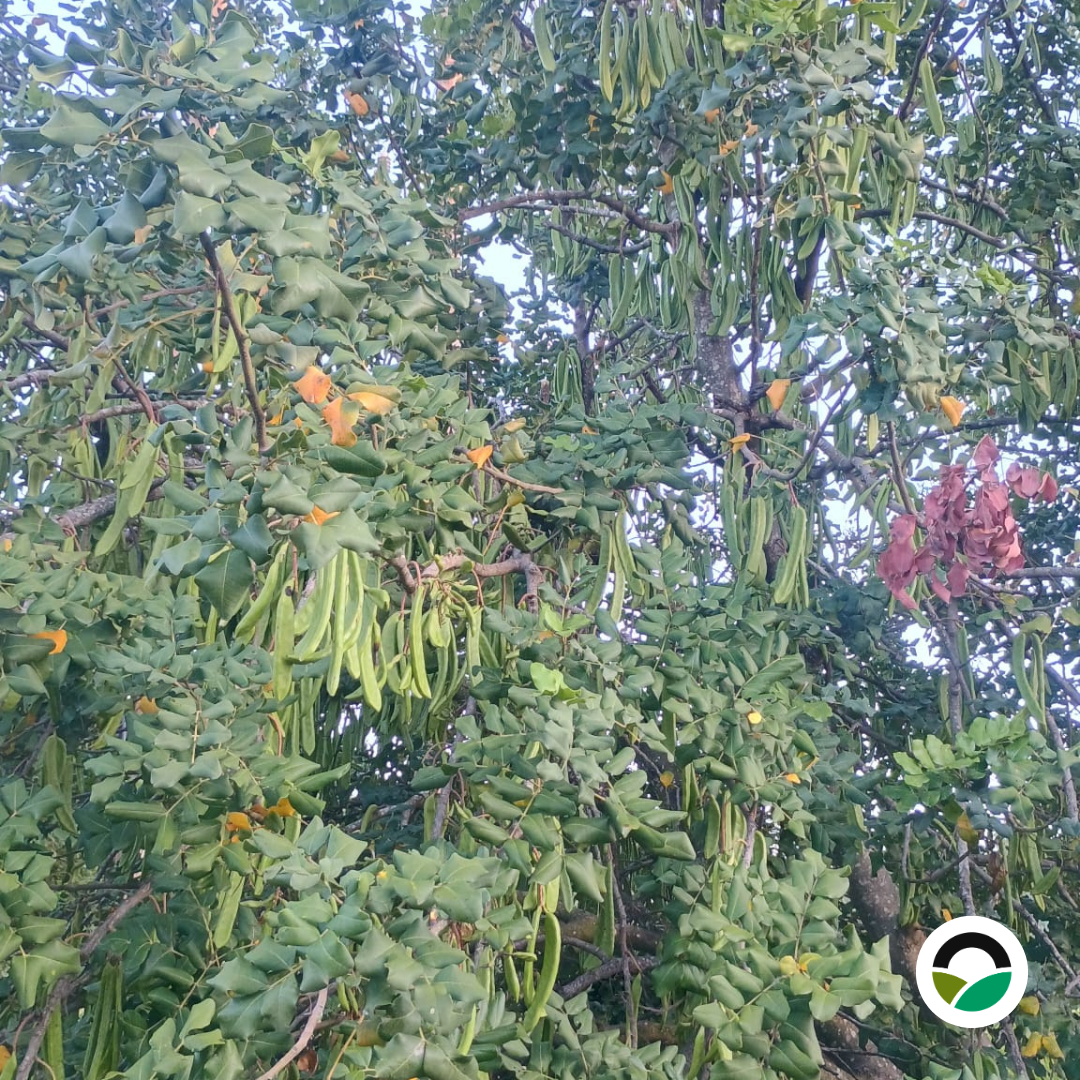
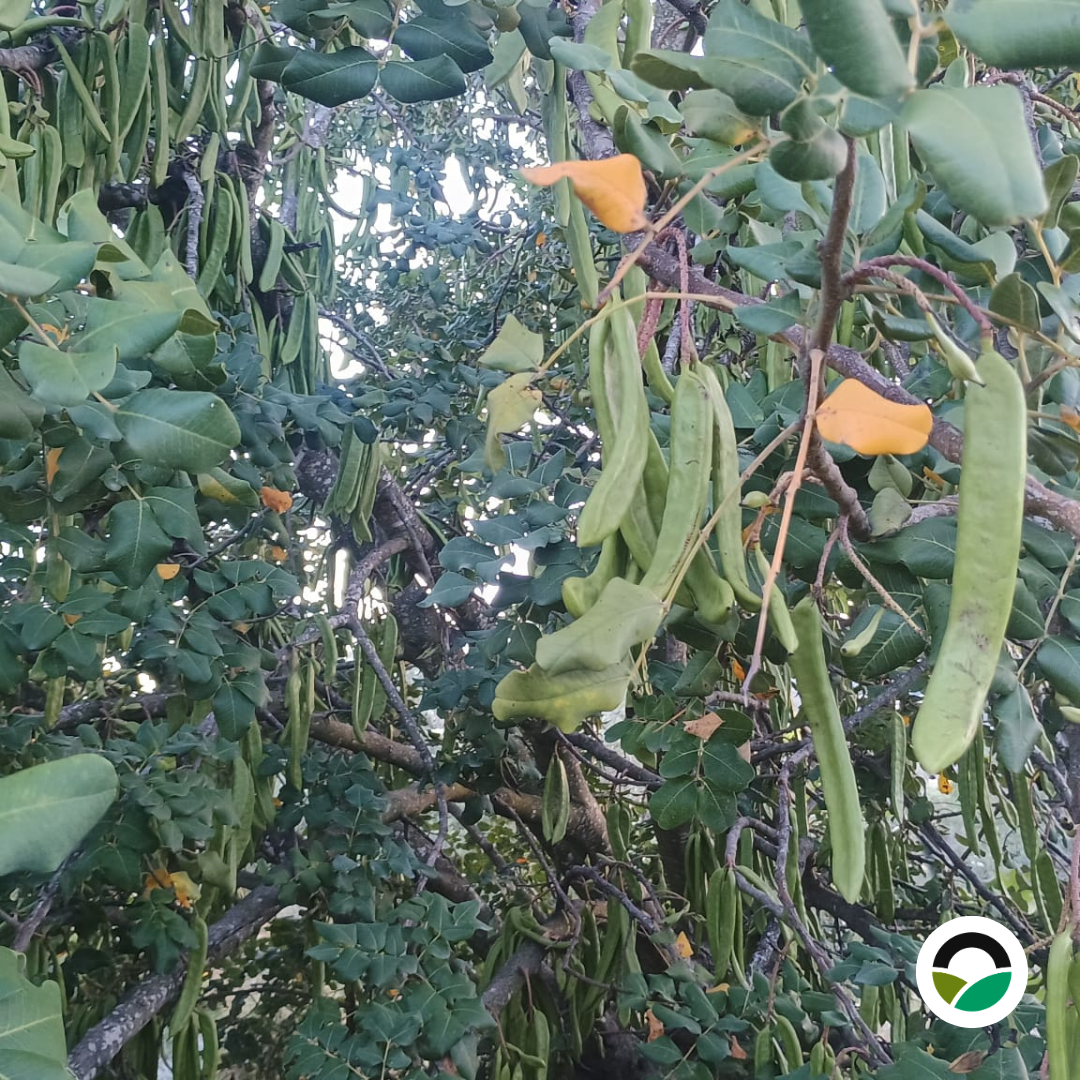
While vegetable crops can complete significant stages of development within weeks, carob trees (Ceratonia siliqua) follow a much longer seasonal timeline.
Across the farm, mature carob trees are currently carrying large numbers of developing pods. These pods will continue growing throughout the summer before reaching full maturity later in the season.
Carob trees represent one of the characteristic species of Mediterranean agricultural landscapes and provide both ecological and agricultural value. Their ability to thrive under dry conditions makes them particularly well adapted to the climate of Cyprus.
Biodiversity and productive agricultural systems
The coexistence of vegetables, fruit-bearing trees, pollinators, wild plants, and other organisms contributes to the ecological complexity of the farm.
Observations of crop development are closely linked to wider environmental processes, including:
- pollinator activity
- seasonal plant growth
- soil biological processes
- habitat interactions within cultivated areas
- agricultural biodiversity
Monitoring these interactions helps document how productive farming systems can function alongside diverse ecological communities.
Seasonal observations at Mavronero
One of the most distinctive characteristics of Mediterranean agriculture is that multiple stages of plant development often occur simultaneously. A single visit to the farm may reveal flowering plants, developing fruits, ripening produce, and harvest-ready crops all within the same landscape.
These observations provide insight into the seasonal rhythms that shape food production and demonstrate the continuous nature of agricultural growth throughout the year.
At Mavronero, ongoing environmental and agricultural observations continue documenting the relationship between cultivation, biodiversity, and seasonal change within a Mediterranean farming environment.
Conclusion
The current growing season at Mavronero illustrates the dynamic nature of Mediterranean agriculture. Tomatoes are ripening, courgettes and cucumbers are developing through active pollination cycles, and carob trees continue their longer process of pod maturation.
Together, these crops reflect the diversity of growth strategies found within agricultural landscapes and highlight the ecological processes that support food production throughout the year.
Sources
- Food and Agriculture Organization (FAO) – Vegetable crop production and management
- Royal Horticultural Society (RHS) – Tomato cultivation and fruit development
- Royal Horticultural Society (RHS) – Courgette and cucumber cultivation
- Research on Ceratonia siliqua (Carob tree) ecology and cultivation in Mediterranean environments
