
A new season begins with our own seeds
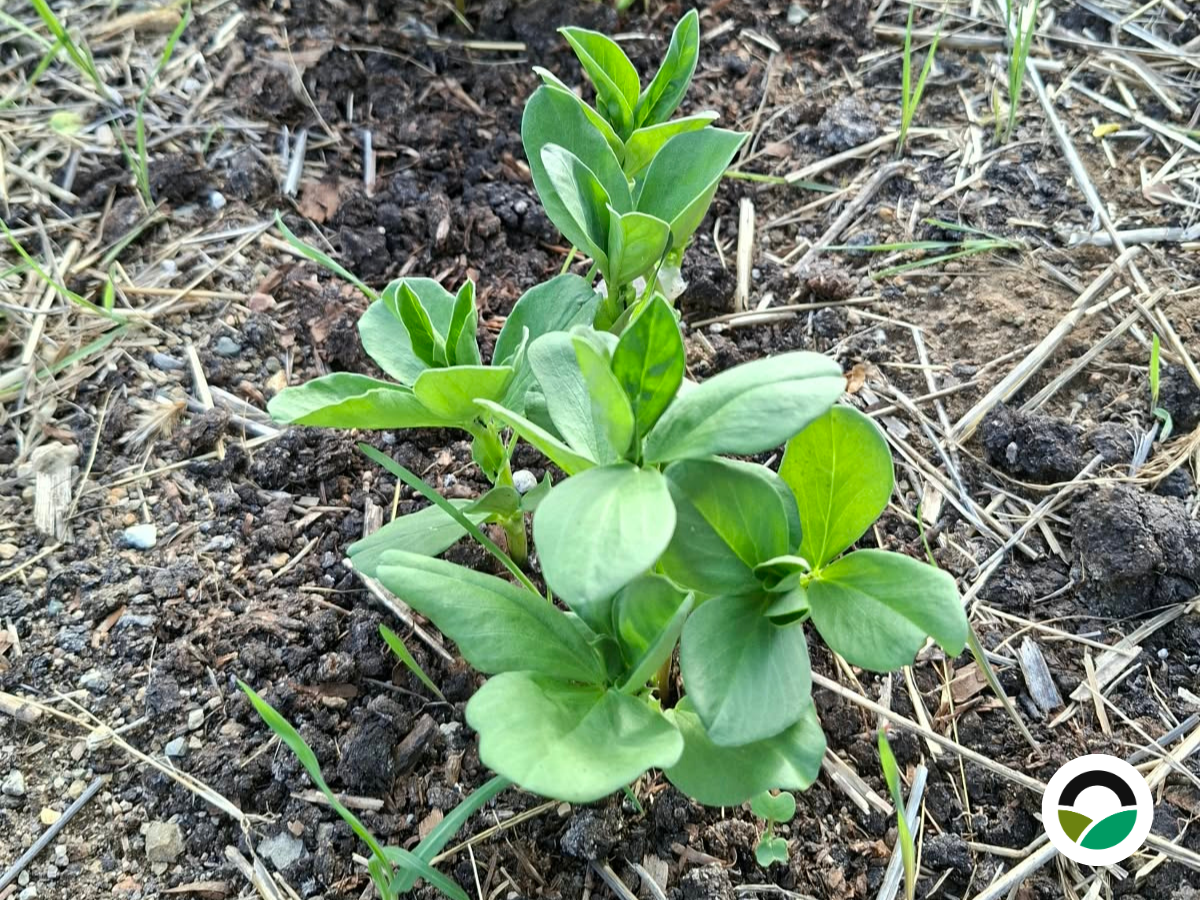
On 3 October, we planted broad bean seeds saved from our own harvest at Mavronero. Starting with seeds from a previous crop continues the growing cycle and connects one season’s harvest with the next.
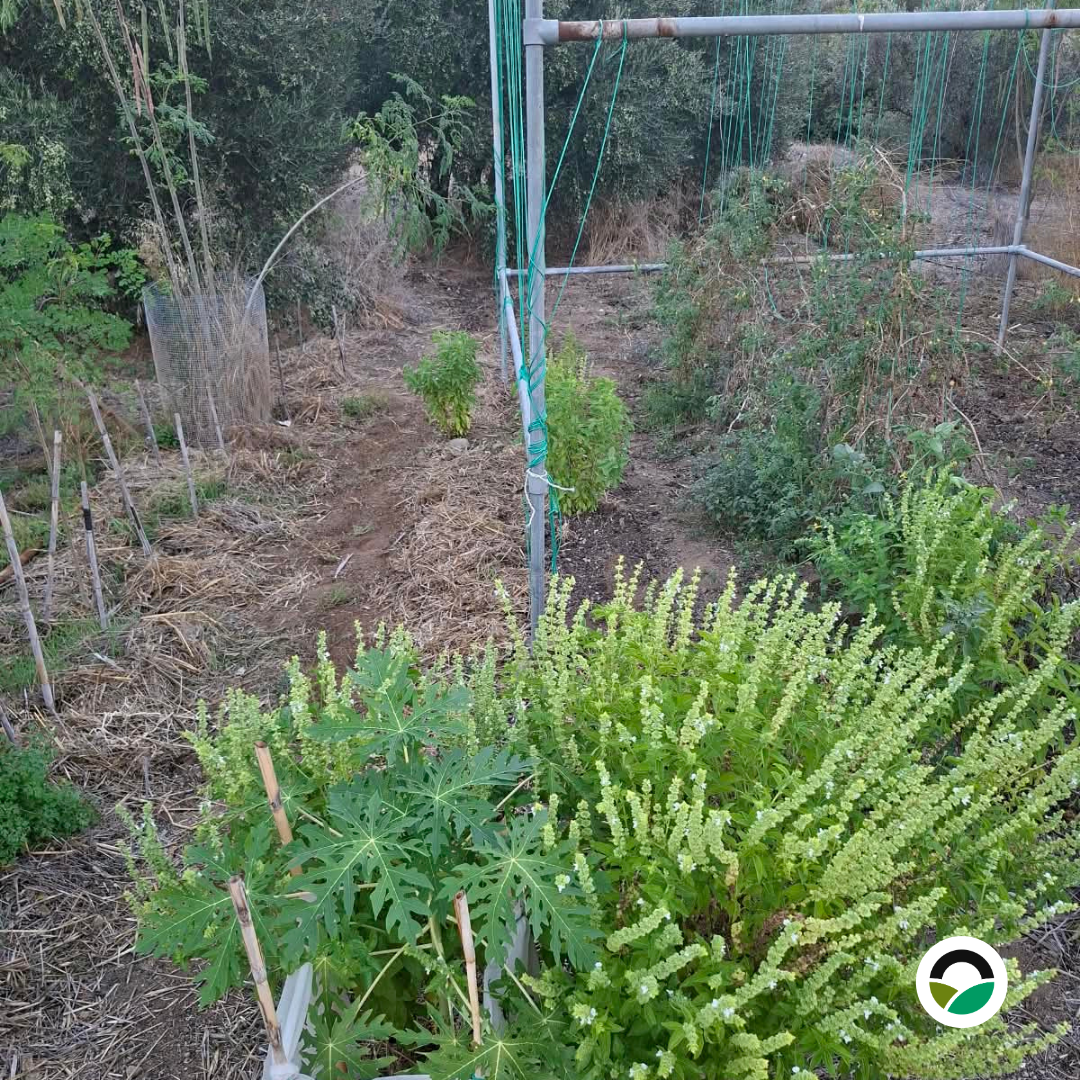
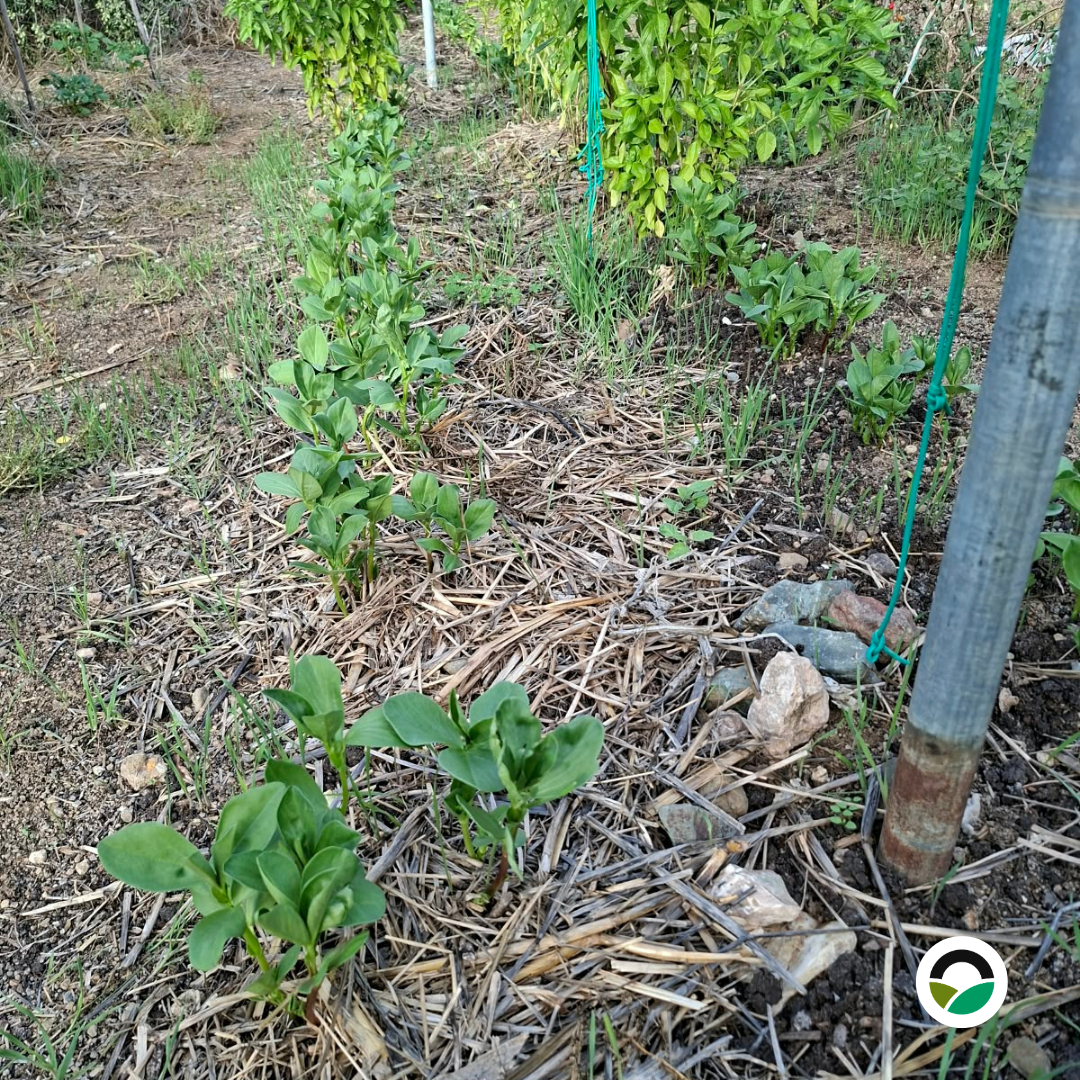
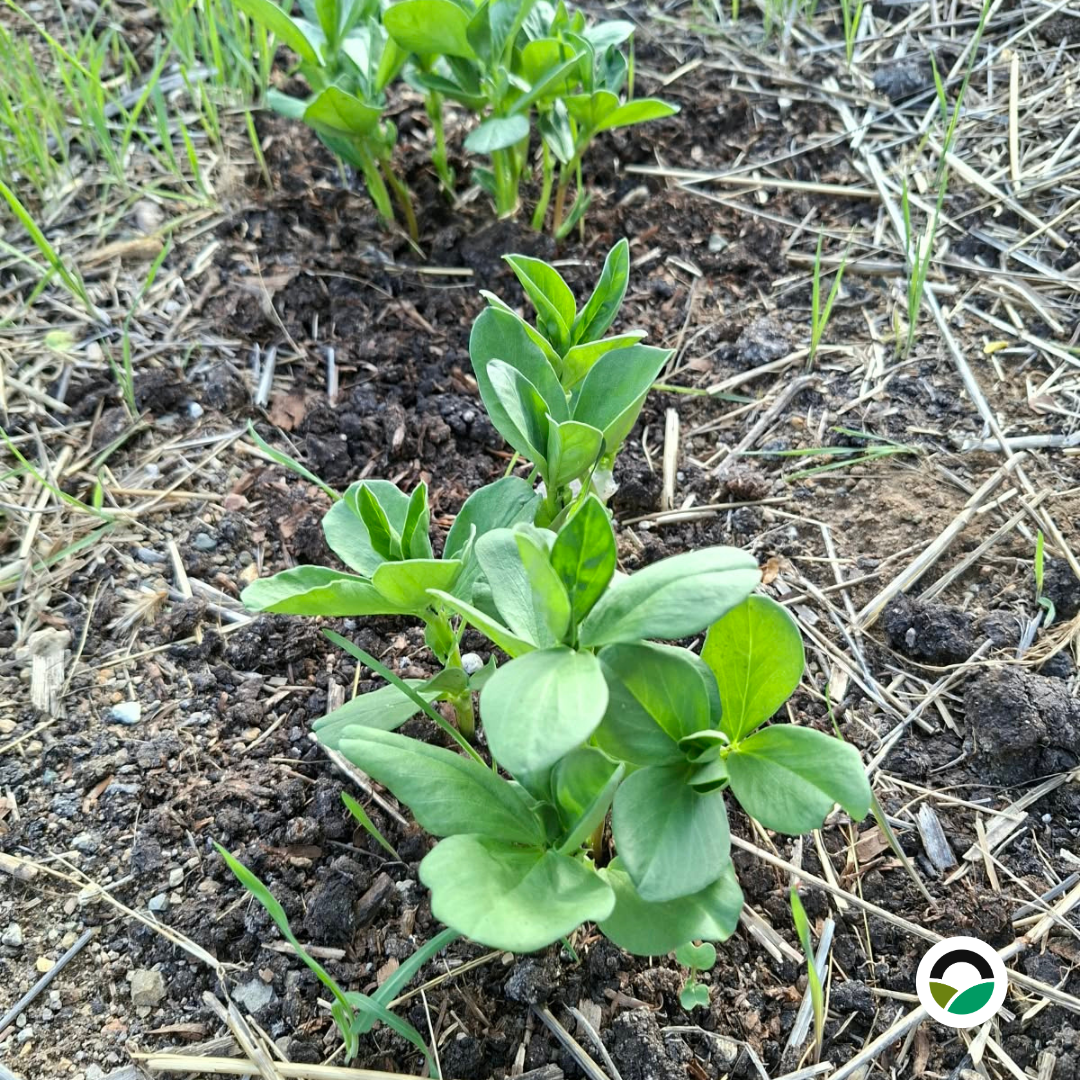
Just 15 days after sowing, the young plants were already showing rapid germination and vigorous early growth. The photographs capture this first stage of establishment, as the new crop begins to develop in the field.
This planting continues the story of broad beans at Mavronero, first documented in our article Broad beans (Vicia faba), which explores their cultivation, their place in Mediterranean food traditions and their relationship with the surrounding ecosystem.
Preparing the soil with mushroom compost and straw mulch
For this sowing, we used mushroom compost, following our usual practice, and covered the planted rows with straw mulch.
Compost contributes organic matter to the soil, while straw provides a protective covering over its surface. Soil cover can help reduce direct exposure to sun and wind, although its effects depend on local conditions and how the material is managed.
These simple steps formed part of the preparation for our new broad bean crop. The rapid emergence of the seedlings after planting offers an encouraging first observation as the plants become established.
Broad beans and nitrogen fixation
Broad beans (Vicia faba) are legumes and have an important relationship with the nitrogen cycle.
Their roots can form nodules containing compatible bacteria that convert atmospheric nitrogen into forms the plant can use. This process, known as biological nitrogen fixation, helps supply nitrogen to the growing plant and can contribute to nutrient cycling within the wider growing system.
The amount of nitrogen fixed depends on several factors, including soil conditions, the presence of compatible bacteria and plant development. How much of that nitrogen becomes available to other plants also depends on what happens to the crop and its residues.
For this reason, broad beans are valued not only as a food crop but also for their role in agricultural systems that pay attention to soil fertility.
From early growth to the wider ecosystem
In our earlier article, Broad beans (Vicia faba), we also explored how the crop can support life around it. Once flowering begins, broad bean plants can attract pollinators, while beneficial insects such as ladybirds and parasitoid wasps can contribute to natural pest regulation.
These interactions develop as the crop progresses through its growing cycle. At this early stage, our focus is on the successful germination and establishment of the new plants.
Following the crop over time allows us to document these changes, from the first shoots to flowering, pod development and eventually harvest.
Following the broad bean growing cycle at Mavronero
Broad beans are a traditional cool-season crop in Mediterranean agriculture. Autumn sowing allows plants to establish before the main spring harvest period, although the timing of development varies with local weather and growing conditions.
Our previous harvest update, Broad beans harvest begins at Mavronero, documented the later stage of this cycle: green pods ready to be collected after growth through the winter months. It describes how pods mature progressively, allowing harvesting to take place over several weeks.
This new sowing provides another opportunity to observe the crop from its earliest stage and document its development as the season progresses.
Conclusions
Fifteen days after planting our own broad bean seeds, the new crop at Mavronero was already showing rapid germination and vigorous early growth.
With mushroom compost incorporated into the soil and straw mulch covering the planted rows, this sowing marks the beginning of another growing cycle. Broad beans also offer a valuable opportunity to observe biological nitrogen fixation and the connections between crop production and soil processes.
From saved seeds to young plants and, eventually, harvest, each stage adds another part to the ongoing story of broad beans at Mavronero.
Related articles
- Broad beans (Vicia faba) — Discover the crop’s cultivation, nutritional value and role in the Mediterranean ecosystem.
- Broad beans harvest begins at Mavronero — Follow the crop through winter growth to the first spring harvest.
Sources
- Food and Agriculture Organization of the United Nations (FAO) — Background information on legumes and sustainable soil management.
- Royal Botanic Gardens, Kew — Botanical information on Vicia faba.
