
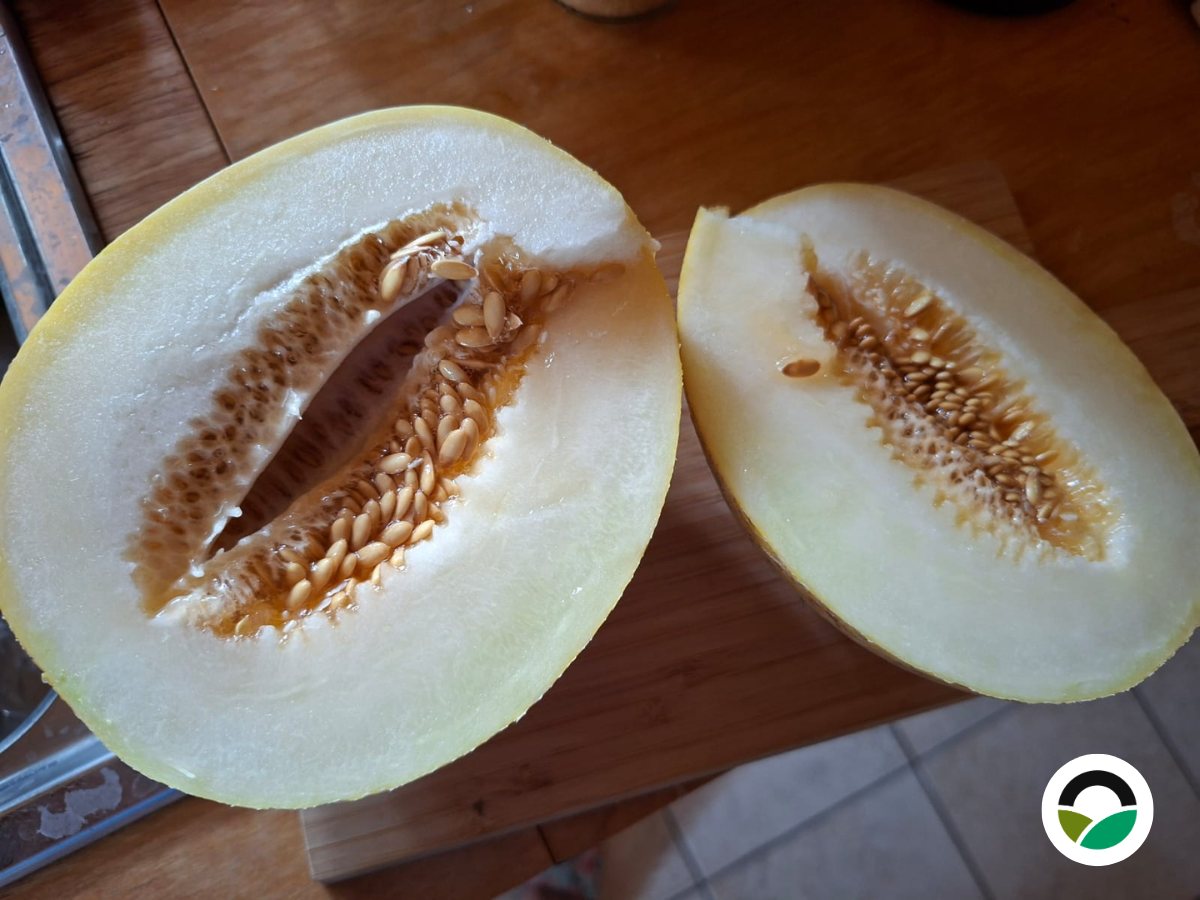
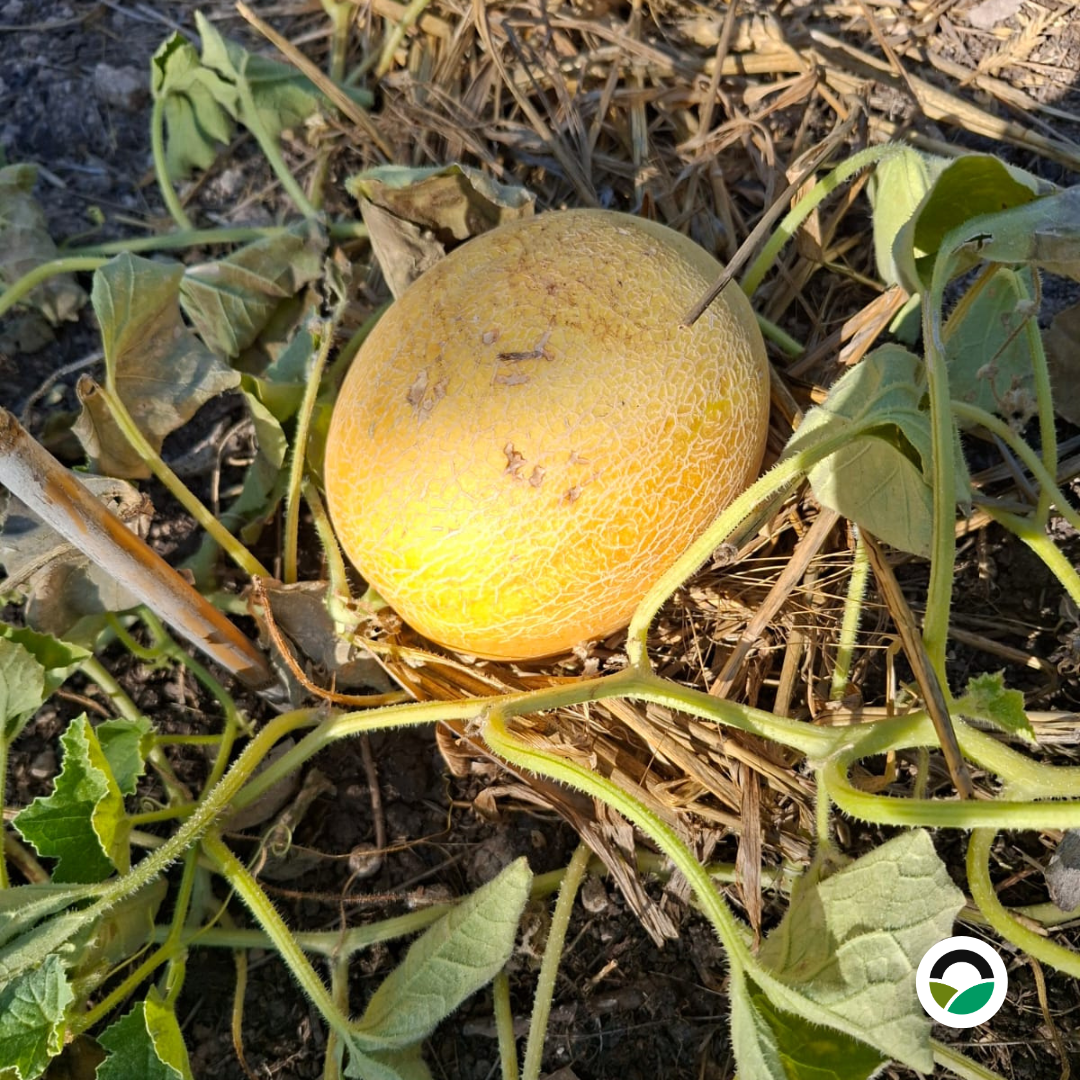
The arrival of the first ripe melons is one of the highlights of summer at Mavronero Farm. After months of growth under the Mediterranean sun, our first sweet melons (Cucumis melo) were finally ready to harvest.
Growing melons requires patience, healthy soil and careful observation throughout the season. Harvesting at the right moment allows the fruit to develop its full flavour, aroma and natural sweetness while maintaining a firm, juicy texture.
A crop adapted to Mediterranean summers
Sweet melon (Cucumis melo) is a warm-season crop that thrives in the long, sunny summers typical of the Mediterranean region. High temperatures encourage vigorous growth, while well-drained soils help maintain healthy root systems.
Although melons require regular watering during their early development, reducing irrigation as the fruit matures helps concentrate natural sugars and improve flavour.
At Mavronero Farm, regenerative farming practices help create healthy soils that retain moisture, improve soil structure and support the microorganisms that contribute to strong, productive plants.
Recognising when melons are ready to harvest
Harvest timing is one of the most important factors influencing fruit quality.
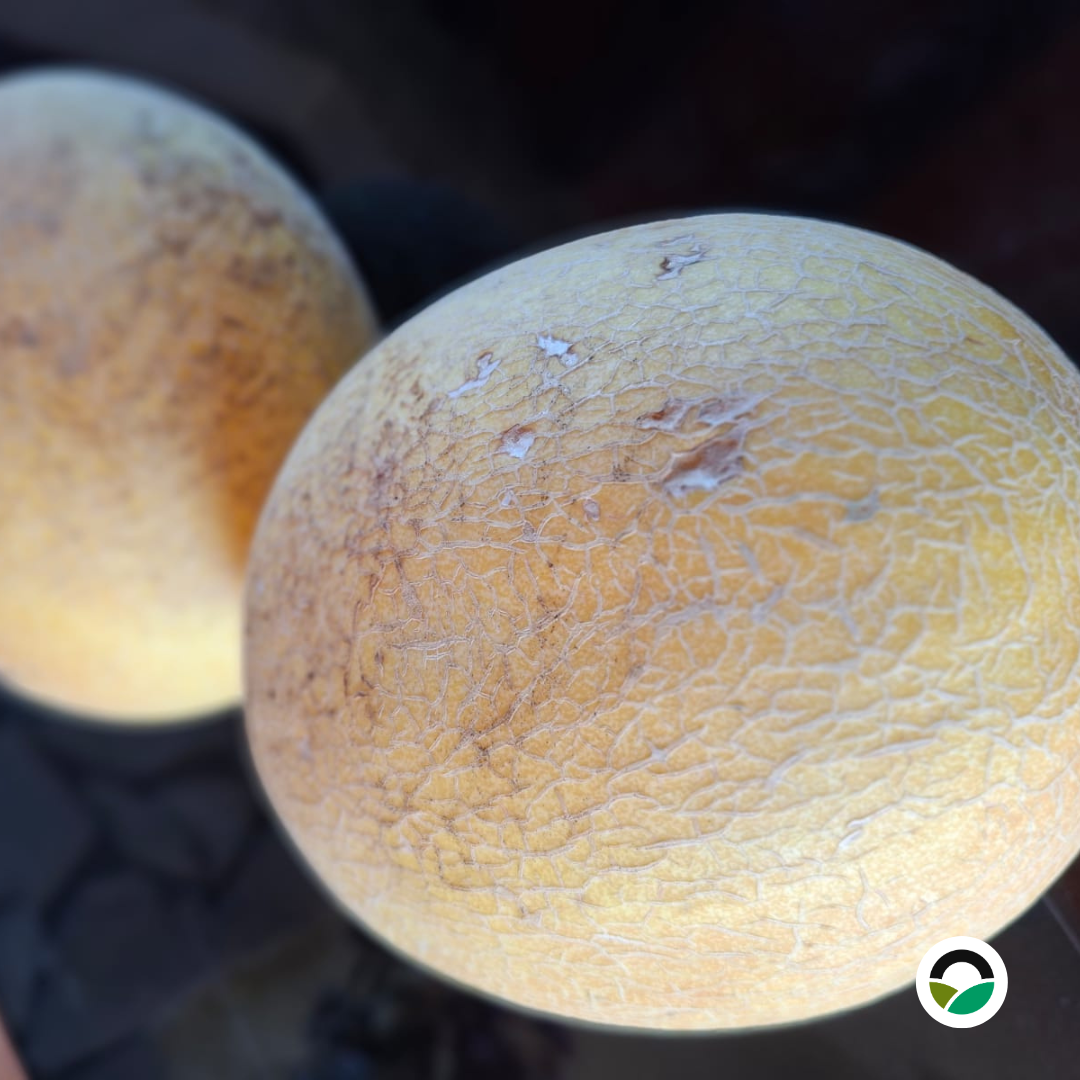
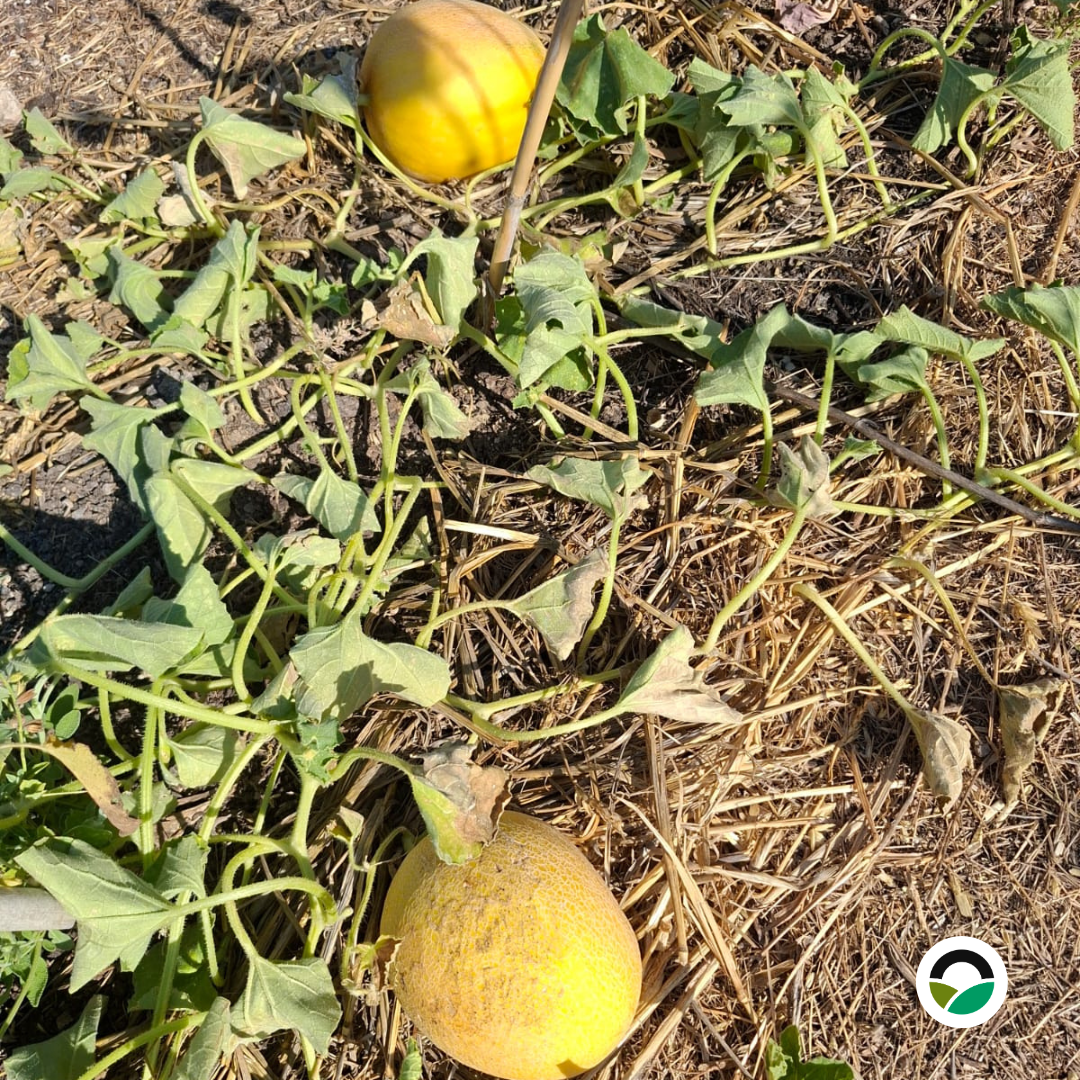
As melons mature, their skin changes from green to a warm golden colour, the characteristic netted pattern becomes more pronounced and the fruit develops a rich, sweet aroma. The stem also begins to separate naturally from the vine, indicating that the fruit has reached maturity.
Harvesting at this stage ensures the best balance between sweetness, texture and nutritional quality.
Healthy soil produces healthy fruit
Regenerative agriculture focuses on building living soils rather than simply feeding crops.
Organic matter, natural mulches and minimal soil disturbance improve water retention and encourage diverse soil biology. These conditions help plants remain resilient during hot Mediterranean summers while producing high-quality fruit.
Healthy soils also reduce erosion, increase biodiversity and contribute to long-term farm sustainability.
Observations at Mavronero
This year’s first melon harvest reflects months of careful cultivation and seasonal observation.
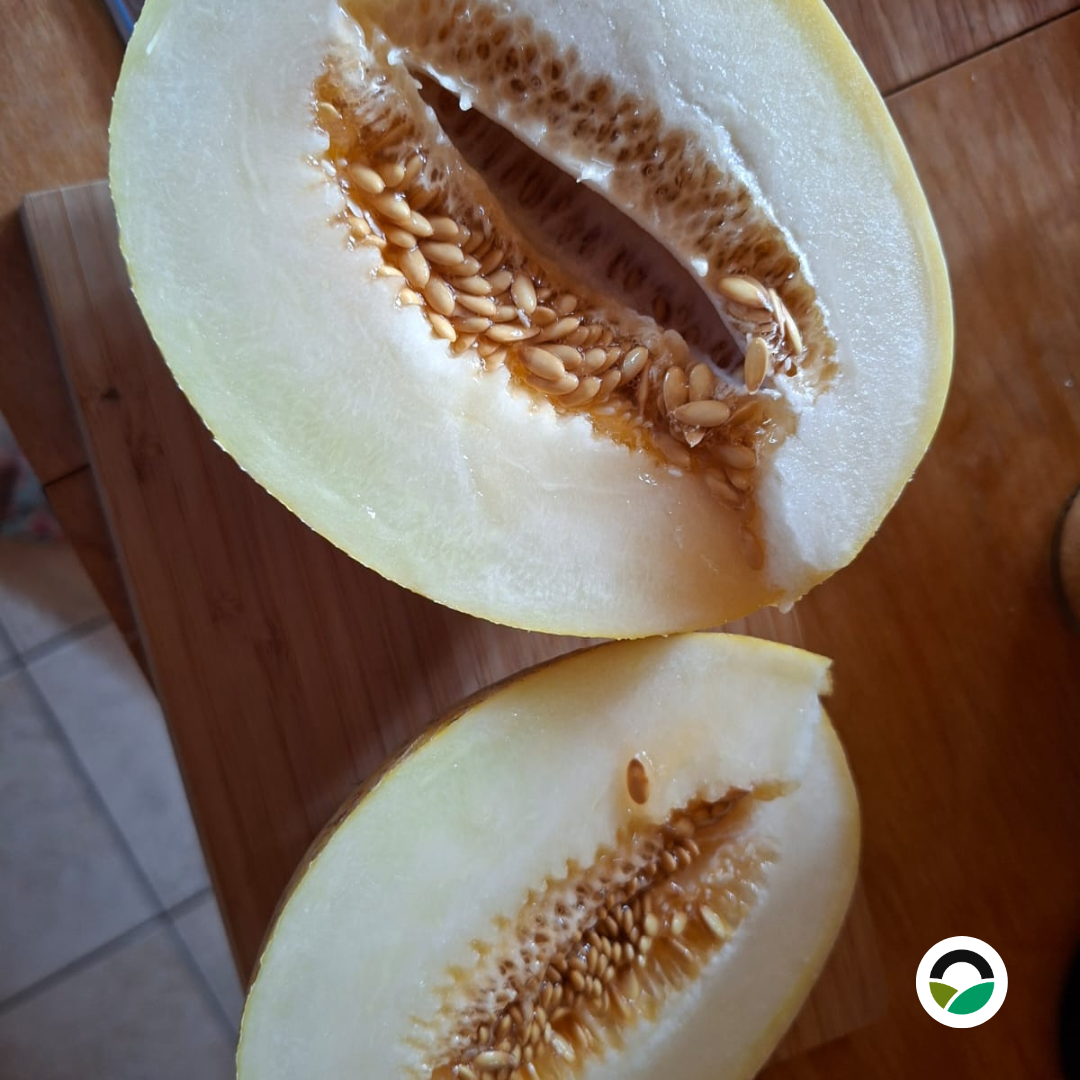
Despite the challenging summer temperatures, the plants successfully produced healthy fruits with firm white flesh and fully developed seeds, demonstrating the importance of maintaining soil health and adapting cultivation practices to local environmental conditions.
Each harvest provides valuable information about crop performance, seasonal weather patterns and soil fertility, helping us continuously improve our regenerative farming methods.
Why seasonal harvesting matters
Harvesting fruit at its natural peak allows plants to complete their growth cycle while providing the best possible flavour and nutritional value.
Seasonal harvesting also reduces waste, minimises unnecessary inputs and encourages farming practices that work in harmony with natural cycles rather than against them.
By respecting these seasonal rhythms, regenerative agriculture supports both productive harvests and healthier ecosystems.
Interesting facts
Sweet melon (Cucumis melo)
- Sweet melon belongs to the cucumber family (Cucurbitaceae).
- It has been cultivated in the Mediterranean region for thousands of years.
- The fruit contains over 85% water, making it especially refreshing during hot summer months.
- Fully ripe melons develop their characteristic aroma shortly before harvest.
- Each fruit contains hundreds of seeds that can be collected for future cultivation.
Conclusion
Harvesting the first sweet melons of the season is an important milestone in the summer growing calendar at Mavronero Farm.
Beyond producing delicious fruit, each harvest reflects the benefits of healthy soils, careful observation and regenerative farming practices. By working with natural seasonal cycles, we can grow nutritious food while supporting biodiversity and maintaining resilient Mediterranean landscapes.
Sources
- Royal Botanic Gardens, Kew – Plants of the World Online (Cucumis melo)
- FAO – Ecological approaches to sustainable crop production
- University of California Agriculture and Natural Resources – Melon Production Guidelines
- Royal Horticultural Society – Growing Melons
- CABI Digital Library – Cucumis melo Crop Information
