
Species of the Month – March 2026
Acoustic monitoring at Mavronero provides continuous insight into local bird activity. Each month, we analyse detection data to better understand species presence, behavioural intensity and ecological patterns.
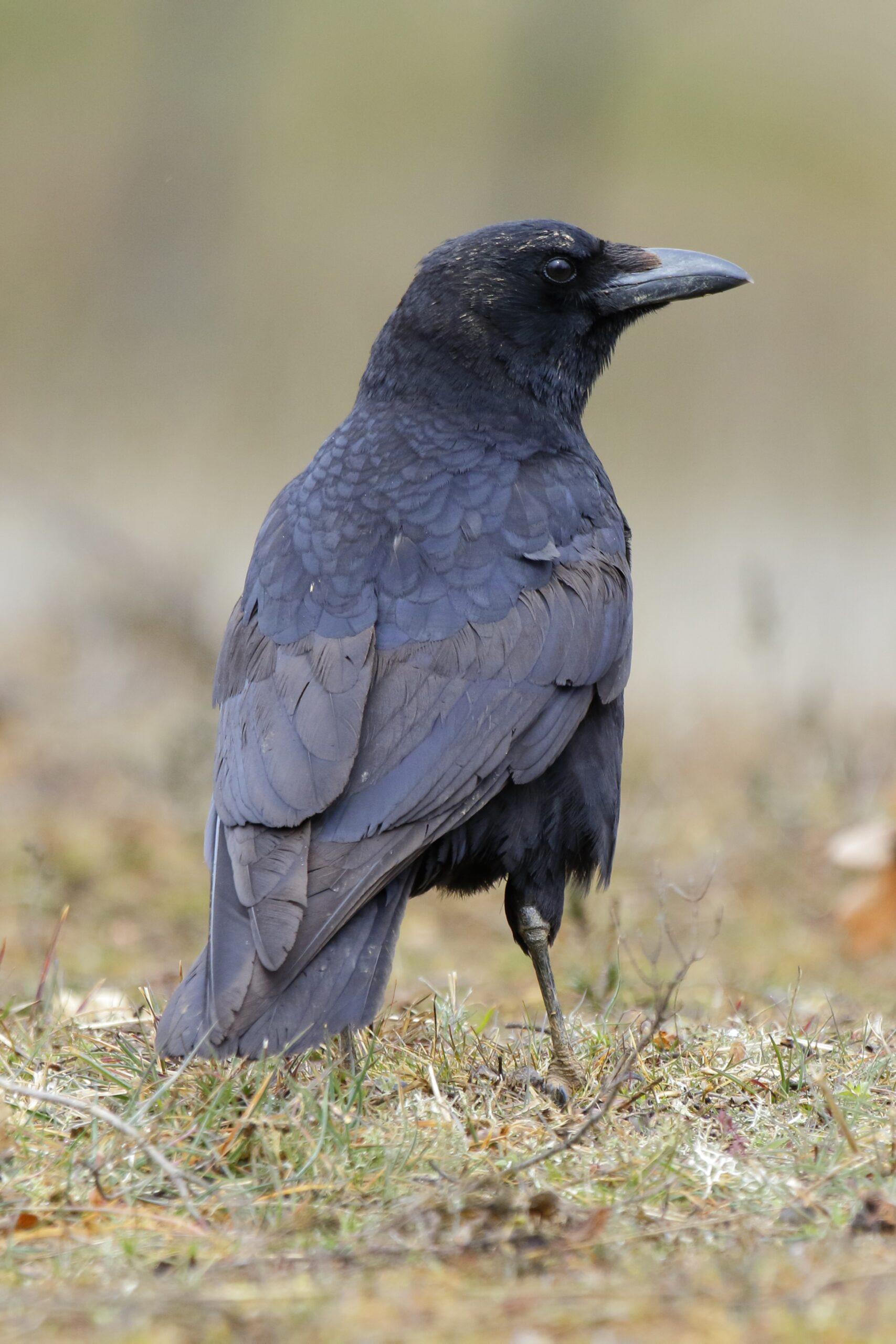
During the past seven days (as of 20/03/2026), the most actively detected species was: Hooded Crow (Corvus cornix)
1,274 detections recorded within 7 days
About the species
The Hooded Crow is a widespread corvid species found across Europe, the Middle East and parts of Central Asia. It occupies a wide range of habitats, from open countryside and coastal areas to agricultural landscapes and urban environments.
Ecologically, the species plays an important role as both a scavenger and a predator. By feeding on carrion, invertebrates and small vertebrates, it contributes to nutrient cycling and helps maintain ecological balance within its environment.
Behaviourally, the Hooded Crow is known for its high intelligence and adaptability. It displays complex problem-solving abilities, strong territorial behaviour and flexible social dynamics. Its vocalisations are varied and often used for communication within groups and territorial signalling.
The species is currently classified as Least Concern (IUCN), with stable populations across most of its range.
Key ecological characteristics:
- Habitat preference: Open landscapes, agricultural land, coastal areas and urban environments
- Feeding behaviour: Omnivorous (invertebrates, small animals, carrion, seeds and human-related food sources)
- Social structure: Flexible, ranging from solitary individuals to small groups
- Vocal characteristics: Harsh, varied calls used for communication and territorial defence
Detection data at Mavronero
The species was identified through the permanent acoustic monitoring system installed at Mavronero.
(For detailed methodology, see our article on bird detection and acoustic monitoring.)
During the analysed period:
- 1,274 detections
- Consistent daily detection patterns
- Increased activity during early morning hours
Compared to previous periods, detection frequency remains stable, indicating a sustained presence within the monitored acoustic radius.
This dataset allows analysis of:
- Activity intensity
- Temporal distribution
- Persistence across consecutive days
Interpreting the data
What does 1,274 detections in 7 days indicate?
- Stable local abundance
- Regular vocal activity
- Continuous habitat occupation
The Hooded Crow’s detection pattern suggests consistent presence rather than sporadic activity. Peaks in vocalisation are typically associated with territorial behaviour and daily movement patterns.
Short-term variation may be influenced by:
- Seasonal behaviour
- Availability of food resources
- Weather conditions affecting vocal activity
Why this species matters
Even common species provide important ecological signals.
Changes in detection frequency may indicate:
- Habitat modification
- Resource availability shifts
- Seasonal transitions
- Environmental disturbance
As a highly adaptable species, the Hooded Crow can serve as an indicator of environmental change, particularly in landscapes influenced by human activity.
Long-term monitoring transforms daily bird activity into measurable ecological insight.


Conclusion
At Mavronero, consistent acoustic monitoring strengthens science-based environmental management.
The Hooded Crow demonstrates how continuous presence and stable activity patterns contribute to understanding ecosystem dynamics.
Listening systematically allows patterns to emerge — and patterns are the foundation of ecological understanding.
