
After harvesting the first sweet melons (Cucumis melo) of the season, the story does not end in the kitchen. As we explained in our previous article about harvesting the first sweet melons, harvesting is only one stage in the natural cycle of regenerative farming.
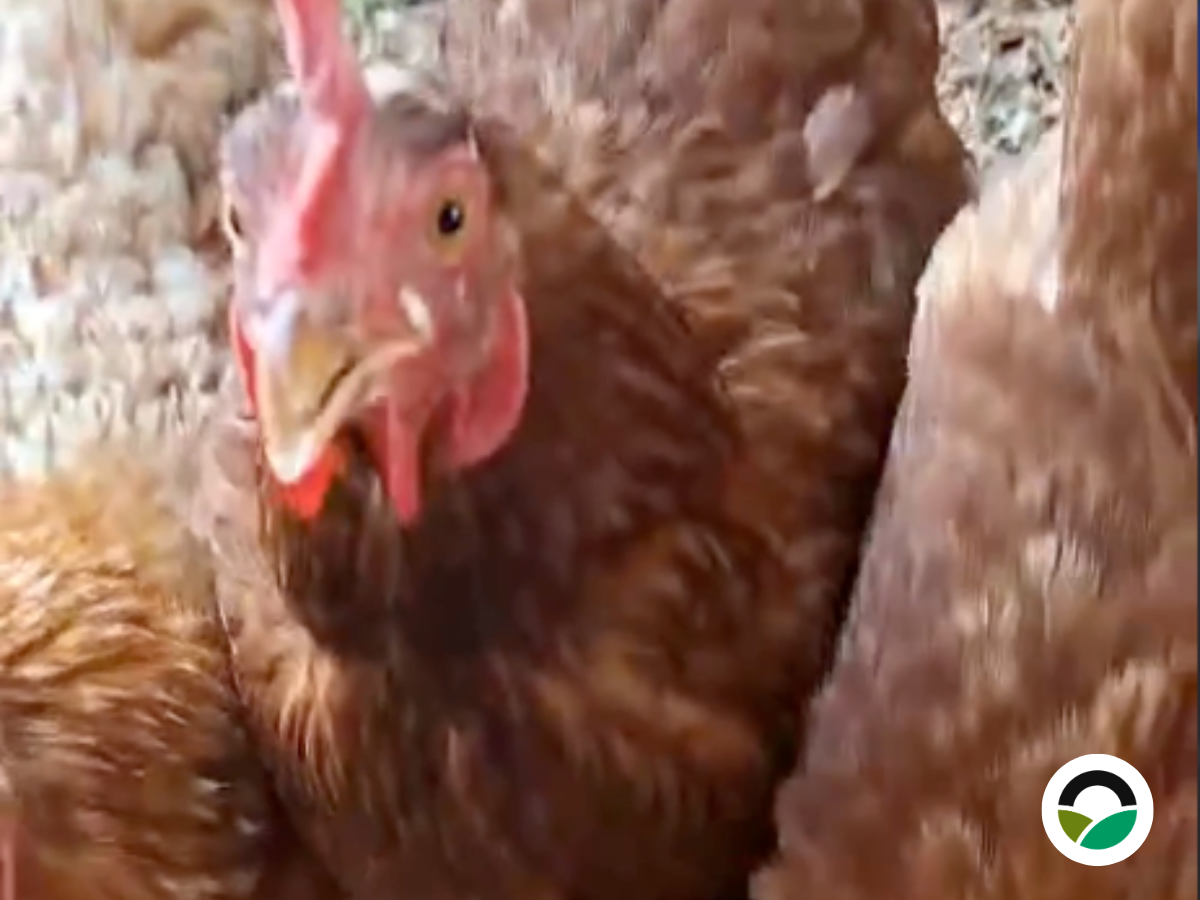
At Mavronero Farm, part of the harvest is also shared with our free-range hens, transforming surplus fruit into a nutritious seasonal treat while keeping valuable resources within the farm ecosystem. By making full use of seasonal produce, we reduce food waste while supporting the health of both our animals and our farm.
A second life for seasonal harvests
Regenerative farming is built on the principle that natural resources should be used wisely. Fruits that are slightly damaged, overripe or simply exceed immediate consumption do not need to become waste.
Instead, they can provide fresh, water-rich nutrition for farm animals while contributing to a more circular and sustainable farming system.
Why chickens enjoy melons
Sweet melons are made up of more than 85% water, making them especially refreshing during Cyprus’ hot Mediterranean summers.
The juicy flesh provides natural sugars and moisture, while the seeds and remaining fruit encourage natural pecking and foraging behaviours that keep chickens active and stimulated.
As with any treat, melons are offered in moderation as part of a varied diet that continues to be based on balanced poultry feed and natural foraging.
Supporting natural farm cycles
Sharing seasonal produce with the hens is one example of how regenerative farms minimise unnecessary waste.
Organic materials remain part of the farm’s natural nutrient cycle instead of being discarded. In return, the hens contribute manure that enriches the soil, helping future crops grow in healthy, living soils.
These simple interactions strengthen the connection between plants, animals and soil.
Observations at Mavronero
After harvesting this season’s first melons, we offered freshly cut fruit to our hens.
The birds immediately gathered around the melon, pecking at the juicy flesh and seeds while enjoying a refreshing source of moisture during the warm summer weather.
Moments like these remind us that every harvest can benefit more than one part of the farm ecosystem.
Why reducing food waste matters
Food waste represents a loss of water, nutrients, energy and time invested throughout the growing season.
Whenever suitable surplus produce can be safely returned to animals or composted, farms move one step closer to a circular production system that values every harvest.
Small daily decisions help create healthier ecosystems while reducing unnecessary waste.
Interesting facts
Sweet melon (Cucumis melo)
- Sweet melon belongs to the cucumber family (Cucurbitaceae).
- The fruit contains more than 85% water, making it ideal during hot summer weather.
- Melon seeds are edible and rich in natural oils and nutrients.
- Chickens can safely eat melon flesh and seeds as an occasional treat.
- Using surplus produce as animal feed can help reduce food waste on farms.
Conclusion
Feeding our hens with sweet melons is a simple example of regenerative farming in practice.
By sharing seasonal harvests, reducing food waste and supporting natural nutrient cycles, we create stronger connections between crops, animals and healthy soils. At Mavronero Farm, every harvest becomes another opportunity to work with nature rather than against it.
