
Flora
Due to the ecological farming, there’s a rich biodiversity to find on Mavronero Farm. Here, we introduce you to the plants and their usage and specifications.
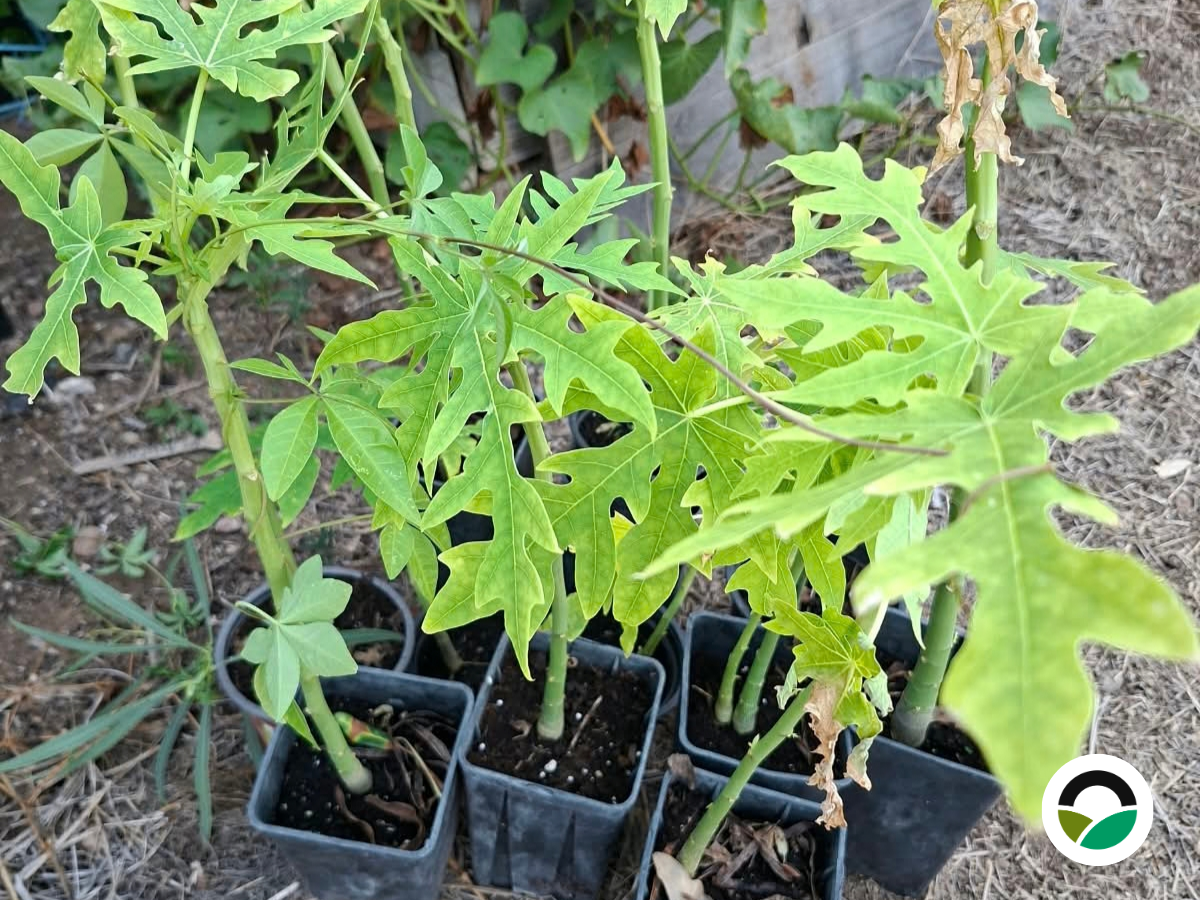
Giving young papaya trees the best possible start
Young trees require the right conditions to establish strong root systems and thrive in the years ahead. At Mavronero, every planting is an opportunity to improve biodiversity, experiment with new species and apply regenerative farming practices that support long-term resilience....
Read more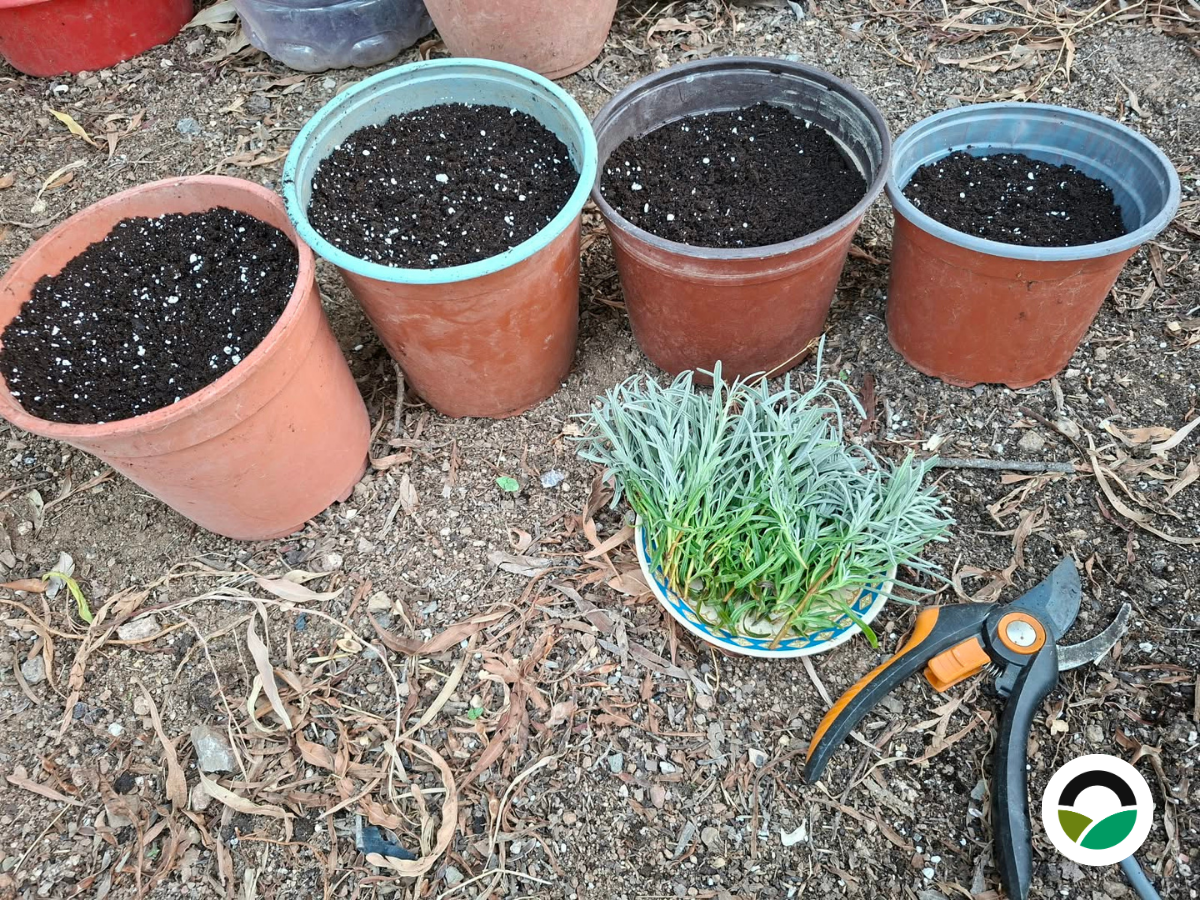
Growing lavender from cuttings in the Mavronero nursery
Growing new plants does not always begin with seeds. Many Mediterranean herbs can be propagated from cuttings, allowing a single healthy plant to become many. During the summer of 2026, several cuttings of true lavender (Lavandula angustifolia) were planted in...
Read more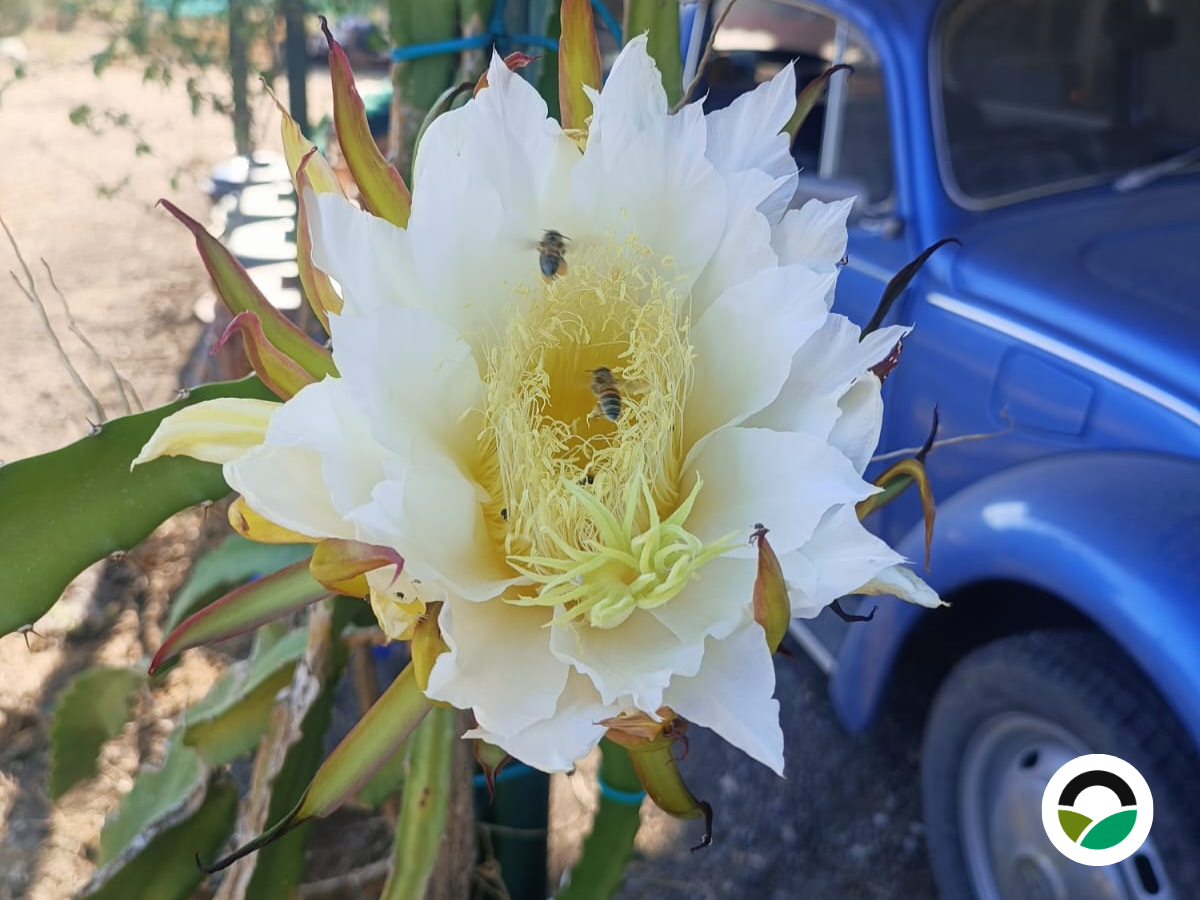
The spectacular night-blooming dragon fruit flower
Some of nature’s most remarkable flowers bloom for only a short time, making every observation a special event. During the summer of 2026, we documented the spectacular flower of the dragon fruit cactus (Selenicereus undatus) at Mavronero Farm. Its large...
Read more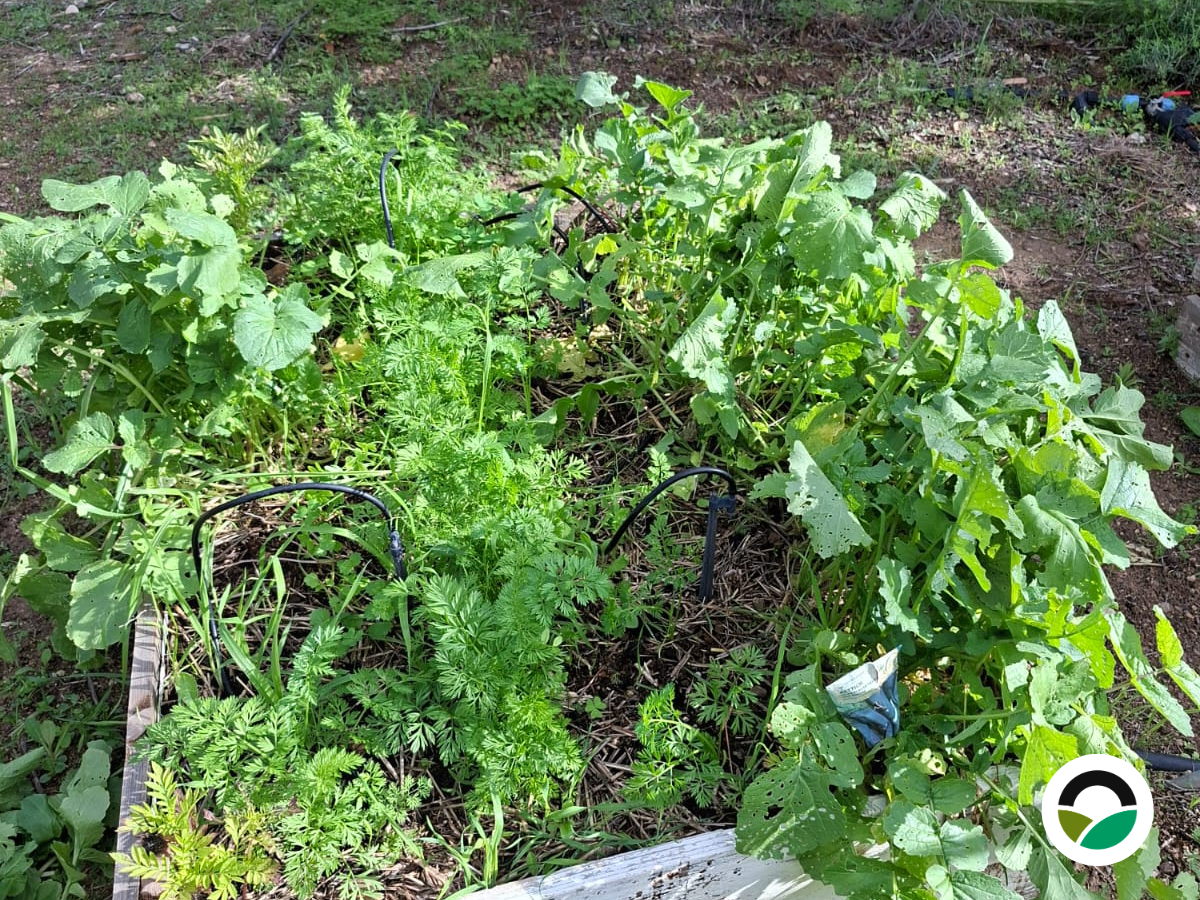
Growing carrots and root parsley in a raised bed
Growing healthy vegetables begins long before the first harvest. It starts with living soil, carefully selected seeds and the patience to let nature follow its own rhythm. During the autumn of 2025, we sowed carrots (Daucus carota subsp. sativus) and...
Read more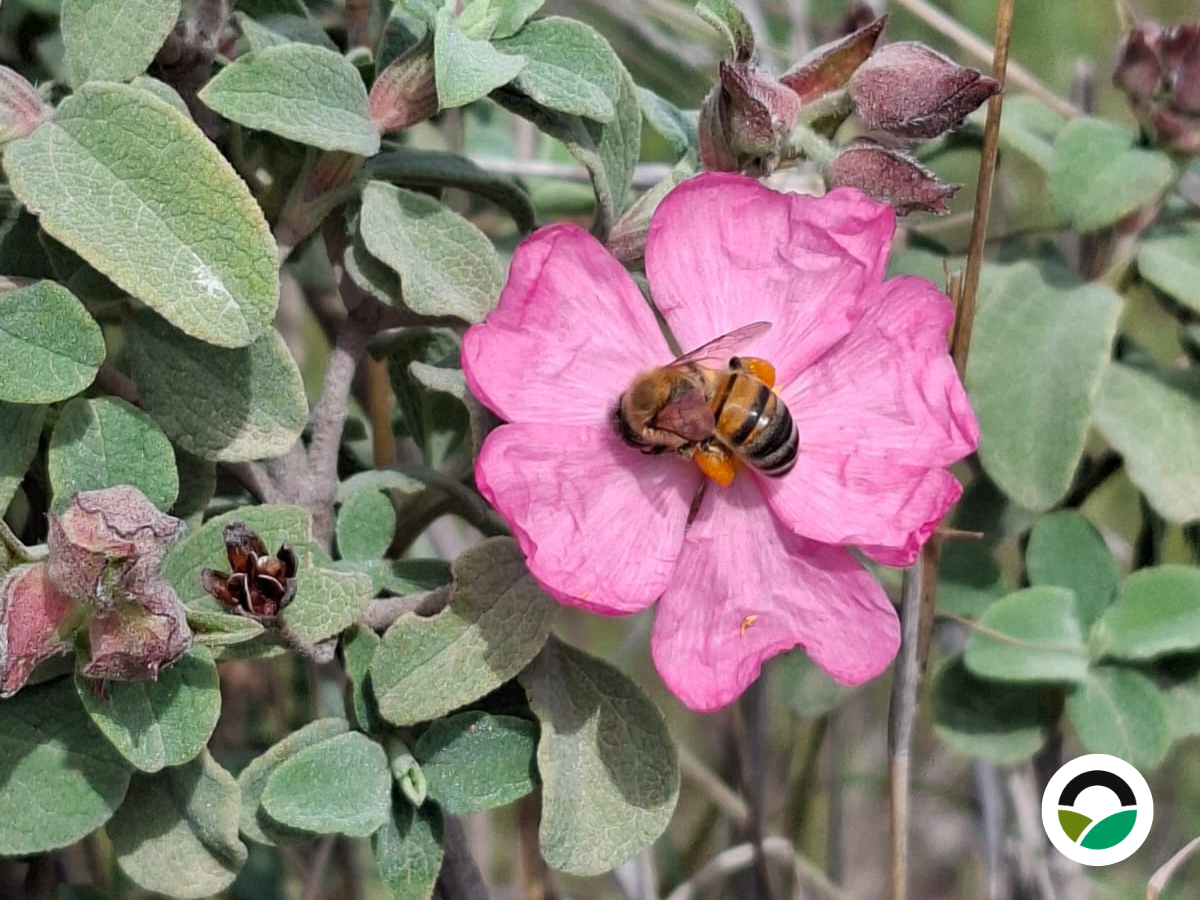
Pink rockrose: a resilient Mediterranean shrub
Few plants capture the colours of the Mediterranean spring as vividly as the pink rockrose (Cistus creticus). During the spring of 2026, we documented this native shrub flowering naturally throughout Mavronero Farm. Its bright pink blossoms attracted numerous bees and...
Read more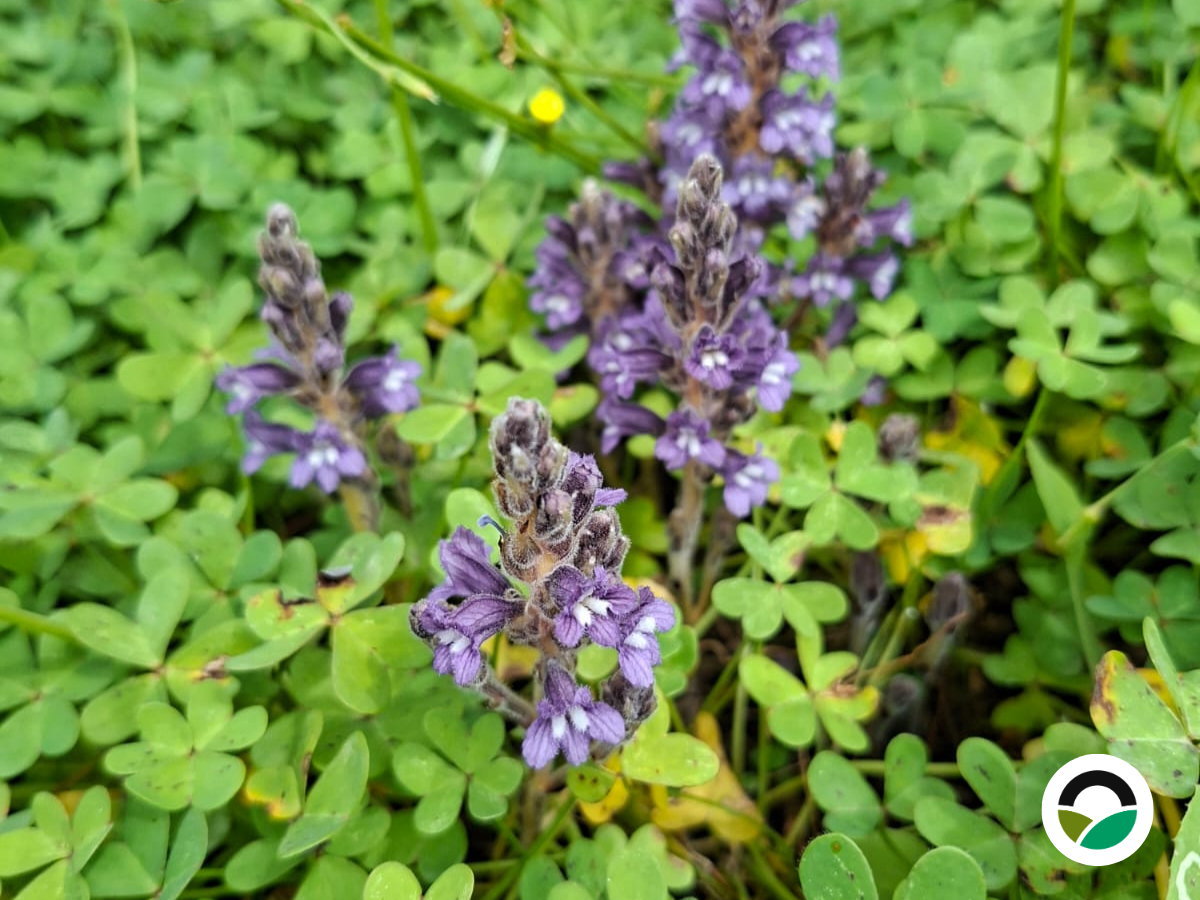
Broomrape: a remarkable parasitic plant of Mediterranean ecosystems
Most flowering plants produce their own energy through photosynthesis. Broomrape (Orobanche sp.) follows a completely different strategy. During the spring of 2026, we documented several broomrape plants flowering naturally at Mavronero Farm. Emerging among native vegetation with their distinctive purple...
Read more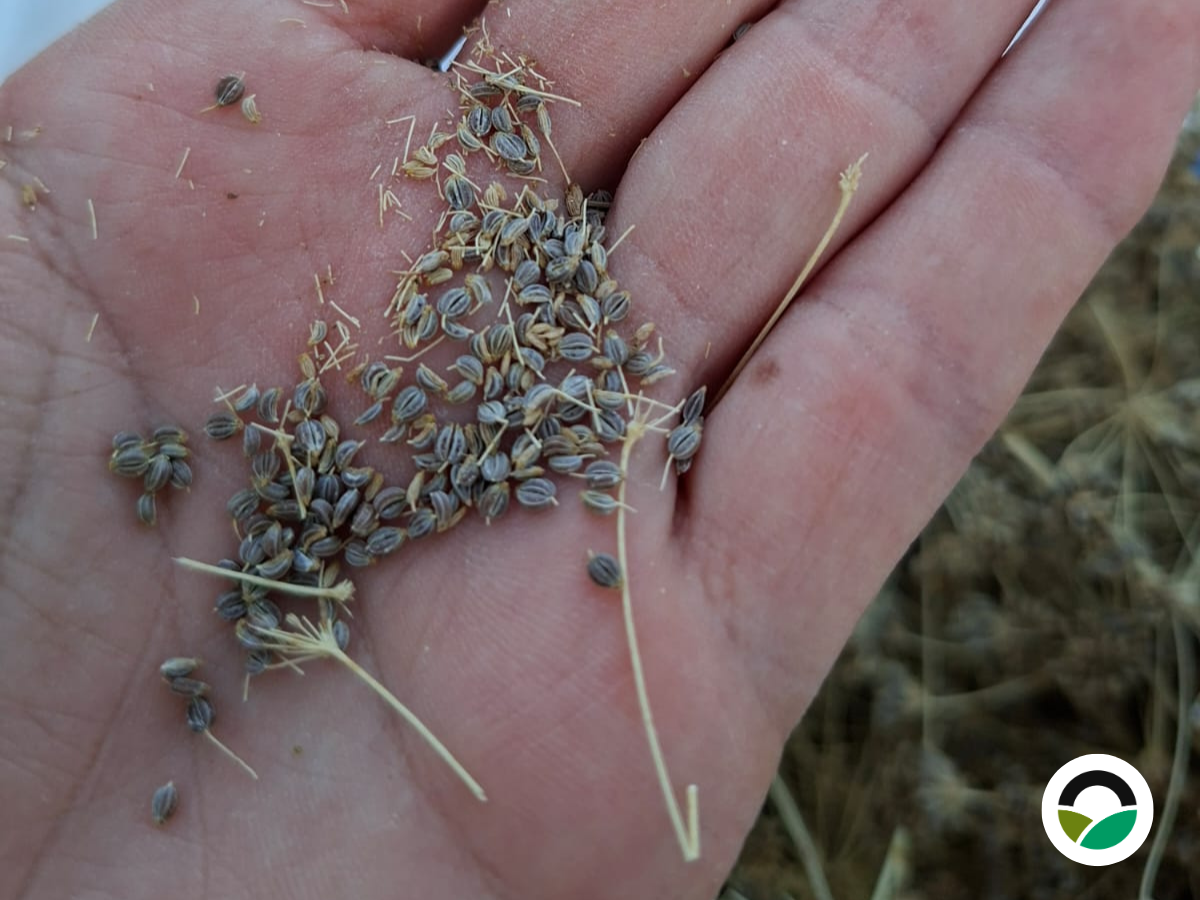
Parsley: harvesting seeds for future generations
Parsley is one of the world’s most familiar culinary herbs, yet its complete life cycle is rarely observed. During the summer of 2026, we documented the harvesting of mature parsley (Petroselinum crispum) seeds at Mavronero Farm. After flowering in spring,...
Read more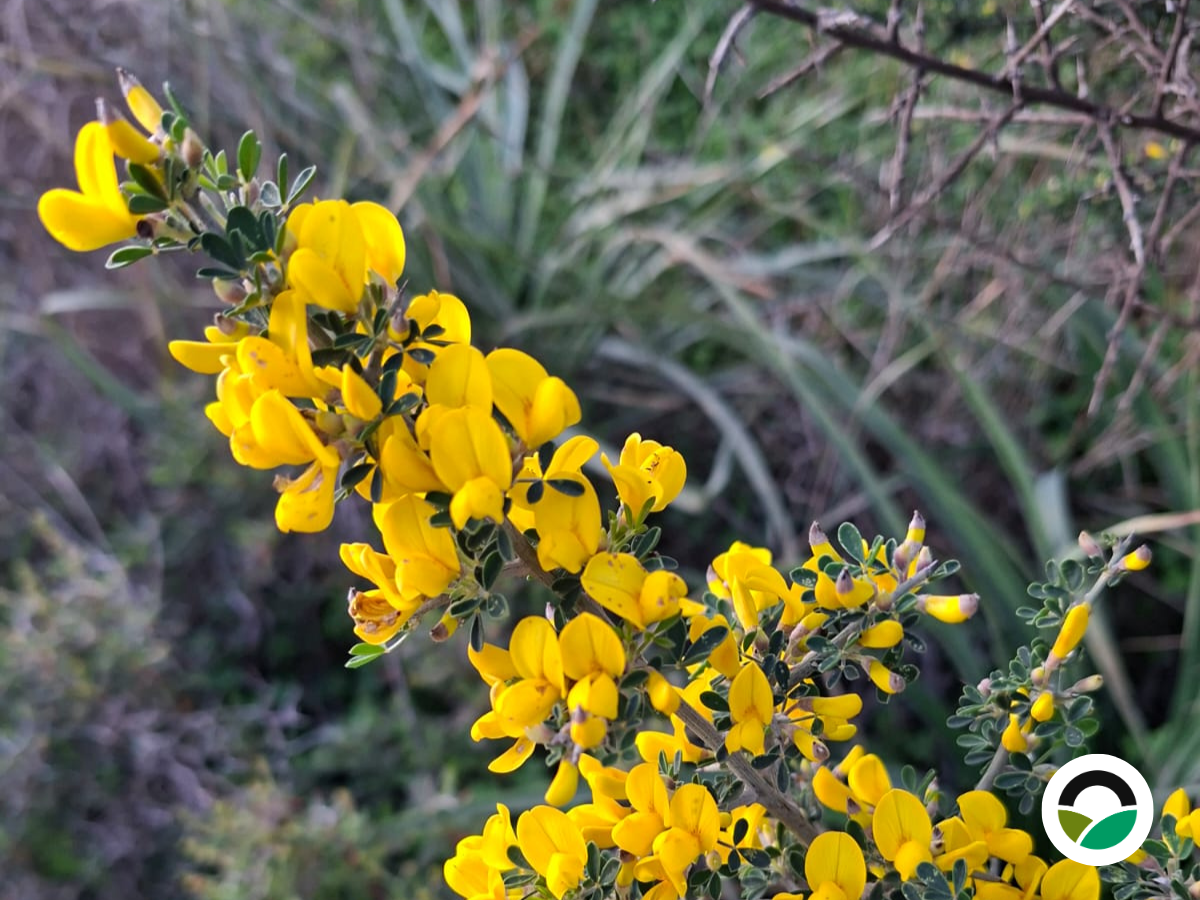
Prickly broom: a resilient shrub of Mediterranean ecosystems
One of the defining features of Mediterranean landscapes is the abundance of native shrubs that have evolved to thrive under long, dry summers and nutrient-poor soils. During the spring of 2026, we documented the flowering of prickly broom (Calicotome villosa)...
Read more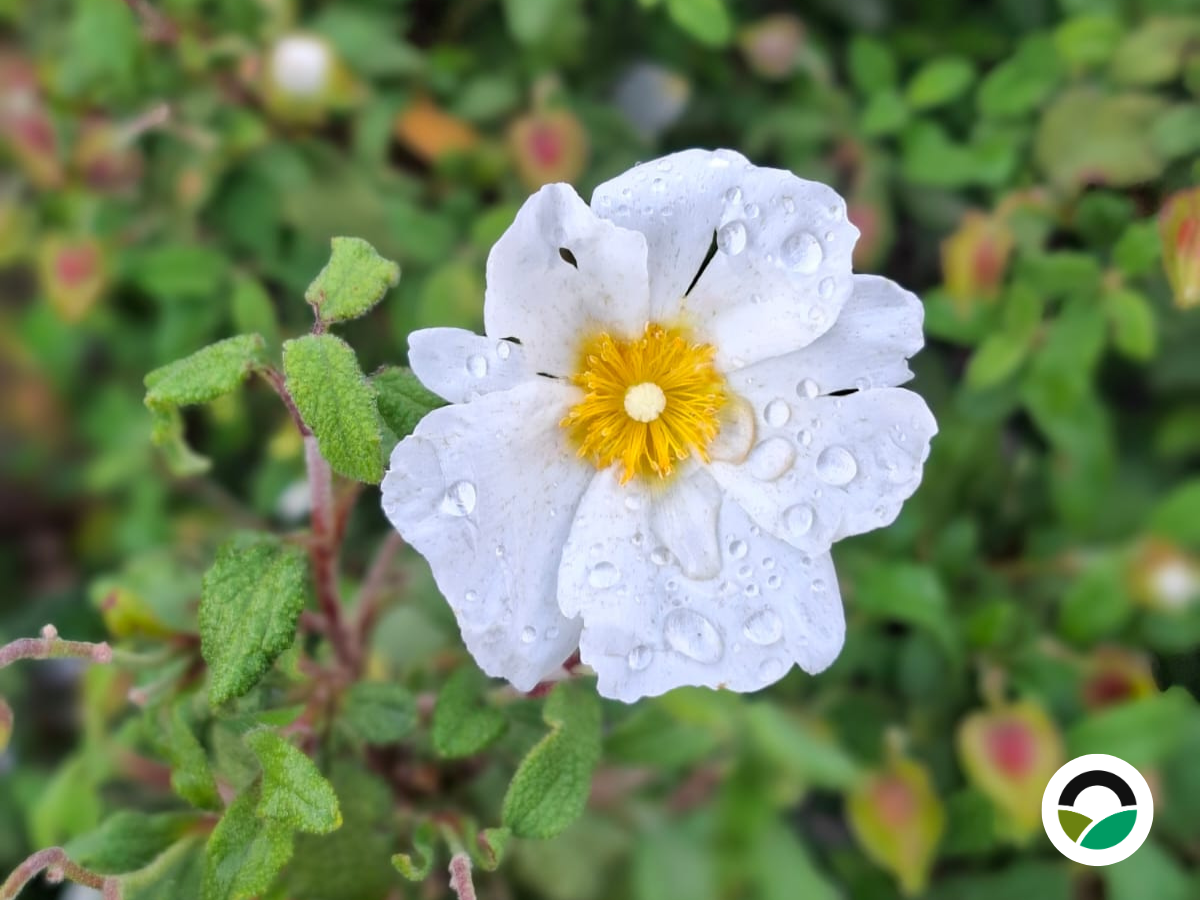
White rockrose: a resilient native shrub of the Mediterranean
Some of the most valuable plants in Mediterranean ecosystems are often those that receive the least attention. During the spring of 2026, we documented the flowering of white rockrose (Cistus salviifolius) at Mavronero Farm. These native shrubs covered parts of...
Read more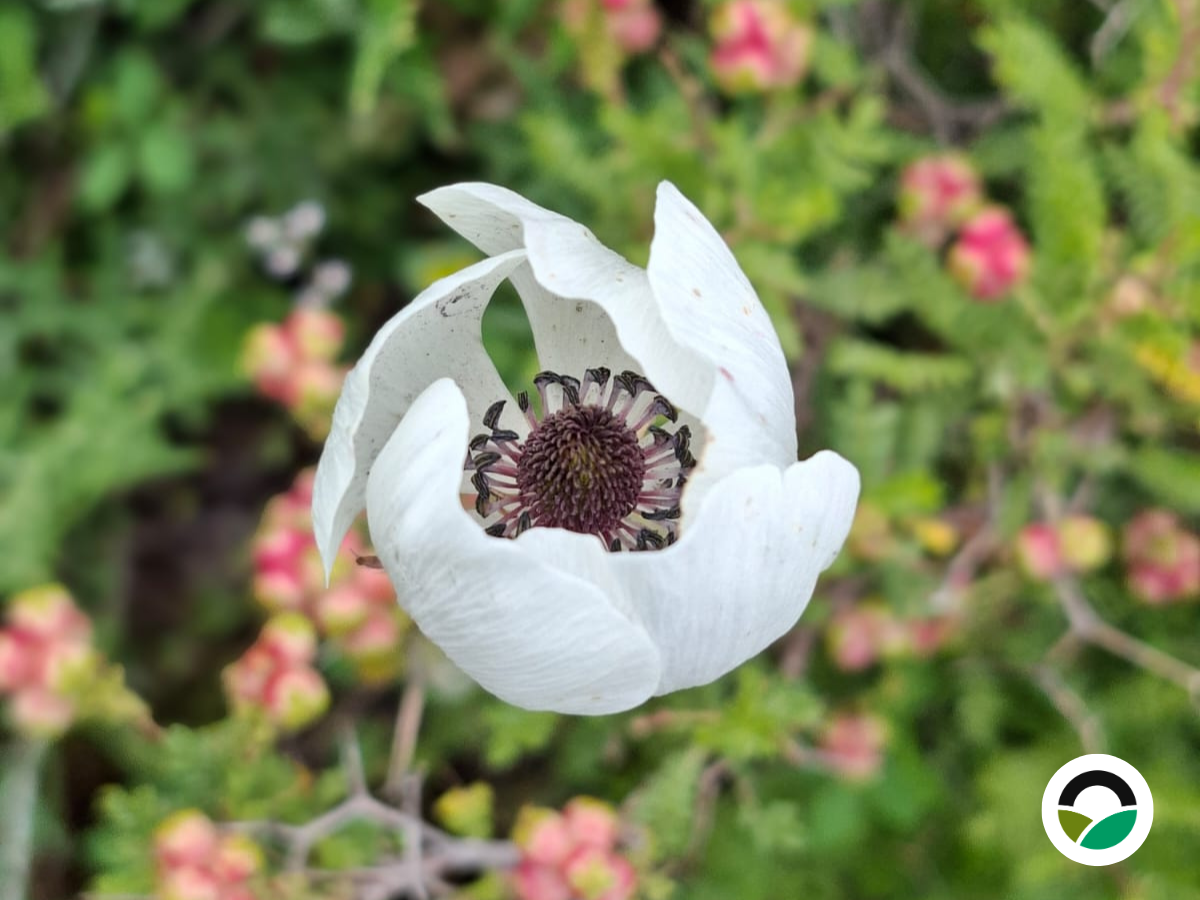
White anemones: supporting Mediterranean biodiversity
Some of the most beautiful signs of a healthy ecosystem appear for only a short time. During spring 2026, we observed several white anemones (Anemone coronaria) flowering naturally around Mavronero Farm. Their elegant white petals and dark centres stood out...
Read more