
Fauna
Dive into Cyprus’s rich biodiversity as we explore the fascinating fauna surrounding our olive farm, where nature’s harmony unfolds in every leaf and fluttering wing.
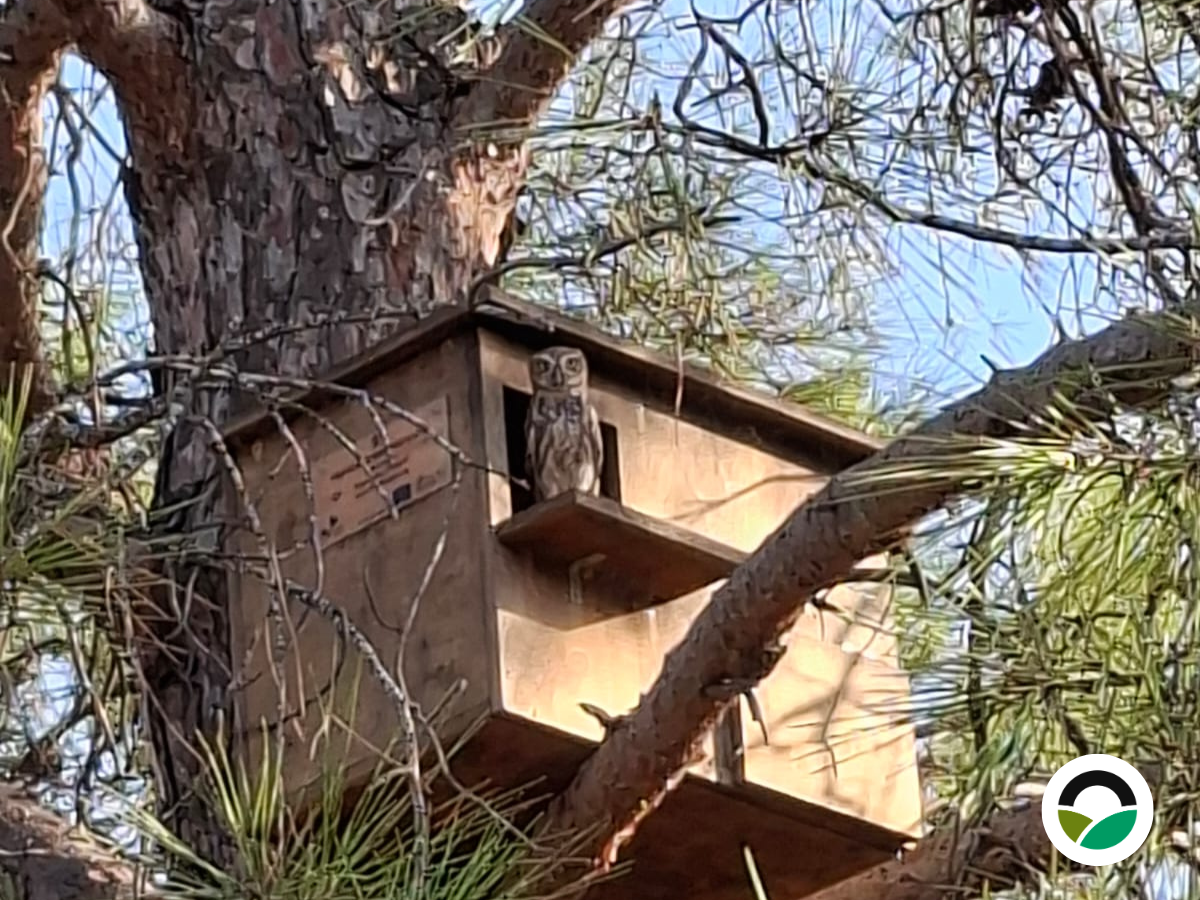
A Little Owl occupies one of our nest boxes
Supporting biodiversity sometimes begins with a simple wooden box placed in the right location. During the summer of 2026, we were delighted to observe a Little Owl (Athene noctua) occupying one of the nest boxes installed on a mature pine...
Read more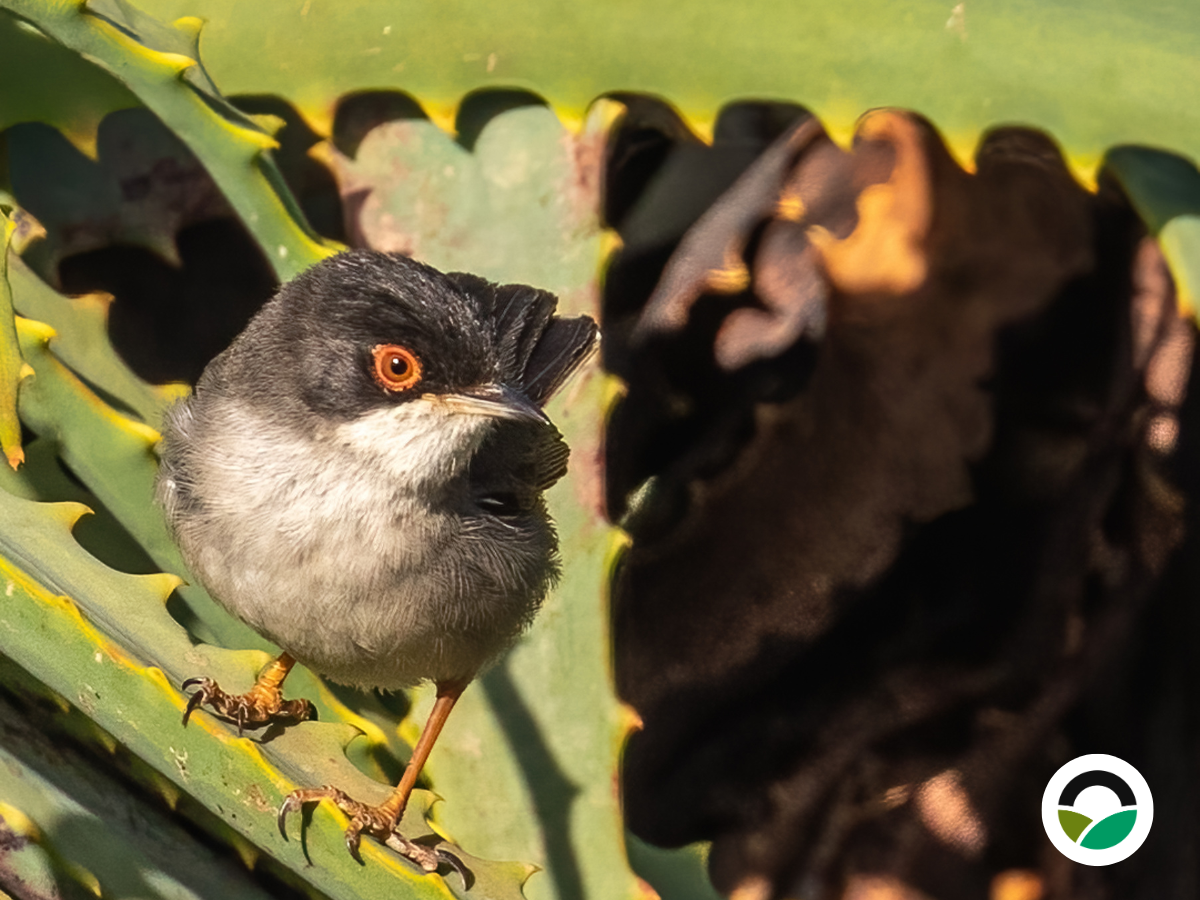
Sardinian Warbler (Curruca melanocephala)
Species of the Month – August 2026 Acoustic monitoring at Mavronero provides continuous insight into local bird activity. Each month, we analyse detection data to better understand species presence, behavioural intensity and ecological patterns. During the period 18/08/2026 – 25/08/2026,...
Read more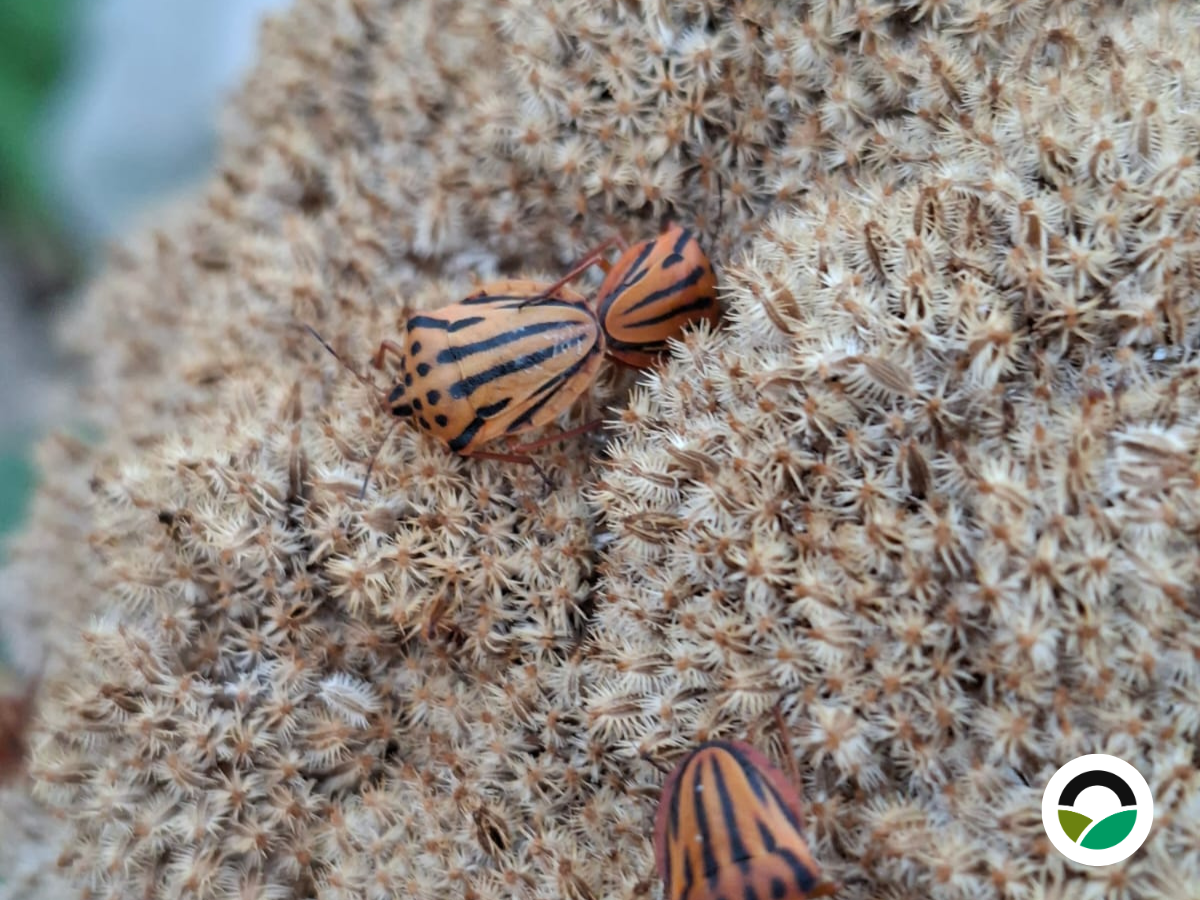
Striped shield bugs
Specialised insects of Mediterranean ecosystems Some of the most fascinating interactions in nature occur on the flowers and seed heads of native plants, where insects feed, reproduce and contribute to complex ecological networks. During the summer of 2026, we observed...
Read more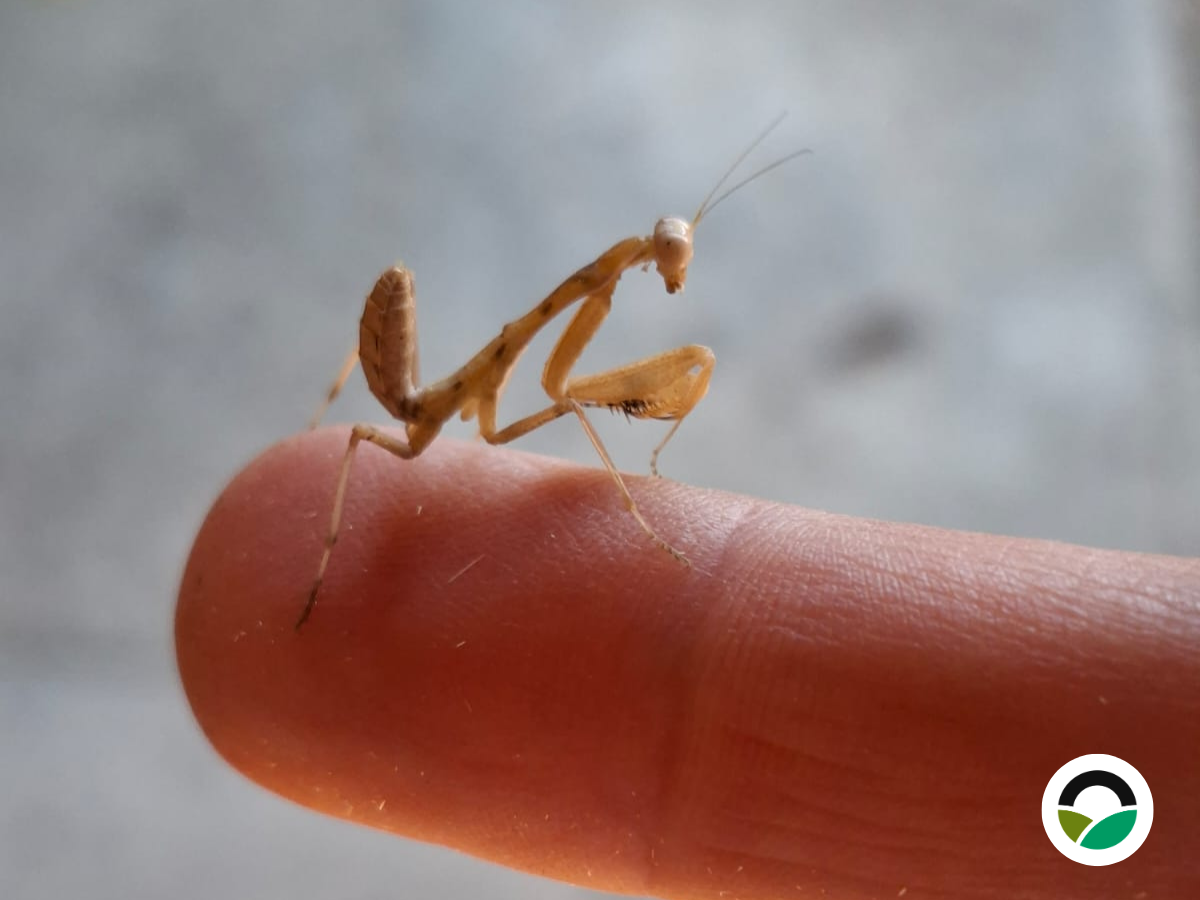
Juvenile praying mantis: a tiny guardian of the farm
One of the joys of regenerative farming is that even routine tasks can lead to unexpected wildlife encounters. While collecting ripe wild carrot (Daucus carota) seeds at Mavronero Farm, a tiny juvenile praying mantis unexpectedly dropped into our seed jar...
Read more
Feeding the hens with sweet melon
After harvesting the first sweet melons (Cucumis melo) of the season, the story does not end in the kitchen. As we explained in our previous article about harvesting the first sweet melons, harvesting is only one stage in the natural...
Read more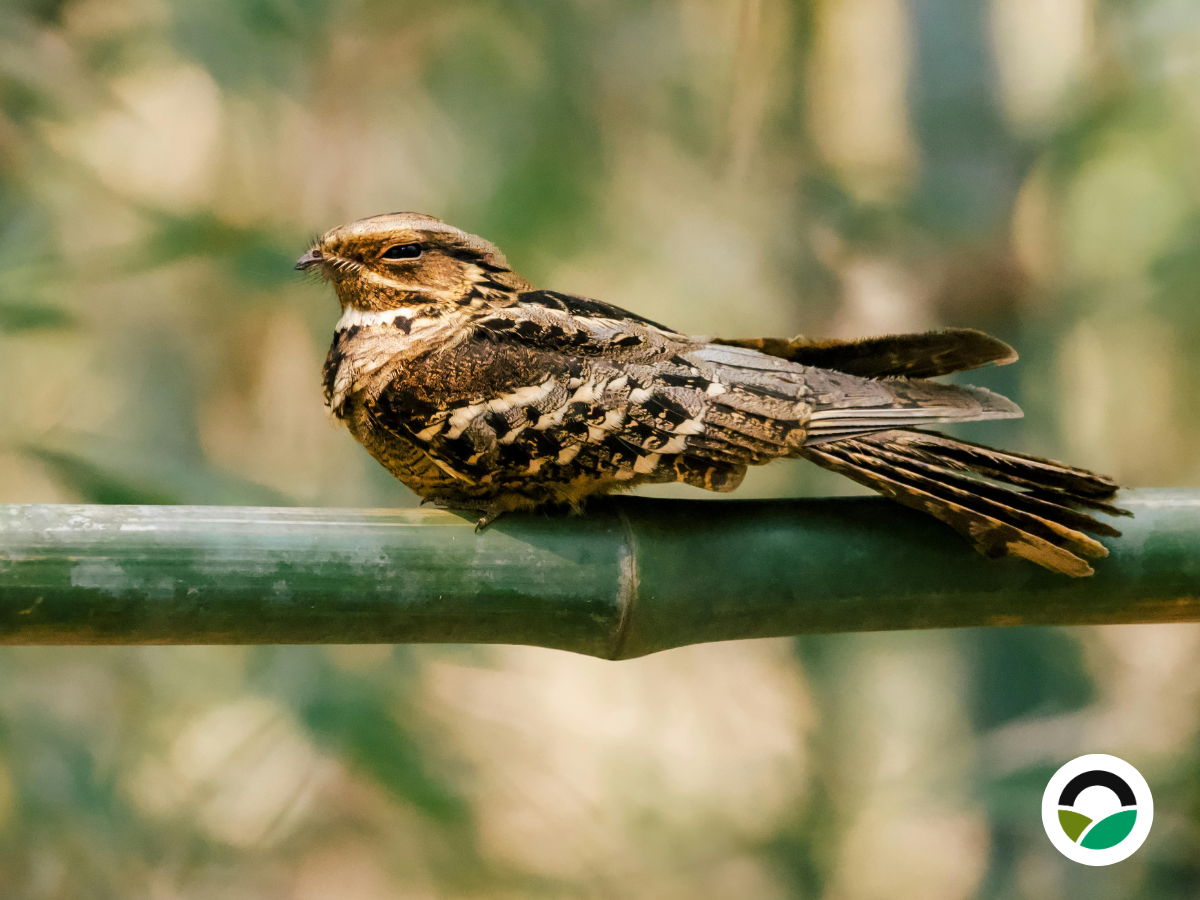
Eurasian Nightjar (Caprimulgus europaeus)
Species of the Month – July 2026 Acoustic monitoring at Mavronero provides continuous insight into local bird activity. Each month, we analyse detection data to better understand species presence, behavioural intensity and ecological patterns. During the period 20/07/2026 – 27/07/2026,...
Read more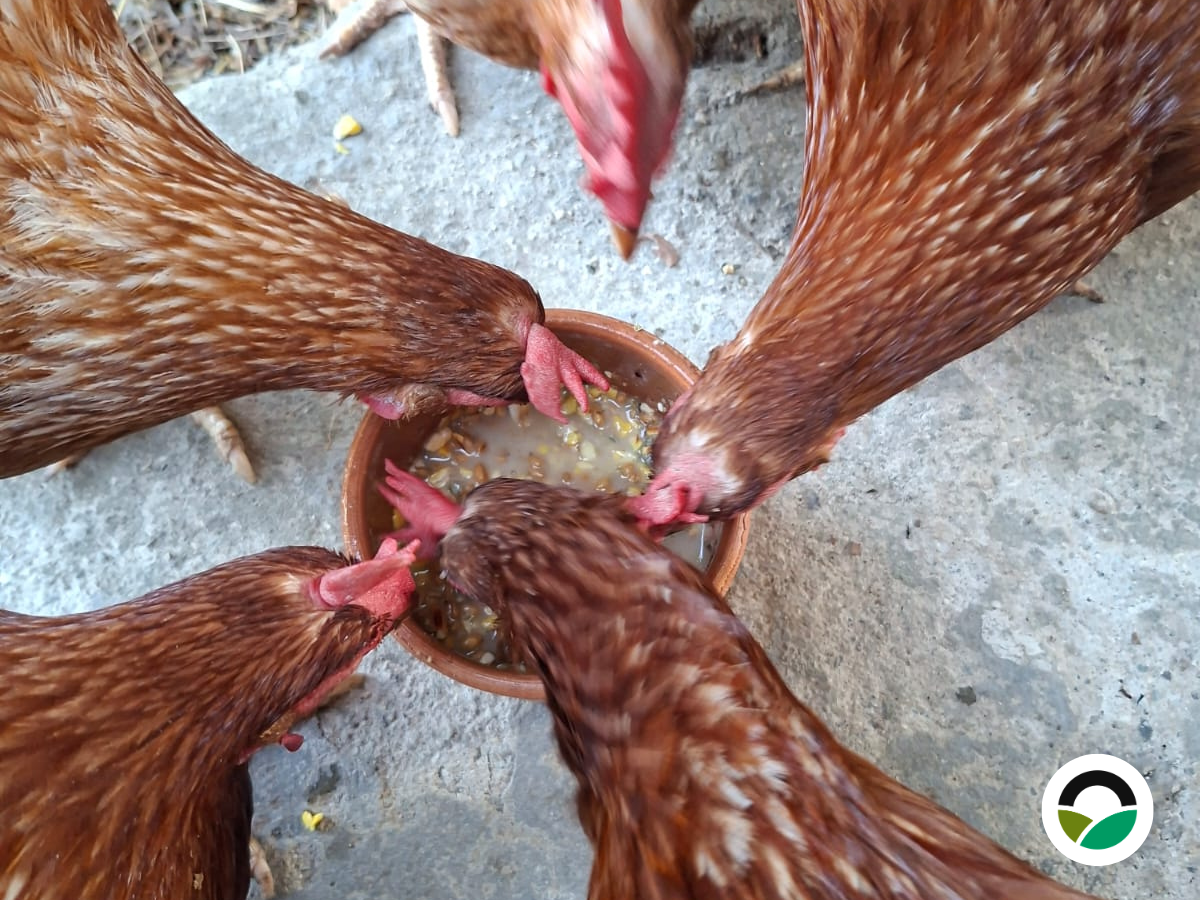
Fermented feed for chickens: a traditional practice supporting healthy flocks
Healthy livestock begins with good nutrition. At Mavronero Farm we are continually exploring natural, regenerative ways to improve the wellbeing of our animals. One of these practices is preparing fermented feed enriched with Mediterranean herbs such as oregano. Although simple,...
Read more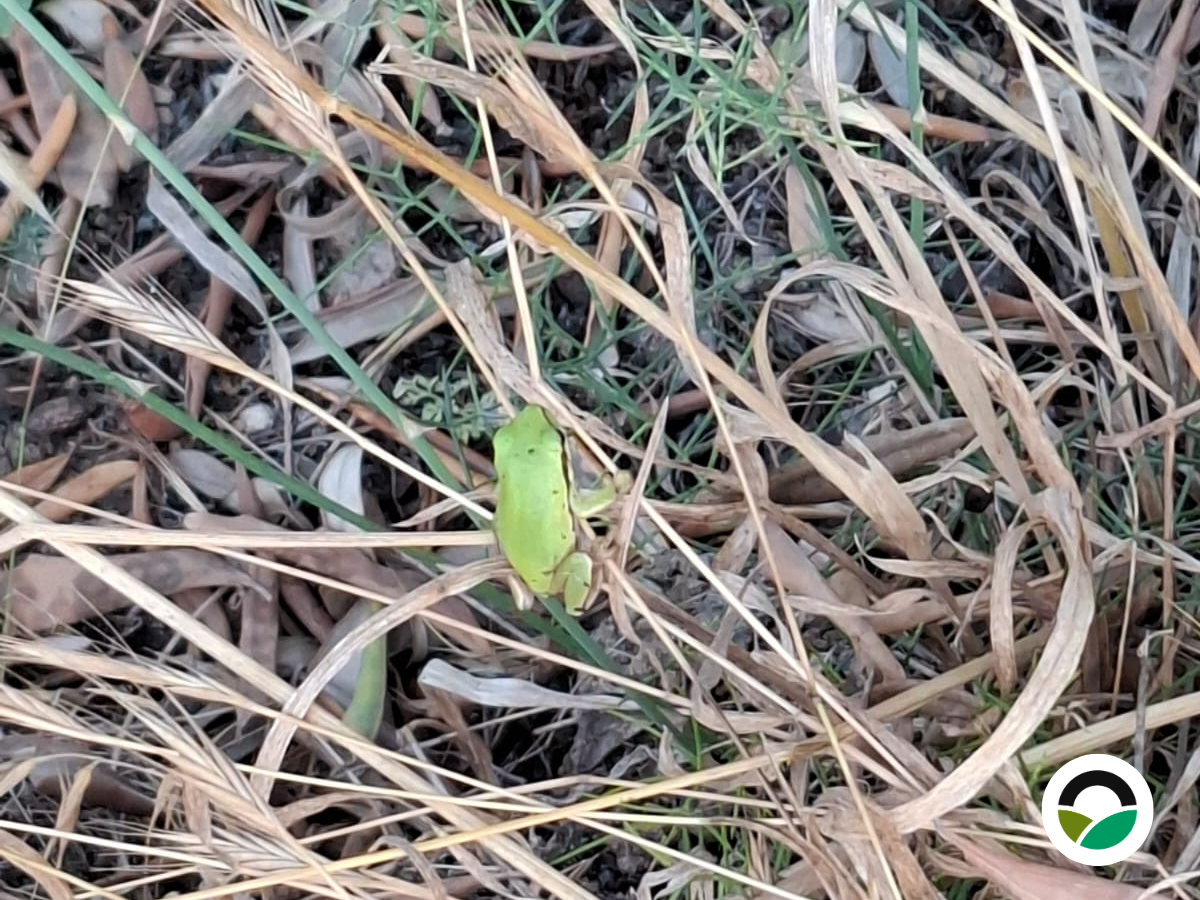
Middle East Tree Frog (Hyla savignyi): a tiny amphibian of Mediterranean landscapes
A small frog with a big ecological role During a recent biodiversity observation at Mavronero Farm, we spotted one of Cyprus’ most charming amphibians—the Middle East tree frog (Hyla savignyi). Bright green, no larger than a few centimetres, and perfectly...
Read more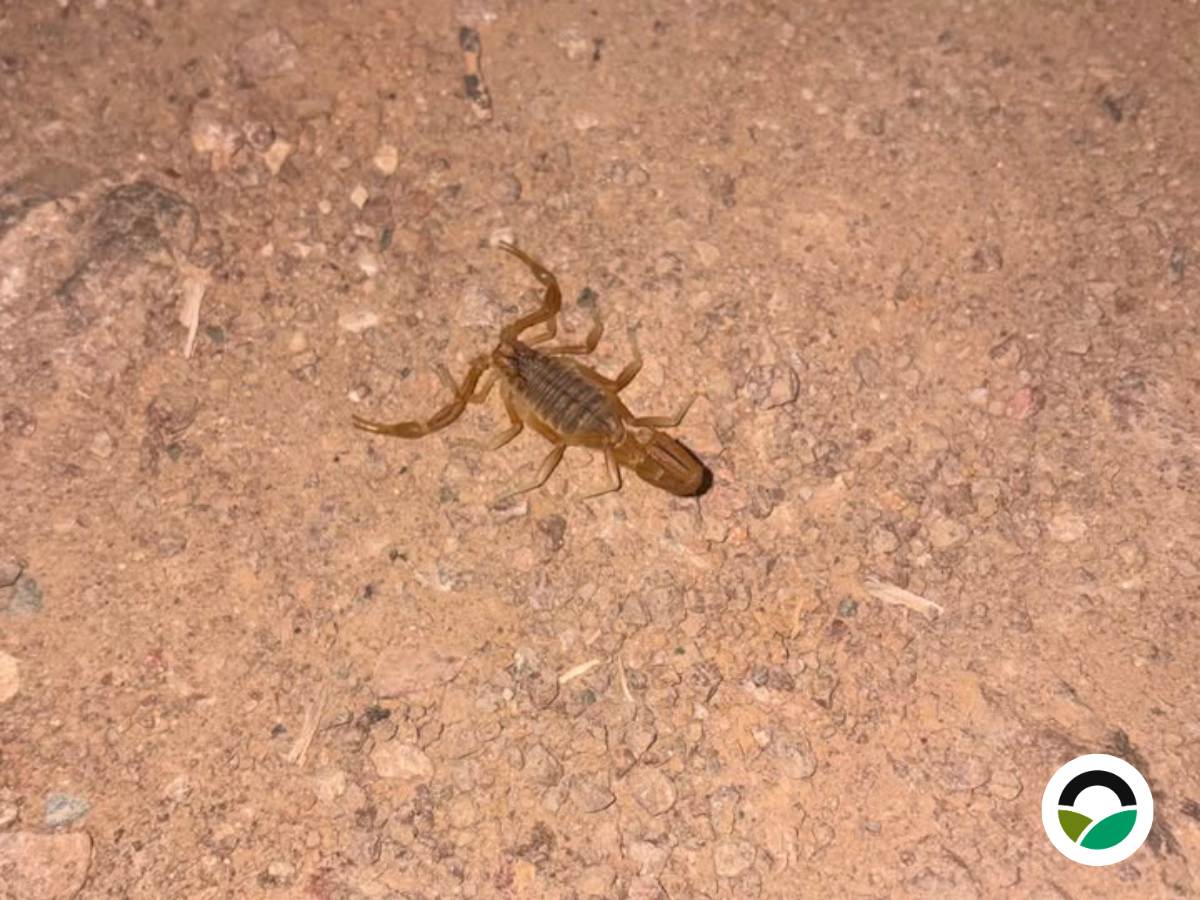
Yellow scorpions of Cyprus: silent hunters of the Mediterranean night
Nightlife at Mavronero As the sun sets over Mavronero Farm, a different community of wildlife begins to emerge. While birds settle into the trees and daytime insects disappear, nocturnal predators quietly leave their hiding places. During a recent evening observation,...
Read more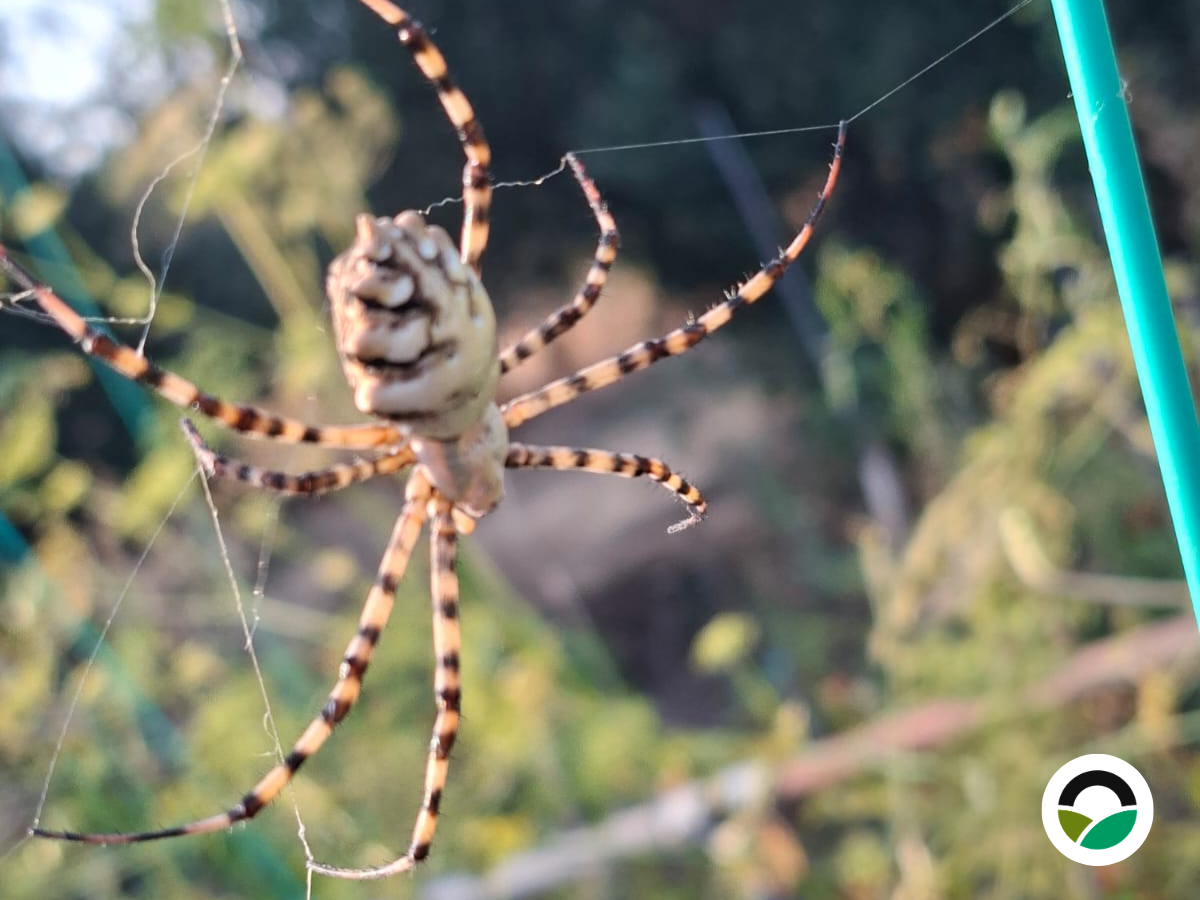
Lobed Argiope (Argiope lobata): the silent hunter of the tomato garden
Among the tomato plants growing on the river terrace at Mavronero, an impressive predator quietly waits for its next meal. The Lobed Argiope (Argiope lobata) is one of the most distinctive orb-weaving spiders found across the Mediterranean. Although its unusual...
Read more