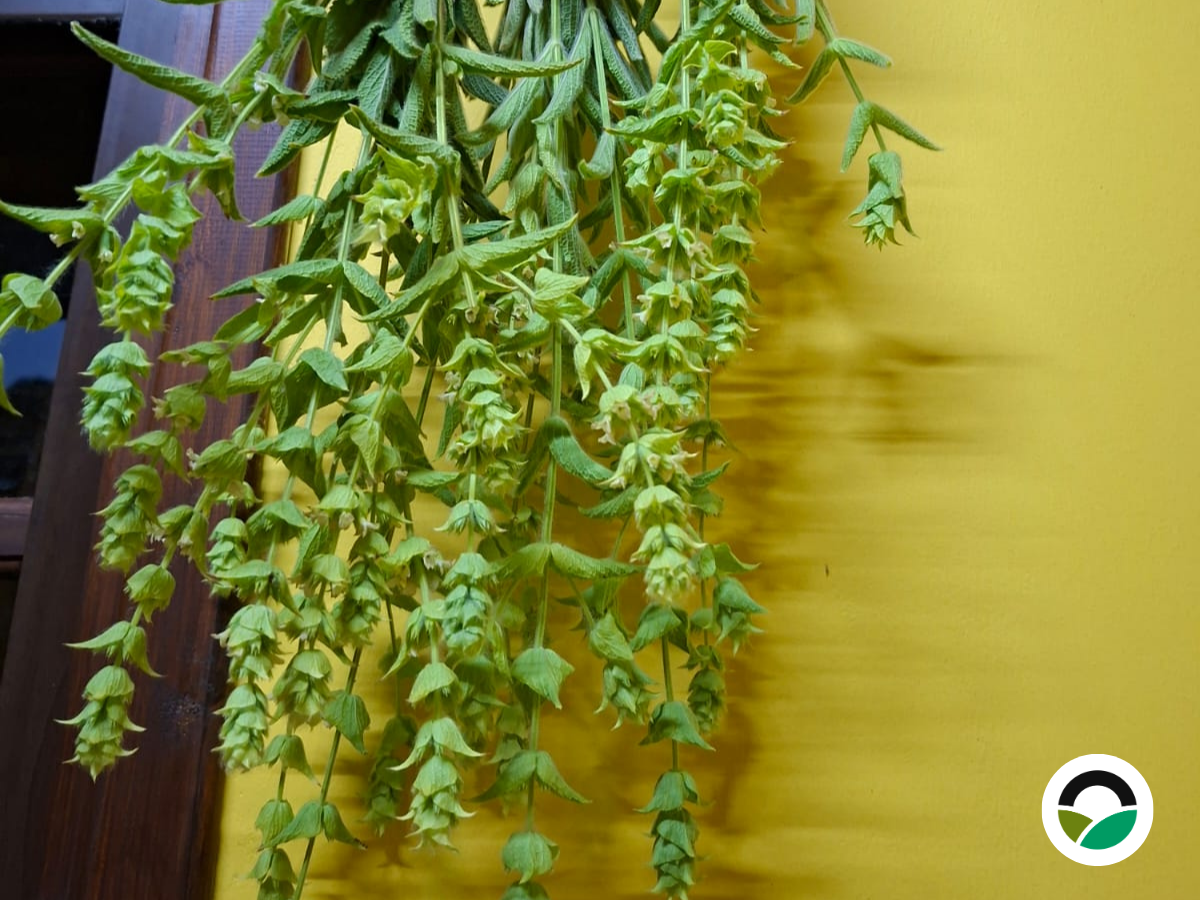
Mountain Tea (Sideritis perfoliata)

A characteristic plant of the Mediterranean Mountain tea is a common name used for several aromatic plants belonging to the genus Sideritis, part of the mint family, Lamiaceae. These plants are associated with Mediterranean botanical diversity and have a long history of use in traditional herbal infusions. The genus includes numerous species distributed across the … Read more
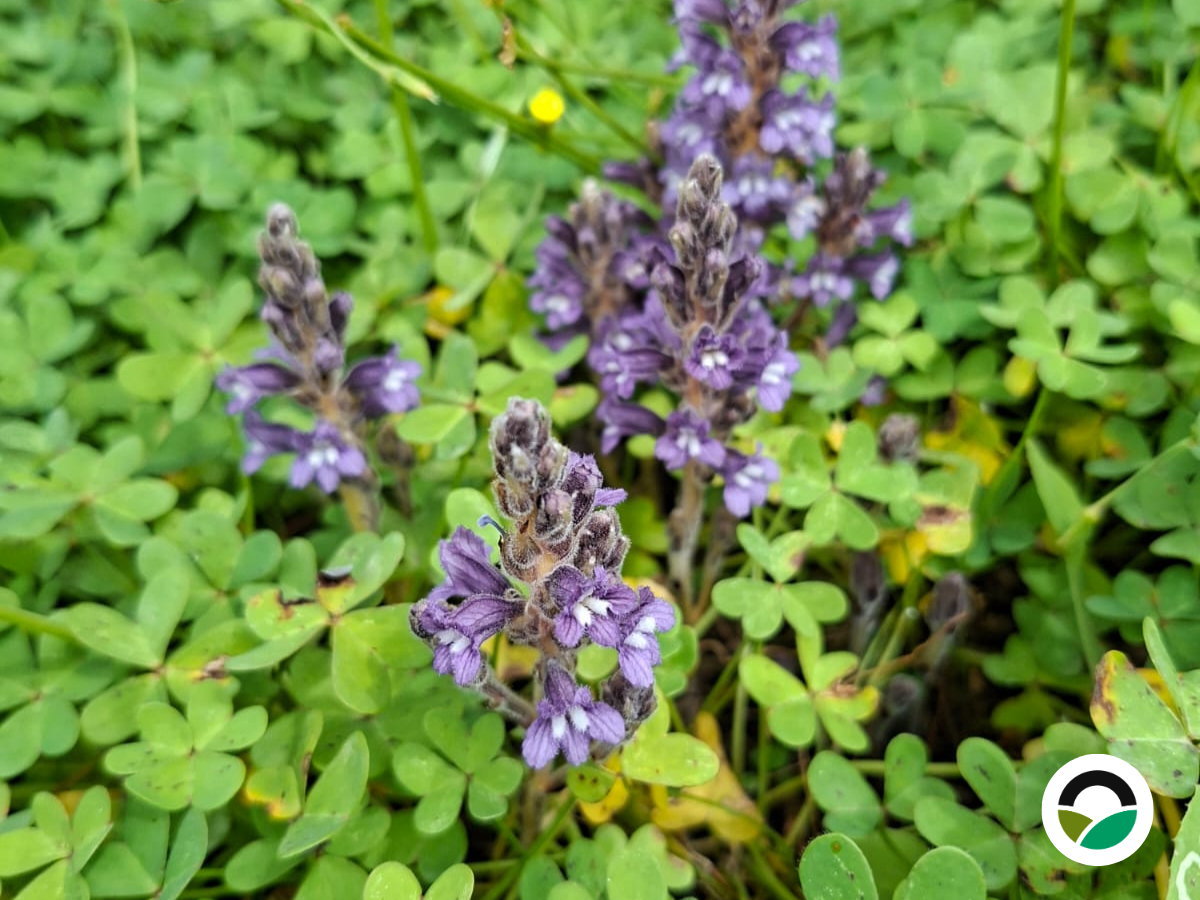
Broomrape: a remarkable parasitic plant of Mediterranean ecosystems

Most flowering plants produce their own energy through photosynthesis. Broomrape (Orobanche sp.) follows a completely different strategy. During the spring of 2026, we documented several broomrape plants flowering naturally at Mavronero Farm. Emerging among native vegetation with their distinctive purple flower spikes, these unusual plants demonstrate one of the Mediterranean’s most specialised botanical adaptations. Unlike … Read more

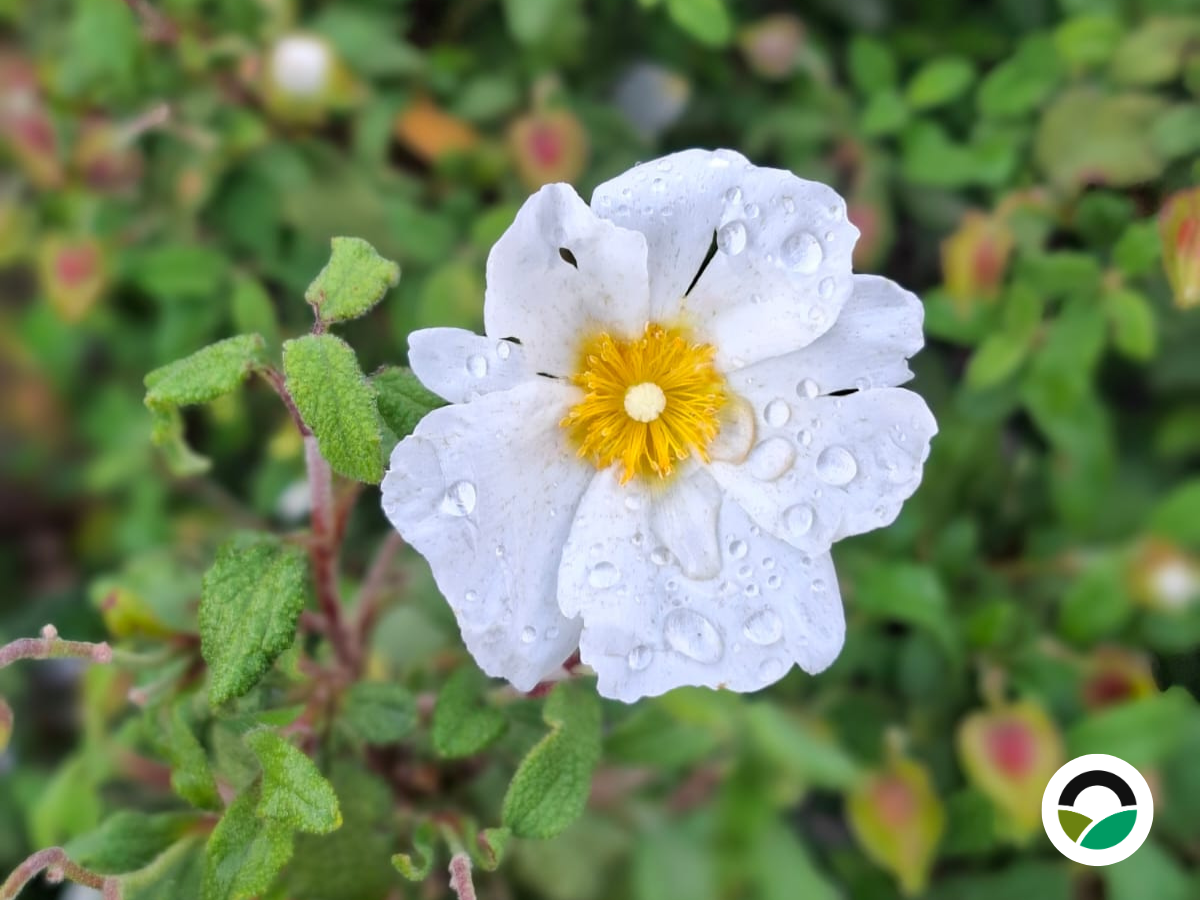
White rockrose: a resilient native shrub of the Mediterranean

Built for Mediterranean conditions White rockrose (Cistus salviifolius) is exceptionally well adapted to environments where many other plants struggle. It thrives in rocky, sandy and nutrient-poor soils while requiring very little water once established. Its small, slightly hairy leaves help reduce water loss during the hot summer months, while an extensive root system enables the … Read more

Wild mignonette: a resilient Mediterranean wildflower supporting biodiversity

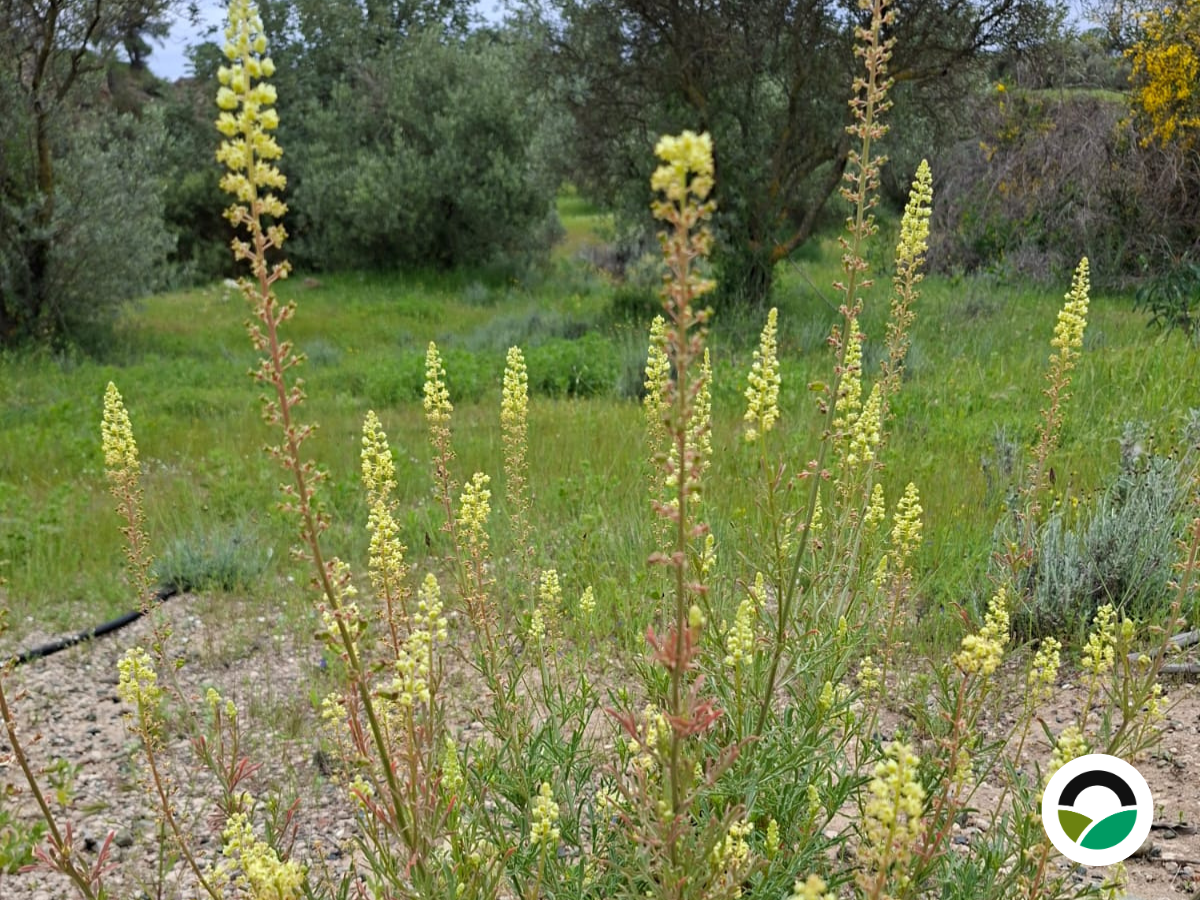
Wild mignonette (Reseda lutea) is one of the Mediterranean’s lesser-known native wildflowers, yet it plays an important role in supporting biodiversity. During a recent walk around Mavronero Farm, we observed this elegant species in full bloom, adding soft yellow tones to the landscape while providing valuable resources for pollinating insects. A native wildflower adapted to … Read more

Purple viper’s bugloss: a vibrant wildflower supporting Mediterranean biodiversity

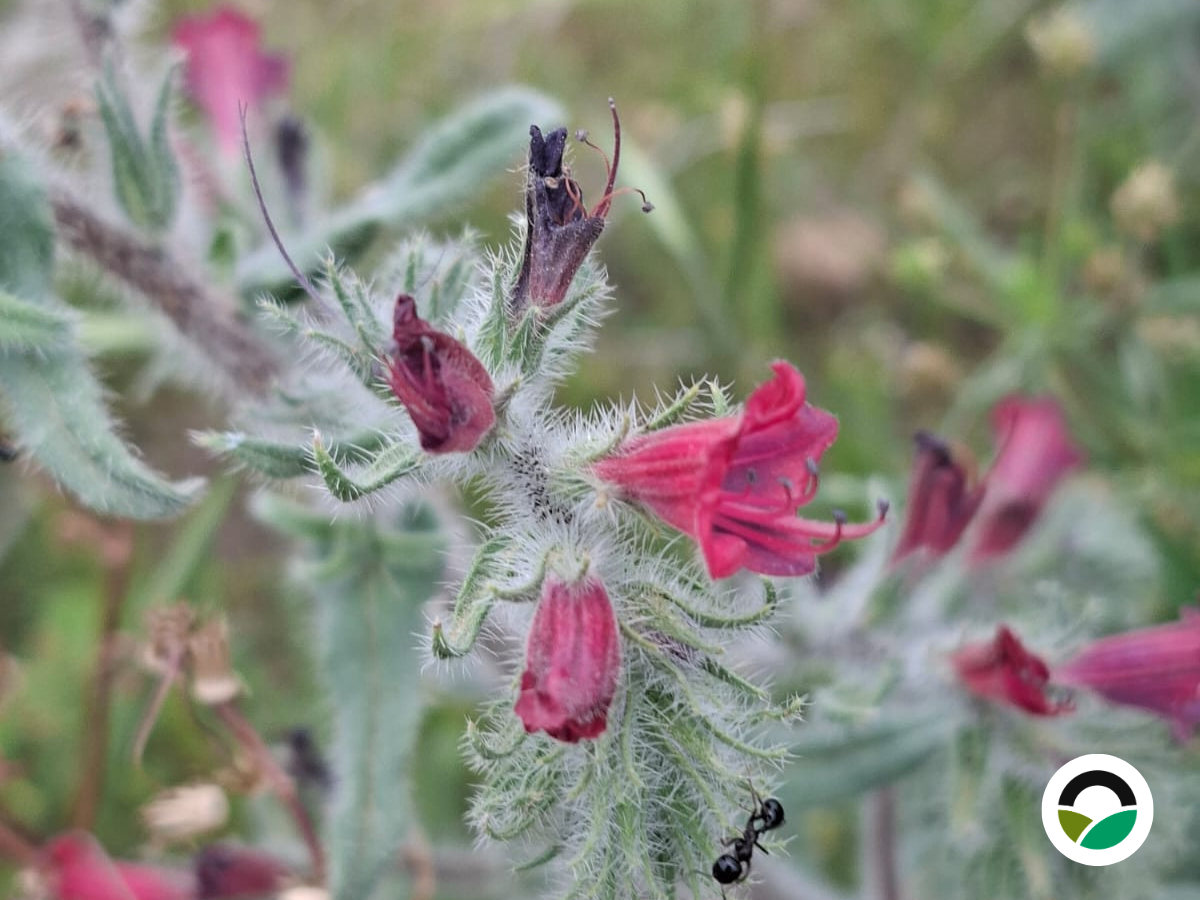
Purple viper’s bugloss (Echium plantagineum) is one of the Mediterranean’s most distinctive wildflowers. With its vivid purple flowers, silvery hairy leaves and exceptional drought tolerance, it plays an important ecological role by providing nectar for a wide variety of pollinating insects throughout spring. A resilient Mediterranean wildflower Native to the Mediterranean region, purple viper’s bugloss … Read more

Endemic Onobrychis: a native legume enriching Mediterranean ecosystems

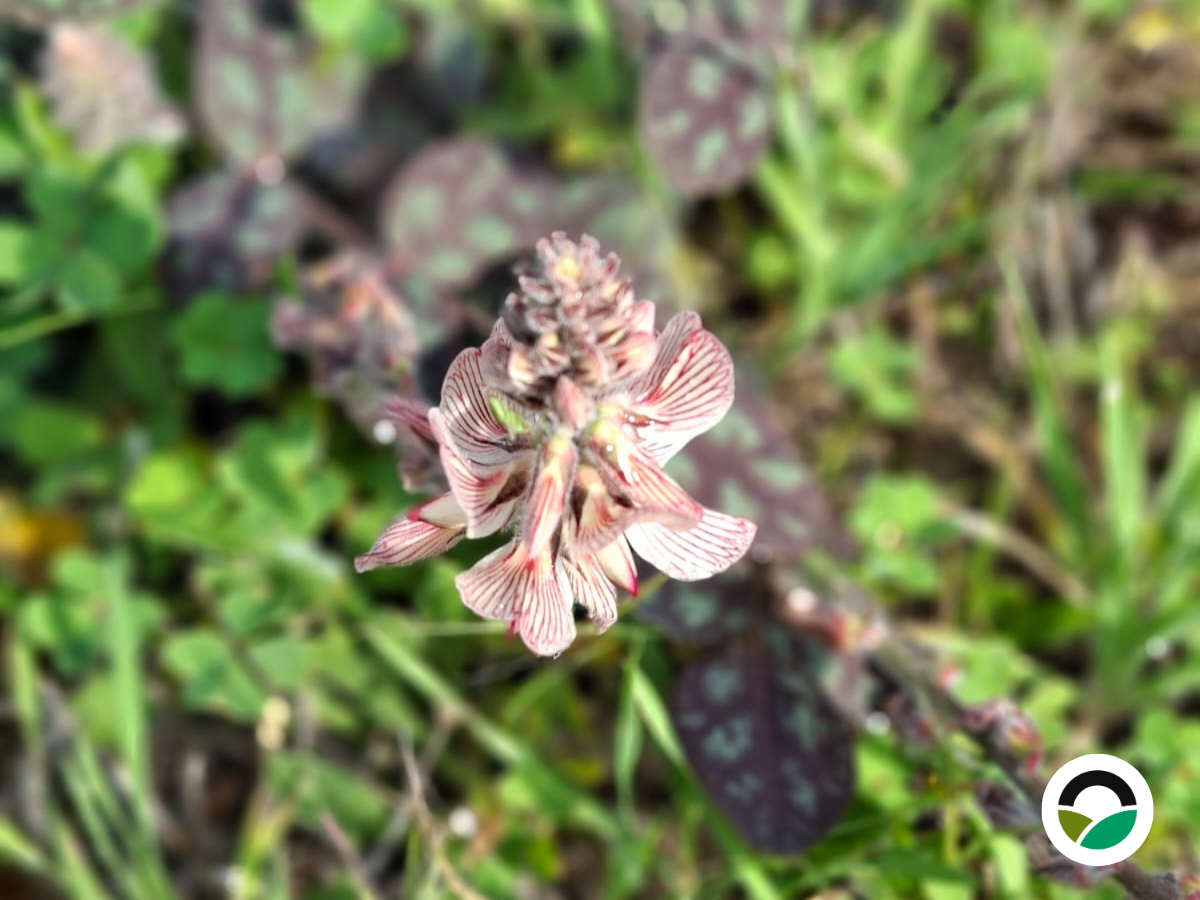
Even the smallest native plants can have a remarkable impact on the health of an ecosystem. Growing naturally at Mavronero Farm, Onobrychis is one of the Mediterranean’s valuable wild legumes, producing delicate pink flowers while quietly improving the soil beneath our feet. Although often overlooked, native species like this support pollinators, enrich soils and contribute … Read more

Wild carrot (Daucus carota): a resilient wildflower of Mediterranean landscapes

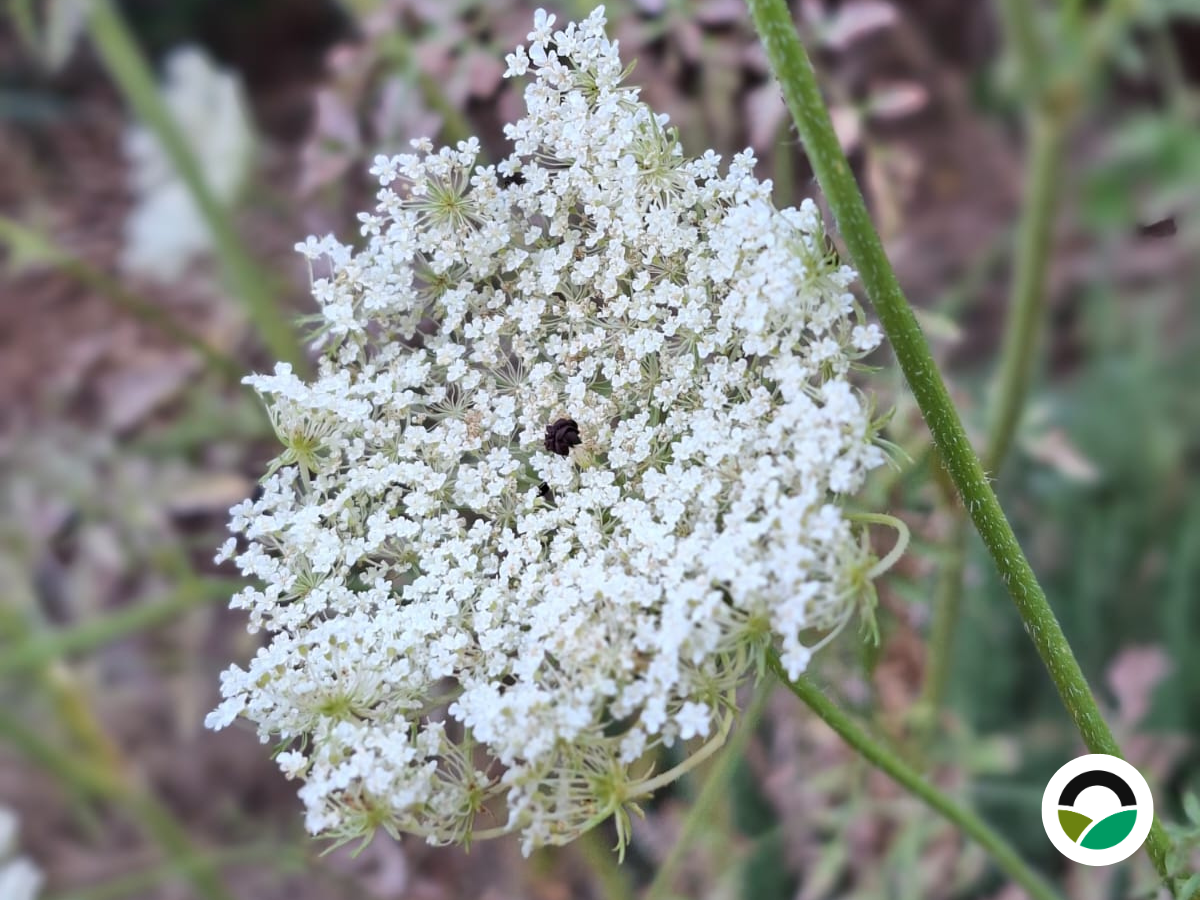
Even during the hottest months of the Mediterranean summer, when many wild plants have already completed their life cycle, wild carrot (Daucus carota) continues to flower. At Mavronero Farm it is among the few remaining flowering species, providing nectar and pollen for insects when floral resources become increasingly scarce. Although often overlooked, this native plant … Read more

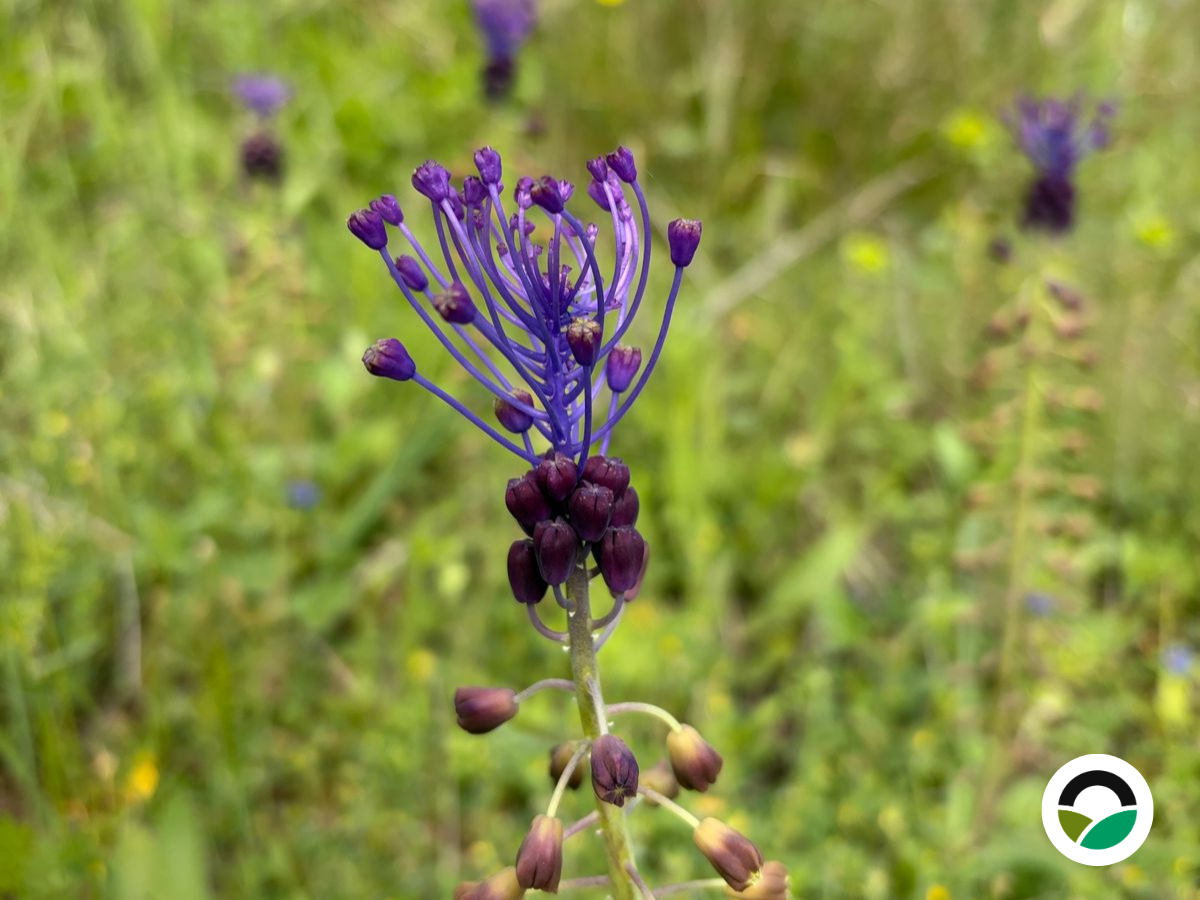
Wild hyacinths at Mavronero

Wild Mediterranean hyacinths can be observed flowering across surrounding grassland areas and semi-natural vegetation systems at Mavronero. These flowering plants emerge during spring within Mediterranean environments shaped by seasonal rainfall, soil moisture variation, sunlight exposure, and annual vegetation cycles. Their appearance contributes to the broader ecological diversity of cultivated and uncultivated Mediterranean landscapes. At Mavronero, … Read more

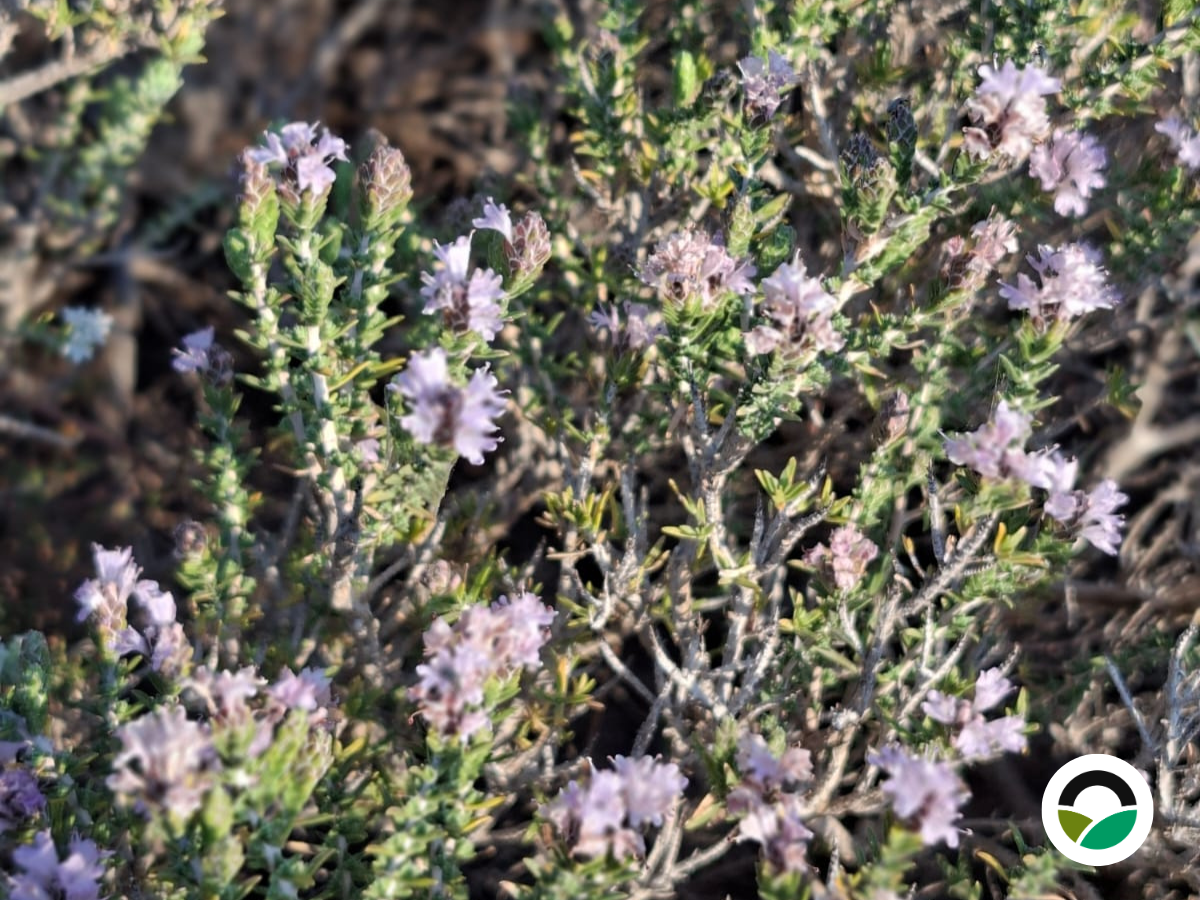
Wild thyme (Thymbra capitata)

The beginning of thyme honey season One of the unmistakable signs that Mediterranean summer has arrived is the flowering of wild thyme. Across the rocky hills surrounding Mavronero, the first blossoms of wild thyme (Thymbra capitata) have begun to open, covering the landscape with delicate pink-purple flowers and a distinctive aromatic fragrance. Although small in … Read more

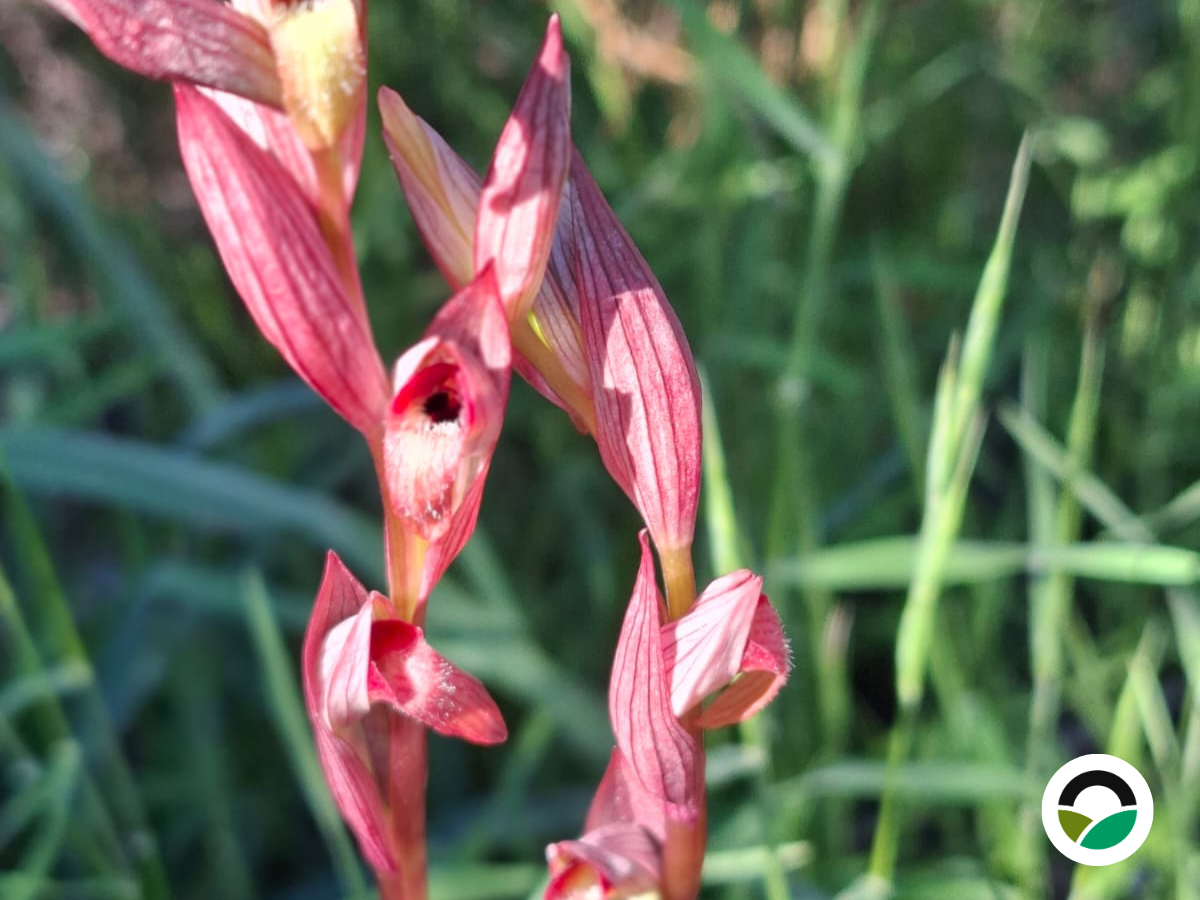
Orchid Serapias

Wild Serapias orchids within the Mediterranean landscape at Mavronero

At Mavronero, cultivation activities exist alongside broader ecological processes that continue throughout the surrounding Mediterranean landscape. Seasonal plant observation forms part of this ongoing relationship between agricultural activity, environmental conditions, and local biodiversity. This interaction becomes particularly visible during the spring flowering period, when multiple native plant species emerge across cultivated and semi-wild areas. Among … Read more