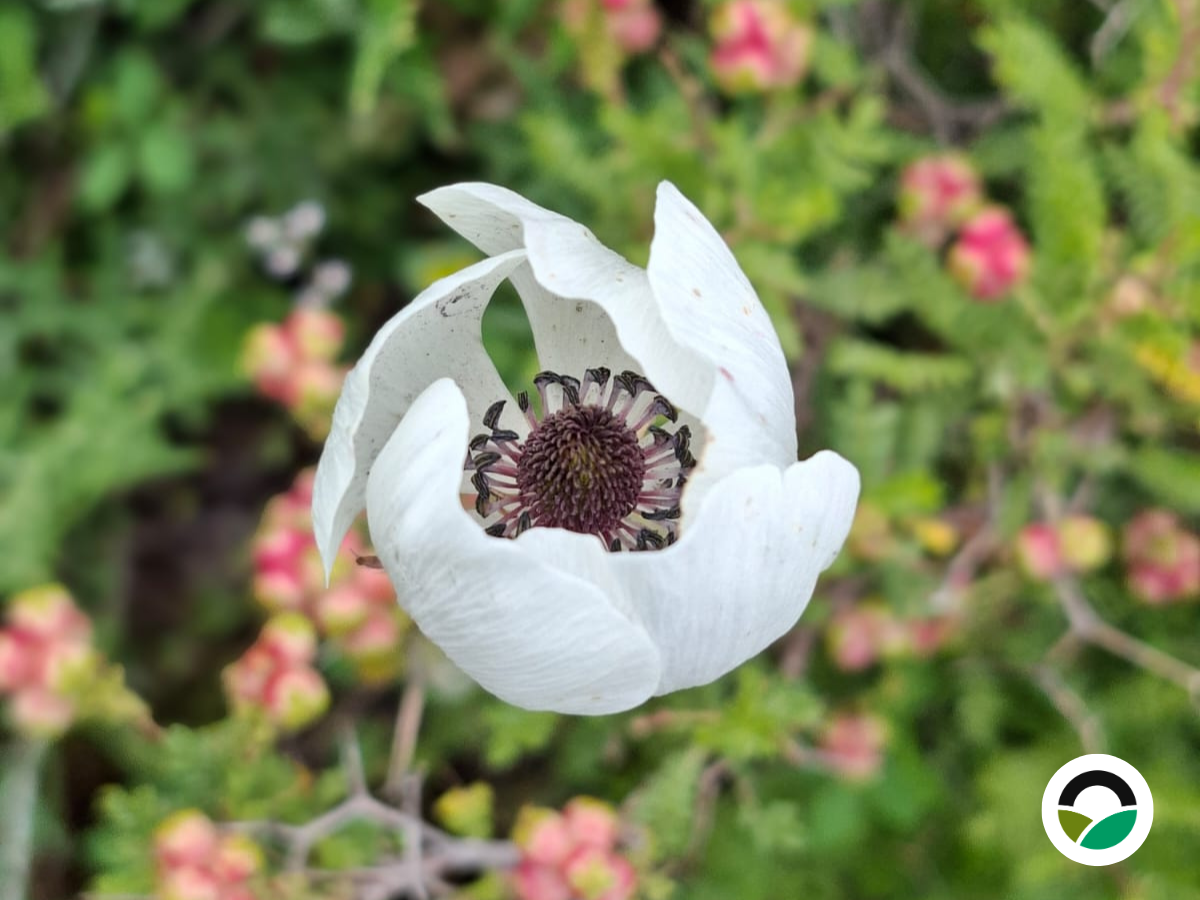
White anemones: supporting Mediterranean biodiversity

Some of the most beautiful signs of a healthy ecosystem appear for only a short time. During spring 2026, we observed several white anemones (Anemone coronaria) flowering naturally around Mavronero Farm. Their elegant white petals and dark centres stood out among the surrounding Mediterranean vegetation, providing a reminder of the rich biodiversity that thrives across … Read more
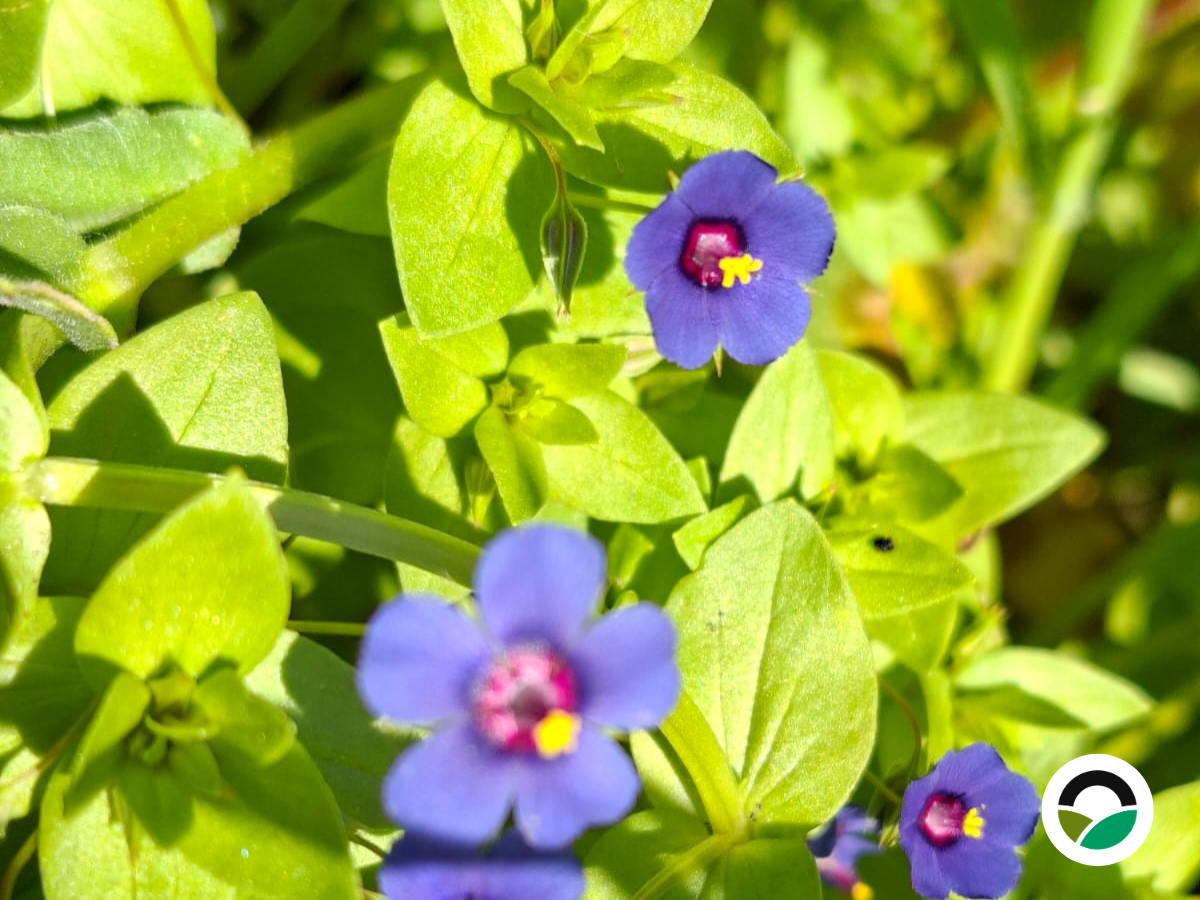
Blue Pimpernel (Anagallis arvensis): a small wildflower supporting biodiversity

Wildflowers are an essential part of healthy ecosystems, even when they go unnoticed. One such species is the Blue Pimpernel (Anagallis arvensis), a delicate flowering plant that brightens Mediterranean landscapes with its vivid blue petals while quietly supporting local biodiversity. Although often considered a common field flower, Blue Pimpernel provides valuable resources for pollinating insects … Read more

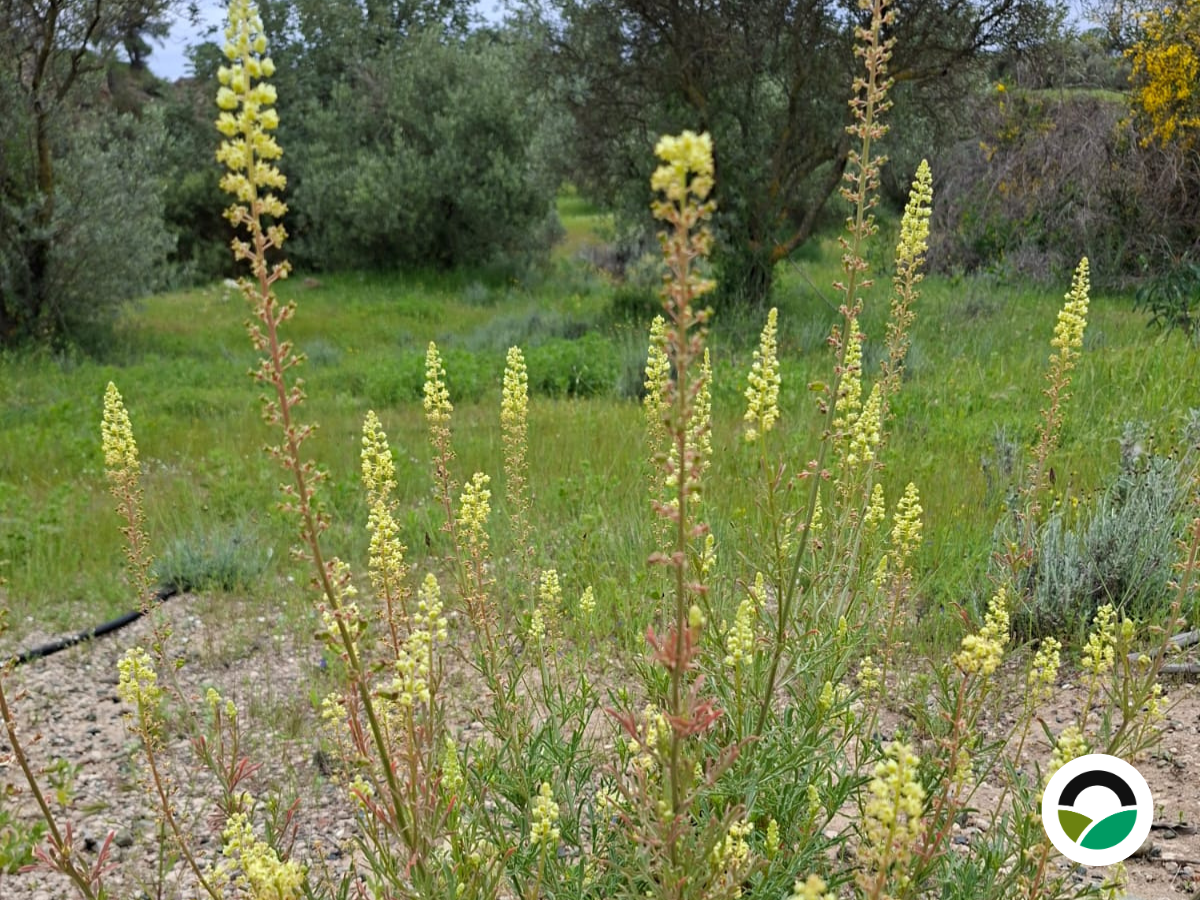
Wild mignonette: a resilient Mediterranean wildflower supporting biodiversity

Wild mignonette (Reseda lutea) is one of the Mediterranean’s lesser-known native wildflowers, yet it plays an important role in supporting biodiversity. During a recent walk around Mavronero Farm, we observed this elegant species in full bloom, adding soft yellow tones to the landscape while providing valuable resources for pollinating insects. A native wildflower adapted to … Read more

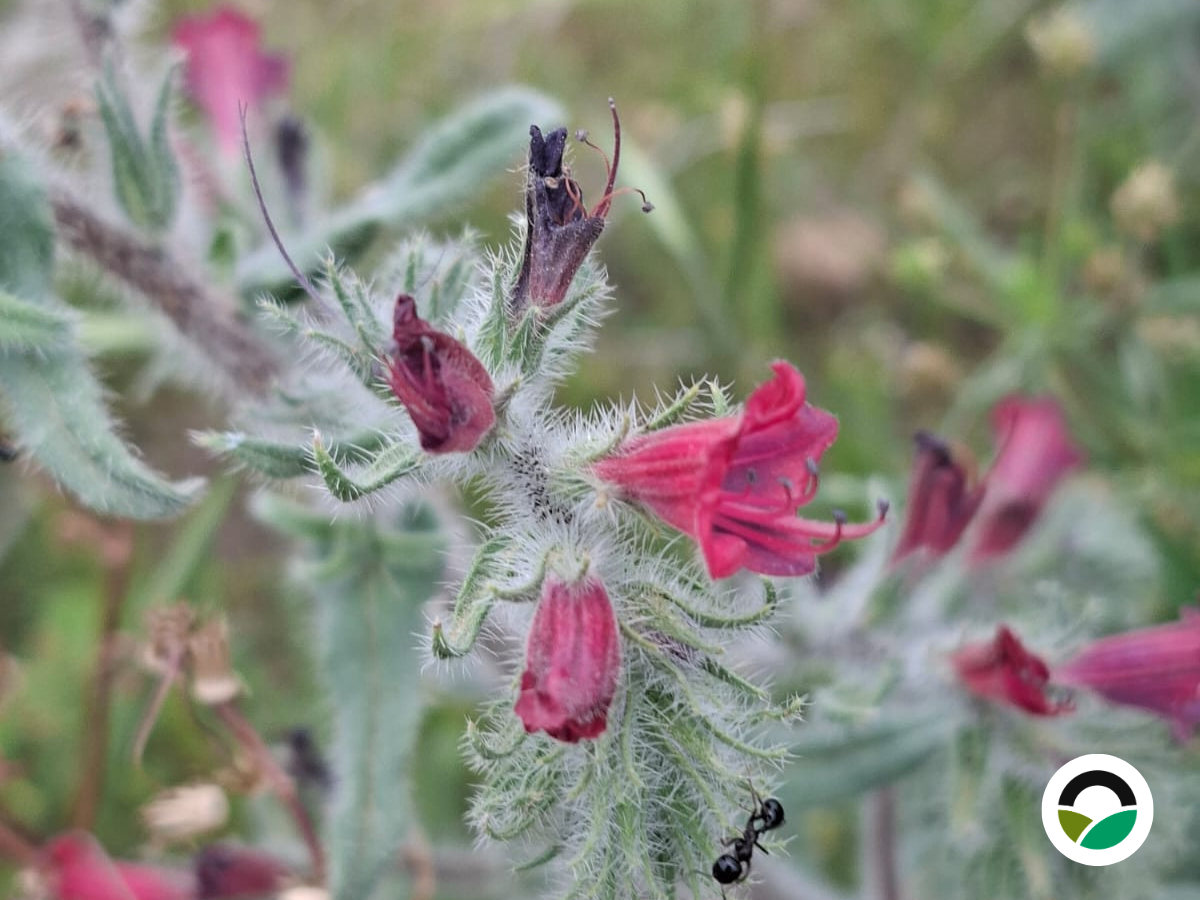
Purple viper’s bugloss: a vibrant wildflower supporting Mediterranean biodiversity

Purple viper’s bugloss (Echium plantagineum) is one of the Mediterranean’s most distinctive wildflowers. With its vivid purple flowers, silvery hairy leaves and exceptional drought tolerance, it plays an important ecological role by providing nectar for a wide variety of pollinating insects throughout spring. A resilient Mediterranean wildflower Native to the Mediterranean region, purple viper’s bugloss … Read more

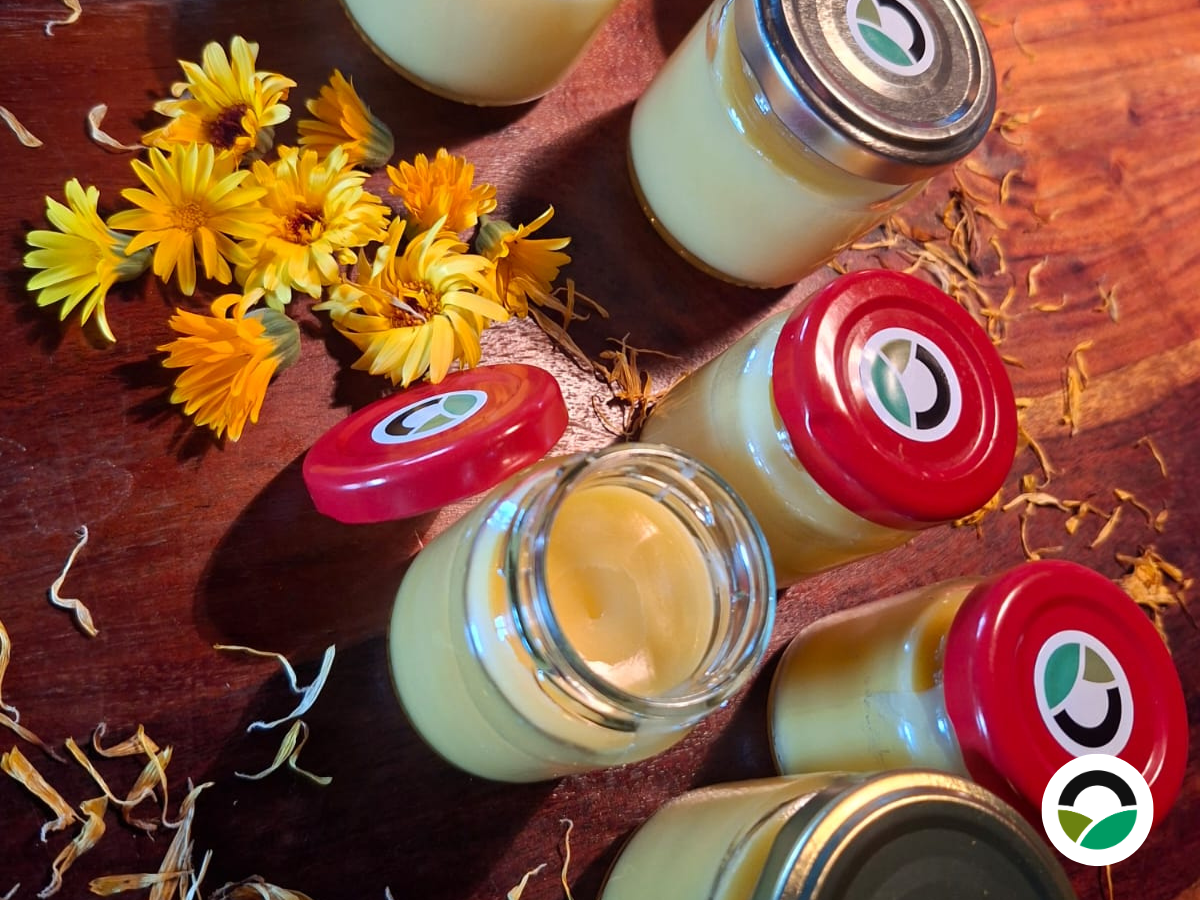
From wildflowers to natural skincare: how we make herbal creams at Mavronero Farm

Even the simplest wild plants can become valuable natural skincare ingredients when prepared with patience and care. At Mavronero Farm, we create small batches of herbal creams using flowers that grow naturally around our Mediterranean farm. Rather than relying on synthetic ingredients, we combine traditional herbal knowledge with our own organic extra virgin olive oil … Read more

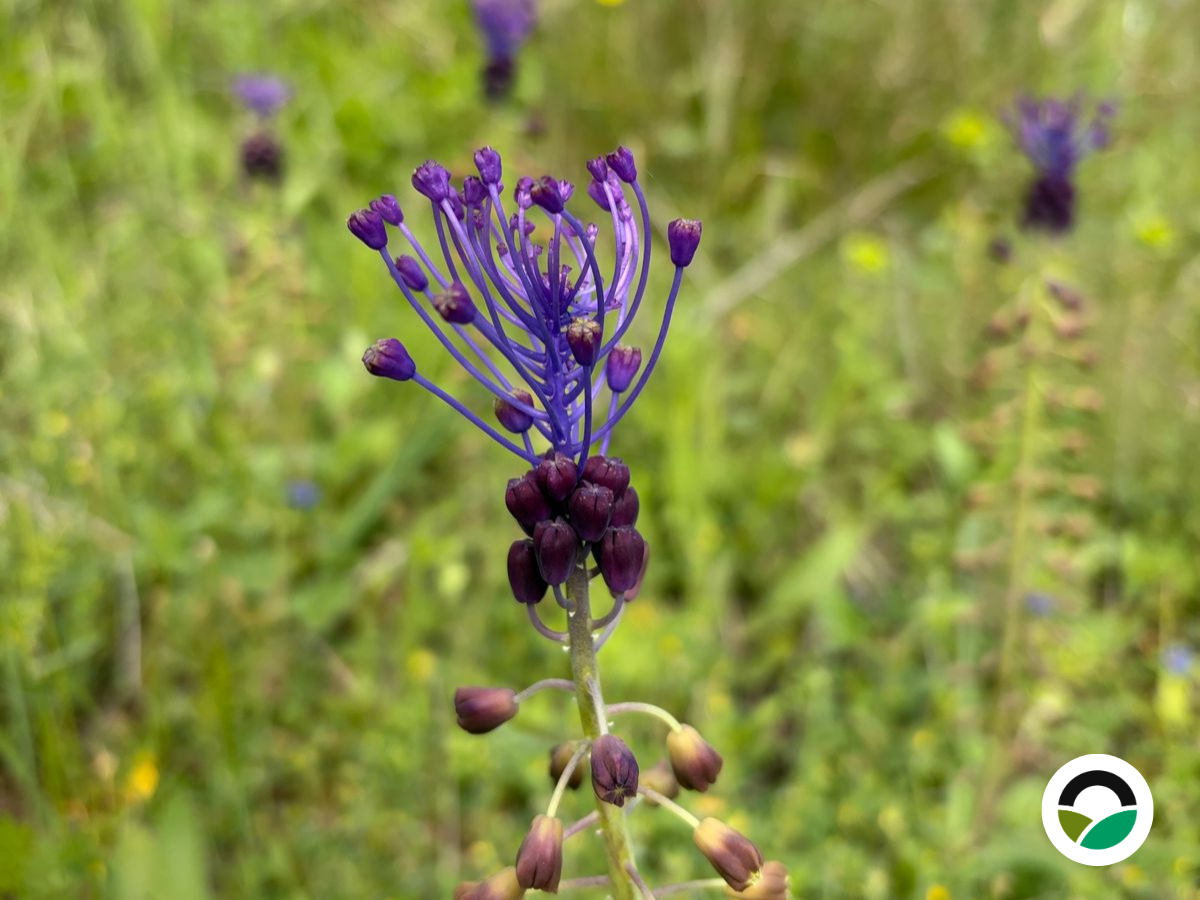
Wild hyacinths at Mavronero

Wild Mediterranean hyacinths can be observed flowering across surrounding grassland areas and semi-natural vegetation systems at Mavronero. These flowering plants emerge during spring within Mediterranean environments shaped by seasonal rainfall, soil moisture variation, sunlight exposure, and annual vegetation cycles. Their appearance contributes to the broader ecological diversity of cultivated and uncultivated Mediterranean landscapes. At Mavronero, … Read more

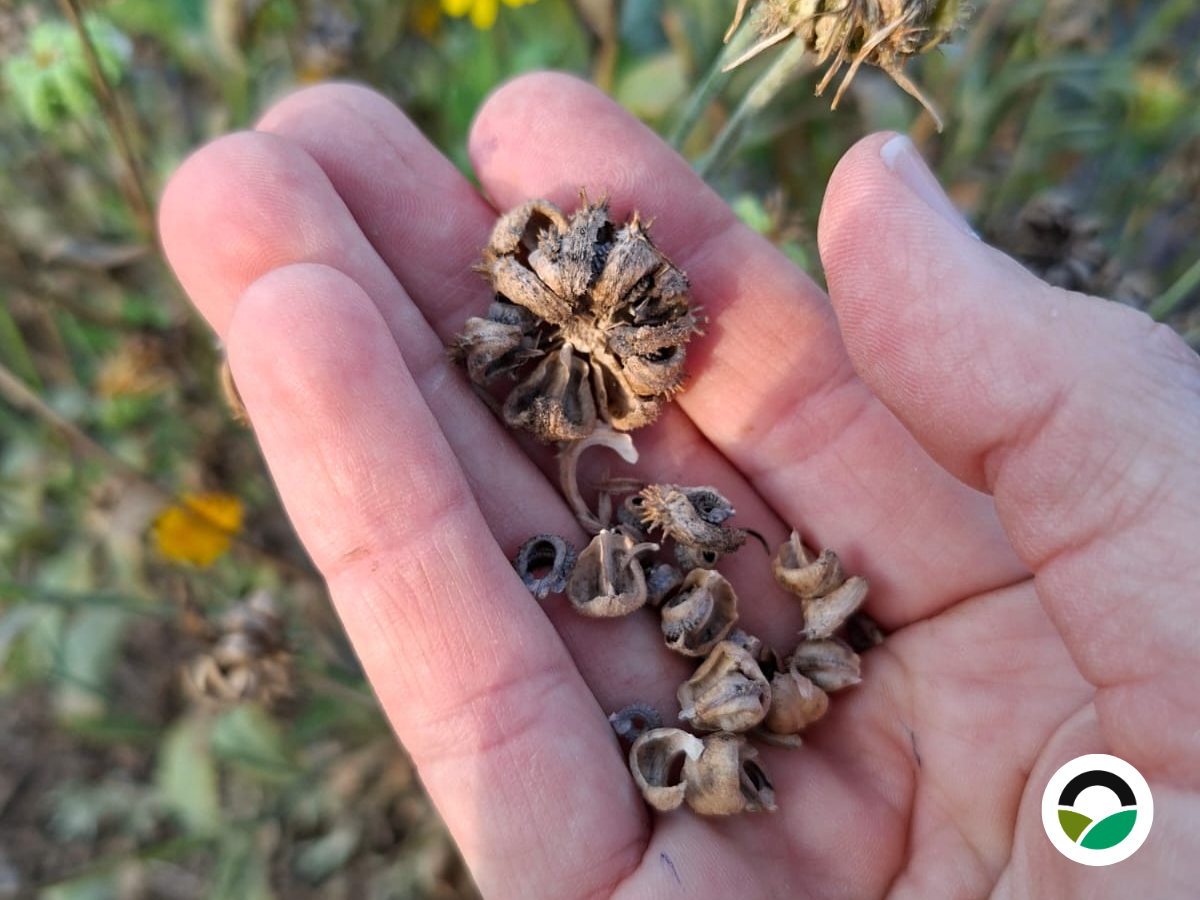
Calendula (Calendula officinalis) seeds are ready to harvest

The end of one flowering season, the beginning of another The colourful blooms of calendula may be fading, but the plant is entering one of the most important stages of its life cycle: seed production. Across the farmhouse garden at Mavronero, the bright orange and yellow flowers that attracted bees and butterflies throughout spring and … Read more

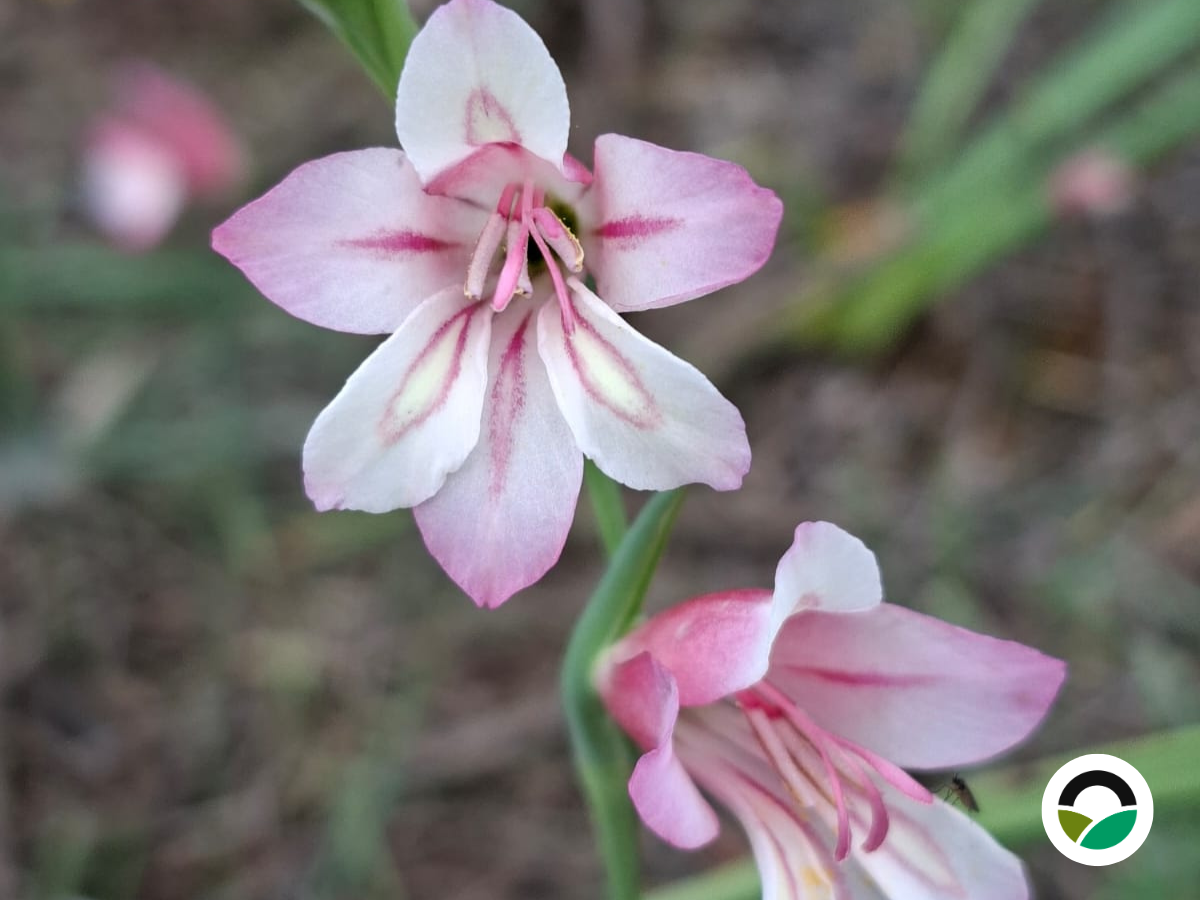
Italian Gladiolus (Gladiolus italicus)

Italian gladiolus (Gladiolus italicus) is among the most characteristic spring-flowering plants found throughout Mediterranean ecosystems. At Mavronero, these elegant wildflowers develop naturally within herbaceous vegetation growing between olive groves, agricultural margins, and semi-natural habitats. The species forms part of the seasonal flowering communities that emerge following winter rainfall and mild spring temperatures. These flowering plants … Read more

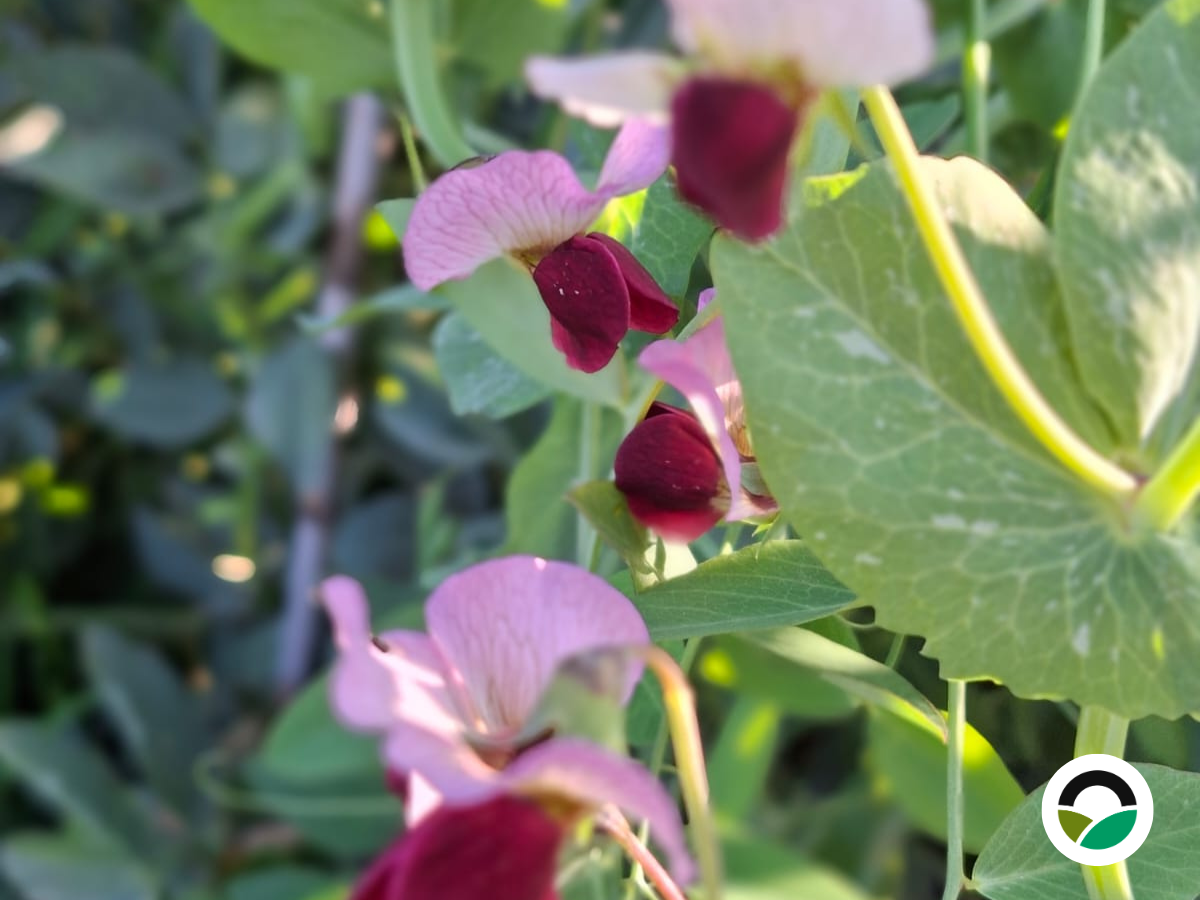
Luvana Flowers (Lathyrus spp.) at Mavronero

Luvana flowers can frequently be observed developing throughout cultivated and semi-natural Mediterranean environments during the spring flowering season. At Mavronero, these flowering plants form part of broader seasonal vegetation systems growing naturally between olive groves, herbaceous agricultural areas, and low-intervention Mediterranean landscapes. These flowering legumes contribute to the seasonal biodiversity dynamics of cultivated environments while … Read more

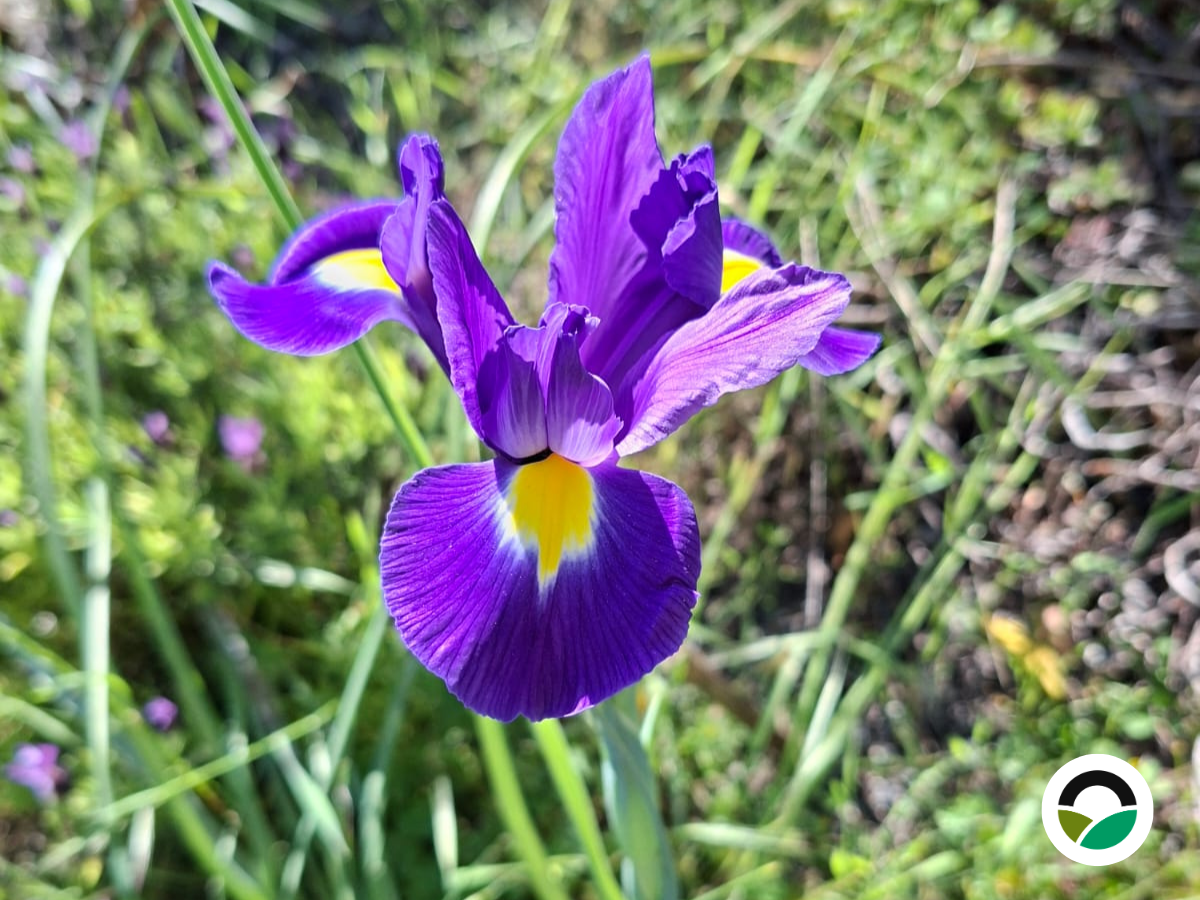
Purple iris in bloom, highlighting structural details adapted for pollination.

Irises at Mavronero: seasonal emergence and natural expansion

Morphological characteristics Irises (Iris spp.) are perennial herbaceous plants characterized by a highly distinctive floral structure composed of three upright petals (standards) and three downward-curving sepals (falls). These elements often display contrasting coloration, functioning as visual guides that direct pollinators toward nectar sources. Key characteristics include: These features contribute both to their reproductive success and … Read more